
Scottsdale Intersection Accident Lawyer
Intersection Accident Lawyer in Scottsdale for Crashes at Signals and Stop Signs
An intersection accident lawyer in Scottsdale helps you show who had the green light, who had the right of way, and what the crash has cost you. Intersection crashes are often a dispute between two drivers who each say the other one was wrong, and insurance companies and attorneys often negotiate the percentage of fault. Arizona gives you two years from the crash to file in most cases (A.R.S. 12-542), so it helps to start early.
- Filing deadline
- 2 years from the crash
- A.R.S. 12-542(1)
- Fault rule
- Pure comparative fault, no percentage bar
- A.R.S. 12-2505
- Government vehicle or road defect
- Notice of claim within 180 days
- A.R.S. 12-821.01
Why an Intersection Car Accident Is So Often Disputed
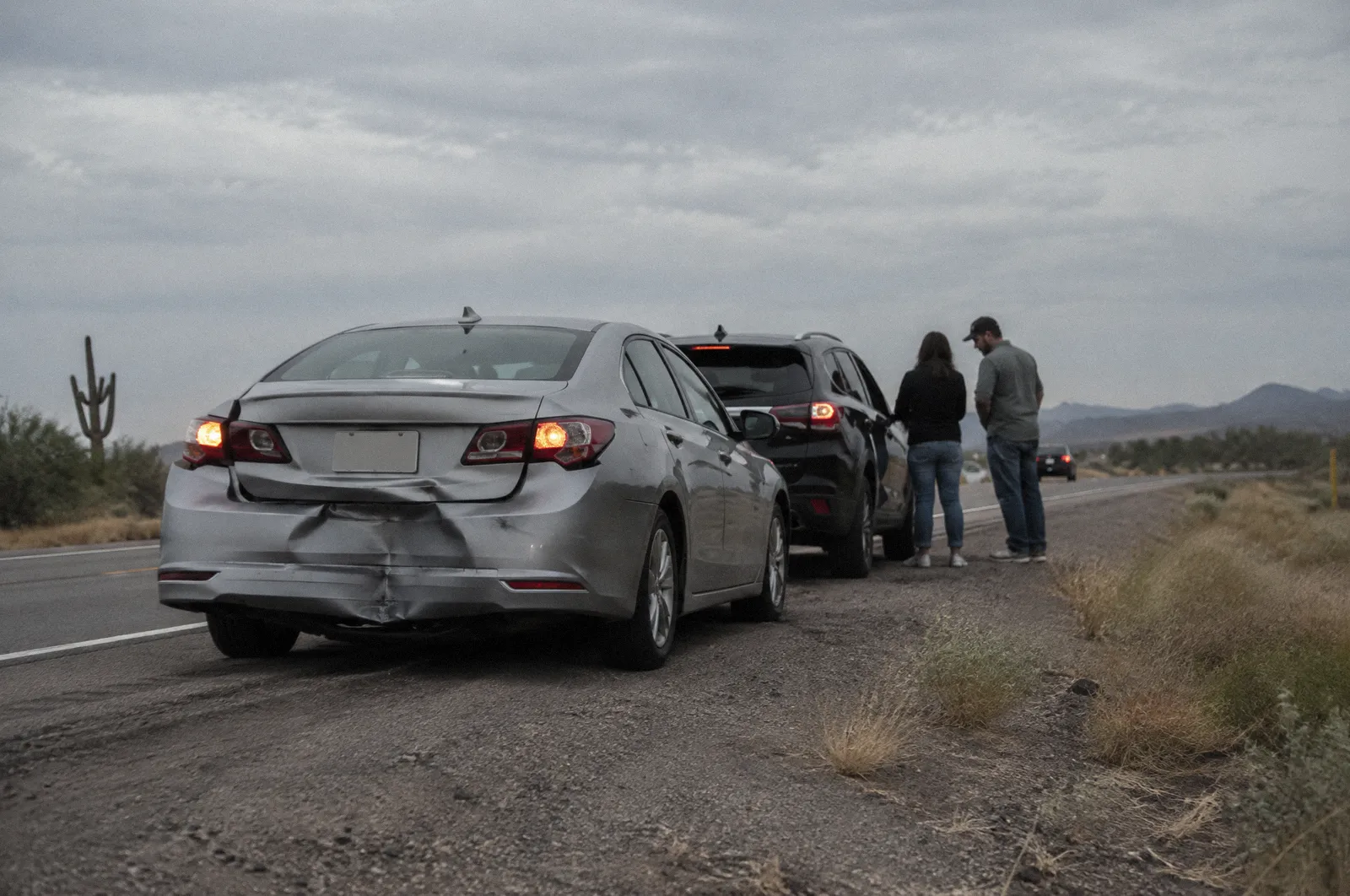
An intersection is the one place on the road where two drivers are supposed to take turns, and the moment one of them does not, the crash that follows is usually over in a second or two. Nobody had time to watch what the other driver was doing. Afterward, each driver tells the officer and the insurance company the version of events in which the light was theirs. If you were hurt in an intersection car accident, that disagreement is the center of your claim.
This page is one of several crash types covered on our main car accident lawyer Scottsdale page. Many intersection crashes are also T-bones or left turn crashes, and we explain those in more detail on their own pages. If another driver ran a stop sign or entered on a signal that had already changed, our article on how right-of-way violations are handled in Scottsdale injury claims goes deeper on that part of the story.
Arizona
Scottsdale Intersections and Corridors Where Crashes Happen
Busy arterial roads with heavy commuter traffic and frequent left turns shape the intersection crashes we see around Scottsdale. Knowing the road helps us find the right evidence, from signal timing to nearby camera footage. Our page on the most dangerous intersections in Scottsdale covers the pattern in more detail.
Shea Boulevard at Scottsdale Road, Hayden Road, Tatum Boulevard and 32nd Street
Turning conflicts, especially left turns across oncoming lanes during the commute.
Scottsdale Road and Frank Lloyd Wright Boulevard
A busy interchange area near Loop 101 where surface-street drivers merge with fast traffic.
Pima Road near Loop 101
Residential and commercial traffic feeding the freeway at speed.
Scottsdale Police Department
Often the agency that writes the crash report for crashes on city streets.
Who Is at Fault in an Intersection Accident
Fault in an intersection crash usually turns on the signal, the stop sign, or who had the right to proceed first. Arizona follows pure comparative fault (A.R.S. 12-2505), which means your compensation is reduced by your percentage of fault but is not barred by it. If fault is assigned 25 percent to you, your recovery is reduced by 25 percent. That is why the other side works so hard to move a few points of blame onto you. Common arguments they raise appear on the left, and each one has an answer.
What the other driver or insurer may say
- The light was green for them, or still yellow when they entered.
- You entered after the signal changed.
- You were speeding or looking at your phone.
- You could have avoided the crash if you had been paying attention.
Evidence that can answer it
- Photos of the signal heads, stop signs, lane markings and sight lines, if safely possible, before any vehicle is moved.
- Video from nearby businesses and dashcams, which can be overwritten quickly, so ask early.
- Names and phone numbers of witnesses, including passengers in other cars.
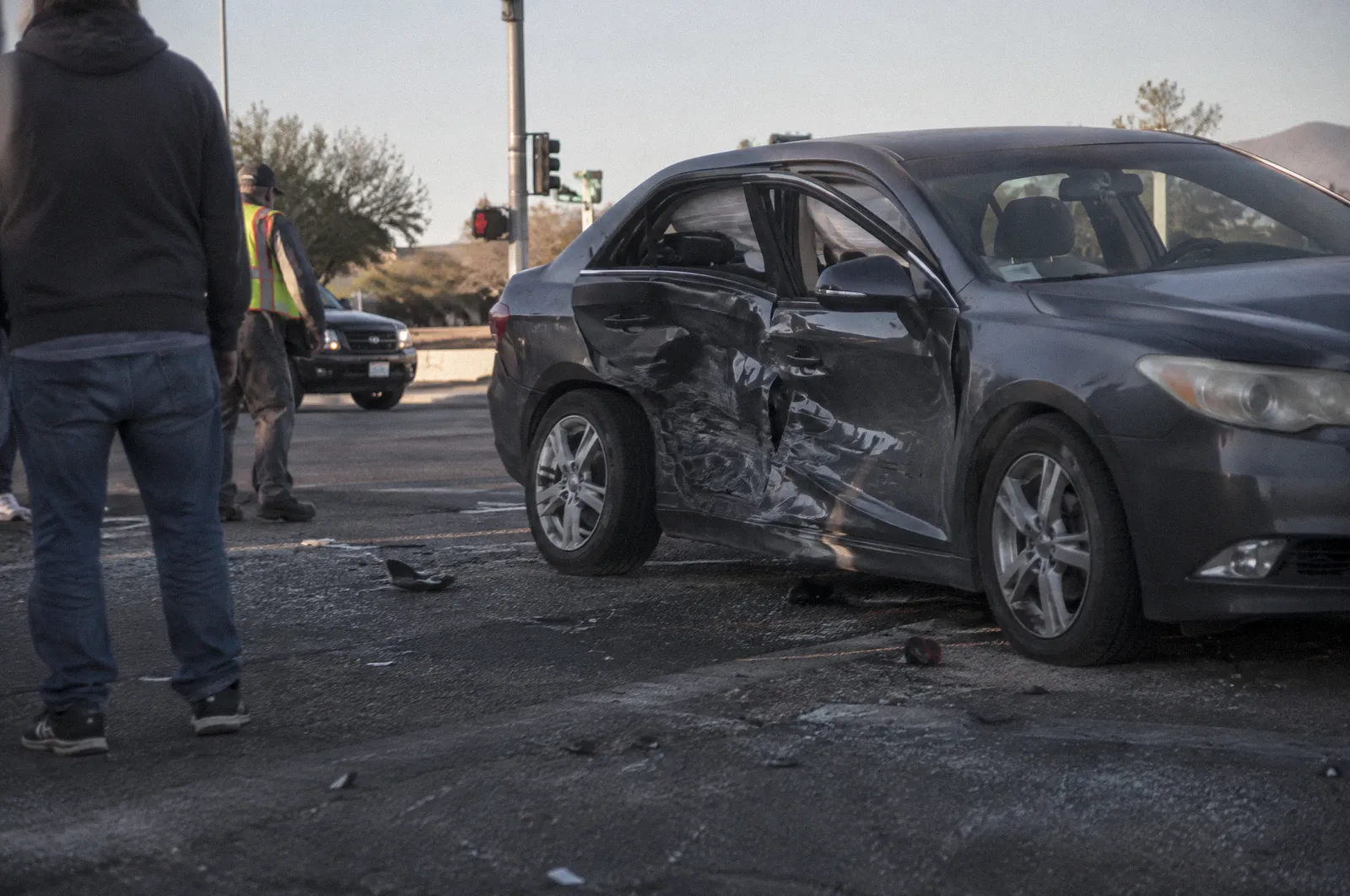
- Vehicle damage patterns that show the angle and force of the impact.
- The police report, and signal timing records where they exist.
What to Do After a Crash at an Intersection
These steps protect your health and your claim. Take them in order, and only as far as is safe.
- 1
Call 911 and ask for medical help if anyone is hurt.
A police report creates the first official record of the location, the drivers and the officer’s observations.
- 2
Tell the officer what you saw.
If you believe you were not at fault, make sure you explain this to the officer, calmly and in plain facts. Do not guess about speeds or distances.
- 3
Photograph the scene, if safely possible, before any vehicle is moved.
Capture the signals, signs, skid marks, debris, lane positions and the damage to every vehicle.
- 4
Collect witness details.
A neutral person who saw the light change is often the most valuable evidence in an intersection case.
- 5
Get checked by a medical professional.
Adrenaline hides pain. A visit creates a dated record that connects your injuries to the crash.
- 6
Be careful about agreeing to a recorded statement.
You are not required to give one to the other driver’s insurance company, and an early answer can be used against you later.
Running a Red Light Accident and Other Common Causes of Intersection Crashes
Most of these crashes trace back to a handful of driver choices. Naming the cause early shapes the evidence we look for.
- Running a red light
A running a red light accident usually comes down to timing. Signal timing records, nearby video and witness accounts often decide whether a driver entered on red, late yellow or green.
- Rolling through or missing a stop sign
A driver who treats a stop sign as a suggestion can enter the path of cross traffic with no warning at all.
- Distracted driving
A glance at a phone near an intersection is enough to miss a signal change or a car that has already started through.
- Speeding through a yellow light
A driver rushing to beat a light has less time to react and hits harder when a crash happens.
- Blocked sight lines and glare
Parked vehicles, landscaping, monsoon rain and low sun in the Valley can hide oncoming traffic until it is too late. These conditions explain a crash but do not always excuse the driver.
Injuries and Losses After an Intersection Crash
Because intersection impacts tend to come from the side or at an angle, the injuries are often different from a rear-end crash. These are some of the injuries we see.
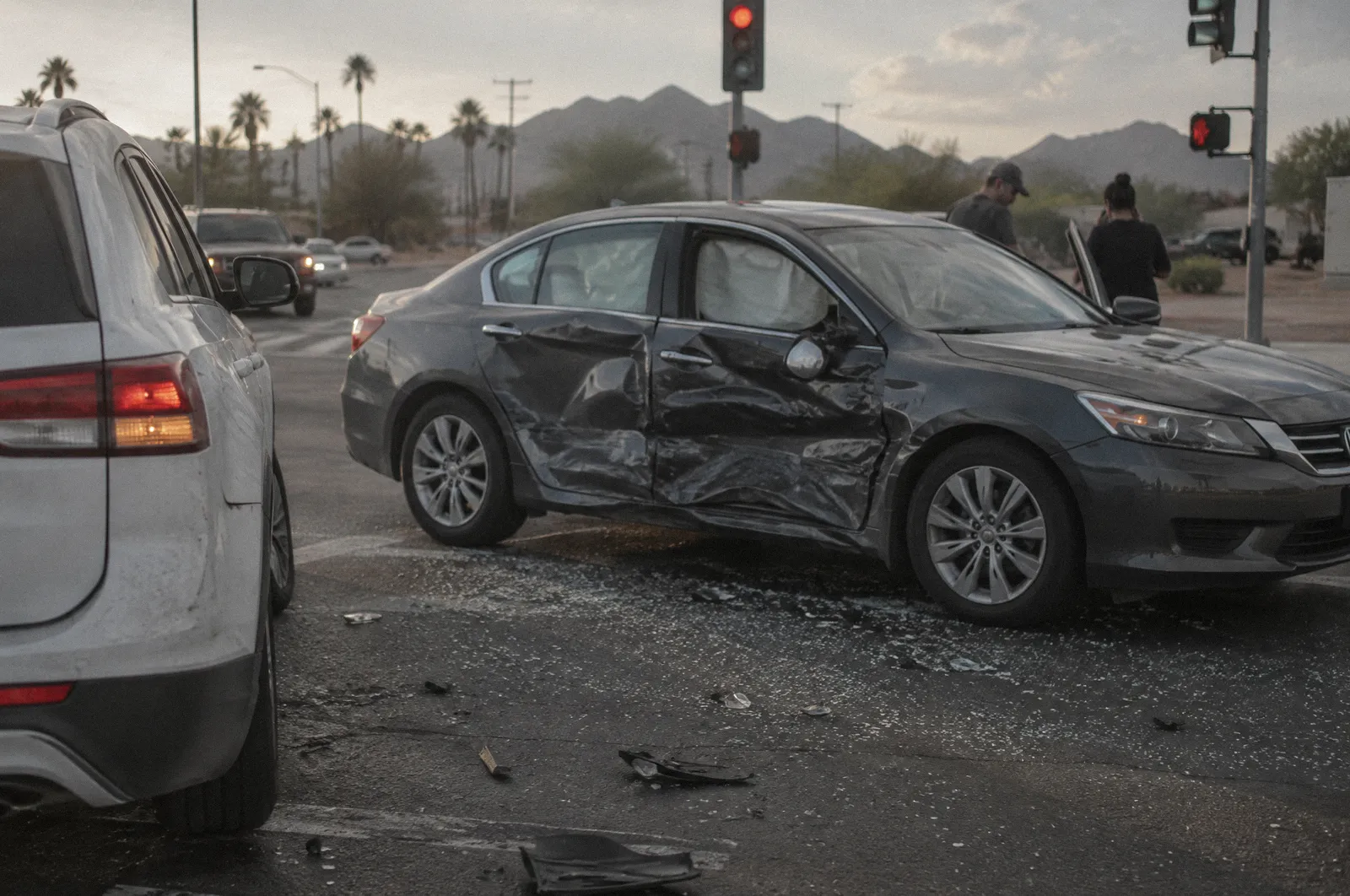
- Neck and back injuries
Sudden side or angled force can strain the neck and spine. Symptoms sometimes appear a day or two after the crash. Read more about a whiplash injury claim in Arizona or back and neck injuries.
- Broken bones
Arms, ribs, hips and legs are exposed when a vehicle is struck at an angle. See our page on broken bone injury claims.
- Head injuries
Head contact with the window, pillar or steering wheel can cause a concussion or a more serious brain injury. Learn how we approach a brain injury claim in Scottsdale.
- Financial and personal losses
A claim can include medical bills, future treatment, lost wages, and pain, suffering and loss of enjoyment of daily life. Arizona imposes no statutory cap on personal injury damages (Ariz. Const. art. 2 sec. 31).
Deadlines That Can Come Sooner Than You Expect
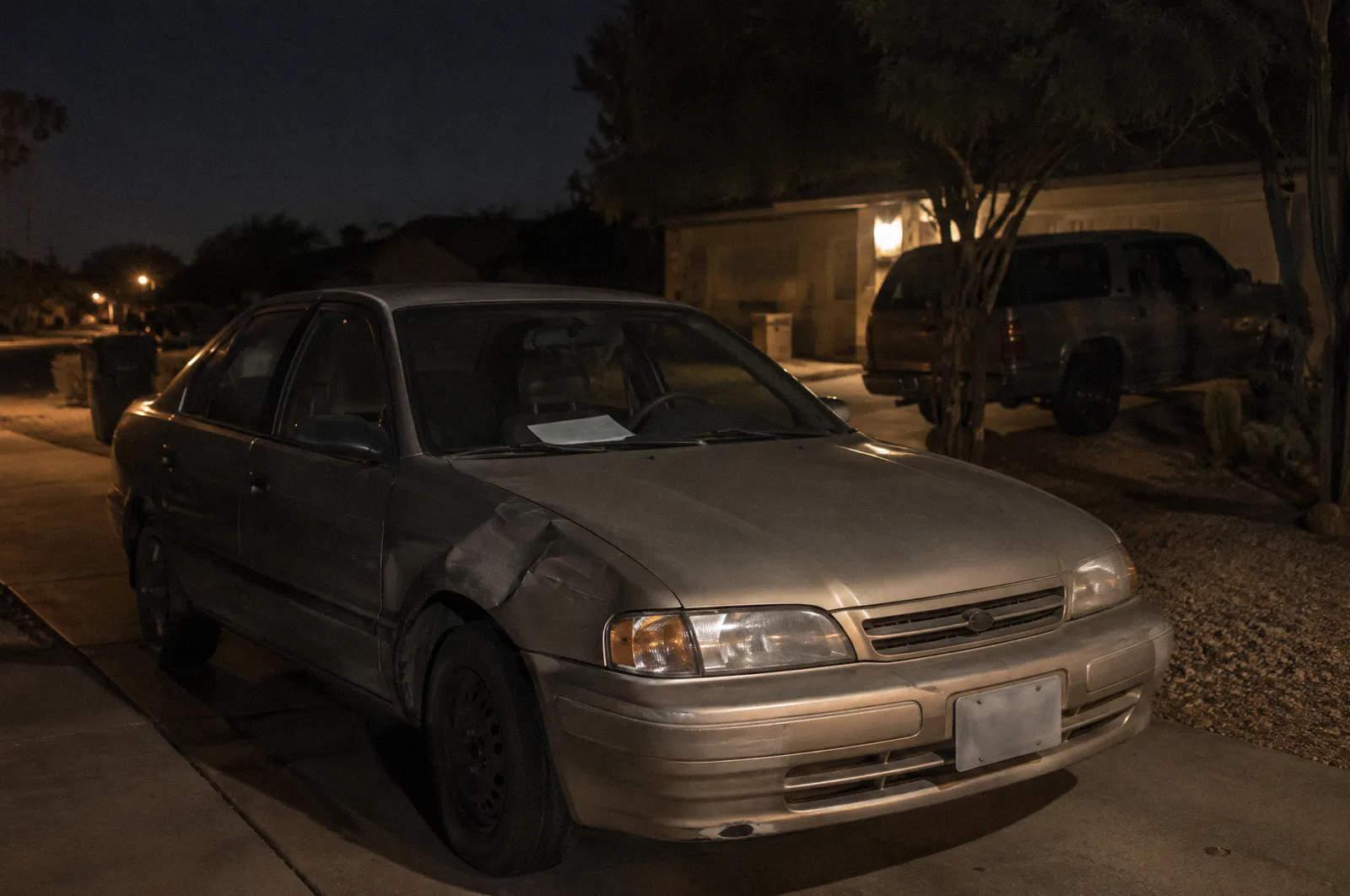
Most injury claims in Arizona must be filed within two years of the crash under A.R.S. 12-542, and missing that deadline will under most circumstances close your case permanently. If a government vehicle was involved, or a road or signal defect may have played a part, the rules are shorter: a notice of claim within 180 days (A.R.S. 12-821.01) and a lawsuit within one year (A.R.S. 12-821). These rules have exceptions, so call us and we will explain how they apply to you. Our guide to the Arizona statute of limitations walks through the common ones.
Working with an Intersection Accident Lawyer in Scottsdale
An intersection claim is usually won or lost on evidence gathered in the first days after the crash, before video is overwritten and memories fade. Valley Accident Law offers a free case review so you can understand your options before you decide anything. You pay no attorney fee unless we recover money for you.
If you are searching for an intersection accident attorney, you want someone who will read the report, look at the scene and explain what the insurance company is likely to argue. Our experienced and friendly attorney will explain your legal rights, including how comparative fault could affect your claim and what the insurance minimums in Arizona mean if the other driver carried very little coverage. The earlier you call, the better, but it’s never too late to find out your legal rights.
Related pages
Statewide guide
Types of car accident claims
Questions
Questions about Scottsdale intersection accident cases
How long do I have to file a claim after an intersection crash?
In most cases Arizona gives you two years from the date of the crash (A.R.S. 12-542). If a government vehicle or a government employee was involved, a notice of claim is due within 180 days (A.R.S. 12-821.01). These deadlines have exceptions, so it is best to talk with an attorney well before they run.
What if the other driver says they had the green light too?
This happens often. It is why witnesses, nearby video, signal timing records and the physical damage matter so much. Under Arizona’s pure comparative fault rule, a dispute over blame does not necessarily end your claim, because your recovery is reduced by your share of fault rather than barred.
Can I still recover if I was partly at fault?
Often, yes. Arizona does not have a 50 percent bar. Your compensation is reduced by the percentage of fault assigned to you (A.R.S. 12-2505). Insurance companies and attorneys often negotiate that percentage, so how the facts are presented matters.
Does a malfunctioning traffic signal change my claim?
It can. If a signal may have malfunctioned, the claim may involve a government entity, which brings shorter deadlines and special notice rules. Do not wait to find out. Call us and we will explain how those rules may apply to you.
What if I had no or seemingly minor symptoms after the crash?
Adrenaline can hide pain, and symptoms often show up a day or two later. Getting checked creates a record that links the crash to your injuries. You can also call us to talk through your options before you agree to anything with an insurance company.
Do I have to give the other insurance company a recorded statement?
No. You are not required to agree to a recorded statement with the other driver’s insurer. Early answers can be taken out of context, so many people choose to speak with an attorney first.
Free case review
Talk to Us About Your Intersection Crash
Call (602) 584-8054 or request your free case review. We will explain your legal rights and what we see in your facts. The earlier you call, the better, but it’s never too late to find out your legal rights.
Call any time. Office visits Monday to Friday, 9 to 5.
Thank you, we’ve received your request.
A member of our team will reach out shortly. If your matter is urgent, call us now at (602) 584-8054.