
Scottsdale Brain Injury Attorney
Traumatic Brain Injury Attorney in Scottsdale, Serving Phoenix
A brain injury attorney in Scottsdale can explain your legal rights while you focus on treatment, before an insurance company shapes the story of your injury. Valley Accident Law represents Arizonans with brain injuries from crashes and falls across the Phoenix metro. Most Arizona injury claims must be filed within two years, and symptoms can appear hours or days after the injury, so early documentation matters.
- Filing deadline
- 2 years from the injury
- A.R.S. 12-542(1)
- Government vehicle or employee
- Notice of claim within 180 days
- A.R.S. 12-821.01
- Fault rule
- Pure comparative fault, no percentage bar
- A.R.S. 12-2505
- Damage caps
- No caps on personal injury or death damages
- Ariz. Const. art. 2 sec. 31; art. 18 sec. 6
Brain Injury Attorney in Scottsdale: A Brain Injury Is a Lifetime Injury
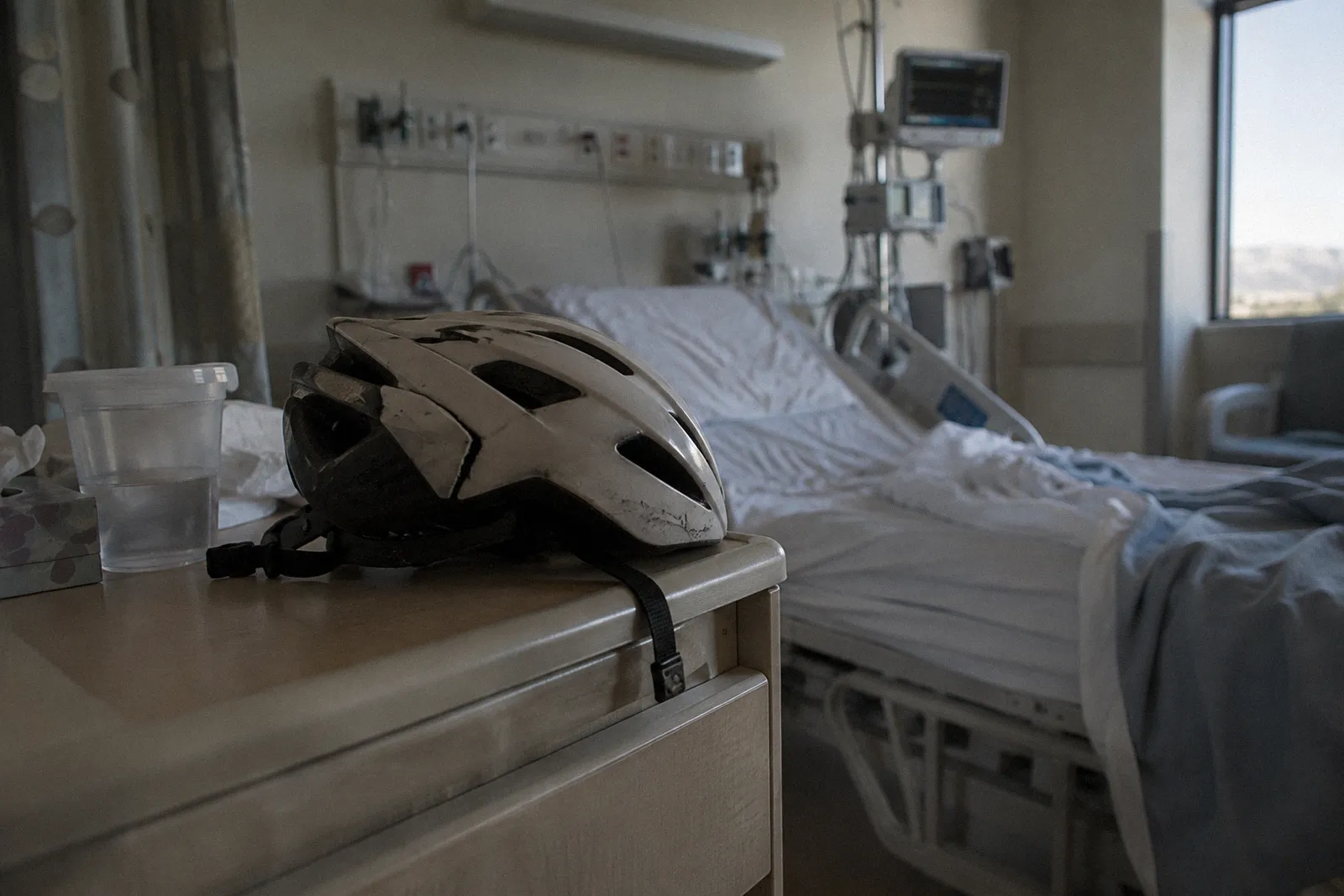
A traumatic brain injury can change how a person thinks, works, and relates to the people they love, sometimes permanently. These are among the most serious cases we handle, and they are also among the most contested, because insurance companies know how expensive a lifetime of care can be. For how these claims work across the rest of the state, see our brain injury lawyer in Arizona page.
Valley Accident Law represents Arizonans with brain injuries from crashes and falls across the Phoenix metro. Founder Charles Paglialunga has 32 years of Arizona accident experience. If you are searching for a brain injury lawyer near me after a crash, you can start with a free case review and learn where you stand.
Traumatic brain injury in Scottsdale, AZ and across the valley is a case type we take seriously. Anyone choosing a brain injury lawyer in Arizona should look for someone who understands both the medicine and the way insurers contest it. A TBI lawyer in Arizona should be ready to bring that to your claim.
Types of Traumatic Brain Injury
Brain injuries range widely in how they present and how they are proven:
- Concussion and repeated concussions,
which can have lasting effects even when imaging looks normal
- Contusion,
a bruise on the brain tissue
- Diffuse axonal injury
from the brain twisting inside the skull
- Penetrating injury
from an object entering the skull
- Anoxic injury
from loss of oxygen
Recognizing Symptoms After a Head Injury in a Crash
Symptoms can appear hours or days after the injury, which is one reason a prompt medical evaluation matters so much. Symptoms of a traumatic brain injury do not always appear at the scene. Some people feel fine immediately after the collision and notice problems only days or weeks later. That delay can be dangerous both medically and legally, because it creates gaps in the documentation that insurance adjusters use to question whether the crash caused the injury. Symptoms to watch for include:
- Persistent headaches or pressure inside the head
- Memory loss, confusion, or disorientation about the events of the crash
- Sensitivity to light or sound
- Trouble concentrating or making decisions
- Mood changes, irritability, or unexplained depression or anxiety
- Nausea, vomiting, or dizziness
- Sleep disruption, sleeping far more or far less than normal
When Symptoms Are Severe or Imaging Looks Normal
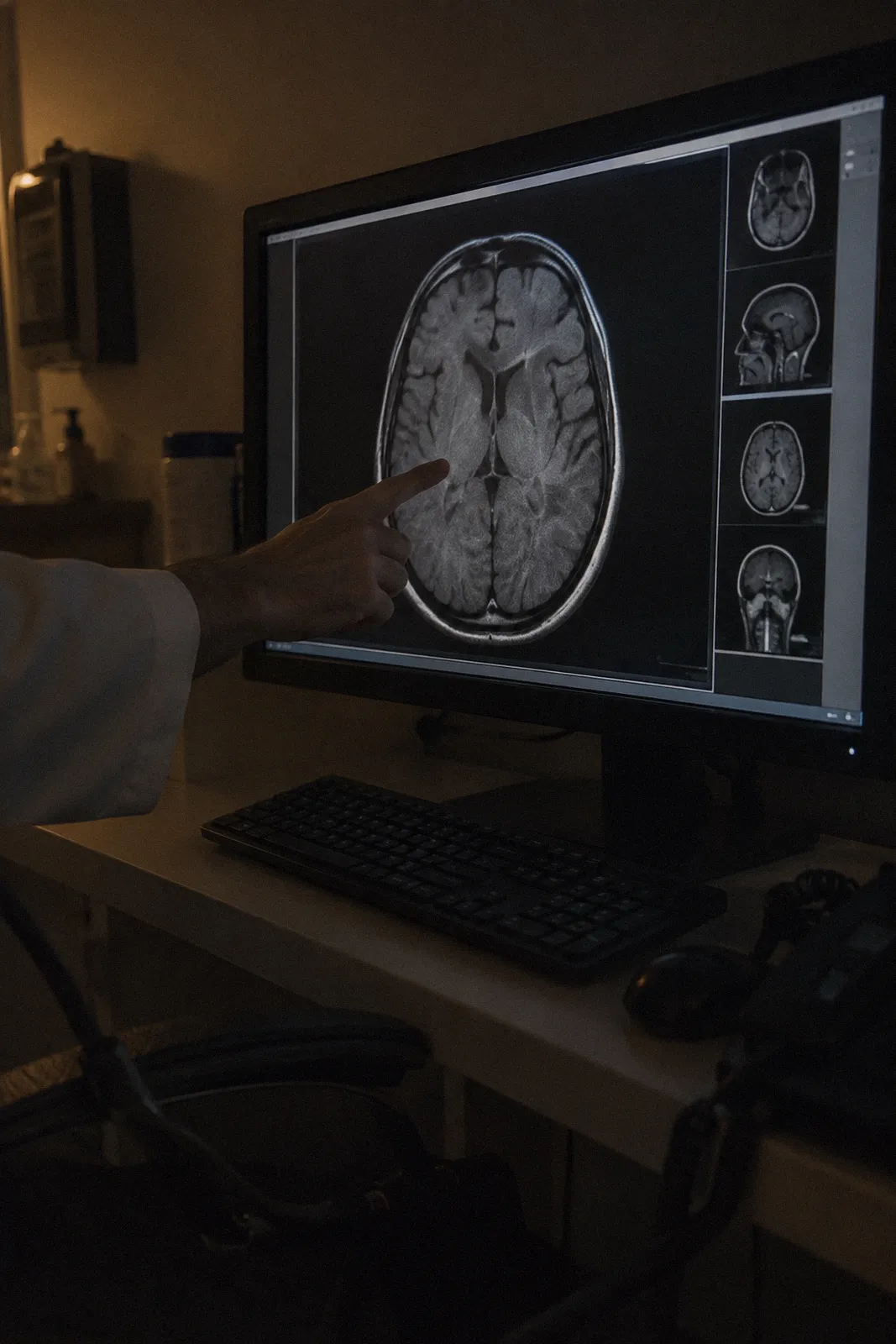
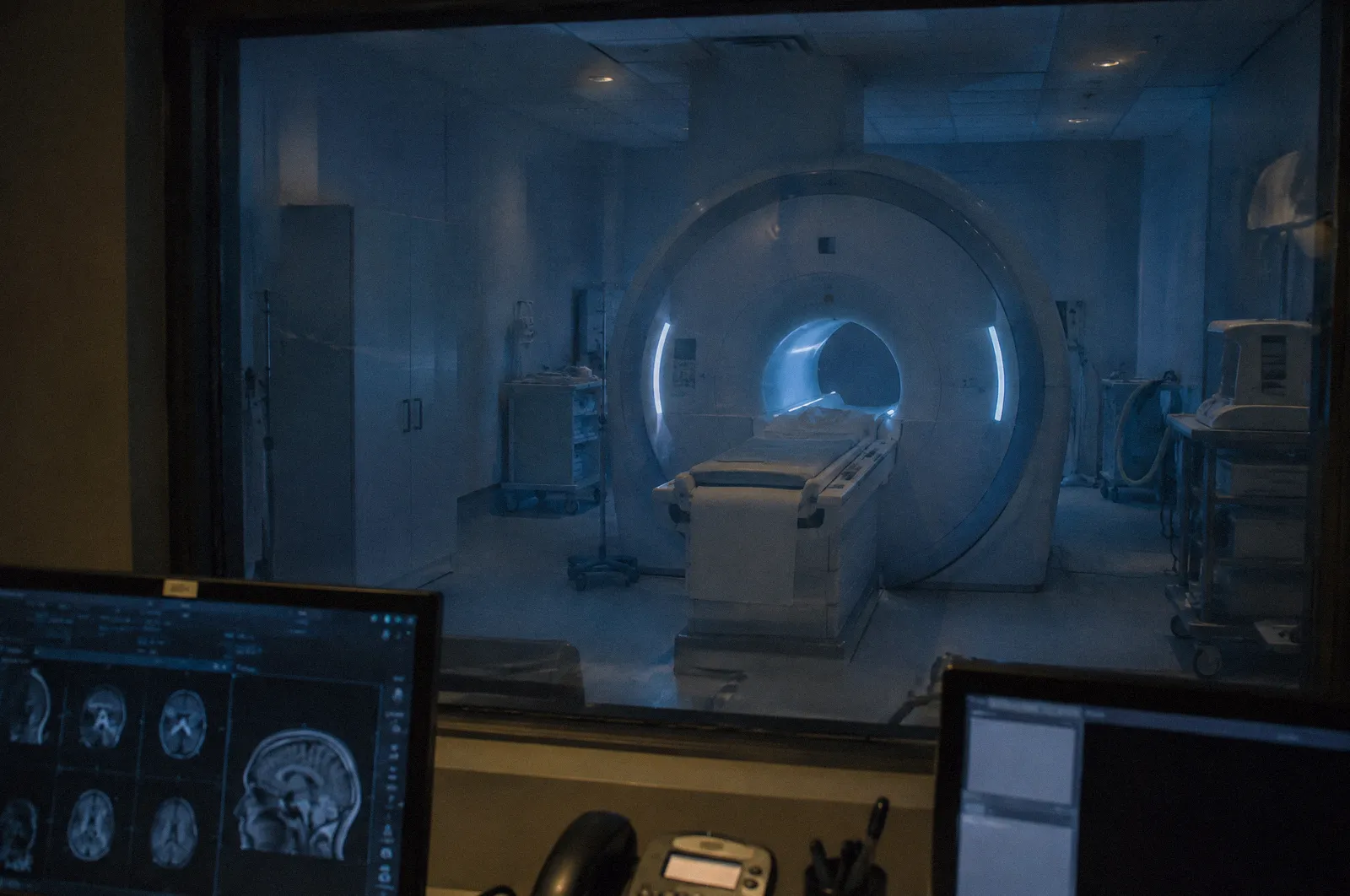
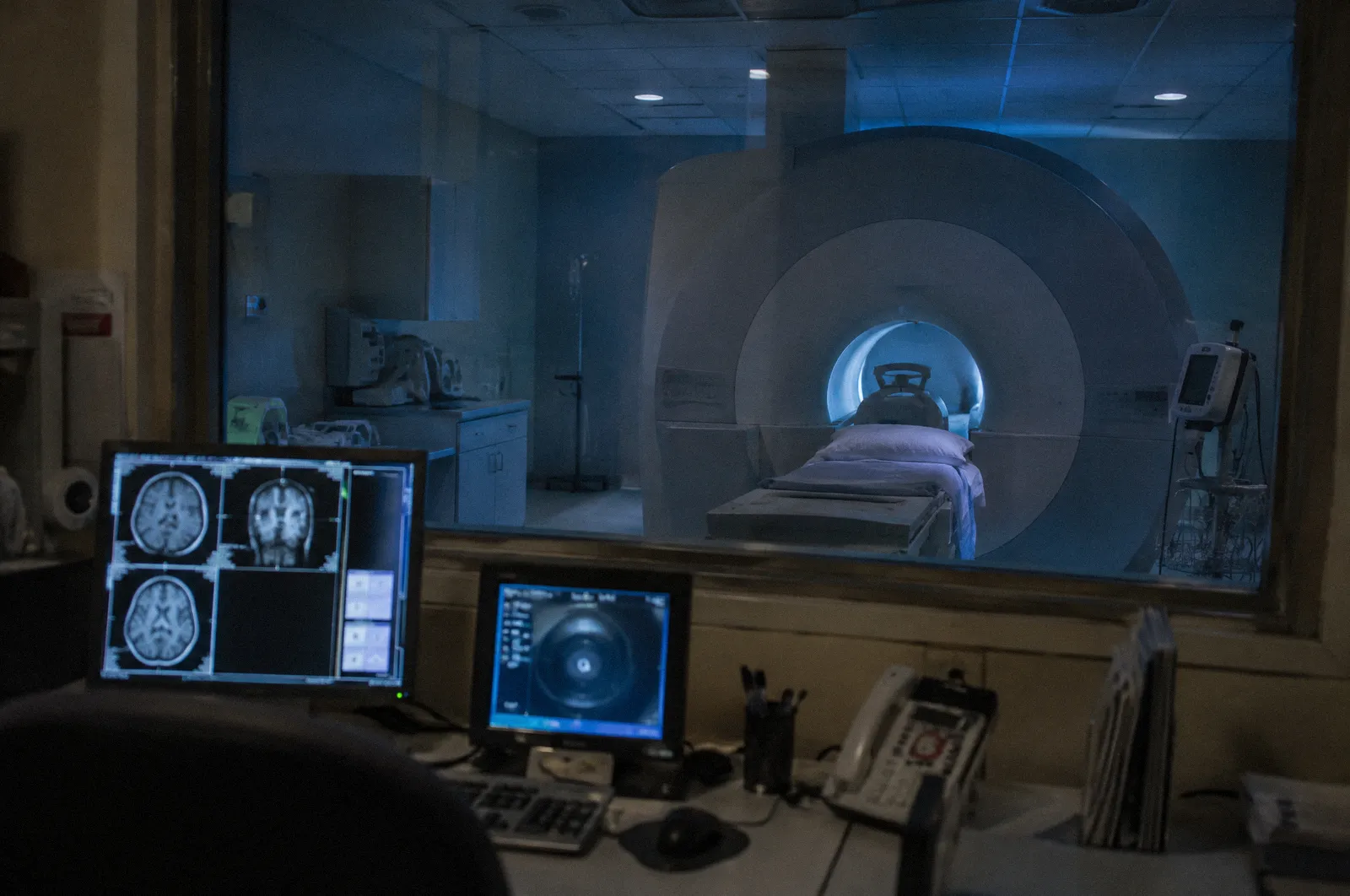
Severe traumatic brain injuries can produce loss of consciousness, seizures, slurred speech, or one-sided physical weakness. Diffuse axonal injury, a pattern of widespread brain damage caused by rapid rotational force, often does not appear on a standard CT scan and requires an MRI for proper detection. If you experience any of these symptoms after a car accident, see a physician right away. That visit creates a medical record connecting your symptoms to the crash, which is foundational evidence in any brain injury claim.
How Car Accidents Cause Traumatic Brain Injuries
Traumatic brain injury car accident cases are among the most serious personal injury claims in Arizona. If you or someone you love suffered a head injury in a crash, the decisions you make in the weeks following can significantly affect what you recover. These cases are legally and medically complex, and the stakes are high.
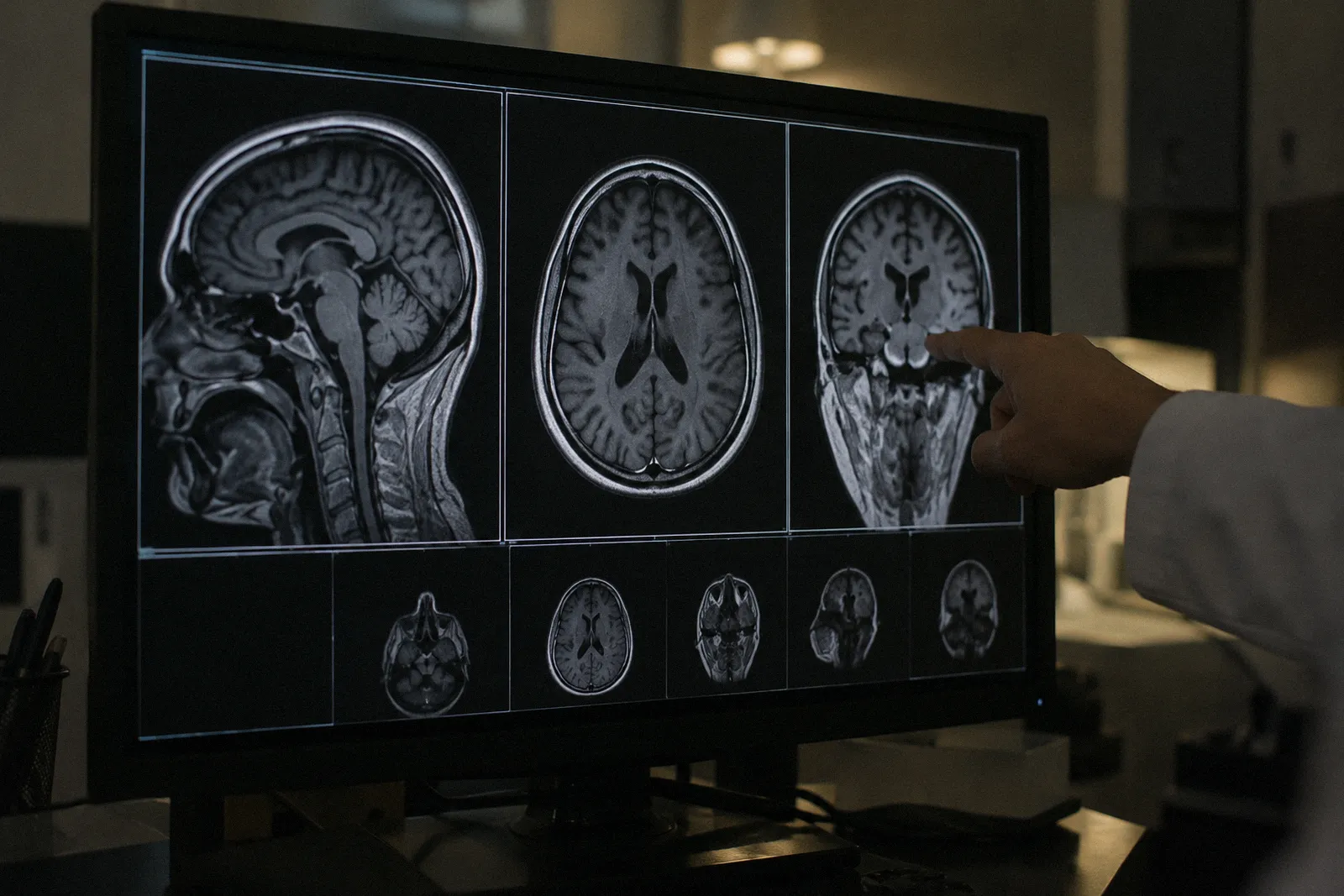
Motor vehicle collisions produce sudden, violent forces that the human brain is not built to absorb. When a driver or passenger's head strikes a steering wheel, dashboard, or window, or when the crash forces the brain to shift rapidly inside the skull without any direct contact, a traumatic brain injury can result. The second type, a closed head injury, is particularly common in rear-end crashes and side-impact collisions. The brain floats in cerebrospinal fluid inside the skull. A sudden stop or abrupt acceleration causes the brain to move and strike the skull's inner walls. That impact tears nerve fibers, bruises brain tissue, and can trigger bleeding or dangerous swelling.
According to the Centers for Disease Control and Prevention (CDC, Morbidity and Mortality Weekly Report, 2021, using 2018 data), motor vehicle crashes were the second most common cause of nonfatal TBI-related hospitalizations in the United States, after falls. Even crashes that seem minor can produce significant brain damage. Arizona's major corridors, including Interstate 10 through Phoenix and State Route 101 through Scottsdale, carry heavy, fast traffic, and many crashes there involve the rapid deceleration forces that lead to traumatic brain injuries.
Many of our brain injury clients were hurt in car accidents, motorcycle crashes, truck collisions, pedestrian accidents, and bicycle accidents. When the injury is catastrophic or fatal, we also handle the related wrongful death claim.
Step by step
What It Takes to Prove Liability in Traumatic Brain Injury Car Accident Cases
Arizona follows a pure comparative fault rule under A.R.S. Section 12-2505. Your compensation is reduced in proportion to your own share of fault, but you are not barred from recovery even if you were partly responsible for the crash. In traumatic brain injury car accident cases, proving the other driver's negligence requires establishing four elements:
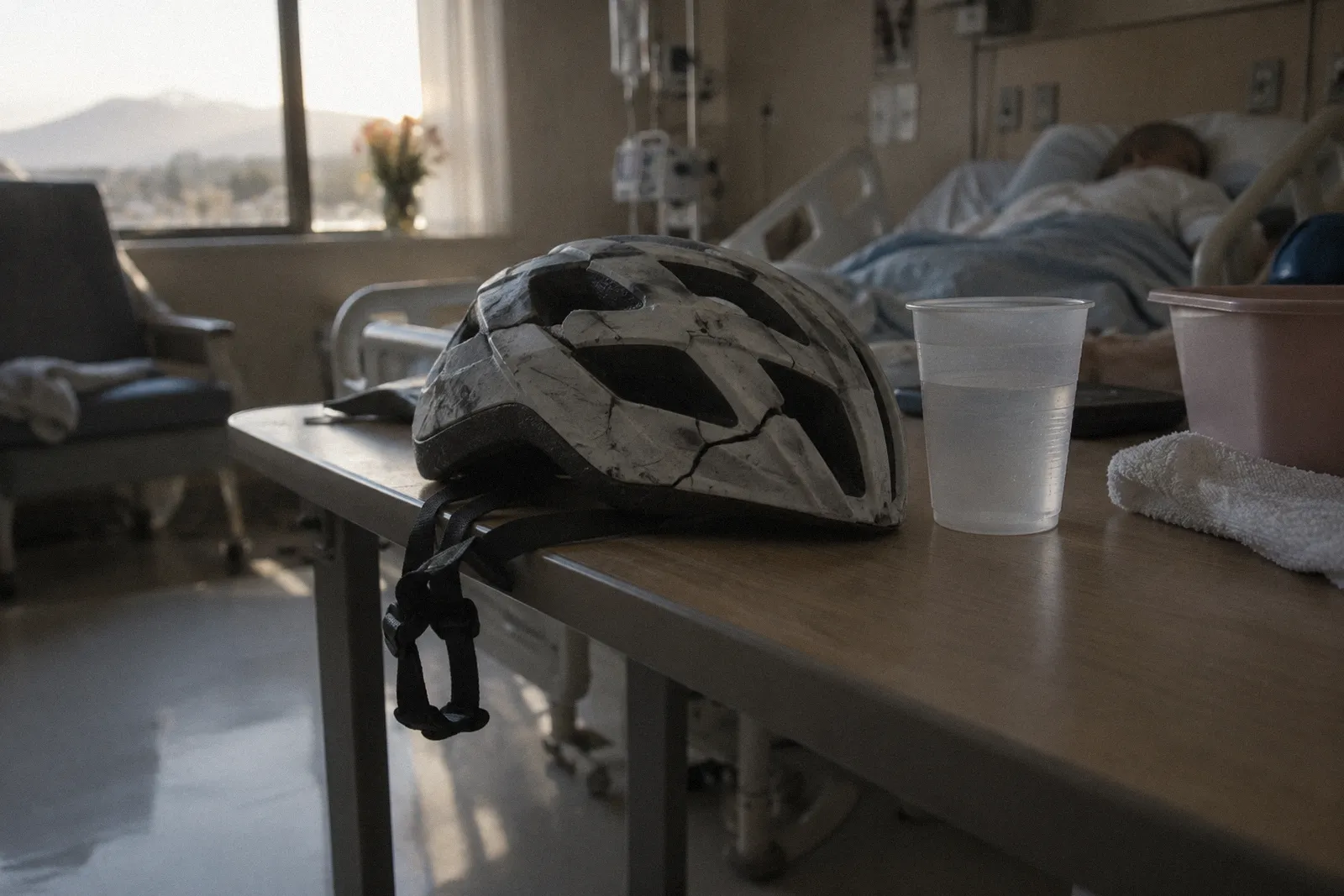
- 1
Duty:
The at-fault driver owed a legal duty of care to others on the road.
- 2
Breach:
The driver violated that duty through speeding, distracted driving, running a red light, or other negligent conduct.
- 3
Causation:
The breach directly caused the crash and the resulting brain injuries.
- 4
Damages:
You suffered real, measurable losses because of those brain injuries.
How Fault and Evidence Work in a Brain Injury Claim
Evidence typically includes police reports, scene photographs, witness statements, traffic camera footage, and complete medical records documenting the head injury and its progression. Neurologists, neuropsychologists, and accident reconstruction specialists frequently serve as expert witnesses in these cases, connecting the crash mechanics to the documented brain damage.
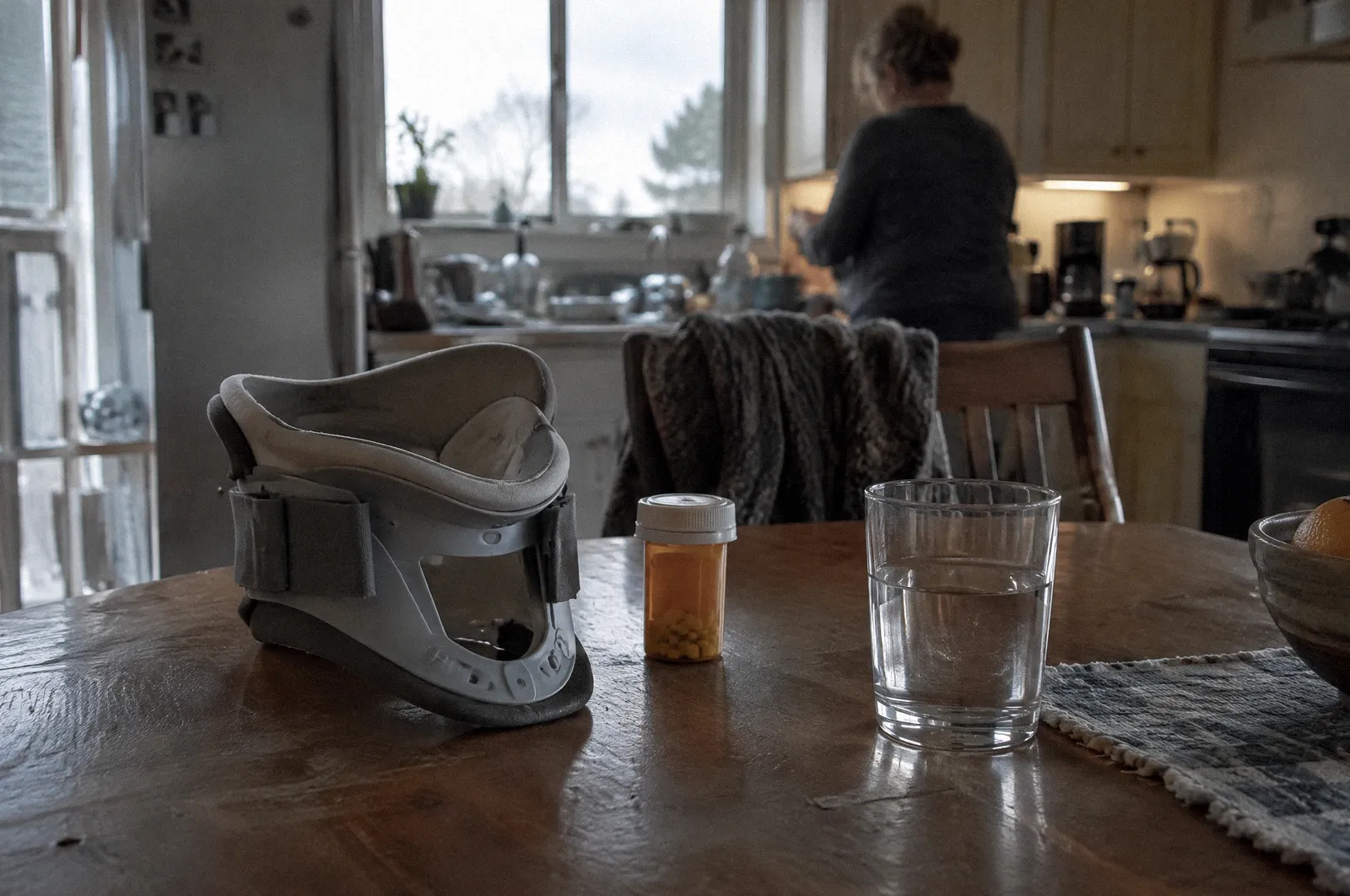
Arizona uses a comparative fault system, so the amount you recover can be reduced by the percentage of fault assigned to you, but you are not barred from recovering just because you share some blame for the crash. Insurance companies and attorneys often negotiate the percentage of fault, so it helps to understand comparative negligence early. Fault is generally established through the police report, witness statements, photos from the scene, and in some cases accident reconstruction.
Because a traumatic brain injury is not always visible in an X-ray or an early CT scan, medical evidence carries even more weight than in an ordinary injury case: neurological exams, neuropsychological testing, and a treating physician's notes over time. Insurance adjusters know this, and they will often push for a quick, low settlement before the full extent of a brain injury is understood. Expect the claims process to move slowly while your treatment continues, and expect the insurer to ask for records, statements, and sometimes an independent medical exam.
Why Brain Injury Cases Are Worth More
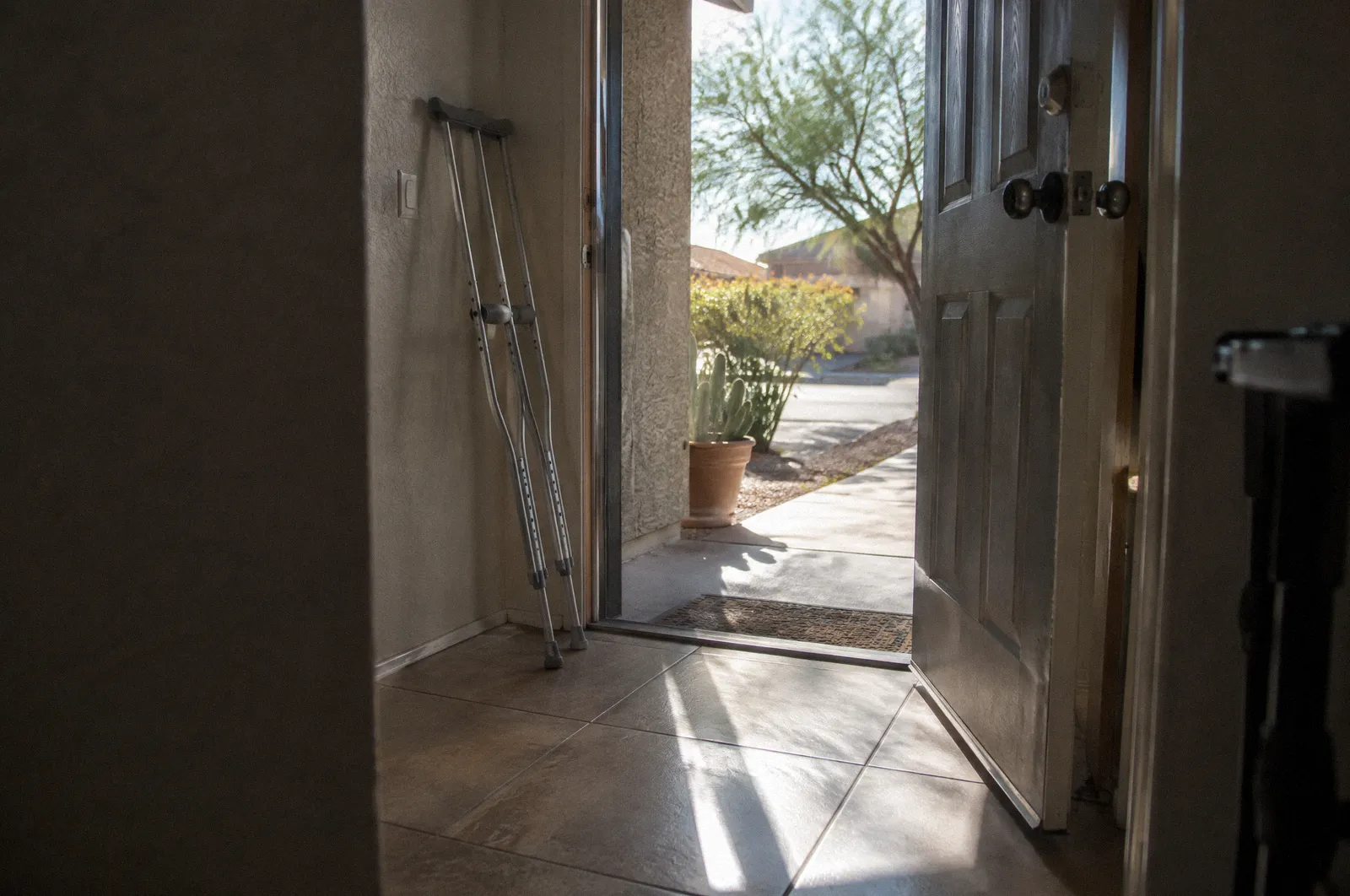
The largest category in a serious brain injury case is usually future care: ongoing treatment, therapy, attendant care, lost earning capacity, and home modifications. We work with medical and life-care professionals to document the full lifetime cost, rather than accepting an offer that only covers the bills paid so far. Arizona does not cap personal injury or death damages, so the value of a claim depends on the evidence.
Damages Available in Traumatic Brain Injury Car Accident Cases
Compensation in these cases covers both economic and non-economic losses. In cases involving serious misconduct, such as a drunk driver or someone who fled the scene, punitive damages may also be available under Arizona law, which requires clear and convincing evidence of an "evil mind." Every traumatic brain injury car accident case is fact-specific, and recoverable damages depend on the strength of the evidence, the severity of brain damage, and how thoroughly the long-term effects are documented.
Economic damages represent concrete financial costs:
- Emergency care, hospitalization, and imaging
- Specialist visits and neuropsychological testing
- Physical, occupational, and cognitive rehabilitation
- Lost wages during recovery
- Reduced earning capacity if the injury limits your ability to work long-term
- Future medical expenses, including in-home care if needed
Non-economic damages address the personal toll:
- Physical pain and suffering
- Emotional distress, anxiety, and post-traumatic stress
- Loss of enjoyment in activities you could do before the crash
- Effect on your relationships and family life

How Insurance Companies Respond to Brain Injury Claims
An insurance company's primary objective is to close claims at the lowest possible cost. Brain injury claims are expensive, and adjusters know it. Common tactics include asking you to give a recorded statement early in the process, before you fully understand your symptoms or prognosis, and offering a quick settlement before the long-term effects of the traumatic brain injury become clear.
You should not speak to the at-fault driver's insurance company without legal counsel. Any statement you make can be used to minimize your claim. You should also think carefully before accepting any early settlement in a brain injury case. Cognitive difficulties, personality changes, reduced work capacity, and the need for long-term medical care may not be fully apparent in the first weeks after the crash. Once you accept a settlement, you cannot return for additional compensation, even if your condition worsens. Valley Accident Law manages all contact with the insurance company on behalf of injured clients.
For more on how Arizona law treats serious crash injuries, see our overview of car accidents and the recovery process, or our guide to talking to insurance adjusters.
The Two-Year Deadline
Most Arizona injury claims must be filed within two years, with a much shorter 180-day notice window for claims involving a government entity. Early documentation is especially important in brain injury cases. These rules have exceptions, so call us and we will explain how they apply to you.
2 years
Injury claim against a private party
Arizona's personal injury statute of limitations is two years from the date of the crash under A.R.S. 12-542. Missing this deadline will under most circumstances close your case permanently. See our Arizona statute of limitations guide.
180 days
Notice of claim, government entity
If the at-fault driver was a government employee or a government vehicle was involved, notice requirements may be as short as 180 days under A.R.S. 12-821.01, and a lawsuit against a public entity must follow within 1 year after the claim accrues (A.R.S. 12-821). Do not wait to consult an attorney after any serious crash.
Until age 18
Injured minors
For a child, the limitations period is tolled until age 18, and then the normal period runs (A.R.S. 12-502). If the claim is against a public entity, a child's deadlines are paused until age 18: the notice of claim is due within 180 days after the 18th birthday and the lawsuit within one year after it (A.R.S. 12-821.01(D); 12-502). The parents' own claim for medical bills they paid is not paused, and their notice of claim is due within 180 days of the injury, so families should not wait. Call us about your child's situation.
What to Expect From a Brain Injury Attorney in Scottsdale
If you or someone you love is showing signs of a brain injury after a crash or fall, seeing a doctor should come before anything else, even if the emergency room already cleared you. Symptoms like confusion, headaches, memory trouble, or mood changes can surface later, and a documented evaluation close to the date of injury strengthens your claim.

Once you are safe and under care, reach out to us. As a brain injury attorney in Scottsdale, our firm will review the police report, gather your medical records, and start building the file the insurance company will eventually have to answer to. A free case review carries no obligation to move forward. We are simply here to answer your questions and help you understand where you stand.
Working with Valley Accident Law starts with a free case review. You pay no attorney fee unless we recover money for you. Valley Accident Law has handled traumatic brain injury car accident cases for clients across the Phoenix metro, including Scottsdale, Tempe, Mesa, and Chandler. If you or a family member suffered a brain injury in an Arizona crash, start with a free case review and get clear answers from an attorney with 32 years of experience fighting for injured people in this state. If a concussion is the main concern, a Scottsdale concussion attorney can review your records and explain the next step. A concussion lawyer will also ask how the symptoms have affected your work and daily life.
Arizona
Brain Injury Help in Other Valley Cities
We are based in Scottsdale and also help people hurt in these Valley cities. Each city page covers the local roads, courts and police agencies that matter to a claim there.
Related pages
Questions
Questions about Scottsdale brain injury cases
My scans looked normal. Do I still have a case?
Possibly. Concussions and milder brain injuries can have real, lasting effects that standard imaging does not show. A proper evaluation matters.
How does an attorney prove brain damage when imaging looks normal?
Standard CT scans miss many forms of brain damage. Neuropsychological testing documents cognitive deficits in memory, processing speed, attention, and executive function that do not appear on imaging. Advanced techniques like diffusion tensor imaging can reveal structural damage in white matter tracts invisible on routine scans. Neuropsychologists and neurologists serve as expert witnesses to explain how significant brain damage can coexist with a normal CT result.
What does it mean if the emergency room called my brain injury mild?
In clinical terms, mild describes the level of initial presentation: loss of consciousness under 30 minutes and a Glasgow Coma Scale score of 13 to 15 on arrival. It does not predict long-term outcome. Mild traumatic brain injuries regularly produce lasting problems with memory, concentration, mood, and work performance. A personal injury claim can account for those long-term effects regardless of the initial severity classification.
Why are brain injury cases worth more?
Because the future cost of care, therapy, and lost earning capacity is often far larger than the bills paid so far. We document the full lifetime cost.
How long do I have to file?
Generally two years in Arizona, and only 180 days to notice a claim against a government entity. Arizona's personal injury statute of limitations is two years from the date of the crash under A.R.S. 12-542. If the at-fault driver was a government employee or a government vehicle was involved, notice requirements may be as short as 180 days. Do not wait to consult an attorney after any serious crash.
Can I recover compensation if I did not go to the hospital right after the crash?
Yes, but a gap in treatment creates a challenge. Insurance adjusters argue that a serious brain injury would have prompted immediate care. A physician can document that TBI symptoms often emerge gradually, which is well-supported in medical literature, but your attorney must address the gap directly. Delayed treatment does not disqualify your claim, but it requires careful handling of both the medical and legal record.
What does it cost?
You pay no attorney fee unless we recover money for you. Your first case review is free.
What if I was partly at fault for the accident?
You can generally still recover under Arizona's comparative fault rules, though your recovery may be reduced by your share of fault. Fault is often disputed in brain injury cases, so a thorough investigation matters. We can help sort out what the evidence actually shows.
What if the other driver did not have enough insurance?
Many Arizona drivers carry only minimal insurance, which can fall short of covering a serious brain injury. The state minimums are $25,000 per person and $50,000 per accident for bodily injury (A.R.S. 28-4009). Your own policy may include underinsured motorist coverage that can help fill the gap. We review every available source of coverage as part of the case.
How soon should I talk to a lawyer after a brain injury?
As soon as you are able to, ideally before you agree to give a recorded statement to any insurance company. Early involvement helps make sure evidence is preserved and that your symptoms are properly documented from the start. Waiting can make some evidence harder to obtain later.
Does Valley Accident Law offer a free case review for brain injury cases?
Yes. Valley Accident Law provides a free case review to injured people and their families at no cost and no obligation. You pay no attorney fee unless we recover money for you. This applies to traumatic brain injuries and all other personal injury matters Valley Accident Law handles across the Phoenix metro.
Will my case have to go to court?
Most personal injury claims in Arizona resolve through negotiation rather than trial. We will walk you through what to expect at each stage.
Can I still work while my claim is going on?
In many cases yes, though a brain injury can affect concentration, memory, or stamina in ways that make work harder than before. Document any changes in your ability to work, since lost earning capacity is often part of the claim. We can talk through how your specific situation may affect your case.
Free case review
Let Us Answer Your Questions and Help With Your Case
If you or a family member suffered a brain injury in an Arizona crash, start with a free case review at Contact or call (602) 584-8054. The earlier you call, the better, but it's never too late to find out your legal rights. Our experienced and friendly attorney will explain your legal rights.
Call any time. Office visits Monday to Friday, 9 to 5.
Thank you, we’ve received your request.
A member of our team will reach out shortly. If your matter is urgent, call us now at (602) 584-8054.