
Arizona Comparative Negligence
Arizona Comparative Negligence: How Shared Fault Reduces Your Recovery
Arizona comparative negligence is a pure system under A.R.S. 12-2505: you can still recover damages after a car accident even when you share some blame, but your payout shrinks by your assigned percentage of fault. There is no cutoff that bars a claim at 50 percent or any other number. Arizona is also an at-fault state, not a no-fault state, so fault is the central question in nearly every claim, and insurance companies and attorneys often negotiate the percentage of fault.
Reviewed by Charles Paglialunga, Esq.
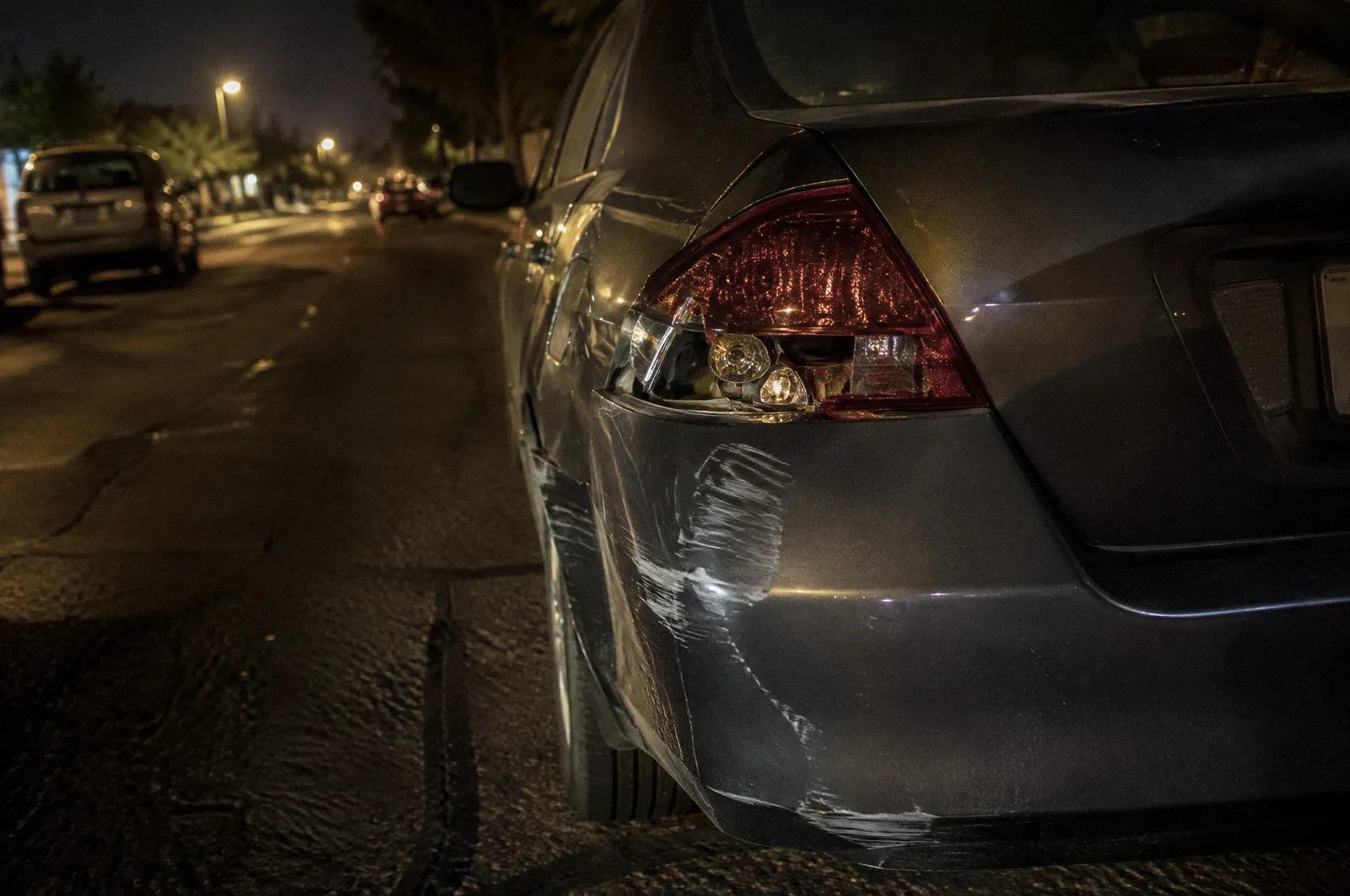
- Fault system
- Pure comparative fault, no percentage bar
- A.R.S. 12-2505
- Several liability
- Generally each defendant pays its own share, with exceptions
- A.R.S. 12-2506
- Car insurance model
- At-fault state, not no-fault
- Fault decides who pays
What Pure Comparative Negligence Means Under Arizona Law
Arizona comparative fault rules and how they reduce settlements follow pure comparative negligence under A.R.S. 12-2505. After a car accident, you can still recover damages even when you share some blame, but your payout shrinks by your assigned percentage fault. Knowing how car accident claims are handled in Arizona helps you protect what you are owed.

Arizona follows a pure comparative negligence standard, codified in A.R.S. § 12-2505, which the legislature adopted to replace the older contributory negligence system. Before that change, an injured person who was even one percent at fault could be barred from all recovery. The pure comparative negligence rule eliminated that harsh outcome.
Under Arizona law, any injured party can recover damages from other at-fault parties, with compensation reduced only by their own percentage fault. A driver found 30 percent responsible for a crash recovers 70 percent of their total losses. A driver found 80 percent at fault recovers 20 percent. There is no cutoff percentage that blocks recovery entirely, which is what distinguishes a pure comparative system from a modified one.
This rule applies across personal injury cases in Arizona, including car accident claims, truck accidents, pedestrian accidents, and motorcycle accidents. Every claim that goes through an insurance negotiation or a courtroom in this state runs through the comparative fault framework.
Comparative fault can also spread across more than two parties. If a third driver, a municipality responsible for a dangerous road condition, or a trucking company also contributed to the collision, fault gets allocated among all of them. Each party’s percentage fault reduces what they owe but does not eliminate liability.
Arizona
Pure Comparative Fault Compared With Modified Comparative Fault
Pure comparative negligence, which Arizona law follows, allows recovery at any fault level up to 100 percent. Other states use a modified version, and the difference decides whether a partly at-fault person recovers anything at all.
Arizona: pure comparative fault
- Recovery is allowed at any fault level short of 100 percent
- Your damages are reduced by your own percentage of fault
- No cutoff percentage blocks the claim (A.R.S. 12-2505)
- A driver found 80 percent at fault still recovers 20 percent of total losses
Modified comparative fault in other states
- Recovery is cut off once a plaintiff’s fault reaches a threshold, typically 50 or 51 percent
- Damages are still reduced by your percentage below the threshold
- One percentage point can decide between some recovery and none
- Not the rule in Arizona, so do not rely on advice written for another state
Is Arizona a No Fault State for Car Accidents?
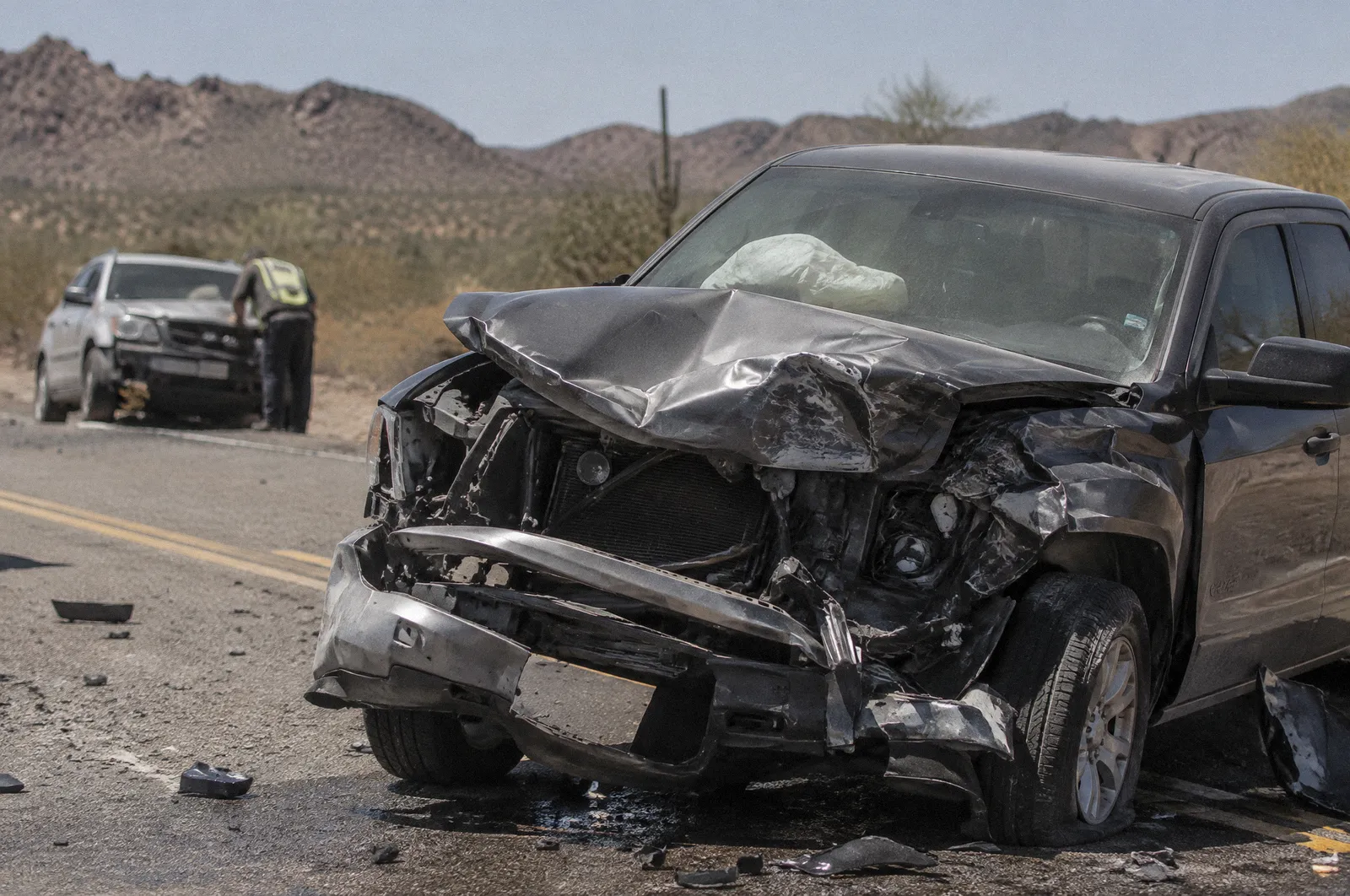
No. Arizona is an at-fault state, which means the driver who caused a crash, and anyone whose negligence contributed to it, is financially responsible for the harm. Each driver’s own insurer does not simply pay regardless of fault, as it would in a no-fault system.
That is why comparative negligence matters so much here. When people ask whether Arizona is a no fault state for car accidents, they are usually really asking who pays and how much, and the answer runs through fault percentages. You can make a claim against the at-fault driver’s insurance company, use your own coverage where it applies, or file a lawsuit. Arizona is also a state where fault can be shared among several parties, and under A.R.S. 12-2506 liability is generally several only, meaning each defendant pays its own share, with exceptions. These rules have exceptions, so call us and we will explain how they apply to you.
How Comparative Fault Changes the Math on a Claim
The arithmetic is direct. These examples use a round $100,000 in total losses purely to show the method. They are not a prediction for any case.
| Your assigned fault | Recovery reduced by | What you recover from $100,000 in total losses |
|---|---|---|
| 0 percent | Nothing | $100,000 |
| 20 percent | 20 percent | $80,000 |
| 30 percent | 30 percent | $70,000 |
| 40 percent | 40 percent | $60,000 |
| 80 percent | 80 percent | $20,000 |
| 100 percent | All of it | Nothing |
Source: Illustration of A.R.S. 12-2505 using round numbers, not a result from any case.
Why Arizona Comparative Fault Rules and How They Reduce Settlements Matter to Your Math
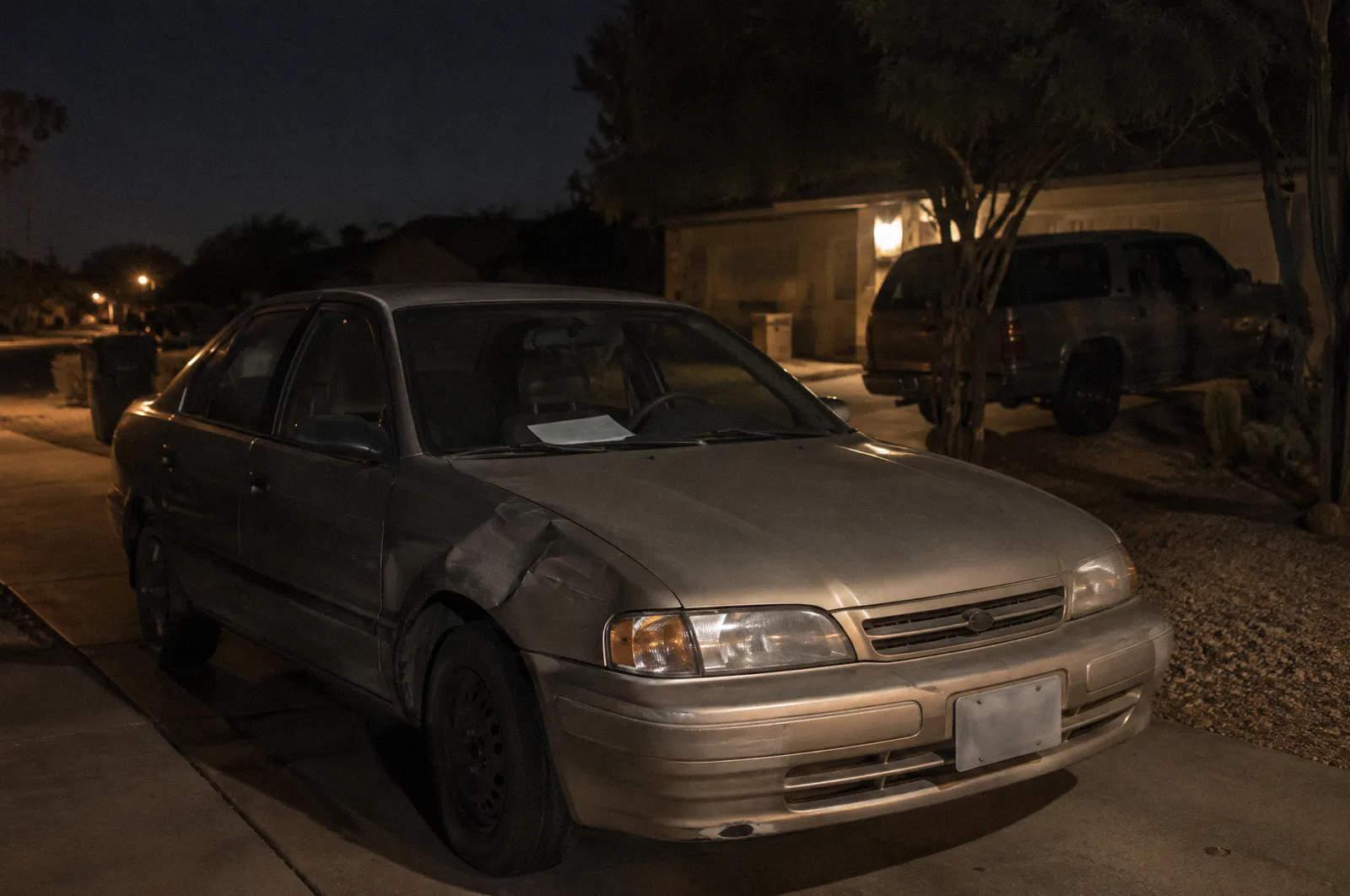
The arithmetic is direct. If your total losses from a car accident are $100,000 and fault is assigned at 20 percent to you, your recovery drops to $80,000. At 40 percent fault, it drops to $60,000. Because Arizona follows pure comparative negligence rather than a modified system, there is no threshold that zeroes out your claim, but every percentage point matters. Insurance companies understand this math completely. A shift of five percentage points on a significant claim can move tens of thousands of dollars from your pocket to theirs. Fault percentages in settlement negotiations are not facts delivered by a neutral party. They are positions taken by the opposing insurer, and they can be challenged. That is where evidence preparation and legal advocacy matter most.
Understanding Personal Injury law in Arizona means recognizing that comparative fault is not fixed. It is argued. Strong police reports, witness statements, and medical treatment records all push back against inflated fault assignments from insurance companies.
How Percentage Fault Gets Assigned After a Car Accident
Fault percentages are built from evidence. The documents and information that shape fault assignment include the following.
- Police reports
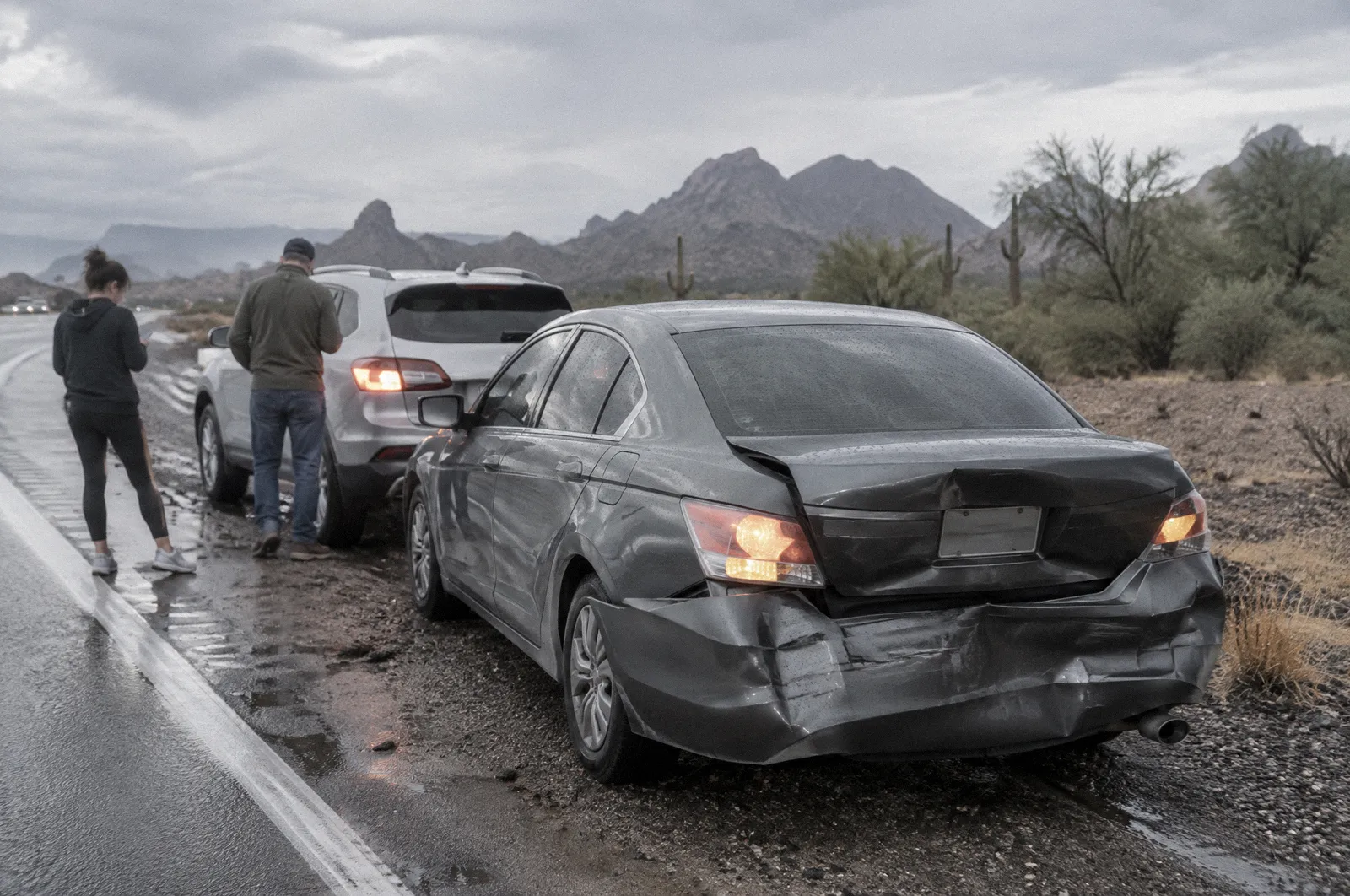
Officers document their observations at the scene, note any traffic code violations, and may assign contributing causes. Insurance companies use police reports as an early benchmark, though the report is not binding on a court or an adjuster. Our guide to getting a police report in Arizona explains how to request yours.
- Witness statements
A neutral bystander who saw the crash without any stake in the outcome carries real weight. Witness statements can corroborate your version of events or identify details you missed.
- Photographs and video
Dashcam footage, traffic camera recordings, and scene photos often resolve disputes that witness accounts leave open.
- Medical treatment records
The timing and nature of your injuries can support or undermine the account of how the accident happened and whether your injuries match the reported impact. Some people have no or seemingly minor symptoms at first, and records that show when symptoms began can matter.
- Accident reconstruction
Complex cases may involve expert analysts who use skid marks, vehicle damage patterns, and road conditions to model exactly how the collision occurred.
- The initial percentage
Insurance companies assign an initial percentage fault after reviewing this evidence. If a jury decides the case, the jury makes the final call. That percentage travels directly into the damages calculation on your claim.
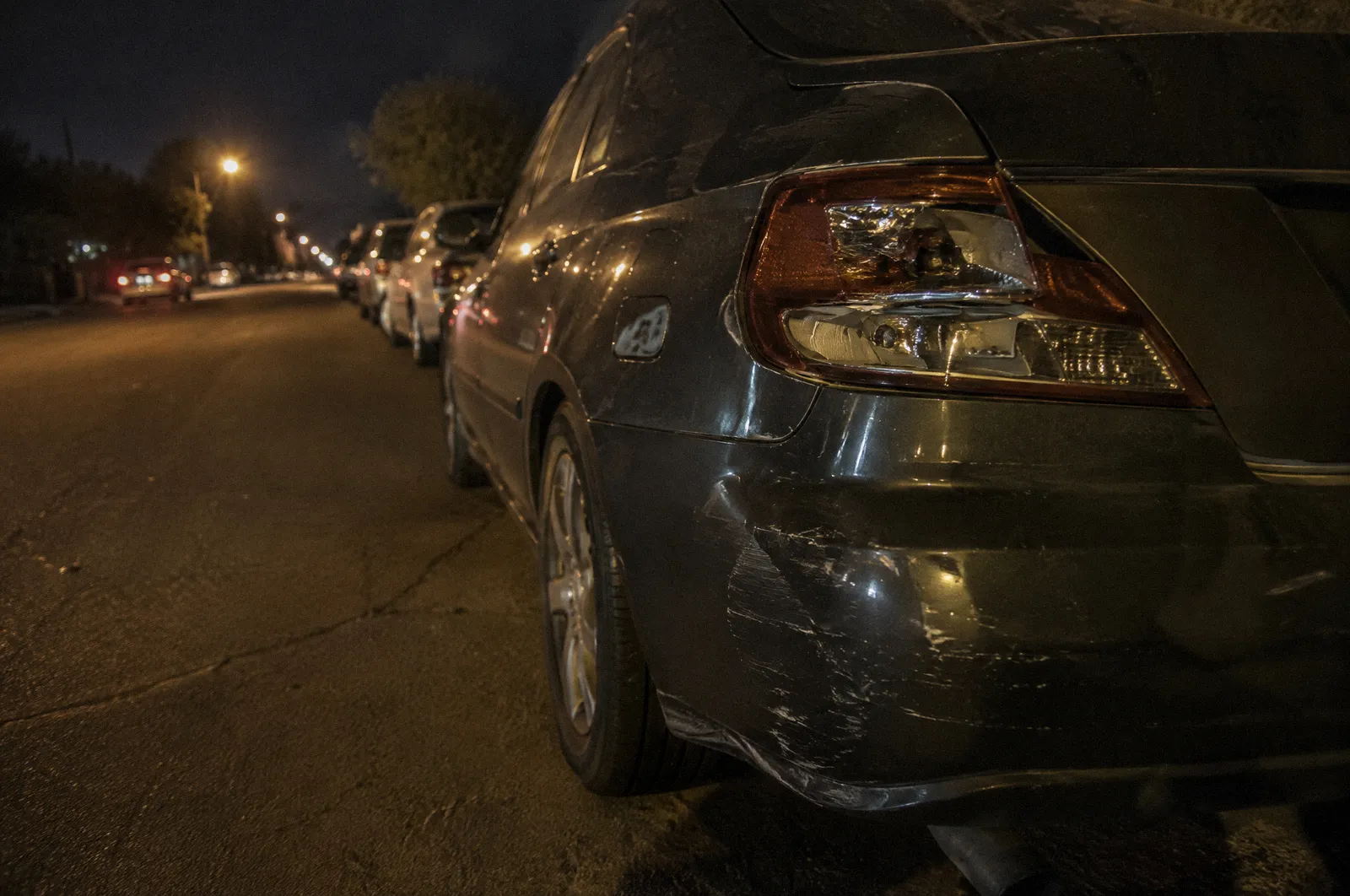
What Insurance Companies Do With Comparative Fault
After a car accident in Arizona, the opposing driver’s insurer will open a liability claim. The adjuster assigned to your file is working to minimize what the company pays out. The comparative fault rule gives them an effective lever. Common tactics include claiming you violated a traffic law, even one that had no direct connection to how the crash happened; using any gap in your medical treatment as evidence that your injuries were not serious or were not caused by the accident; requesting a recorded statement shortly after the accident, then using casual comments as admissions that shift fault toward you; and disputing what police reports actually establish, especially if the documentation leaves any ambiguity about what each driver was doing at the moment of impact.
The recorded statement issue deserves particular attention. Adjusters are trained to ask open-ended questions that may lead you to speculate about what you could have done differently, confirm that you did not see the other vehicle clearly before impact, or understate your injuries because you were in shock at the time. Everything said in that call is recorded and reviewable. You are not required to agree to a recorded statement with the other driver’s insurance company, and you can decline politely while you find out your legal rights. Insurance companies and attorneys often negotiate the percentage of fault, which is why you should understand it before you accept a number. For more on adjusters, see our guide to talking to insurance adjusters after an accident.
Steps to Protect Your Recovery Under Arizona Comparative Fault Rules
What you do in the days after a car accident shapes how Arizona comparative fault rules and how they reduce settlements will apply to your specific case. You cannot prevent an opposing insurer from arguing comparative negligence, but you can control the quality of the evidence that argument depends on.
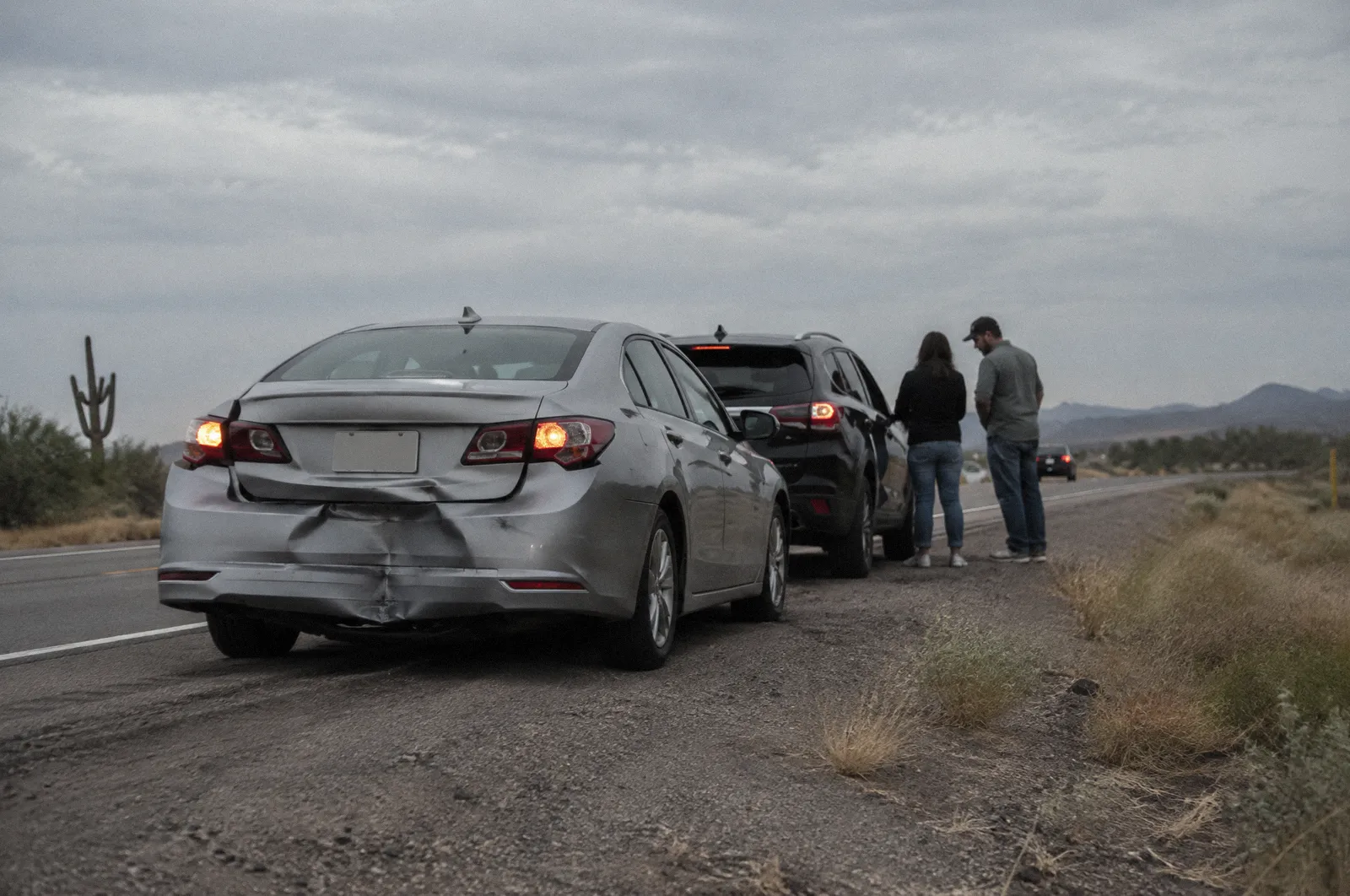
- 1
Call law enforcement
A police report creates a contemporaneous official record that is hard to dispute later. If you believe you were not at fault, make sure you explain this to the officer.
- 2
Photograph everything at the scene
Vehicle positions, damage, skid marks, road conditions, traffic signals, and any visible injuries. Take your photographs, if safely possible, before any vehicle is moved.
- 3
Collect witness information
Names and contact details before people leave the scene.
- 4
Seek medical attention promptly
Treatment gaps become fault arguments. Go to a doctor or emergency room the same day if you can. Medical treatment records that begin immediately after the accident are harder for insurance companies to dispute.
- 5
Track every cost
Medical bills, lost income documentation, and out-of-pocket expenses feed your total damages figure. Your recovery is that total minus your assigned fault percentage.
- 6
Stay off social media
Posts and photos showing activity after the accident are routinely used by insurance companies to inflate your percentage fault.
- 7
Talk to an attorney before signing anything
A signed release ends your claim. Once it is executed, there is no recourse if you later discover additional injuries or unaccounted losses. An attorney evaluating your case under Arizona law can identify evidence you have not gathered, retain experts when needed, and negotiate from a position that reflects your actual exposure.
Related pages
Questions
Questions about Arizona comparative negligence
Can I recover damages if I was partly at fault for the car accident?
Yes. Arizona’s pure comparative negligence rule allows recovery even when you share blame. Your damages are reduced by your percentage fault, not eliminated. This applies to car accident claims, motorcycle accidents, truck accidents, and other personal injury cases across the Phoenix metro and statewide. The only scenario where you recover nothing is if you are found 100 percent at fault.
Is Arizona a no fault state?
No. Arizona is an at-fault state. The driver who caused the crash, and anyone whose negligence contributed to it, bears financial responsibility, so fault percentages shape every claim.
Is Arizona an at fault state for car accidents, and what does that mean for my claim?
Yes. It means you generally pursue the at-fault driver’s insurance company, or use your own coverage where it applies, rather than relying on a no-fault system. It also means the insurer on the other side will look for ways to assign you a share of blame.
What is the difference between pure comparative and modified comparative negligence?
Pure comparative negligence, which Arizona law follows, allows recovery at any fault level up to 100 percent. Modified comparative negligence, used in other states, cuts off recovery once a plaintiff’s fault hits a threshold, typically 50 or 51 percent. Arizona has no such cutoff, which is why Arizona comparative fault rules and how they reduce settlements work differently from the laws in those states.
How does an insurance company determine my fault percentage?
Adjusters build a fault percentage from police reports, witness statements, photographs, medical records, and internal claims guidelines. That initial percentage is a negotiating position, not a final verdict. It can be challenged with additional evidence, expert analysis, and legal argument before you accept any offer.
What happens when both drivers share fault in a car accident?
Each driver is assigned a percentage fault that adds up to 100 percent across all parties. Each can then seek recovery from the other proportionally, limited by available insurance coverage. In practice, the driver with lower fault receives a net payment from the other insurer under Arizona’s comparative fault system.
Does the comparative fault rule apply to pedestrian and bicycle accidents?
Yes. Arizona’s comparative negligence framework applies to pedestrian and bicycle accident claims the same way it applies to car accident cases. If a pedestrian crossed mid-block and a driver was speeding, each party may receive some percentage fault, and recovery adjusts accordingly. The same pure comparative negligence standard governs all personal injury claims in the state.
Free case review
Get Answers About Your Arizona Accident Claim
Fault percentages under Arizona law are argued, not predetermined. If an insurance company is telling you that you share blame for a car accident, that assignment is a starting point for negotiation, not a final number. Call (602) 584-8054 or request a free case review and our experienced and friendly attorney will explain your legal rights and how the comparative fault rule applies to your situation. The earlier you call, the better, but it’s never too late to find out your legal rights.
Call any time. Office visits Monday to Friday, 9 to 5.
Thank you, we’ve received your request.
A member of our team will reach out shortly. If your matter is urgent, call us now at (602) 584-8054.