
After a Car Accident
What to Do After a Car Accident in Arizona: A Step-by-Step Guide
Knowing what to do after a car accident in Arizona protects your health, your legal rights, and your path to fair compensation. Stay at the scene, call 911, get medical attention, and don’t speak to insurance adjusters before understanding your options. Our Car Accidents guide covers each step in detail.
Reviewed by Charles Paglialunga, Esq.
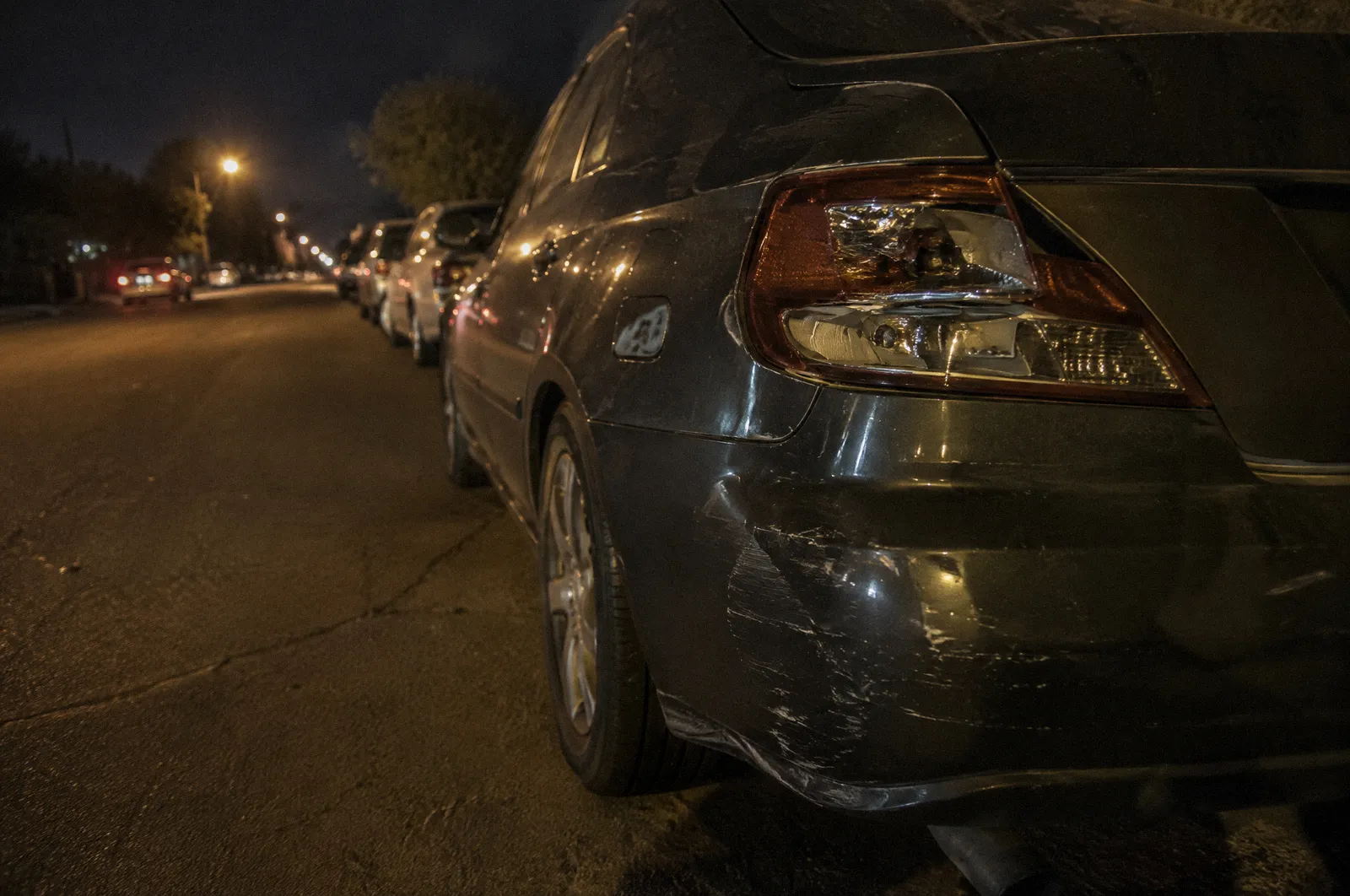
- At the scene
- Every driver involved must remain
- Leaving can mean misdemeanor or felony charges
- Medical care
- Same day, or early the next morning
- Documents the link to the crash
- Fault rule
- Pure comparative fault, no percentage bar
- A.R.S. 12-2505
- Filing deadline
- 2 years from the injury
- A.R.S. 12-542(1)
What to Do After a Car Accident in Arizona, Step by Step
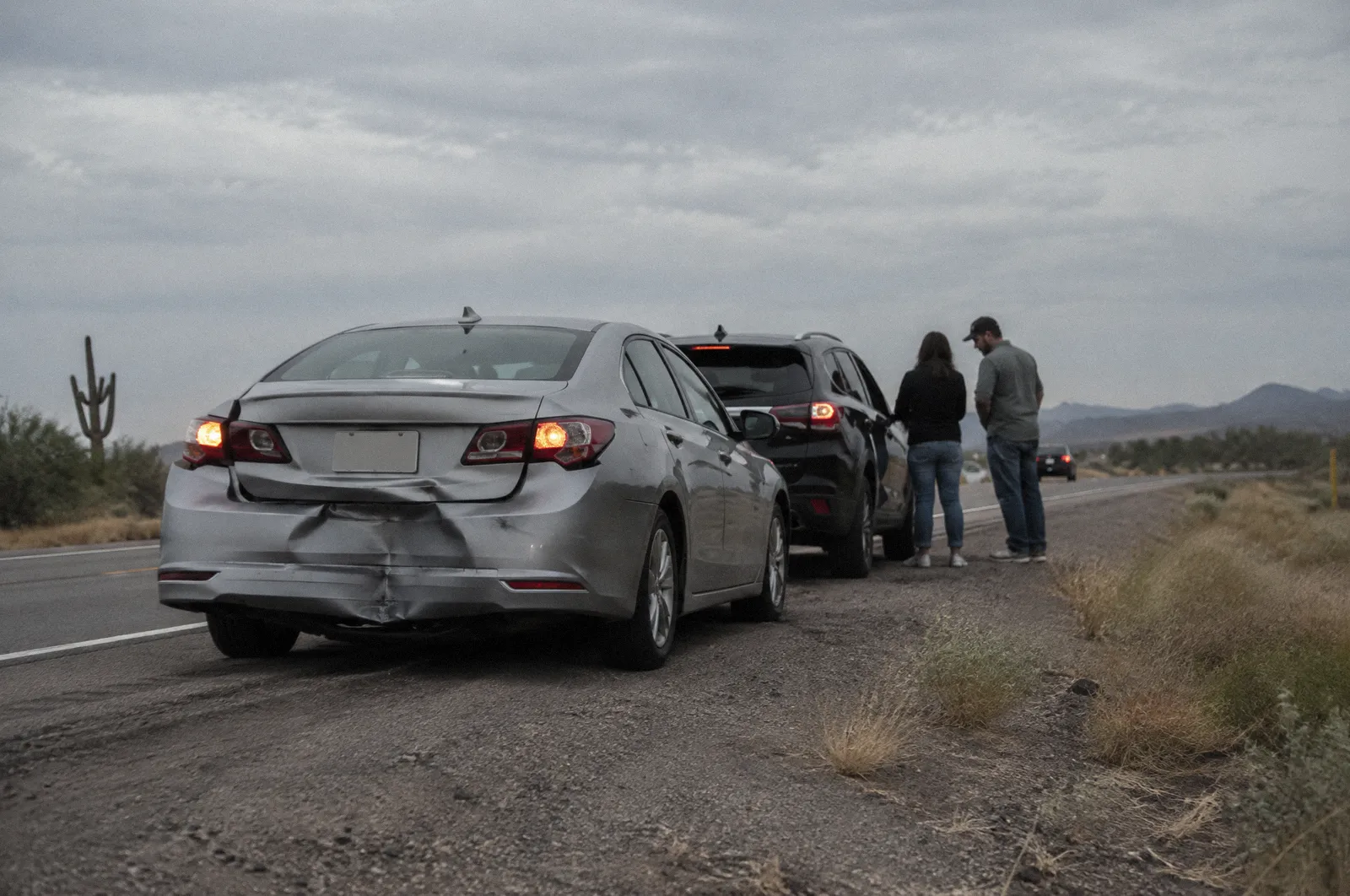
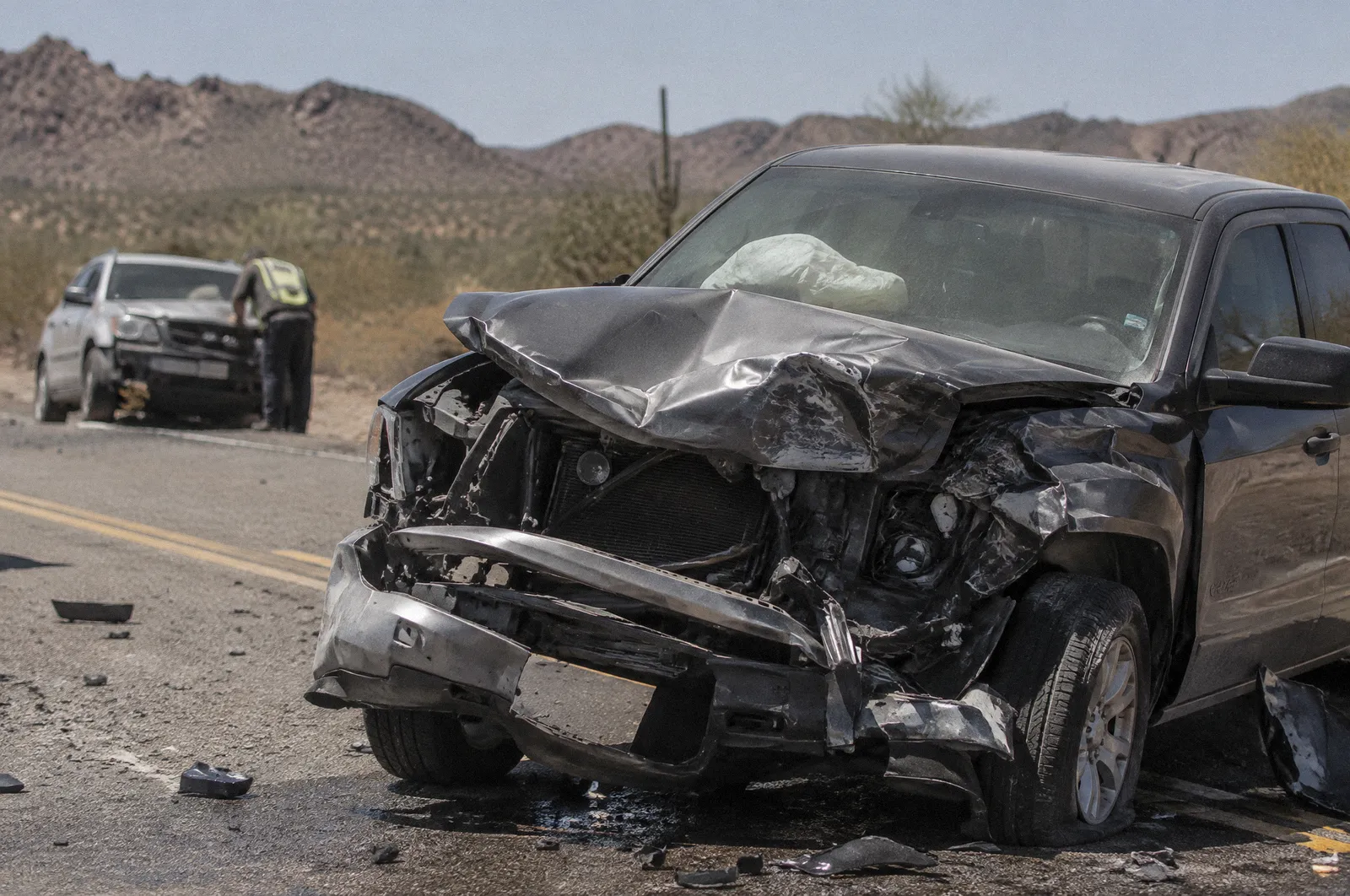
Arizona law requires every driver involved in a car accident to remain at the scene. Leaving before police arrive and information is exchanged, unless you are transported by emergency medical services, can result in misdemeanor or felony charges depending on the severity of injuries involved. As soon as you are safely out of traffic, take these immediate steps:
- 1
Hazard lights, and should you move your car after an accident?
Turn on your hazard lights and move your vehicle to the shoulder or a nearby parking area if doing so does not disturb the scene. Should you move your car after an accident? Only if it is safe and the vehicle can be moved without creating more danger. If anyone is hurt, the car cannot be driven, or moving it would disturb the scene, leave it where it is, keep your hazard lights on and wait for officers. If safely possible, take photos before any vehicle is moved.
- 2
Check yourself and your passengers
Check yourself and all passengers for injuries.
- 3
Do not admit fault
Do not admit fault, apologize, or offer explanations about what caused the crash.
- 4
Call 911
Call 911 immediately and request both police and medical assistance.
Why Feeling Fine Is Not the Same as Being Uninjured
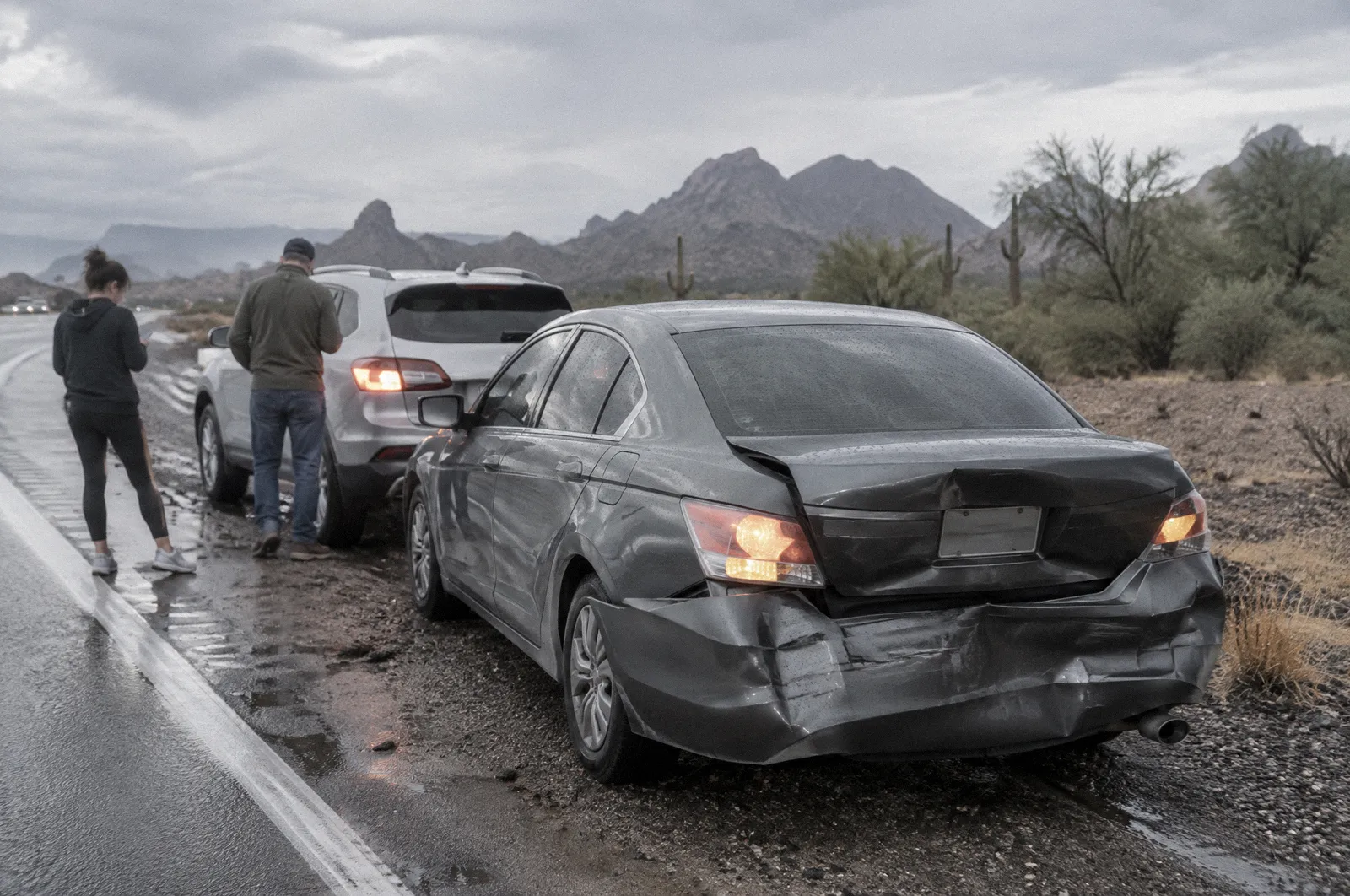
Many crash victims feel fine in the immediate aftermath. Don’t let that feeling stop you from following each step. Adrenaline suppresses pain, and serious injuries including whiplash, traumatic brain injuries, and internal bleeding often produce no or seemingly minor symptoms for hours or even days after a collision.
Call 911 and File a Police Report
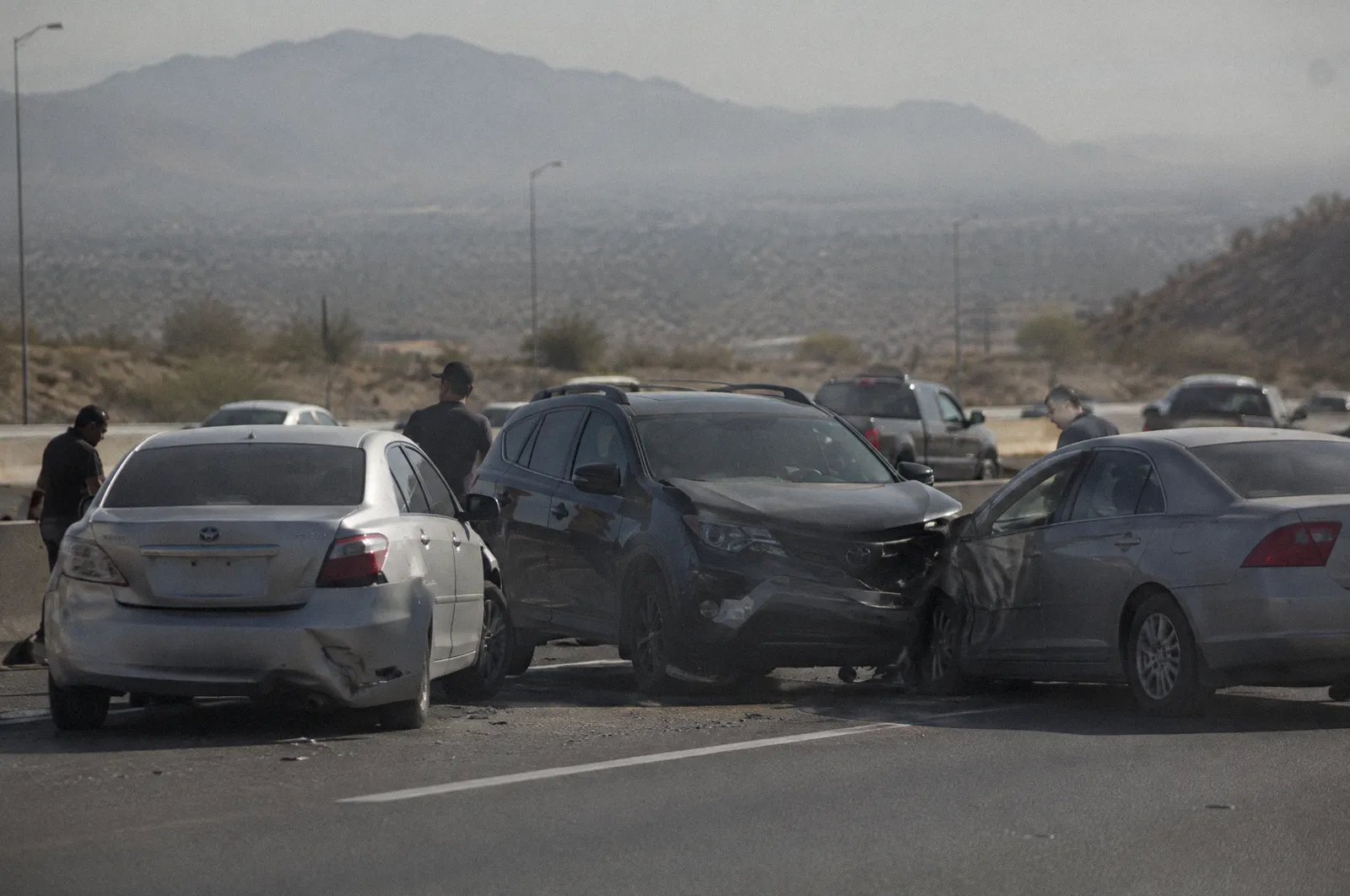
Under Arizona Revised Statutes section 28-666, a driver involved in an accident that injures or kills someone must notify the local police, the county sheriff, or the highway patrol immediately by the quickest means available. Even when the law does not strictly require a report, filing one is strongly advisable. A police report creates an official record of the crash before memories fade and before either driver has an opportunity to change their account.
When the responding officer takes your statement, describe only what you directly witnessed. Do not speculate about the other driver’s speed, intent, or actions before impact. If you believe you were not at fault, make sure you explain this to the officer and why. If safely possible, also get the names and numbers of anyone who saw what happened. Fault in an Arizona car accident case is determined through investigation, and roadside impressions, and anything you say at the scene can become part of that record.
Exchange Information with the Other Driver
Arizona law requires all drivers involved in a vehicle accident to exchange information at the scene. This means providing and collecting:
- Full legal name and contact information
- Driver’s license number
- Vehicle registration details
- Insurance company name and policy number
Get this from every driver involved, not only the one you believe caused the crash. If the other driver refuses to cooperate or attempts to leave, don’t confront them. Note the vehicle’s license plate, make, model, and color, and report it to the responding officer immediately. Also collect contact information from any witnesses who saw the accident. Independent accounts carry significant weight with insurance companies and, if your case proceeds to a lawsuit, with juries as well.
Document the Scene Before Anyone Leaves
Your smartphone is one of your most important tools after a crash. If safely possible, before any vehicle is moved, photograph and video the following:
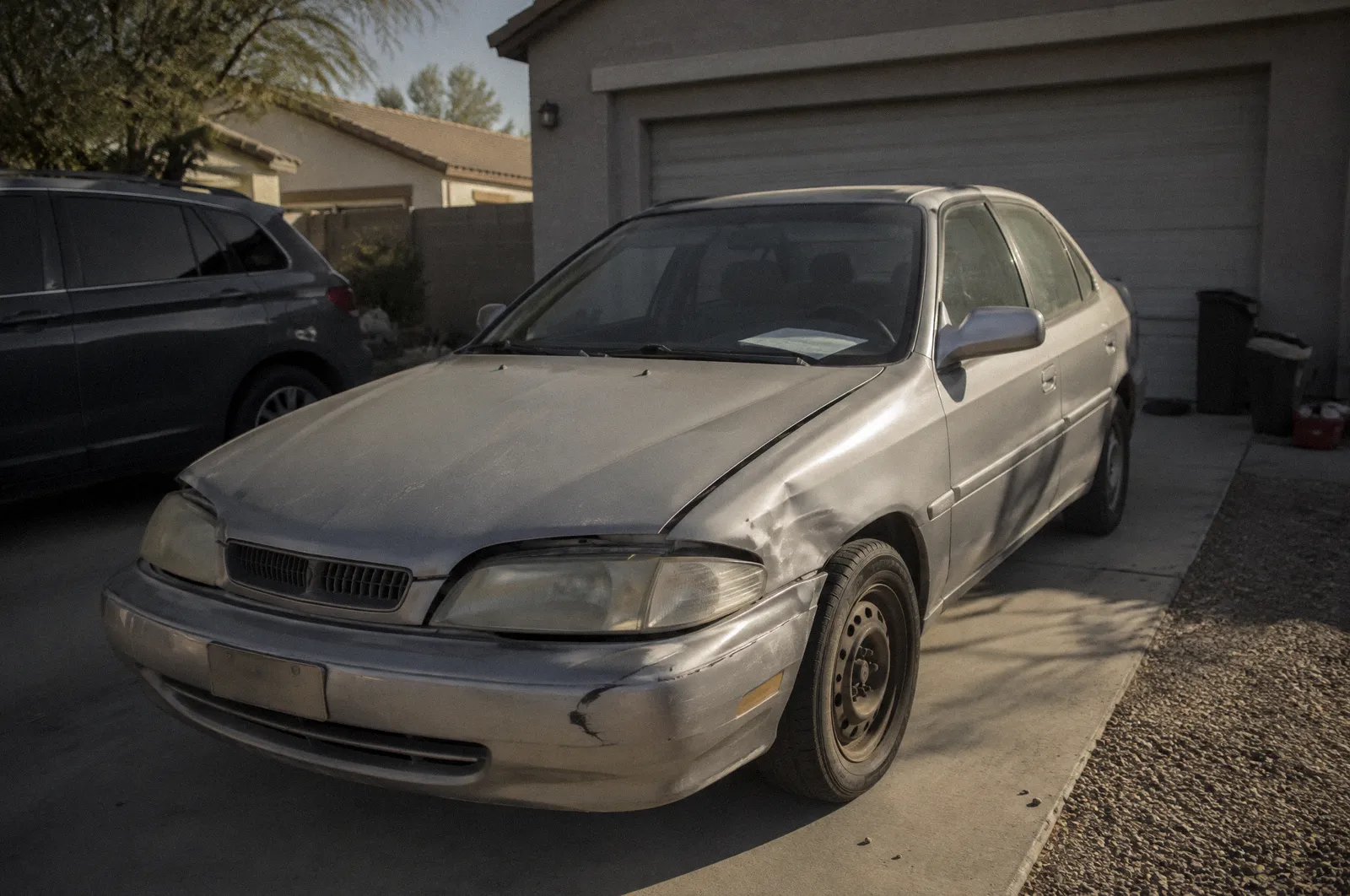
- All vehicle damage from multiple angles
- The final resting position of each vehicle in the roadway
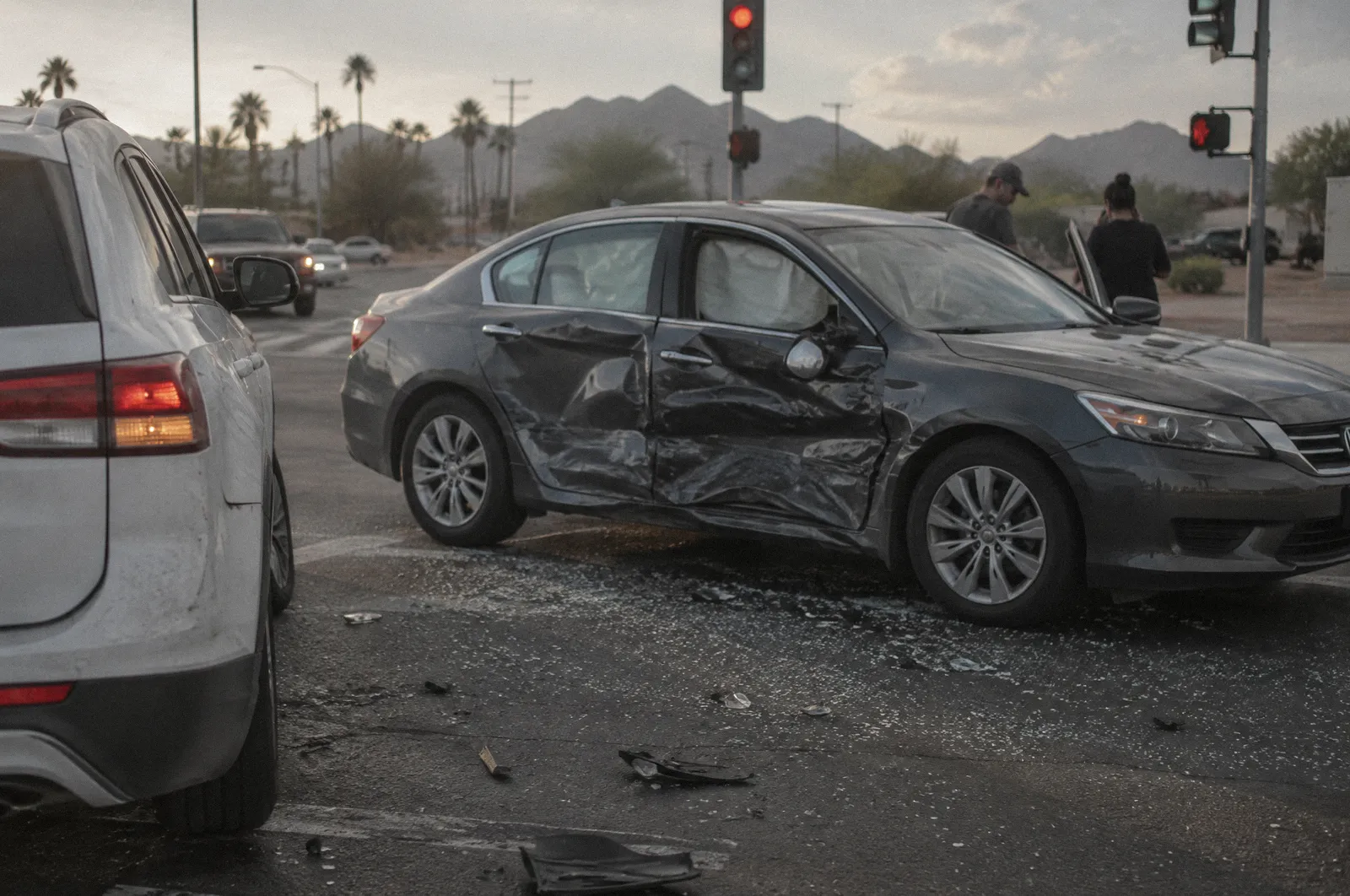
- Skid marks, broken glass, and road debris
- Traffic signals, stop signs, and nearby lane markings
- Your own visible injuries
- The other driver’s license, registration, and insurance card
Surveillance Footage Disappears Fast
Send yourself a voice memo or text message noting the time, weather, lighting, and road conditions. This creates a timestamped record that is difficult to dispute later.
If nearby businesses or traffic cameras may have captured the crash, note the locations and notify an attorney promptly. Surveillance footage is often overwritten within 24 to 72 hours, and a preservation letter sent quickly can secure critical evidence before it is gone.
Seek Medical Attention, Even When You Feel Fine: What Tests Are Done After a Car Accident
Get evaluated by a physician on the same day as the crash, or as early the following morning as possible. Medical attention within 24 to 72 hours creates a documented connection between the accident and your injuries. That connection is critical when you file a claim. Insurance adjusters look specifically for treatment gaps as grounds to reduce or deny compensation. A delay of even a few days becomes an argument that your injuries are not serious or were not caused by the car accident in question.
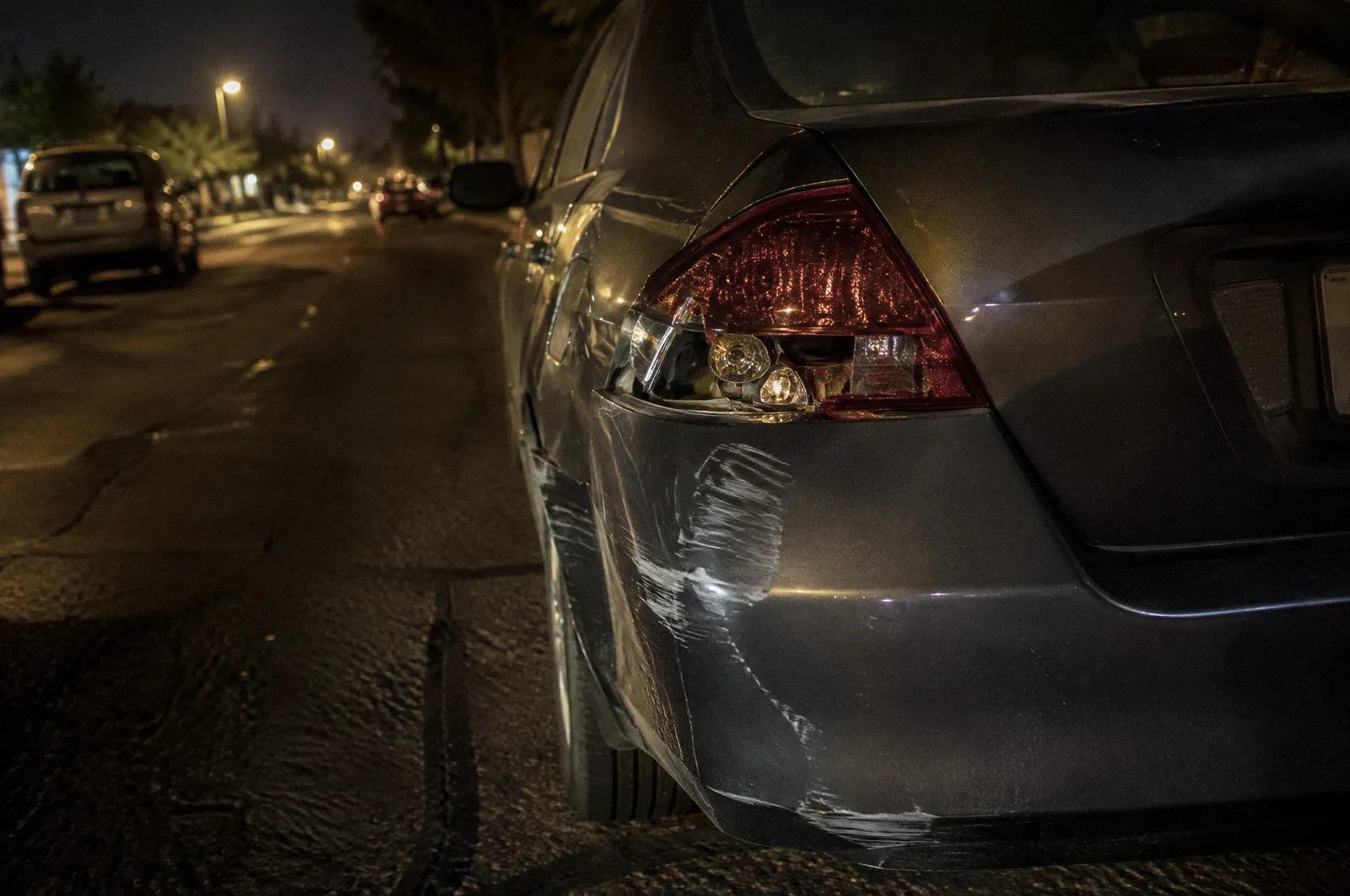
Symptoms from motor vehicle collisions can develop or worsen in the hours and days following impact. Arizona car accident attorneys consistently advise clients to seek immediate evaluation regardless of how they feel at the scene, and to document every symptom, however minor. Keep all medical records, prescriptions, bills, and treatment notes. These documents form the foundation of your damages calculation in any personal injury case.
What tests are done after a car accident depends on your symptoms and the doctor’s judgment. At an emergency room or urgent care visit, a physical exam is common, and a doctor may order imaging such as X-rays, a CT scan, or an MRI, along with other tests to look for injuries that are not visible from the outside. This page is general information, not medical advice, and your doctor decides what you need.
What to Say and Not Say to the Insurance Company
Expect contact from an insurance company within 24 to 48 hours of the crash, sometimes from the other driver’s insurer and sometimes from your own. Insurance adjusters are skilled interviewers trained to gather information that limits your claim value. Before agreeing to any recorded call, keep these points in mind:
- You are not required to give a recorded statement to the other driver’s insurance company
- Describing your injuries as “minor” or saying you “feel okay” can be used to reduce your compensation later
- Settlement offers made in the days immediately after a crash almost never reflect the full value of a claim, especially before the full extent of injuries is understood
- Signing a release will under most circumstances close your case permanently, even if you later discover new or worsening injuries
What to Do After a Car Accident That Is Not Your Fault
Insurance companies move quickly because speed works in their favor. Getting legal guidance before you respond to adjusters protects you from making commitments you cannot undo. Talking to an attorney who is on your side can significantly help the outcome of your case. If the crash was not your fault, these points matter most. Our guide to talking to insurance adjusters goes deeper on the calls.
- Explain it to the officer
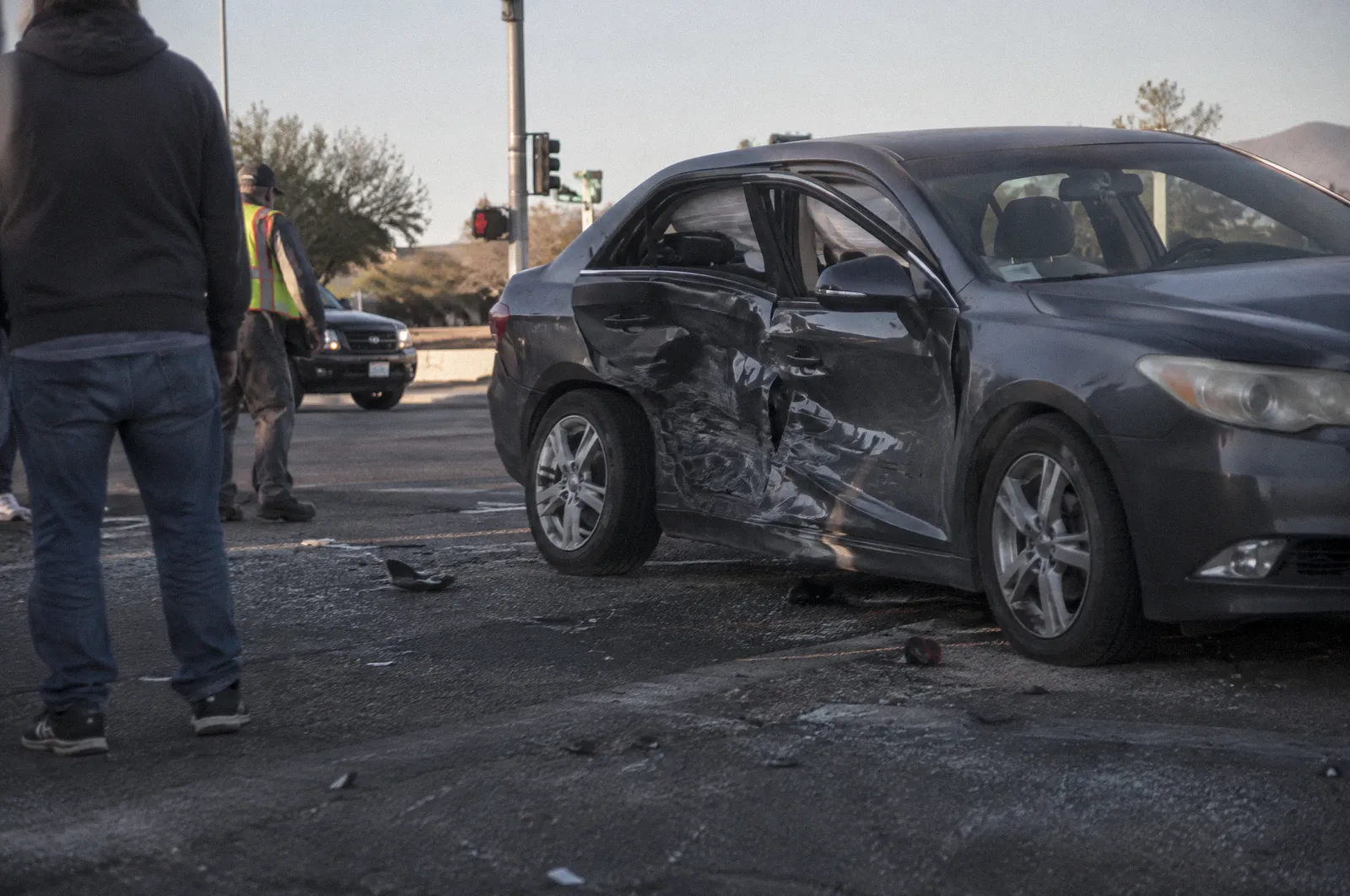
If you believe you were not at fault, make sure you explain this to the officer, and describe only what you directly witnessed.
- Expect a discussion of fault
Insurance companies and attorneys often negotiate the percentage of fault based on the facts of how the accident happened. Arizona follows pure comparative fault under A.R.S. 12-2505, so a driver who was partly at fault is not barred from recovery, but the percentage assigned to you reduces your damages. See our guide to Arizona comparative negligence.
- Rental car after an accident
If your car is not drivable, ask the insurer handling your property damage claim about a rental car after an accident. When another driver is at fault, their liability coverage may pay for a reasonable rental while your car is repaired or until it is declared a total loss, and your own policy may include rental reimbursement coverage if you added it. Coverage and daily limits vary by policy, so ask each insurer what applies and keep your receipts.
- Keep every record
Keep all medical records, bills, repair estimates and insurer letters in one place. They are the foundation of your claim, and our guide to what your case may be worth explains how they are used.
Arizona
What Not to Do After a Car Accident
A few common mistakes can injure your legal rights. Here is what not to do after a car accident.
- Do not admit fault, apologize, or offer explanations about what caused the crash.
- Do not leave the scene before police arrive and information is exchanged, unless you are transported by emergency medical services.
- Do not speculate to the officer about the other driver’s speed or intent.
- Do not skip medical care because you feel fine or because your symptoms seem minor.
- Do not agree to a recorded statement, or sign a release or a blanket medical authorization, before you understand your injuries and your rights.
- Do not accept a first settlement offer before your medical evaluation is complete.
In Charles's Words
If there are witnesses get their contact information.
Everything you say to an insurance company can affect the value of your case.
If possible, you should know your legal rights before you talk to any insurance company.
Arizona does not require UIM/UM coverage, but you should check if you are covered and you always should, because it protects you and your family.
Related pages
Questions
Questions about what to do after a car accident
Do I have to report a car accident to the police in Arizona?
Arizona law requires you to report any accident involving injury, death, or property damage over $2,000. Even when not legally required, a police report protects you by creating an official account of events. Without one, a disputed claim often comes down to your word against the other driver's, with an independent record to support either side.
What if I feel fine right after the accident?
Feeling fine immediately after a crash is common and does not mean you are uninjured. Adrenaline and shock suppress your awareness of pain. Many serious injuries, including concussion, whiplash, and herniated discs, produce delayed symptoms. Seek medical attention within 24 hours and document every symptom, even mild ones, from the day of the crash forward.
How long do I have to file a personal injury lawsuit in Arizona?
Under Arizona Revised Statutes section 12-542, you have two years from the date of the accident to file a personal injury lawsuit. When a government vehicle or other public entity is involved, a written notice of claim is due within 180 days (A.R.S. 12-821.01). Missing this deadline will under most circumstances bar your right to compensation permanently. Contact us well before the deadline so your case can be properly investigated and prepared.
Can I recover compensation if I was partly at fault?
Yes. Arizona follows a pure comparative fault rule. Your damages are reduced by your percentage of fault, but you are not barred from recovery. If you were 20% at fault, you can still recover 80% of your total damages. An attorney can evaluate your specific accident circumstances and advise how comparative fault applies to your car accident damages.
What if the other driver had no insurance?
If the other driver carried no insurance or insufficient coverage, your own Uninsured or Underinsured Motorist Coverage may provide a path to compensation. Arizona insurers must offer that coverage in writing, and you may reject it, so check what your policy includes. Additional legal options may also be available depending on the specific facts of your crash.
Should I get a rental car after an accident, and who pays for it?
If your car cannot be driven, ask the insurer handling the property damage claim about a rental. The at-fault driver’s liability coverage may pay for a reasonable rental while your car is repaired, and your own policy may include rental reimbursement if you added it. Coverage varies, so ask each insurer what applies and keep your receipts.
Free case review
Talk to Us Before You Sign Anything
Knowing what to do after a car accident is only the first step. Making sure you don’t injure your legal rights before understanding what your claim is actually worth is equally important. Call (602) 584-8054 or request your free case review to speak directly with Charles Paglialunga, Esq. A Personal Injury consultation with our experienced and friendly attorney costs nothing. We will explain your legal rights so that you can make the right decisions. The earlier you call, the better, but it’s never too late to find out your legal rights.
Call any time. Office visits Monday to Friday, 9 to 5.
Thank you, we’ve received your request.
A member of our team will reach out shortly. If your matter is urgent, call us now at (602) 584-8054.