
Scottsdale Rear-End Collision Lawyer
Rear-End Collision Lawyer in Scottsdale for People Hit From Behind
In most rear-end crashes the trailing driver is at fault, but the real fight is usually over how badly you were hurt and whether the insurance company can shift blame to you. A rear end collision lawyer in Scottsdale can gather the evidence, deal with the adjuster, and explain your legal rights. Arizona gives you two years from the crash to file (A.R.S. 12-542), so do not wait.
- Filing deadline
- 2 years from the crash
- A.R.S. 12-542(1)
- Fault rule
- Pure comparative fault, no percentage bar
- A.R.S. 12-2505
- Government vehicle
- Notice of claim within 180 days
- A.R.S. 12-821.01
Why Rear-End Crashes Are Among the Most Common Car Accidents in Arizona
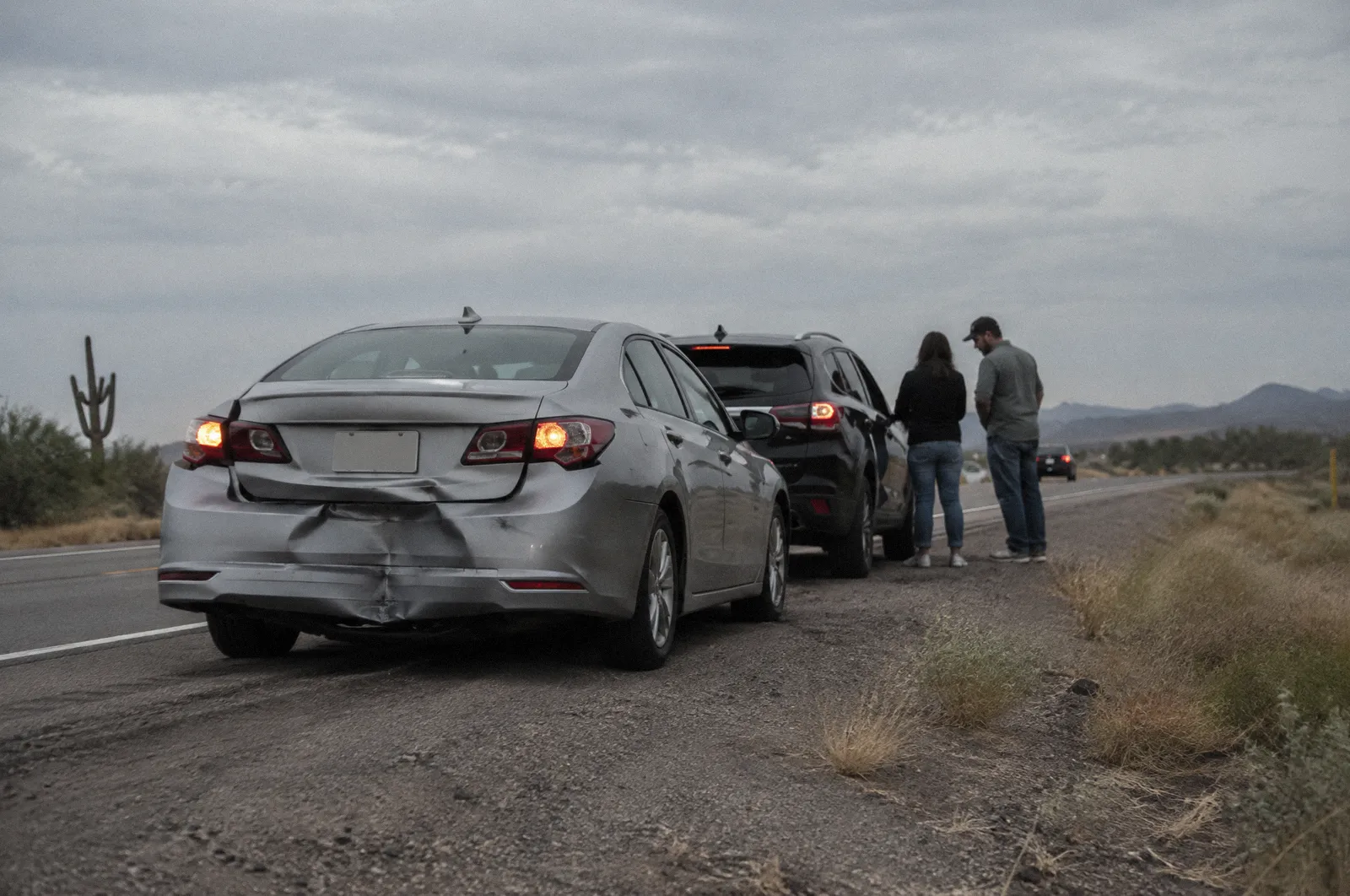
Rear-end collision claims in Scottsdale require fast action and a clear understanding of Arizona fault rules. If you were hit from behind on a Phoenix metro roadway, you have the right to pursue compensation for your injuries, medical bills, and more. Car accident lawyer Scottsdale information at Valley Accident Law explains how these claims work in general, and this page focuses on the crash that happens when someone does not stop in time.
In Scottsdale, Arizona, heavy commuter traffic on the Loop 101, Scottsdale Road, and Shea Boulevard creates frequent conditions for these impacts. Distracted driving is a leading cause. As NHTSA explains in its distracted driving guidance, a driver who glances at a phone for five seconds while traveling at 55 mph covers the length of a football field without watching the road. Other contributing factors include following too closely, abrupt lane changes, and impaired driving.
Arizona
Who Is at Fault in a Scottsdale Rear-End Accident
Arizona law (A.R.S. Section 28-730) requires every driver to maintain a safe following distance. In most rear-end crashes, the trailing driver bears fault because a properly attentive driver would have stopped in time. Insurance companies, however, routinely investigate whether the lead driver contributed to the collision, and insurance companies and attorneys often negotiate the percentage of fault. Arizona operates under pure comparative fault (A.R.S. Section 12-2505), which means your compensation is reduced by your percentage of fault. If you are found 20 percent responsible, you can still recover 80 percent of your damages. Common defenses they raise include the three on the left, and each has an answer.
Common defenses insurers raise
- The lead driver brake-checked without cause.
- The front vehicle’s brake lights were not functioning.
- The lead driver made an abrupt lane change without signaling.
Evidence that can answer them
- The police report and photos taken, if safely possible, before any vehicle is moved.
- Camera footage from nearby businesses and dashcams.
- Witness statements from other drivers.
- Vehicle damage patterns and repair records.
Injuries Documented in Rear-End Collisions
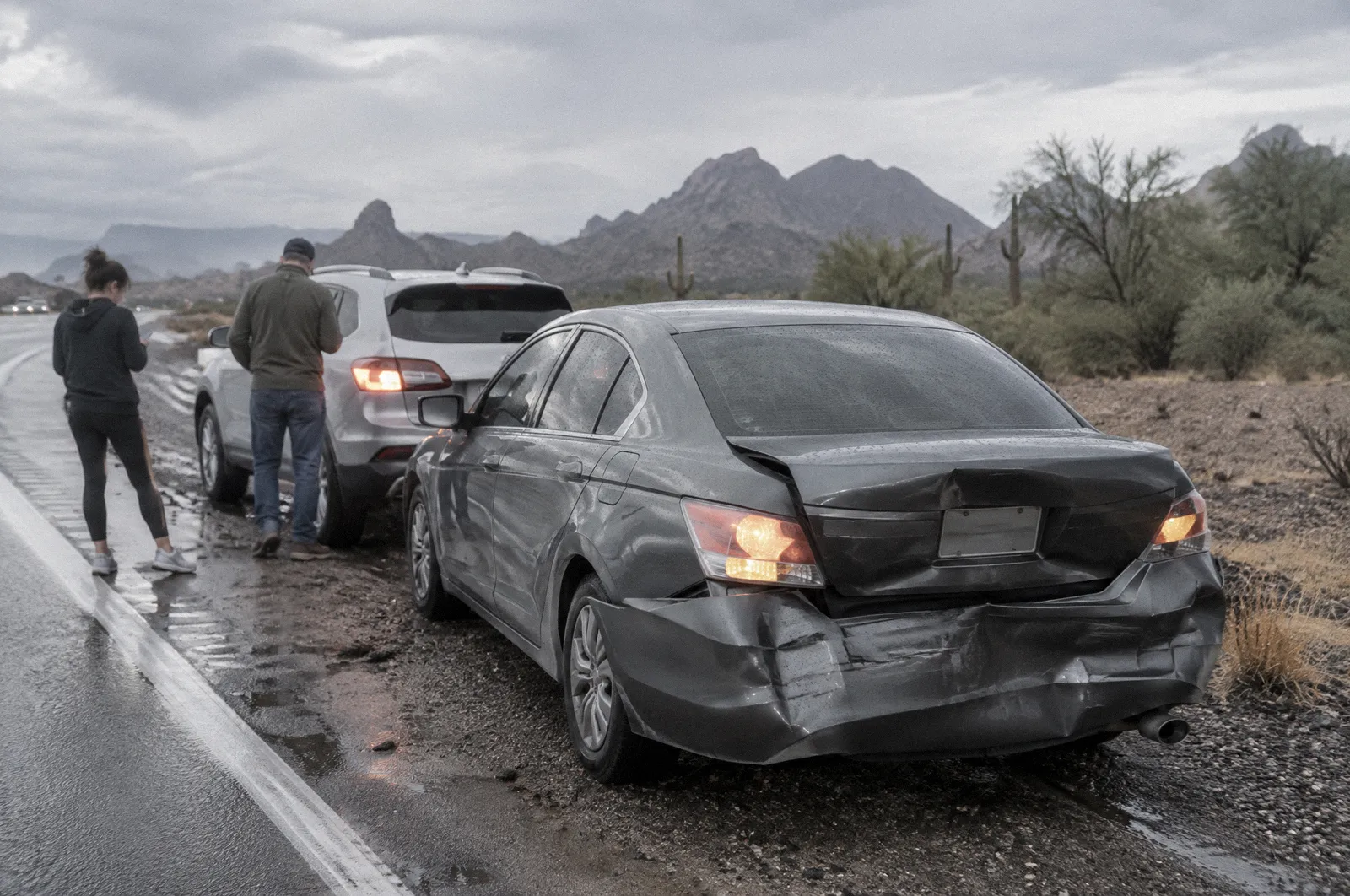
Even a low-speed rear-end impact transfers significant force through the seat and into the occupant’s spine and neck. Injuries commonly seen in these crashes include the following.
- Whiplash and cervical strain
The neck extends backward and then snaps forward. Symptoms often appear 24 to 48 hours after the crash, not immediately at the scene. Read more about a whiplash injury claim in Arizona.
- Herniated discs
The sudden compression can push disc material into the spinal canal, producing radiating arm or leg pain and numbness. See our page on back and neck injuries.
- Traumatic brain injury
Head contact with the headrest, window, or steering wheel can cause a concussion or more serious brain trauma.
- Shoulder and wrist injuries
Occupants who brace for impact often sustain rotator cuff tears or wrist fractures.
What an Injury Claim Can Recover After a Rear-End Crash
Filing an injury claim after a rear-end collision in Scottsdale, Arizona can cover several categories of loss.
- Economic damages
are the measurable financial costs: medical bills already incurred, projected future medical expenses for ongoing treatment or surgery, and lost wages from time away from work. In severe cases, a vocational expert may be retained to calculate future earning capacity loss.
- Non-economic damages
include pain, suffering, emotional distress, and loss of enjoyment of daily activities. Arizona imposes no statutory cap on non-economic damages in personal injury cases (Ariz. Const. art. 2 sec. 31), which means injured plaintiffs can seek the full value of what the crash took from them.
- Punitive damages
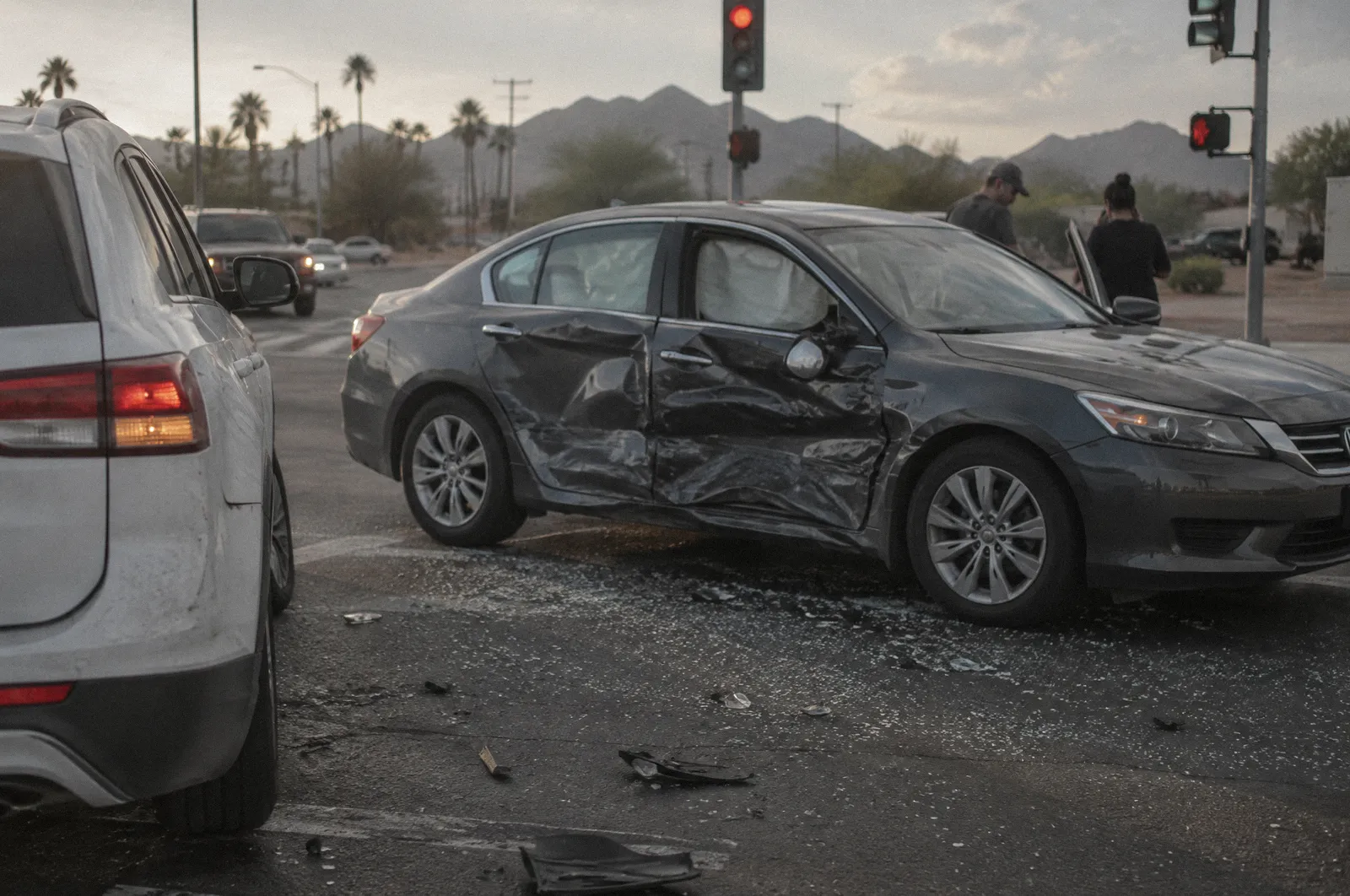
are available in rare circumstances when the at-fault driver acted with reckless disregard for others’ safety, such as in a drunk driving rear-end crash. Courts look for an “evil mind” shown by clear and convincing evidence (Linthicum v. Nationwide, Ariz. 1986).
Why a Rear End Collision Settlement Calculator Only Gets You So Far
Any rear end collision settlement calculator you find online uses a shortcut, usually a multiplier of your medical bills. Treat the result as a rough starting point, never as a promise of what your case is worth. Severity of injury, length of treatment, lost income, and the crash’s effect on your daily life all matter, and none of them fit in a text box. A Personal Injury case evaluation with Valley Accident Law can help you understand the full value of your claim before you agree to any settlement. Our guide on what a personal injury case is worth explains the pieces.
How Insurance Companies Approach These Claims
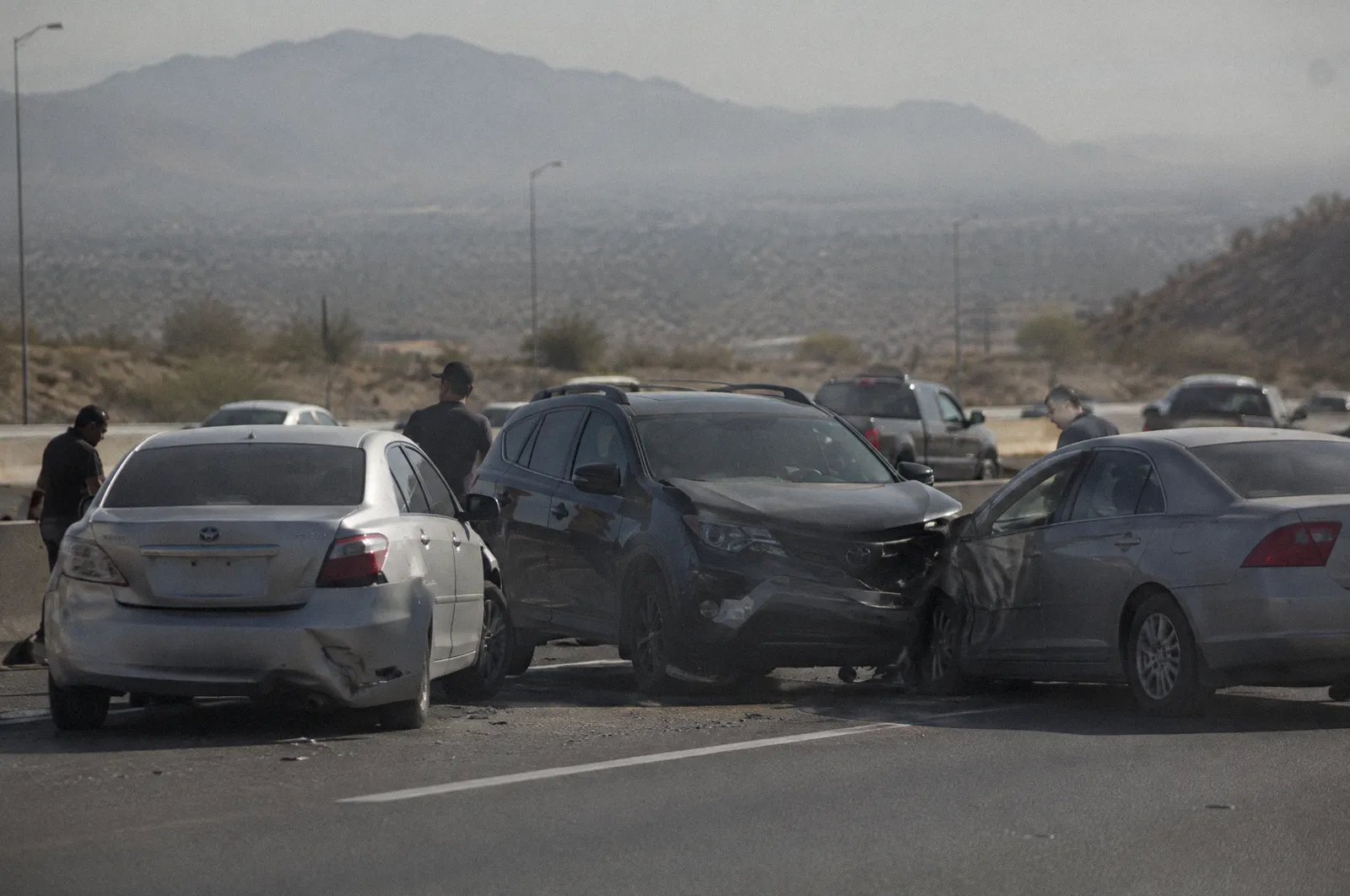
Insurance companies apply three predictable tactics on rear-end collision claims in Scottsdale. The first is disputing injury severity. The second is attributing your injuries to a pre-existing condition. The third is making a fast, low settlement offer before your medical treatment concludes and the true cost of your injuries becomes clear.
A recorded statement given to the opposing insurer without legal guidance can be taken out of context to minimize your payout. You are not legally required to agree to one. Our guide on talking to insurance adjusters explains what to expect.
Arizona’s statute of limitations on personal injury claims is two years from the crash date under A.R.S. 12-542. Missing this deadline will under most circumstances permanently bar recovery, which is why adjusters sometimes delay communications to increase pressure on unrepresented claimants. Read the full Arizona statute of limitations guide for the exceptions.
What to Do When Someone Rear Ends You in Scottsdale, Arizona
These steps protect both your health and your claim.
- 1
Call 911.
A police report creates an official record of the crash location, the parties involved, and any officer observations at the scene.
- 2
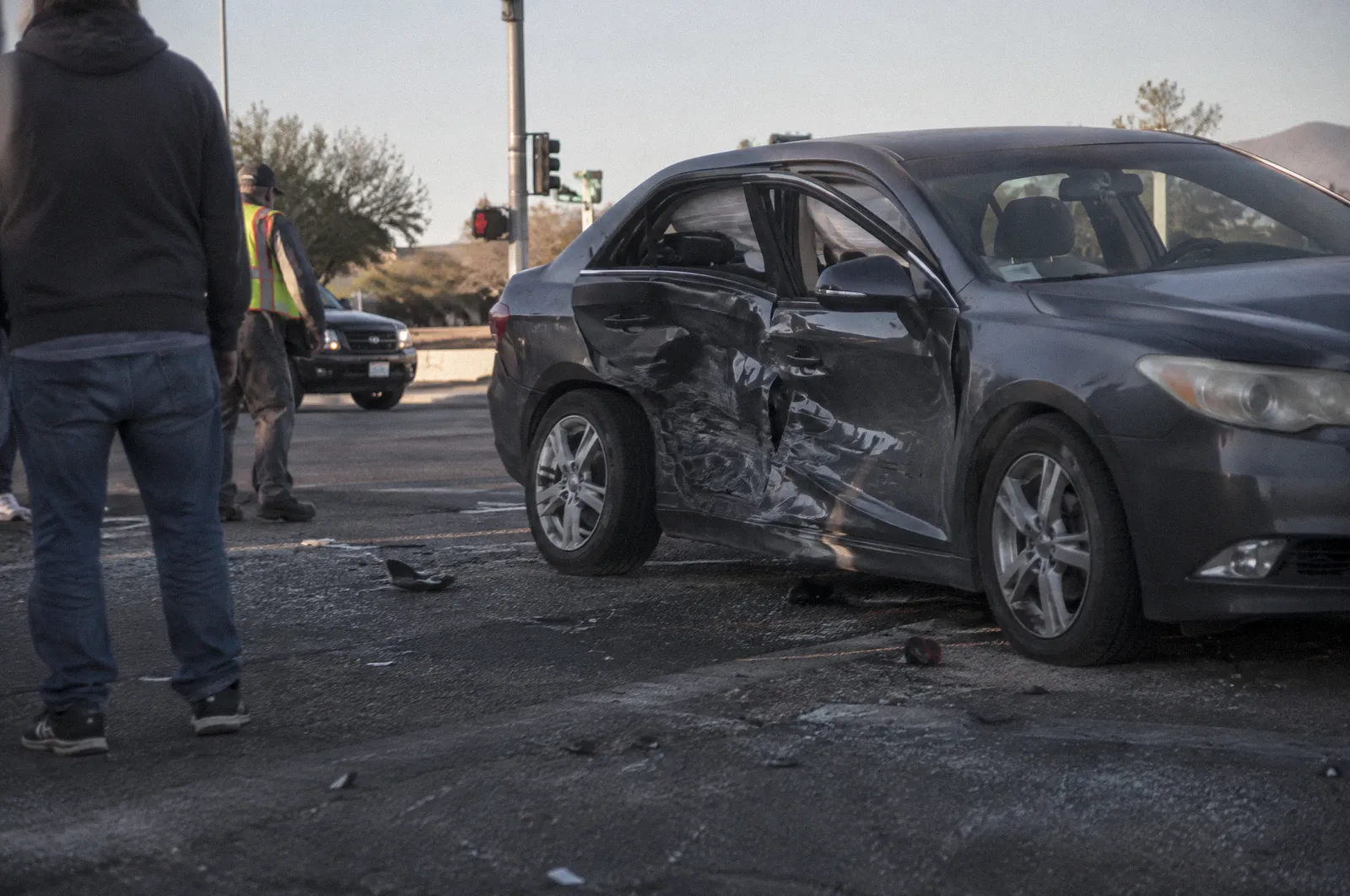
Photograph the scene, if safely possible, before any vehicle is moved.
Capture both vehicles, skid marks, road conditions, traffic signals, and any visible injuries.
- 3
Exchange information.
Collect the other driver’s name, contact information, insurance company, and policy number.
- 4
Seek medical care the same day.
Adrenaline suppresses pain signals. An emergency room or urgent care visit creates a timestamped record connecting your injuries to the crash.
- 5
Avoid posting about the crash on social media.
Insurance companies routinely monitor claimant accounts during open claims.
- 6
Speak with an attorney before signing any release.
A free consultation gives you an independent assessment of your case before you waive any rights.
Working with a Rear End Collision Lawyer in Scottsdale
Rear-end collision claims in Scottsdale involve Arizona-specific deadlines, comparative fault rules, and insurer tactics that can reduce what you recover if you are unprepared. Valley Accident Law offers a no-cost, no-obligation free case review to help you understand your rights before making any decisions. You pay no attorney fee unless we recover money for you.
If you were hurt when someone rear-ended you, a rear end collision attorney can answer your questions about fault and insurance. A rear end accident lawyer can also look at how the other driver’s insurer is treating you, and we are glad to answer your questions on a free case review. Our experienced and friendly attorney will explain your legal rights. The earlier you call, the better, but it’s never too late to find out your legal rights.
Related pages
Statewide guide
Types of car accident claims
Questions
Questions about Scottsdale rear-end collision cases
How long do I have to file a rear-end collision claim in Arizona?
Arizona’s personal injury statute of limitations is two years from the date of the crash under A.R.S. 12-542. If the at-fault vehicle was government-owned or the driver was a government employee, a notice of claim must be filed within 180 days (A.R.S. 12-821.01). Missing either deadline will under most circumstances bar recovery entirely, which is why early legal advice matters.
What if the other driver says I caused the crash?
Arizona follows pure comparative fault rules. Your compensation is reduced by whatever percentage of fault is assigned to you. Insurance companies frequently exaggerate the plaintiff’s share of fault to reduce payouts. An attorney can challenge unfair fault assignments using police reports, camera footage, and witness statements.
Do I need a lawyer for a rear-end accident injury claim?
You are not legally required to retain one, but any injury claim involving substantial medical bills or lost wages warrants professional review. Valley Accident Law offers a free consultation with no obligation to hire. You pay no attorney fee unless we recover money for you.
What if the at-fault driver had no insurance?
Arizona requires minimum liability coverage, but not all drivers comply. Your own uninsured motorist or underinsured motorist policy may cover your losses. An attorney can identify every available coverage source, including umbrella policies and third-party liability, so no compensation is left unclaimed.
How is pain and suffering calculated in Arizona?
There is no fixed formula. Insurers commonly apply a multiplier of one to five times your documented economic damages, or use a per-diem method that assigns a daily dollar value to your suffering. Severity of injury, length of treatment, and the collision’s effect on your daily life all factor into the final pain and suffering figure. Treat any multiplier as a negotiating shortcut, not a promise of what your case is worth.
What if I had no or seemingly minor symptoms after being rear ended?
Adrenaline can hide pain, and symptoms often appear 24 to 48 hours later. Getting checked by a medical professional creates a record that connects the crash to your injuries. You can also call us to talk through your options before you agree to anything with the insurance company.
Free case review
Talk to Us About Your Rear-End Crash
Call (602) 584-8054 or request your free case review. We will explain your legal rights and what we see in your facts. The earlier you call, the better, but it’s never too late to find out your legal rights.
Call any time. Office visits Monday to Friday, 9 to 5.
Thank you, we’ve received your request.
A member of our team will reach out shortly. If your matter is urgent, call us now at (602) 584-8054.