
Arizona Swimming Pool Accident Lawyer
Arizona Swimming Pool Accident Lawyer for Drownings and Pool Injuries
An Arizona swimming pool accident lawyer helps families understand what happened and who may be responsible after a serious pool injury or a drowning. In a state where pools are everywhere, these claims often turn on fencing, supervision and who controlled the property. Most Arizona injury claims must be filed within two years (A.R.S. 12-542(1)), and a wrongful death claim generally within two years of the date of death (A.R.S. 12-542(2)). Call (602) 584-8054 for a free case review.
- Injury claim deadline
- Generally 2 years from the injury
- A.R.S. 12-542(1)
- Wrongful death deadline
- 2 years from the date of death
- A.R.S. 12-542(2)
- Public pool
- Written notice of claim within 180 days
- A.R.S. 12-821.01
- Child injured
- Limitations paused until age 18; parents' own claim is not
- A.R.S. 12-502; 12-821.01(D)
How an Arizona Swimming Pool Accident Claim Works
In a state with this many pools, a swimming pool accident is something many Arizona families face or fear. A fall on a wet deck, a drain or suction injury, a diving injury in shallow water, a chemical exposure, a child who reaches the water when no adult is watching, or a drowning can all lead to a claim. Some of these accidents are no one's fault. Many are not.
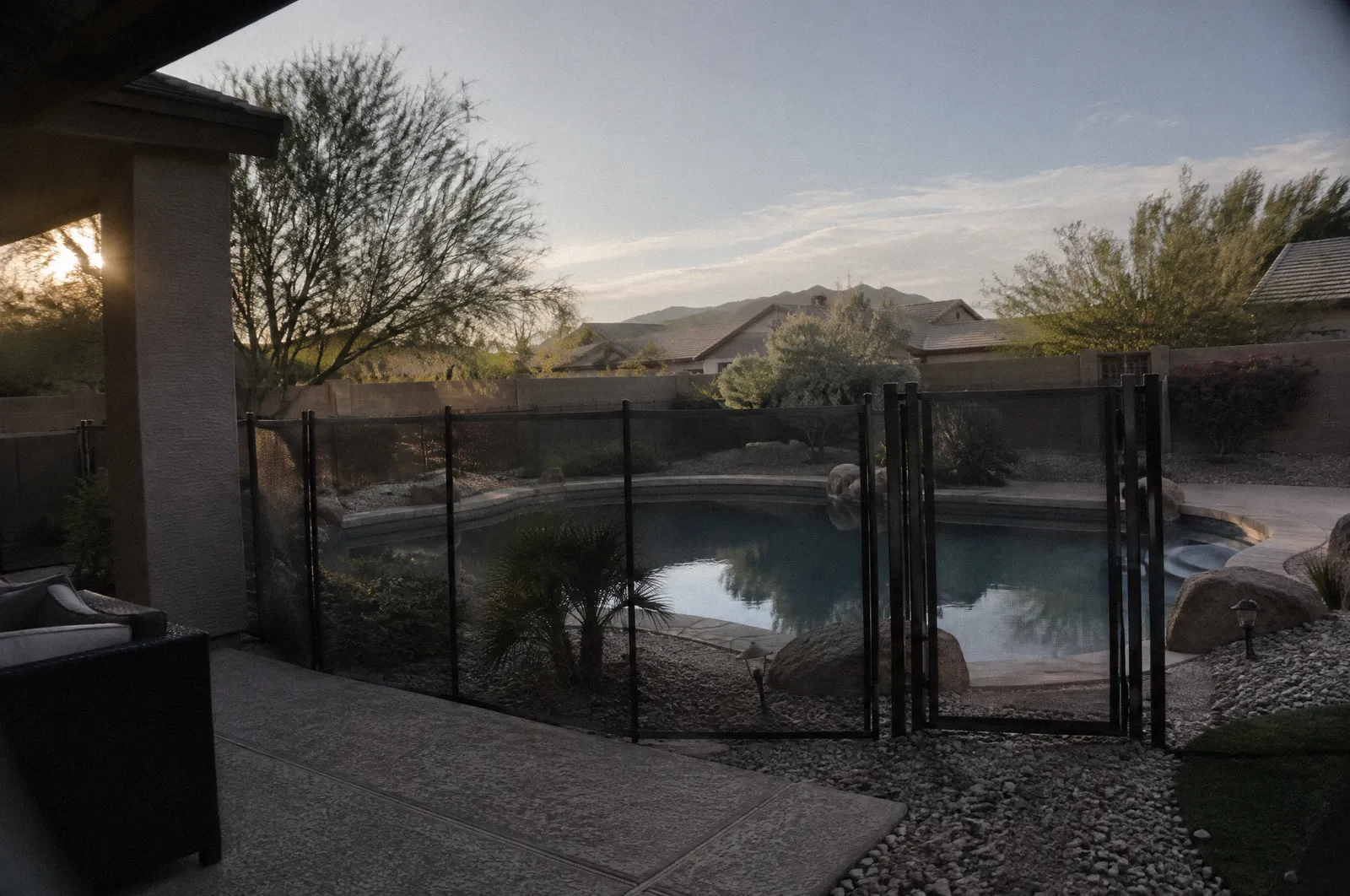
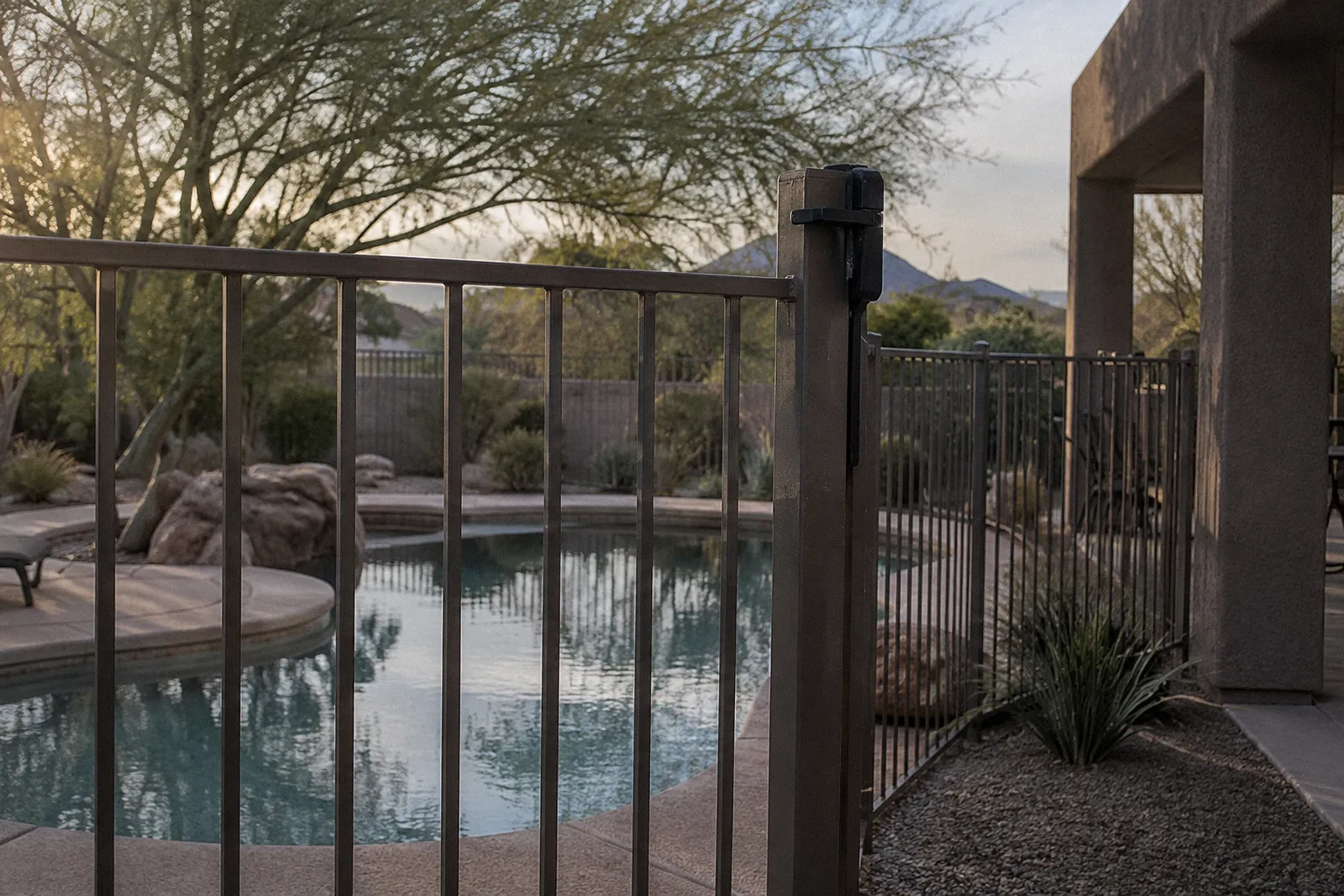
A pool accident lawyer starts by asking who controlled the pool and the property. A homeowner, a landlord, a homeowners association, a hotel or resort, a daycare, a gym, a school or a city may each have been responsible for keeping the pool reasonably safe. Fencing, gates and latches, alarms, covers, signs, supervision, lifeguards, maintenance and the layout of the deck can all matter.
This page explains how swimming pool claims generally work in Arizona. A drowning is a tragedy, and we know a family's first questions are rarely legal. This page is meant for the moment when they are. It is general information, and a free case review is the place to talk about your facts.
Who May Be Responsible When Someone Is Hurt in a Pool
The owner is not always the only one. We look at everyone who controlled the pool, the property or the equipment.
- A homeowner or landlord
A homeowner may be responsible for a backyard pool that was not secured or maintained, and a landlord may be responsible for a pool at a rental home or apartment. Homeowner's insurance often responds.
- A homeowners association or property manager
Community pools are usually controlled by an association and run by a management company. Who locks the gate, hires lifeguards and handles repairs often decides the claim.
- A hotel, resort or short-term rental host
Guests are often unfamiliar with the pool depth, the rules and the hours. A property that lets guests use a pool without supervision, signs or a secure gate may face a claim.
- A pool service company, builder or equipment maker
Faulty drains, broken covers, slippery surfaces, bad plumbing, chemical mistakes and defective equipment can lead to claims against the company that built, serviced or made the product.
- A daycare, school, camp or event host
Any organization that took responsibility for children near water may be responsible for supervision.
- A city or other public entity
City pools, parks and splash pads are run by public entities, which brings in a 180-day notice rule. See the warning box below.
Pool Drowning Cases Involving Children and Non-Fatal Drowning
Pool drowning can happen fast and quietly. Children are the most vulnerable, and a pool drowning lawyer is often contacted by a family whose child was alone at the pool for a few moments. Even when a child survives, an Arizona drowning accident can cause lasting harm, including brain injury from a loss of oxygen, which is why non-fatal drowning cases are often catastrophic injury cases.
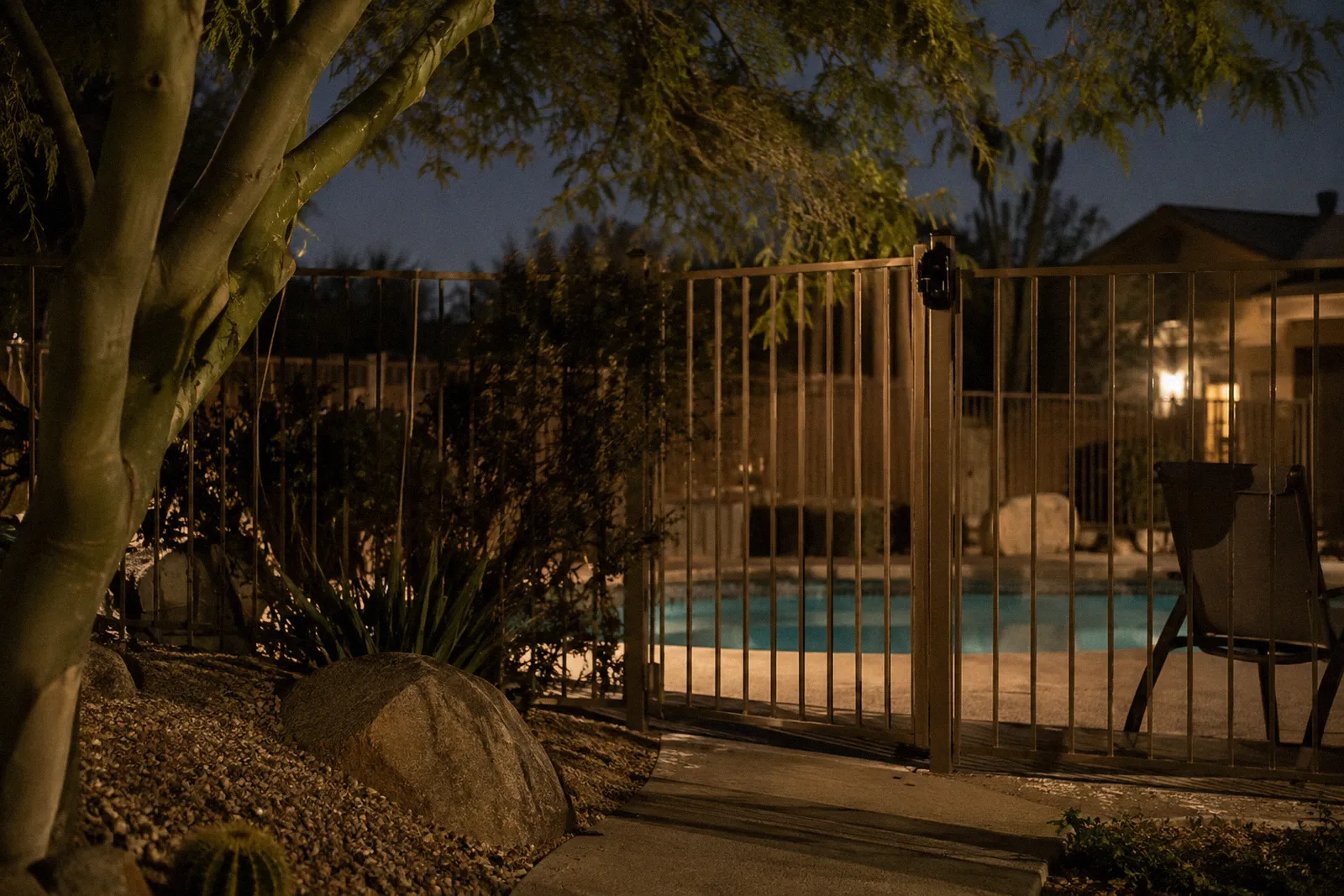
In these cases we look at how the child reached the water, whether the barrier or gate worked as intended, whether a latch, alarm or cover was missing, who was supposed to be watching, and what the owner knew. We do not assume that a parent is to blame, and we do not blame a grieving family. Insurers sometimes do, so it matters to understand how fault is shared under the law. If a child is hurt, special rules about deadlines may apply, which we cover below.
A serious pool injury often raises the same questions as other life-changing injuries. See our page on catastrophic injury claims and our brain injury lawyer page.
Private Pool or Public Pool: What Changes for Your Claim
The kind of pool decides who is responsible, which insurance applies and how quickly you must act.
Backyard, apartment, HOA, hotel or resort pool
- Most claims must be filed within two years of the injury (A.R.S. 12-542(1))
- Homeowner's, commercial property and umbrella policies may respond
- The owner, landlord, association, manager or resort may each be a defendant
- Gate, latch, alarm, fencing, signage and supervision records are often central
City pool, public splash pad or other public entity
- Written notice of claim generally due within 180 days, with the facts and a specific sum certain (A.R.S. 12-821.01)
- Lawsuit generally filed within one year after the claim accrues (A.R.S. 12-821)
- A child's deadlines are paused until age 18, but the parents' own claim for medical bills they paid is not paused
- Lifeguard staffing, training and inspection records are often key
Deadlines Can Be Short, Especially for Children and Public Pools
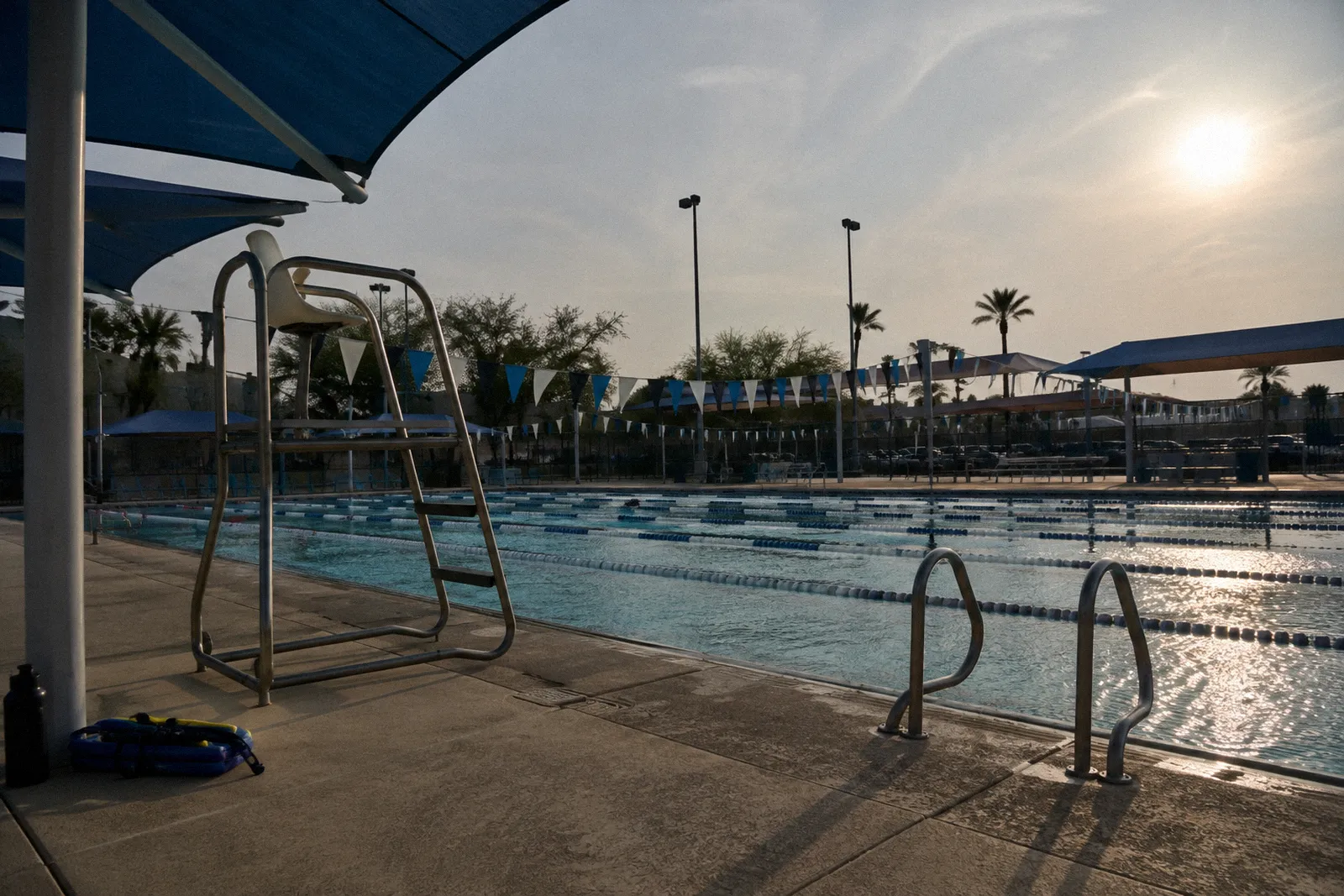
If a public pool or a government body may be responsible, Arizona law generally requires a written notice of claim within 180 days after the claim accrues, stating the facts and a specific sum certain, and the entity has 60 days to respond before the claim is deemed denied (A.R.S. 12-821.01). A lawsuit generally must be filed within one year after the claim accrues (A.R.S. 12-821).
For a child, the limitations period is paused until age 18, and then the normal period runs (A.R.S. 12-502). For claims against a public entity, the child's deadlines are paused until age 18, giving 180 days after the 18th birthday to serve the notice of claim and one year after it to file the lawsuit. The parents' own claim for medical bills they paid is not paused: their notice of claim is due within 180 days of the injury (A.R.S. 12-821.01(D)). Families should not wait.
These rules have exceptions, so call us and we will explain how they apply to you. Our guide to the Arizona notice of claim rules walks through the process.
Step by step
What to Do After a Pool Accident or Drowning in Arizona
These steps are general. In an emergency, call 911 first.
- 1
Call 911 and get medical care
Anyone pulled from the water should be seen by medical professionals, even if they seem fine. No or seemingly minor symptoms can hide a serious problem.
- 2
Photograph the pool and the barrier before anything changes
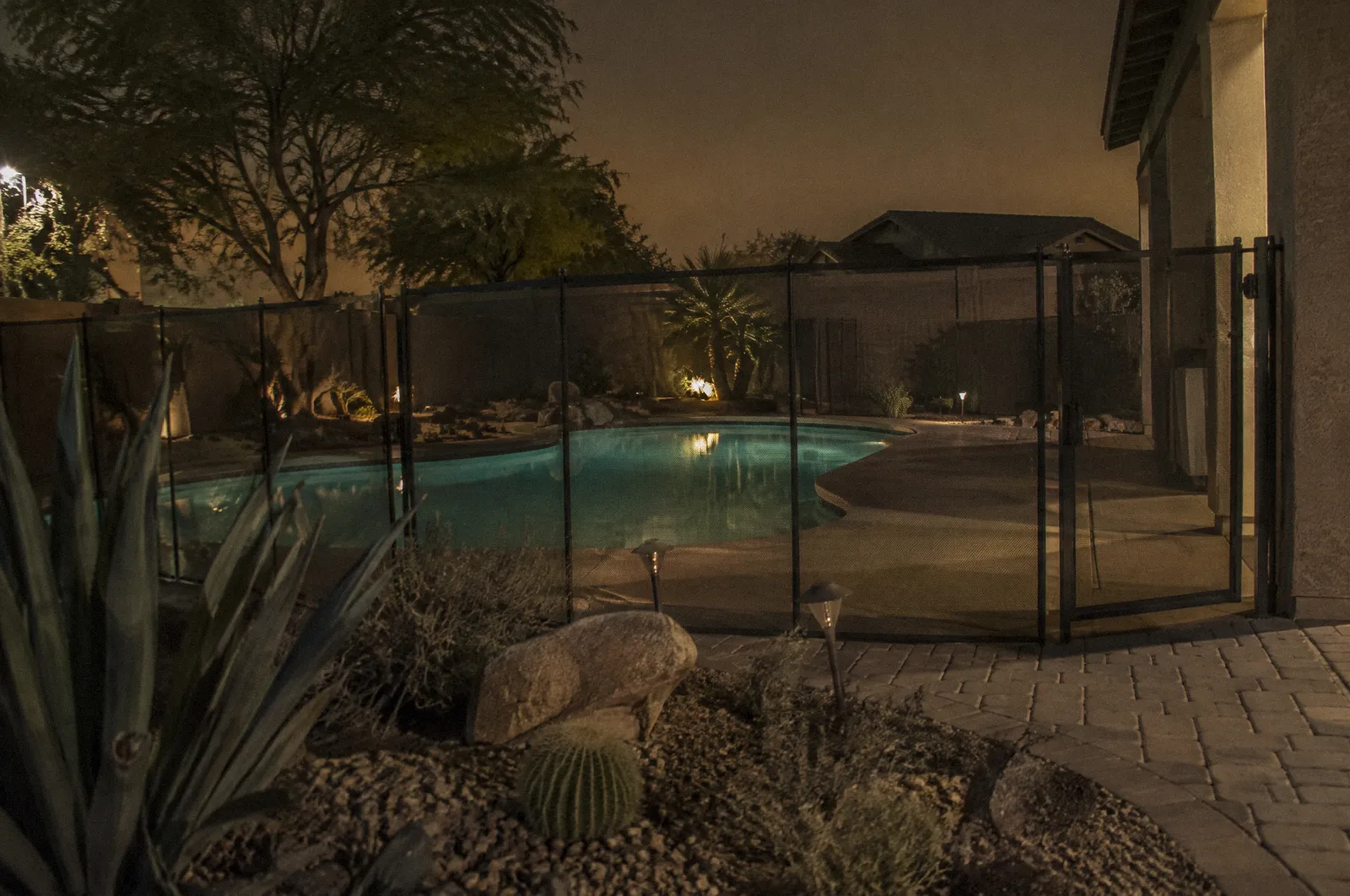
If safely possible, take photos and video of the gate, latch, fence, alarm, cover, signs, drains and deck. Owners often fix a gate or a latch right after an accident.
- 3
Write down who was there and what was said
Get names and phone numbers of other guests, neighbors, lifeguards and staff, and write down what the owner or manager said.
- 4
Ask for the incident report and the camera footage
Pool and property cameras are often overwritten within days. Ask in writing that footage be kept.
- 5
Keep the clothing, the floatation device and the equipment
A torn pool cover, a broken ladder or a defective toy may be evidence. Do not throw it away.
- 6
Avoid statements to insurers and avoid posting online
Think carefully before agreeing to a recorded statement. Then call us so we can explain your legal rights.
Evidence That Can Matter in a Swimming Pool Accident Claim
Pool conditions change quickly, and some of the most important evidence belongs to the property owner.
- Photos and video of the fence, gate, latch, alarms, covers, signs and the depth markings
- Camera footage from the property and from neighbors, and any 911 call records
- Lifeguard schedules, training records and incident logs for a public or commercial pool
- Maintenance, inspection and repair records for the pool, the gate and the pump or drain
- Pool service contracts and the identity of the service company
- City or association permits, inspection records and any earlier complaints
- The names of everyone present and any statements they gave
- Medical records starting with emergency and EMS care, and records of any ongoing treatment
- Receipts and records of missed work, therapy, equipment and home changes
Wrongful Death, Shared Fault and Damages After a Pool Accident
If someone dies in a pool accident, Arizona law allows a wrongful death claim against whoever would have been liable had the person lived (A.R.S. 12-611). It must generally be filed within 2 years of the date of death (A.R.S. 12-542(2)). It can be brought by the surviving spouse, child, parent or guardian, or the personal representative, for the benefit of the spouse, children, parents, or the estate if none survive (A.R.S. 12-612). The jury awards the damages it deems fair and just for the injury to the surviving parties (A.R.S. 12-613).
In an injury case, damages can include medical bills, future care, lost income, pain and the loss of enjoyment of life. Arizona has no caps on personal injury or death damages (Ariz. Const. art. 2 sec. 31; art. 18 sec. 6). For plain-language value, read what is my personal injury case worth.
Arizona follows a pure comparative fault rule with no percentage bar (A.R.S. 12-2505), and in most cases each defendant pays only its own share, with exceptions (A.R.S. 12-2506). Insurance companies and attorneys often negotiate the percentage of fault, and an owner may try to point at an injured swimmer or at a parent. Medical liens, including hospital and AHCCCS liens, can also affect what a family keeps, so read medical liens on a personal injury settlement.
Arizona
Swimming Pool Accident Lawyer by City
We take cases anywhere in Arizona and focus on the Phoenix metro. Each city page covers local public pools, resorts, courts and claim offices that matter after a pool accident there.
- Swimming pool accident lawyer in Scottsdale
- Swimming pool accident lawyer in Phoenix
- Swimming pool accident lawyer in Mesa
- Swimming pool accident lawyer in Tempe
- Swimming pool accident lawyer in Chandler
- Swimming pool accident lawyer in Gilbert
- Swimming pool accident lawyer in Glendale
- Swimming pool accident lawyer in Peoria
- Swimming pool accident lawyer in Surprise

Talking With an Arizona Swimming Pool Accident Lawyer
A swimming pool lawyer cannot undo what happened, and we do not promise any result. What we can do is take on the legal work so that you can focus on your family: identify the responsible parties, meet the deadlines, preserve the evidence and deal with insurers. You pay no attorney fee unless we recover money for you.
Our how we work page explains what to expect, and our guide to how contingency fees work covers the written fee agreement. Pool injuries often overlap with slip and fall accidents, wrongful death claims and nursing home abuse, and you can browse all of our types of personal injury cases. The earlier you call, the better, but it is never too late to find out your legal rights.
Questions
Questions about Arizona swimming pool accident cases
Who is responsible when someone drowns in a private pool?
It depends on who controlled the pool and what safety measures were in place. A homeowner, landlord, association, manager or resort may be responsible, along with a pool service company or equipment maker. A wrongful death claim must generally be filed within 2 years of the date of death (A.R.S. 12-542(2)).
Is a pool owner always liable if someone is hurt?
No. Liability depends on what the owner did or failed to do, what hazards existed, and what caused the injury. That is why fencing, gates, alarms, supervision and maintenance are examined closely.
How long do I have to file a pool injury claim?
Most Arizona injury claims must be filed within two years (A.R.S. 12-542(1)). A claim against a public pool or other public entity generally requires a written notice of claim within 180 days (A.R.S. 12-821.01). These rules have exceptions, so call us and we will explain how they apply to you.
My child was hurt in a pool. Do the deadlines change?
For most claims the limitations period is paused until age 18 (A.R.S. 12-502). The parents' own claim for medical bills they paid is not paused, and public entity claims have their own rules. Families should not wait.
Can I still bring a claim if I or my child was partly responsible?
Often yes. Arizona uses pure comparative fault with no percentage bar (A.R.S. 12-2505), so shared blame generally reduces a recovery and does not erase it.
What if the pool is at a hotel, an apartment or a short-term rental?
Those pools may be controlled by several parties at once, including an owner, a manager, an association and a host. We look at who ran the pool and what insurance applies.
What does a pool drowning lawyer do on a free case review?
We listen, ask who owned and controlled the pool, explain the deadlines, identify the evidence to keep and tell you how we can help. You pay no attorney fee unless we recover money for you.
Should I talk to the owner's insurance company?
Be cautious. Think carefully before agreeing to a recorded statement, and talk to us first. Insurance companies often negotiate the percentage of fault.
Free case review
Let Us Answer Your Questions and Help With Your Case
Call (602) 584-8054 or request your free case review. Our experienced and friendly attorney will explain your legal rights and what your options are. Call any time. Office visits Monday to Friday, 9 to 5. The earlier you call, the better, but it's never too late to find out your legal rights.
Thank you, we’ve received your request.
A member of our team will reach out shortly. If your matter is urgent, call us now at (602) 584-8054.