
Arizona Brain Injury Lawyer
Arizona Brain Injury Lawyer for Traumatic Brain Injuries Caused by Negligence
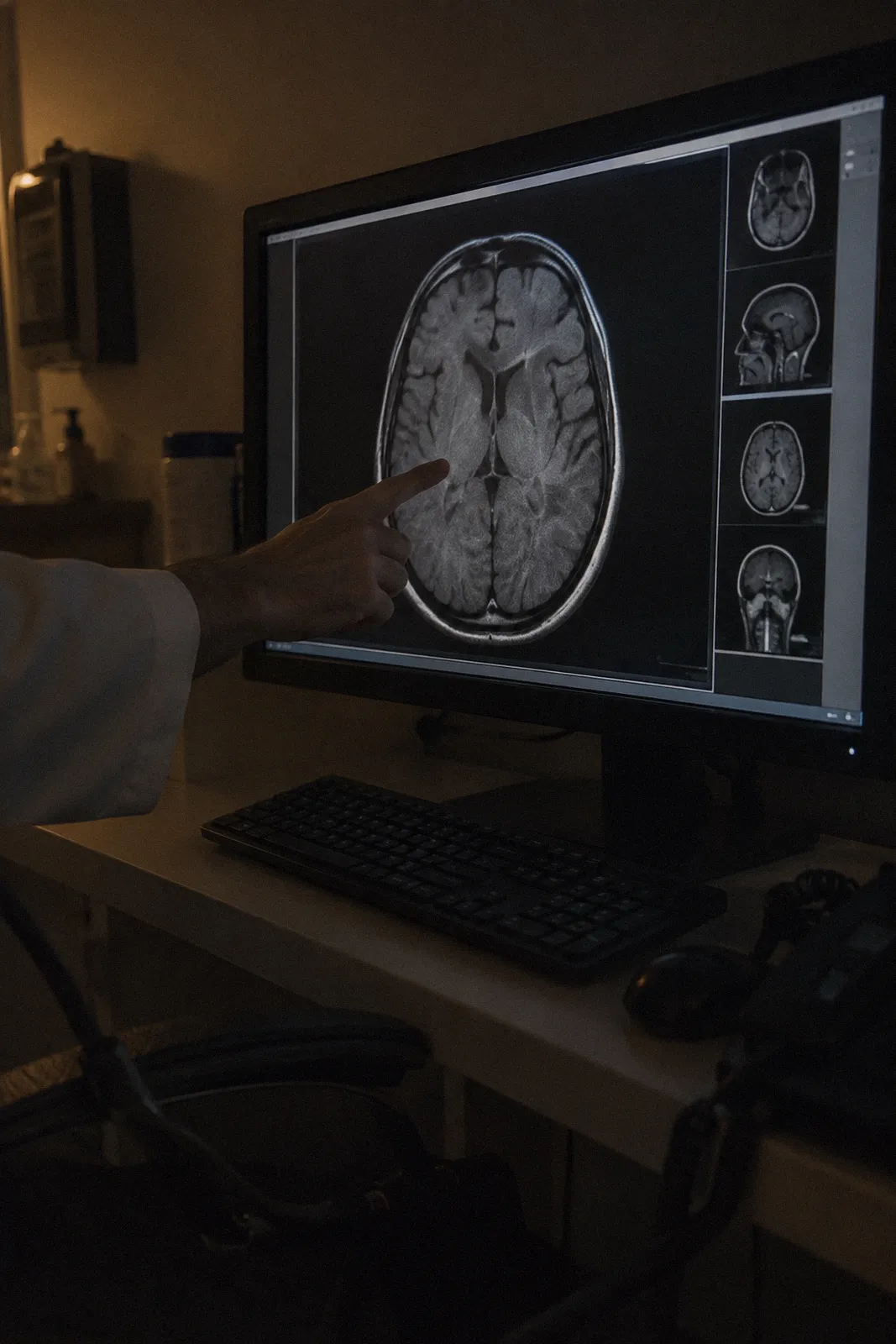
A brain injury lawyer in Arizona can help you prove what happened, document what the injury has changed in your life, and pursue the full cost of care and lost income from the people responsible. Traumatic brain injuries often follow crashes, falls and hard impacts, and symptoms can appear or worsen over days or weeks. Most Arizona injury claims must be filed within 2 years of the injury (A.R.S. 12-542(1)), and some situations shorten that time.
- Filing deadline
- Generally 2 years from the injury
- A.R.S. 12-542(1)
- Government defendant
- Written notice of claim within 180 days
- A.R.S. 12-821.01
- Injured child
- Limitations period paused until age 18
- A.R.S. 12-502
- Damage caps
- None on personal injury damages
- Ariz. Const. art. 2 sec. 31; art. 18 sec. 6
Brain Injury Lawyer in Arizona: Why These Claims Are Different
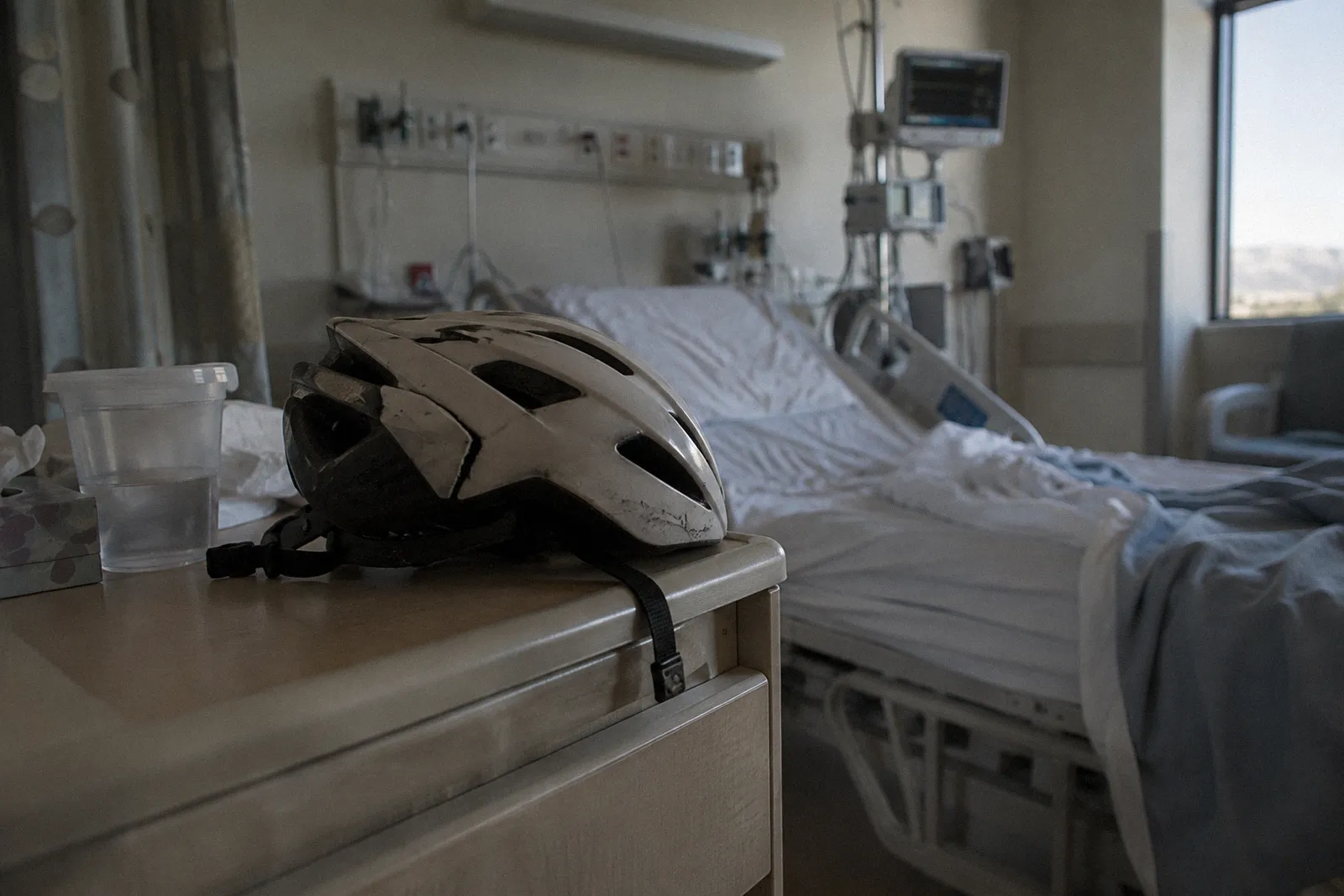
Most injuries can be seen on an X-ray or in a cast. A brain injury often cannot. A person can look fine, talk normally and still struggle with memory, headaches, sleep, balance, mood or concentration. Family members notice first: she is not herself, he forgets what we just talked about. Insurance companies know this, and they tend to treat an injury they cannot see as an injury that is not serious.
A TBI lawyer in Arizona has to make the invisible visible. That means medical records from the first visit forward, testing and specialists when they are recommended by your providers, statements from the people who knew you before the injury, and a clear picture of how your work and daily life have changed. Valley Accident Law takes cases anywhere in Arizona, and our attorney, Charles Paglialunga, brings 32 years of experience helping injured people. We will explain your legal rights in plain language and tell you honestly what we see.
The earlier you call, the better, but it's never too late to find out your legal rights. You pay no attorney fee unless we recover money for you.
Common Causes of Traumatic Brain Injury in Arizona
A head injury lawyer sees the same patterns again and again. Each cause points toward a different responsible party and different evidence.
- Car, truck and motorcycle crashes
Sudden stops and impacts can injure the brain even without a blow to the head. See our pages on car accident claims, truck accident claims and motorcycle claims.
- Pedestrian and bicycle collisions
People struck on foot or on a bike often hit the pavement as well as the vehicle. See pedestrian accident claims and bicycle accident claims.
- Falls on unsafe property
Wet floors, broken stairs and poor lighting can lead to a head strike on tile or concrete. Read about slip and fall claims.
- Golf cart and low-speed vehicle accidents
Open vehicles offer little protection in a rollover or a fall. Our page on golf cart accidents covers these claims.
- Dog attacks and other impacts
A dog can knock a child or an older adult to the ground, and a fall onto a hard surface can injure the head.
- Bus and rideshare crashes
Passengers can be thrown against seats, poles and windows. See bus accident claims and rideshare claims.
From the Injury to the Claim: What the Months Can Look Like
Every case moves at its own pace, and your treatment comes first. This is a general outline of how the medical side and the legal side fit together.
The day of the injury
Get checked, even with no or seemingly minor symptoms
Tell the provider how the injury happened and mention any head strike, confusion, dizziness or nausea. The first record is the one every later record is measured against.
The first weeks
Follow your providers and keep a simple journal
Write down headaches, memory lapses, sleep trouble and missed work. Do not agree to a recorded statement from an insurance company until you have talked with us.
The following months
Specialists, testing and therapy
Neurologists, therapists and other providers may evaluate how the injury affects you. We collect those records and track the bills.
When the long-term picture is clearer
Valuing the claim
Settling too early can leave future care unpaid. We aim to understand how the injury is likely to affect your work and life before any number is discussed.
Mild and Severe Brain Trauma: What a Brain Trauma Lawyer Documents
A concussion and a severe brain injury are different medical events, and the claims look different too. Both deserve serious attention.
Mild traumatic brain injury
- Symptoms may be delayed and may be dismissed as stress or fatigue
- The proof often rests on early medical records, a symptom journal and statements from family and co-workers
- Insurers often argue the injury has resolved or was never serious
- We look at lasting effects on work, memory, mood and daily routines
Moderate to severe brain injury
- Hospital stays, rehabilitation and ongoing medical care can be extensive
- Cost of future care, attendant help and home changes may be central to the claim
- Lost earning capacity can be large when a person cannot return to the same work
- Family members often become caregivers, and that role belongs in the evidence
Mild Traumatic Brain Injury Settlement: What Drives the Value
People search for a mild traumatic brain injury settlement number because they want to know what to expect. We understand that, but no honest lawyer can quote one without your records. A mild injury can resolve in weeks for one person and change another person's career for years, and a number that averages them is not useful.
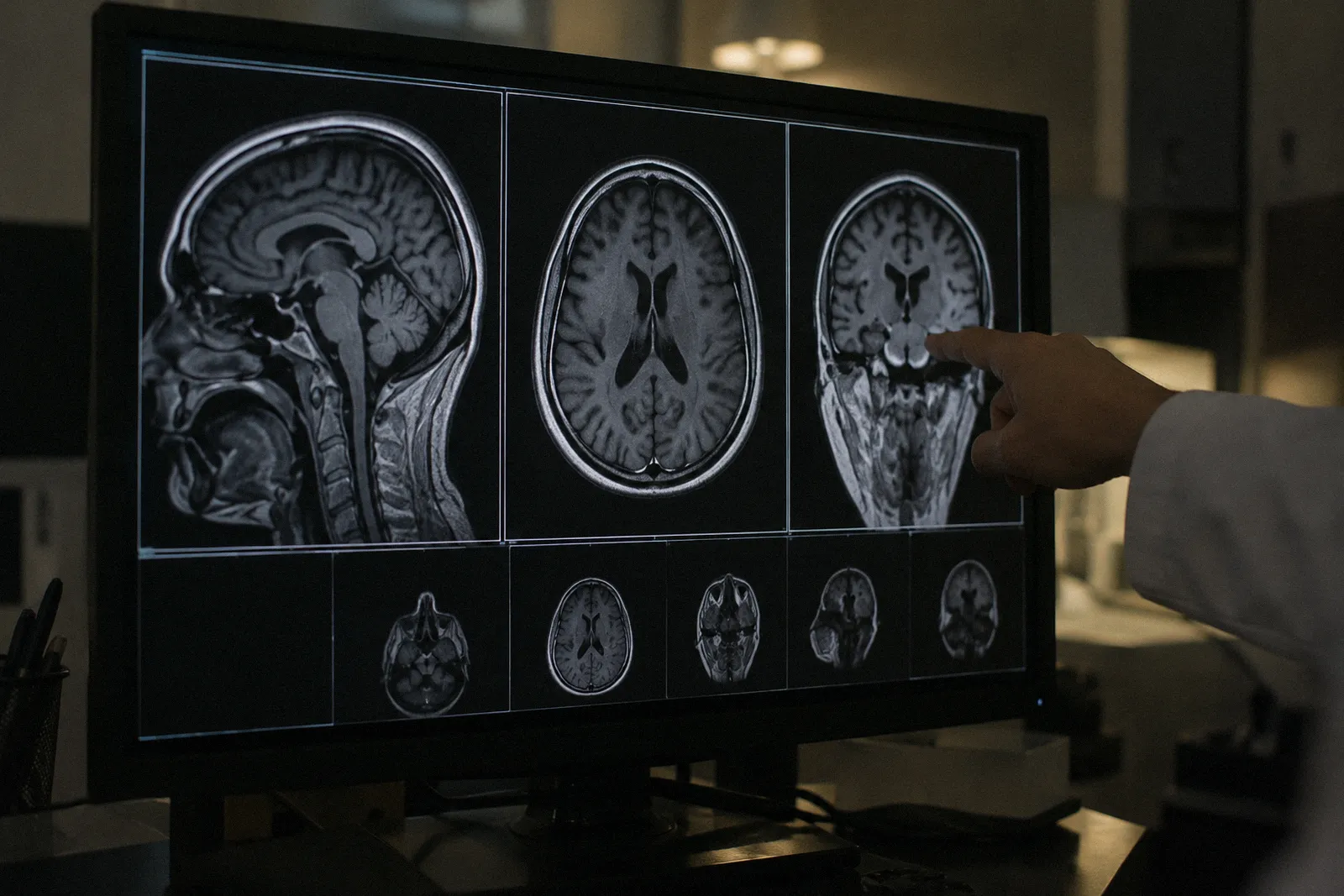
What shapes the value of a brain injury claim is a short list of real facts. How long did symptoms last, and are they still there? What did treatment cost, and what care is still ahead? Has the injury changed your ability to work, drive or care for your family? How clear is the evidence about who was at fault? And how much insurance is available? A brain damage lawyer builds the claim around those questions rather than around a formula.
Arizona has no caps on personal injury damages (Ariz. Const. art. 2 sec. 31; art. 18 sec. 6), so a serious, lasting injury can be valued for what it has actually taken from you. Arizona also uses pure comparative fault (A.R.S. 12-2505): an argument that you share blame may reduce a recovery, but no percentage bars it. Insurance companies and attorneys often negotiate that percentage, which is one reason early legal advice matters. Our guide to what a personal injury case is worth explains the factors in more detail.
When the Clock Starts Can Depend on the Facts
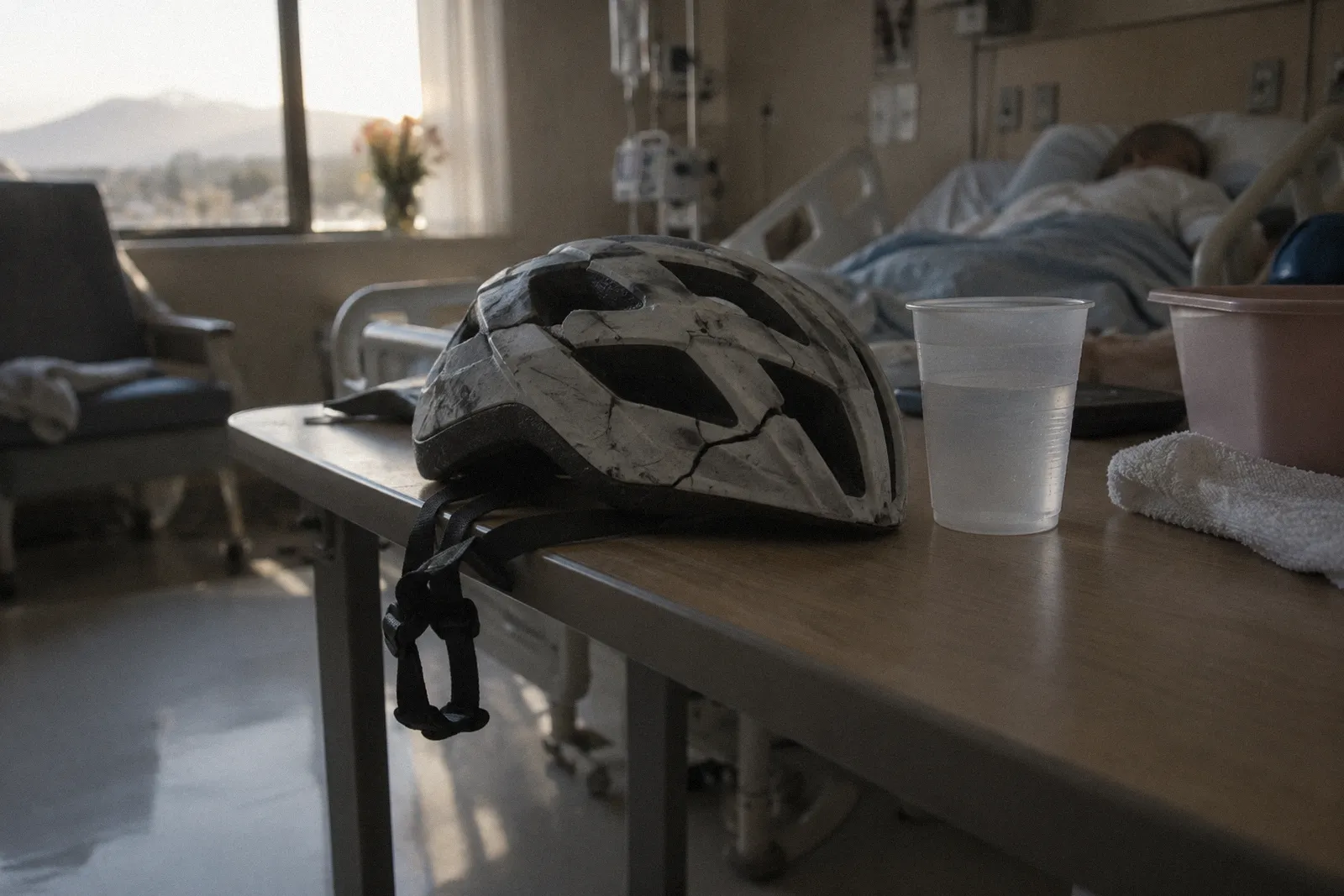
The general rule is 2 years from the injury (A.R.S. 12-542(1)). In some cases the clock can start when you knew or should have known of the injury and its cause, which can matter when a brain injury was not recognized right away. Do not rely on that exception without talking to us. A claim against a city, a county or another public entity requires a written notice of claim within 180 days (A.R.S. 12-821.01). For a child, the deadlines against a public entity are paused until age 18, but the parents' own claim for medical bills they paid is not paused, and families should not wait (A.R.S. 12-821.01(D); 12-502). These rules have exceptions, so call us and we will explain how they apply to you.
Evidence That Can Matter in a Brain Injury Claim
A brain injury claim is built from many small pieces. Here is what we try to gather, and what you can start saving today.
- Emergency room and hospital records that describe the head strike, symptoms and any scans
- Records from every later provider, including neurologists, therapists and primary care
- Records and bills for testing and rehabilitation
- A symptom journal with dates: headaches, memory lapses, sleep, mood and missed work
- Statements from family, friends and co-workers who saw the change after the injury
- Employer records of missed work, reduced duties or a change in performance
- The police report, photos of the scene and the vehicles, and witness information
- Insurance information for everyone involved
Arizona
Where Brain Injury Care Happens in the Phoenix Metro
Treating hospitals and rehabilitation providers create records that become part of your claim, and we request them early. The Arizona Department of Health Services keeps the list of designated trauma centers. Our guide to Phoenix area trauma centers has more detail.
HonorHealth Scottsdale Osborn Medical Center
A Level I trauma center at 7400 E. Osborn Road, the one closest to our Scottsdale office.
Banner University Medical Center Phoenix and Valleywise Health
Two of the Level I trauma centers with Phoenix addresses, at 1111 E. McDowell Road and 2601 E. Roosevelt Street.
Phoenix Children's Hospital
The Level I pediatric trauma center on the state list, at 1919 E. Thomas Road.
Banner Desert Medical Center and Chandler Regional Medical Center
Level I trauma centers in Mesa and Chandler for East Valley injuries.
Encompass Health Valley of the Sun Rehabilitation Hospital
An inpatient rehabilitation hospital in Glendale that lists brain injury among the conditions it treats.
Questions to Ask When Choosing the Best Brain Injury Lawyer
No official ranking tells you who the best brain injury lawyer is, so ask questions and trust the answers that sound honest. These are the ones we would ask.
- How will you explain the deadlines to me?
A lawyer should name the dates that apply to your case and say plainly when they are uncertain.
- What will you do first?
Look for a plan to preserve evidence and request records, not a promise about the outcome.
- How do you handle the cost of future care?
A serious injury needs a realistic view of the years ahead before any settlement is discussed.
- Who will I talk to when I have a question?
Ask how you will reach the firm and what response you can expect.
- How do fees work?
At Valley Accident Law, You pay no attorney fee unless we recover money for you. Ask any firm to explain how costs are handled in writing.
Insurance, Medical Bills and Who Pays for a Brain Injury
Brain injury treatment is expensive, and the person responsible may carry far less insurance than the bills require. The minimum liability coverage in Arizona is $25,000 per person and $50,000 per accident for bodily injury (A.R.S. 28-4009), and many serious injuries exceed it. Your own uninsured and underinsured motorist coverage may help, and written notice to your own insurer is due within 3 years (A.R.S. 12-555). Our guide to Arizona insurance minimums explains how the numbers work.
More than one party can share responsibility, and in Arizona each defendant is generally responsible for its own share (A.R.S. 12-2506), with exceptions. That is why we look at every driver, owner, employer and business involved. If the conduct was outrageous, such as drunk driving, punitive damages may be possible when shown by clear and convincing evidence (Linthicum v. Nationwide (Ariz. 1986)).
Health insurers and hospitals can claim part of a settlement back, so read about medical liens and ask us how the bills in your case will be handled.
Brain Injury Lawyer by City in the Phoenix Metro
Hospitals, police departments and courts differ from city to city. These pages cover the local details.
Questions
Questions about Arizona brain injury cases
Do I need a TBI lawyer in Arizona if my scans looked normal?
A normal-looking scan does not by itself end a claim. Many brain injury claims are proven through early medical records, ongoing treatment, a symptom journal and statements from people who knew you before. We can review your records and tell you honestly what we see.
How long do I have to file a brain injury claim?
Most Arizona injury claims must be filed within 2 years of the injury (A.R.S. 12-542(1)). A claim against a public entity requires a written notice of claim within 180 days (A.R.S. 12-821.01). The clock can start later when an injury was not recognized right away, but do not count on that. Call us and we will explain how the rules apply to you.
What is a mild traumatic brain injury settlement worth?
There is no reliable number without your records. The value depends on how long symptoms last, the cost of care, the effect on your work and daily life, the evidence about fault and the insurance available. We will not quote a figure before we have reviewed your case.
What if my symptoms showed up days after the crash?
That is common. Many people have no or seemingly minor symptoms at first. Get checked and tell your provider about the incident. A record that begins soon after the event is easier to connect to what happened.
Can I recover for future care and lost earning capacity?
A claim can include future medical care and the loss of earning capacity when the evidence supports them. Arizona has no caps on personal injury damages (Ariz. Const. art. 2 sec. 31; art. 18 sec. 6).
My child hit their head. Is there a different deadline?
For a child, the limitations period is generally paused until age 18 (A.R.S. 12-502), and then the normal period runs. Against a public entity, the child's deadlines are paused until 18, but the parents' own claim for medical bills they paid is not, and their notice is due within 180 days of the injury. Families should not wait.
How do fees work?
You pay no attorney fee unless we recover money for you. The first step is a free case review, and there is no obligation.
Free case review
Worried about a head injury? Call us before you give a statement.
Our experienced and friendly attorney will explain your legal rights and what the deadlines mean for you. You pay no attorney fee unless we recover money for you. The earlier you call, the better, but it's never too late to find out your legal rights. Request your free case review or call (602) 584-8054. Call any time. Office visits Monday to Friday, 9 to 5.
Thank you, we’ve received your request.
A member of our team will reach out shortly. If your matter is urgent, call us now at (602) 584-8054.