
Scottsdale Drunk Driving Accident Lawyer
Drunk Driving Accident Lawyer in Scottsdale, Serving Phoenix
A drunk driving crash is not an accident in the ordinary sense. Someone chose to get behind the wheel impaired, and that choice can support a civil claim that goes beyond ordinary negligence. As a drunk driving accident lawyer in Scottsdale, we work on your civil claim, which is separate from the criminal DUI case, and a criminal conviction is not required for you to be made whole. Most Arizona injury claims must be filed within two years (A.R.S. 12-542).
- Filing deadline
- 2 years from the crash, 2 years from the date of death in a wrongful death claim
- A.R.S. 12-542
- Punitive damages
- Possible when the driver acted with an "evil mind," shown by clear and convincing evidence
- Linthicum v. Nationwide (Ariz. 1986)
- Bars and restaurants
- Liable if they sold to an obviously intoxicated person or a person under 21 and the sale was a proximate cause
- A.R.S. 4-311
Hurt by a Drunk Driver in Arizona
A drunk driving crash is not an accident in the ordinary sense. Someone chose to get behind the wheel impaired, and that choice can support a civil claim that goes beyond ordinary negligence. The criminal case the state brings is separate from your right to recover compensation, and a criminal conviction is not required for you to be made whole. Valley Accident Law represents people hurt by impaired drivers across the Phoenix metro. Founder Charles Paglialunga has 32 years of Arizona accident experience. Request your free case review or call (602) 584-8054.
Drunk driving crash victims in Arizona have legal rights that extend well beyond what happens in criminal court. A civil lawsuit lets you recover medical expenses, lost wages, and pain and suffering, and Arizona courts can award punitive damages when a drunk driver acted with conscious disregard for others. Car accident cases involving alcohol impairment often produce the strongest evidence of fault available. People searching for Scottsdale DUI car accident lawyers are sometimes looking for criminal defense. We work on the other side of that case, for the person who was hurt.
Arizona
The Criminal Case and Your Civil Claim Are Separate
You do not have to wait for, or rely on, the outcome of the criminal DUI case to pursue compensation. The two move on different tracks. We coordinate with the criminal process where it helps your civil claim. A criminal DUI prosecution and a civil injury claim run on separate tracks. The state controls the criminal case. You control the civil case. You decide whether to settle or go to trial, and the outcome of the criminal proceeding does not determine your right to compensation. Yes, you can file a civil lawsuit even if the drunk driver was not convicted. Criminal and civil cases use different legal standards.
The criminal DUI case
- The state controls the case.
- A criminal conviction requires proof beyond a reasonable doubt.
- A DUI conviction is powerful evidence of negligence in a civil case, but it is not required.
Your civil claim
- You control the case, including whether to settle.
- Your civil claim requires only a preponderance of the evidence, meaning it is more likely than not that the driver was impaired and caused your injury.
- An acquittal or plea reduction in criminal court does not prevent you from pursuing civil recovery for your damages.
How Fault and Evidence Work in a Drunk Driving Case
In a drunk driving crash, fault is rarely as contested as it can be in an ordinary two car collision. A police report, field sobriety results, and a blood or breath test often create a paper trail that supports your claim from the outset. We gather the report, the DUI citation, witness statements, and 911 recordings, and we send preservation letters so dash cam and nearby surveillance footage is not lost before we can obtain it.
Even so, the at fault driver's insurer will still look for ways to limit what they pay, questioning your injuries, your treatment gaps, or your own driving in the moments before impact. Arizona follows a pure comparative fault rule (A.R.S. 12-2505), so an intoxicated driver can still try to shift some blame onto you, and insurance companies and attorneys often negotiate the percentage of fault. Expect the first offer to undervalue your claim, and expect us to push back with the full evidence file before any number is accepted.
Arizona uses a fault-based system for car accident liability. The driver who caused the crash is financially responsible for the harm that followed. When that driver was impaired by alcohol, evidence of fault tends to be substantial: police reports noting blood alcohol content, field sobriety test results, and witness observations all work in your favor. Under A.R.S. 28-1381, driving with an alcohol concentration of 0.08 or more (measured within two hours of driving) is per se unlawful, and so is driving while impaired to the slightest degree. A civil claim does not depend on the criminal case, so you can pursue one even if the criminal case was reduced or dismissed. Drivers impaired by alcohol while driving Arizona roads face liability under both statute and common law. The drunk driver who injured you carries that liability regardless of how the criminal case resolves.
Strong civil cases against a drunk driver depend on documentation gathered as early as possible after the accident.
- Police and accident reports.
Officers at the scene document field sobriety results, BAC readings, and direct observations of impairment. Request your report from the responding agency or through the Arizona Department of Public Safety. Our guide on how to get a police report in Arizona explains how.
- Medical records.
Every treatment record connects your injury to the crash. See a doctor immediately after the accident, even if your initial symptoms seem minor. Gaps in treatment give the defense an opening to argue your injuries were not serious.
- Witness statements.
Bystanders, other drivers, and first responders can all provide accounts of the drunk driver's behavior before or at the moment of impact.
- Surveillance and dashcam footage.
Intersections throughout Scottsdale and the Phoenix metro are increasingly covered by traffic cameras. Video can be overwritten within days, so preserving it through a legal hold is critical.
- Toxicology results.
Official blood or breath test results from law enforcement are among the strongest pieces of evidence in any drunk driving injury claim involving a vehicle.
Punitive Damages in Drunk Driving Cases
Arizona allows punitive damages when a driver's conduct shows a reckless disregard for the safety of others, and driving while impaired often meets that standard. Punitive damages are meant to punish and deter, and they can be awarded on top of compensation for your medical bills, lost wages, and pain and suffering.
Punitive damages go further than compensation. Arizona courts award them to punish conduct that reflects an evil mind, shown by clear and convincing evidence, meaning the defendant was aware their behavior created a substantial risk of serious harm to others and proceeded anyway. The Arizona Supreme Court established this standard in Linthicum v. Nationwide Life Insurance Co. (1986). An evil mind can be shown in one of two ways: the defendant intended to cause harm or acted out of spite or ill will, or the defendant engaged in outrageous, oppressive or intolerable conduct that created a substantial risk of tremendous harm, showing a conscious and deliberate disregard for the safety of others. Drunk driving can qualify as the kind of conduct that supports punitive damages. A driver who gets behind the wheel with a blood alcohol level significantly above the legal limit, or who has prior DUI convictions on record, may face a punitive award in addition to compensatory damages. These awards are never certain and no lawyer can promise them, but they are a real possibility when the facts involve clear recklessness. If you are unsure whether punitive damages apply to your situation, we can assess the specific facts and give you an honest evaluation of what the evidence supports.
What Your Case Is Worth
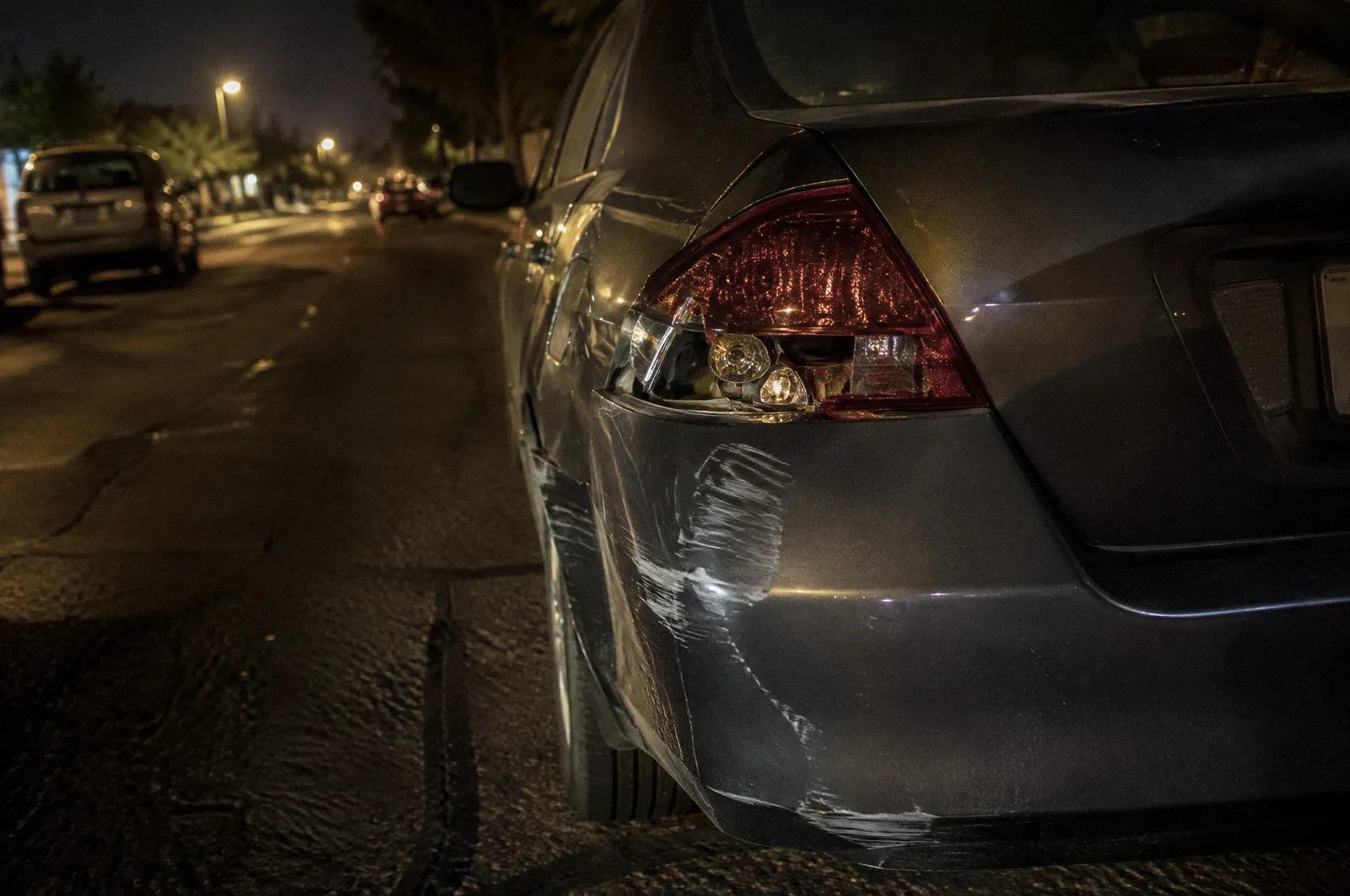
Arizona law lets you recover medical bills, future care, lost wages and earning capacity, vehicle damage, and pain and suffering, plus punitive damages in the right case. Arizona sets no cap on personal injury or death damages (Ariz. Const. art. 2 sec. 31). If a death resulted, we also handle the wrongful death claim. We review every layer of coverage, including your own uninsured and underinsured motorist coverage.
- Compensatory damages
These replace what you lost: emergency room and hospital bills, follow-up care, physical therapy, lost income during recovery, future lost earning capacity if the injury affects your ability to work, and pain and suffering.
- Emotional distress
Pain and suffering damages in Arizona include both physical pain and emotional distress caused by the crash. Anxiety, depression, PTSD, and lasting fear of driving are all compensable if they are documented by a treating provider and connected to the accident. A medical record is the strongest form of documentation for these damages.
- Your share of fault
Arizona follows a pure comparative fault rule. Even if you were partly responsible for the accident, you may still recover damages reduced by your percentage of fault. In cases involving an impaired driver, the drunk driver's conduct often represents the dominant share of fault, and your recovery may not be significantly reduced as a result.
- Insurance shortfalls
Arizona requires drivers to carry insurance, but many policies fall well short of what a serious injury actually costs. This is where your own uninsured and underinsured motorist coverage often becomes the primary source of recovery. We review every policy that may apply, including yours, before we ever settle with the at fault driver's insurer. Arizona requires only $25,000 per person in liability coverage, which is often insufficient after a serious crash. Your own uninsured and underinsured motorist coverage may apply. Dram shop claims against the alcohol vendor may provide additional recovery. An attorney can identify all available sources of compensation specific to your accident.
Dram Shop Claims Against Bars and Restaurants
Under Arizona's dram shop law (A.R.S. 4-311), a licensed bar or restaurant that serves an obviously intoxicated patron who then causes a crash can share responsibility for the harm. When the at-fault driver has little insurance, an over-serving establishment may be an additional source of recovery. We investigate where the driver was drinking and whether a dram shop claim applies.
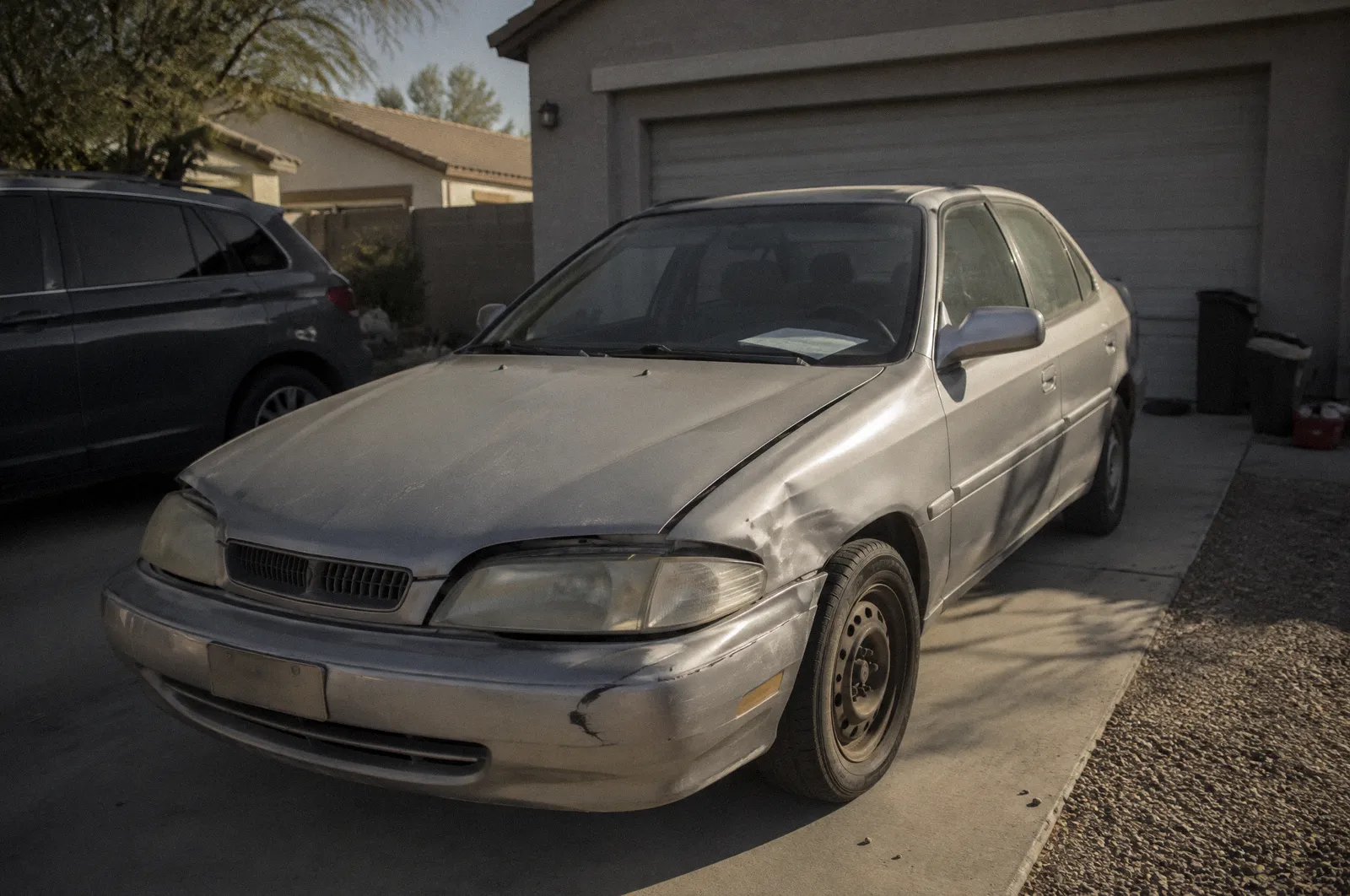
The law allows crash victims to hold alcohol vendors liable in specific circumstances. If a bar, restaurant, or liquor store sold alcohol to an obviously intoxicated person or a person under 21, and the sale was a proximate cause of a car accident, the vendor may share legal responsibility for resulting injuries. Records, security footage, and employee accounts can disappear quickly, so preserving them requires prompt legal action. Not every drunk driving case involves a viable dram shop claim. When one does exist, it may open an additional source of recovery. That matters when the at-fault driver carries minimal insurance. Arizona requires only $25,000 per person and $50,000 per accident in bodily injury liability coverage (A.R.S. 28-4009), an amount that falls short of actual medical costs in many serious accidents.
Liability is not automatic. You must show that the business sold alcohol to someone who was obviously intoxicated or under 21, that the person actually drank it, and that the drinking was a proximate cause of the crash and your injuries. The drunk driver cannot turn around and sue the bar for his or her own injuries (A.R.S. 4-312), and an adult passenger who willingly rode with a driver he or she knew was intoxicated is generally barred as well. The law is there to protect the people the driver hurt.
The timing is different too. You generally have two years to sue the drunk driver, but you likely have only one year from the date of the crash to bring a statutory dram shop claim against the establishment, and bars routinely record over security video within days. Call us immediately so we can send the venue a letter demanding that it preserve the evidence.
Fatal Crashes: Wrongful Death Claims for Surviving Families
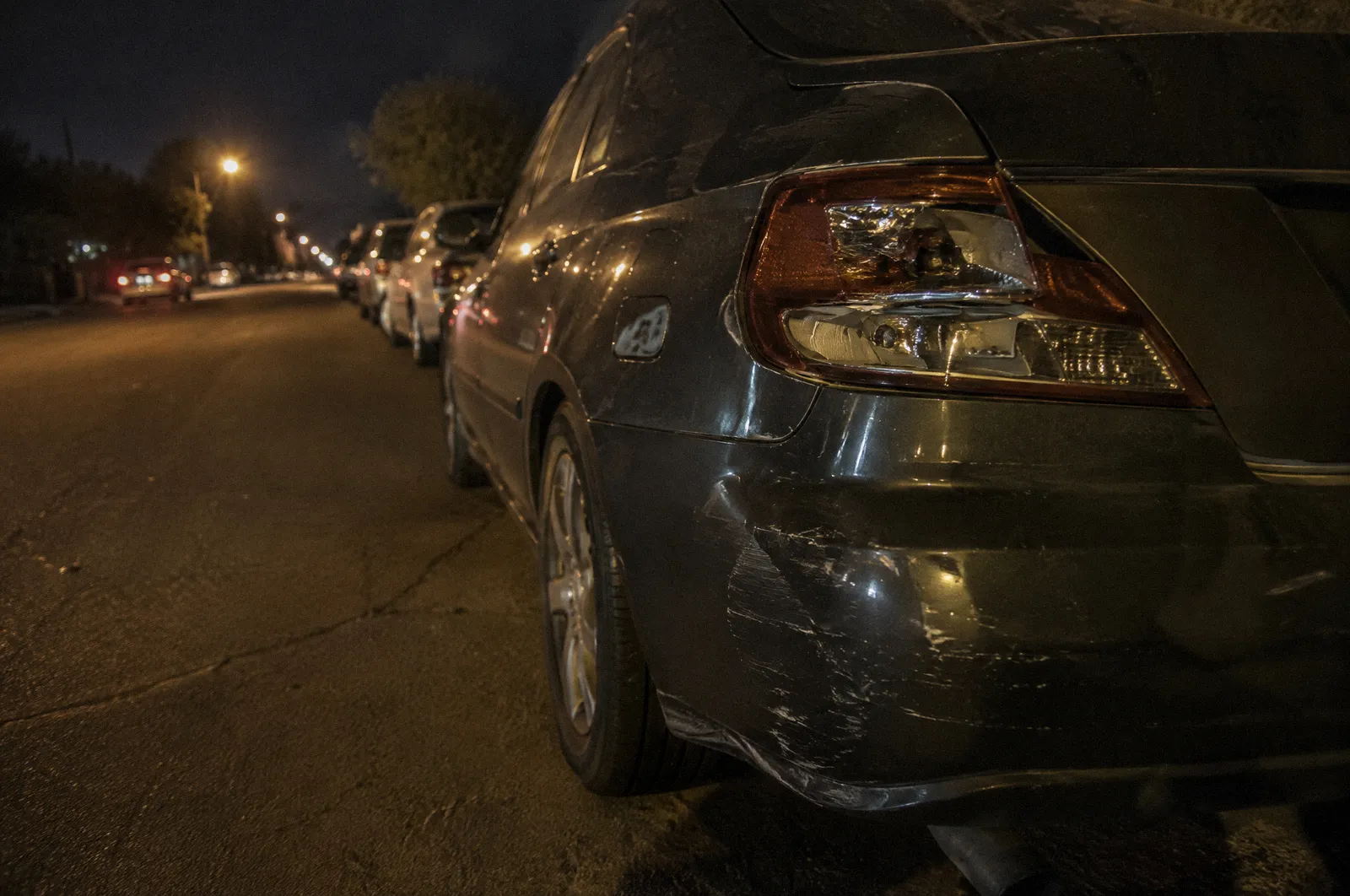
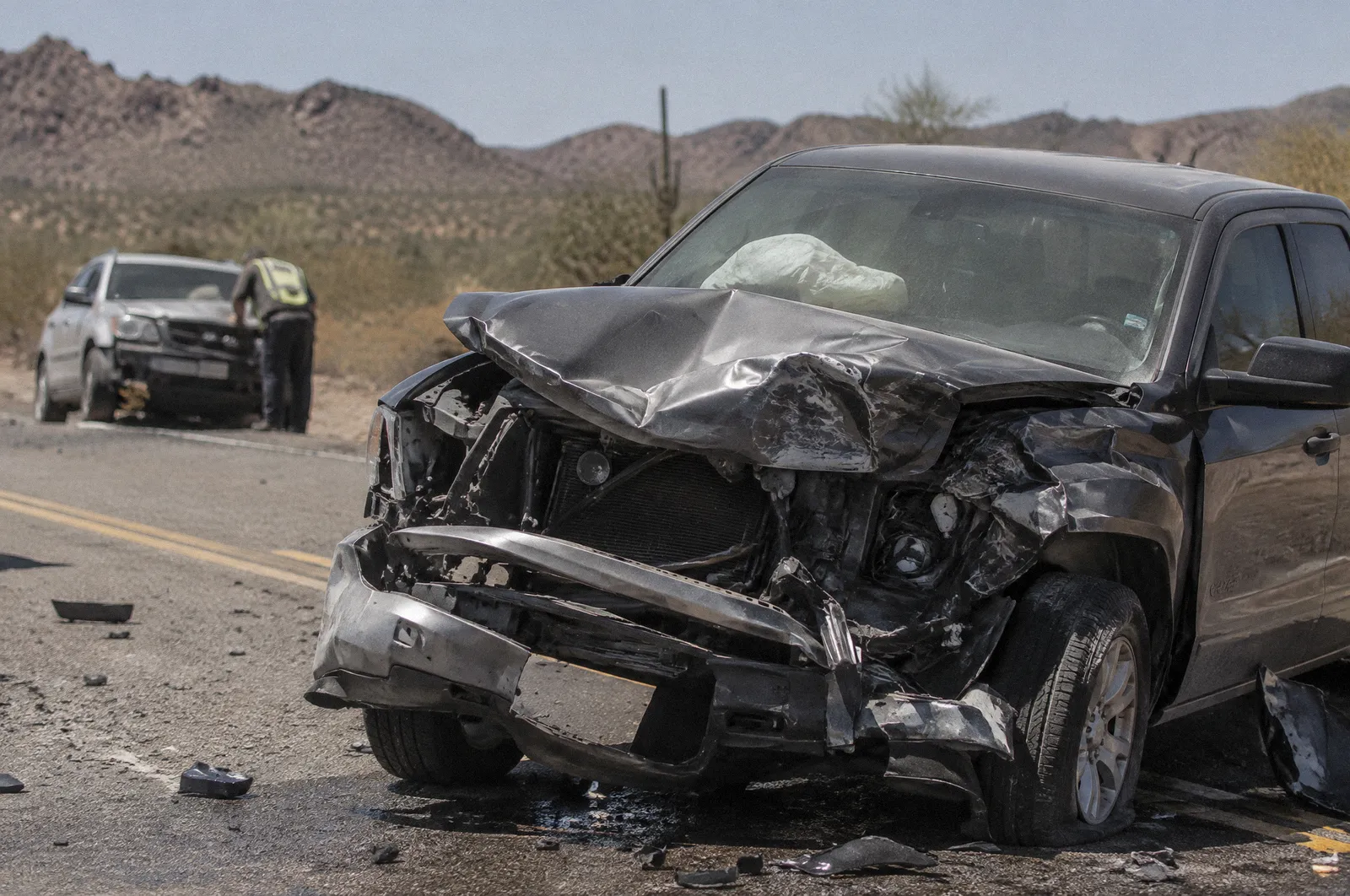
When drunk driver crashes result in death, surviving family members may bring a wrongful death claim under A.R.S. 12-611. A surviving spouse, child, parent or guardian, or the personal representative may bring the claim, for the benefit of the spouse, children, and parents, or the estate if none survive (A.R.S. 12-612). Recoverable damages include loss of companionship, grief, loss of financial support, and funeral and burial expenses. Families facing insurance companies and legal deadlines while grieving confront a genuinely difficult situation. The statute of limitations for wrongful death claims in Arizona is generally two years from the date of death (A.R.S. 12-542). Missing that deadline will under most circumstances close the claim permanently. If you lost a family member to a drunk driver, speak with an attorney as soon as possible to protect your legal rights.
The Two-Year Deadline
Most Arizona injury claims must be filed within two years of the crash. Earlier is always better. Arizona's general statute of limitations for personal injury is two years from the date of the accident (A.R.S. 12-542). Narrow exceptions exist for minors and for claims involving government entities, which may require a formal notice of claim within 180 days (A.R.S. 12-821.01). Do not assume you have time to spare. Consult an attorney as soon as you are able. These rules have exceptions, so call us and we will explain how they apply to you.
What to Expect From a Drunk Driving Accident Lawyer in Scottsdale
If you were hurt by an impaired driver, our first step is simple. We listen to what happened, review the police report if one exists, and explain what your options actually look like under Arizona law. As a drunk driving accident lawyer in Scottsdale, we handle the insurance calls, the record requests, and the evidence preservation so you can focus on recovering. We build your claim around every driver who may share responsibility, not just the one named on the citation, and we track every medical bill and missed paycheck so nothing gets left out of the demand. There is no obligation tied to a first conversation. The earlier you reach out the more evidence we can preserve, but it's never too late to find out where you stand.
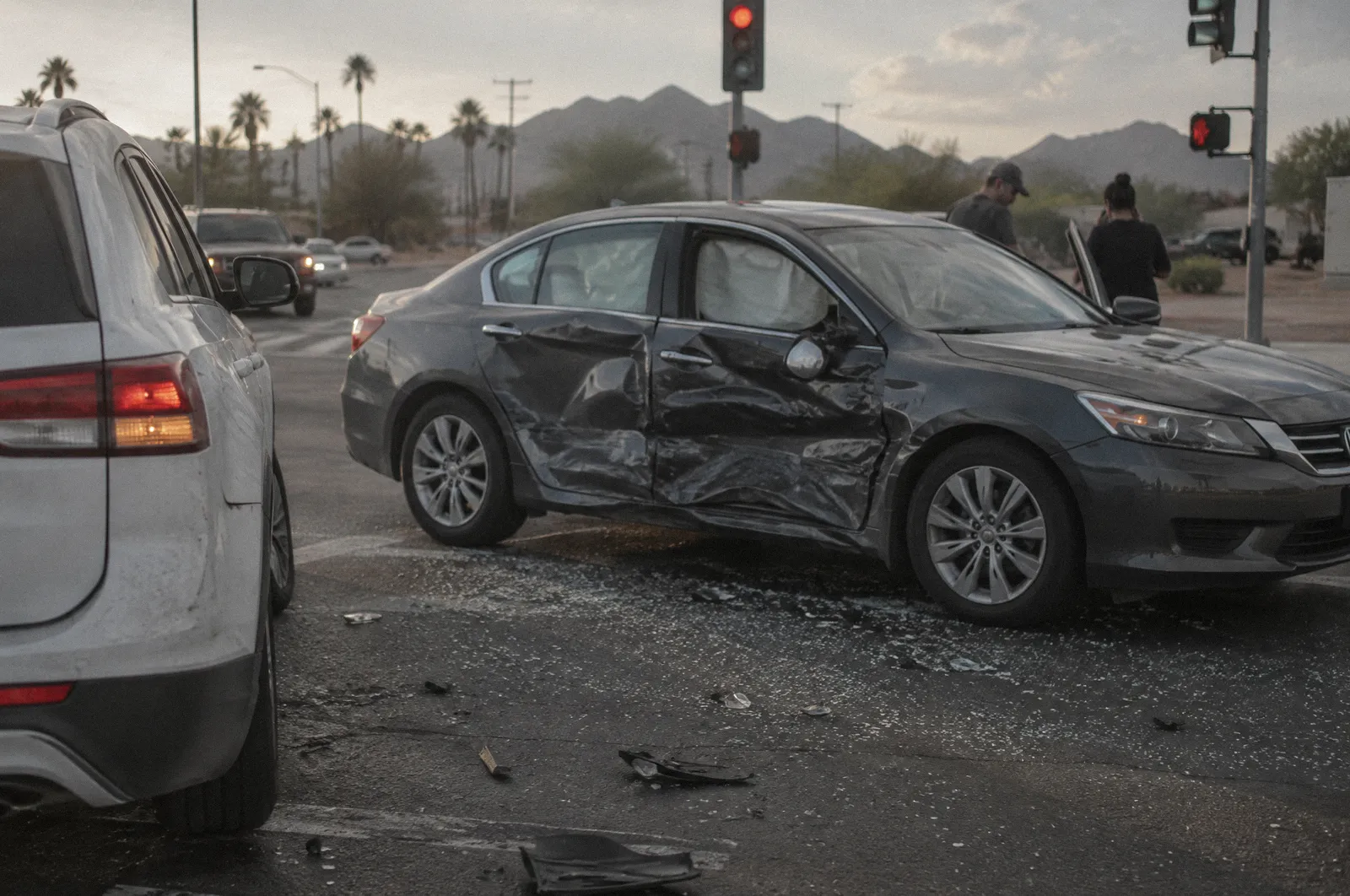
An Arizona drunk driving accident lawyer can also explain what happens if a lawsuit becomes necessary. If a lawsuit does need to be filed to protect your claim within Arizona's deadline, we handle that process and keep you informed at every stage. Going to court is not something you have to navigate on your own. If you were hit in Phoenix, a drunk driving victim attorney can start on the same steps, and a drunk driver accident attorney can explain how your own coverage fits in. Our broader page on a car accident lawyer in Scottsdale explains how we handle crash injury claims in general.
Related pages
Statewide guide
Types of car accident claims
Questions
Questions about Scottsdale drunk driving accident cases
Can I get punitive damages if a drunk driver hit me?
Often, yes. Arizona allows punitive damages where the conduct shows reckless disregard for others, and impaired driving frequently qualifies. The standard is an "evil mind," shown by clear and convincing evidence: either an intent to cause harm, or outrageous conduct that created a substantial risk of tremendous harm with a conscious and deliberate disregard for your safety.
Can the bar that over-served be held responsible?
Possibly, under Arizona's dram shop law, if a licensed establishment served an obviously intoxicated patron who then caused the crash. You likely have only one year from the date of the crash to bring that claim against the establishment, so call us right away.
Do I have to wait for the DUI criminal case?
No. Your civil claim is separate and does not depend on a criminal conviction.
What does it cost?
You pay no attorney fee unless we recover money for you. Your fee agreement will be in writing and will explain the percentage and how costs are handled.
What if I was a passenger and the drunk driver was a friend or family member?
You can under most circumstances still pursue a claim against the driver's insurance policy even if you know them personally. The claim is against the insurance coverage, not a personal conflict with someone you care about, and Arizona law does not require you to have been a stranger to the driver.
How long will my drunk driving injury claim take?
It depends on how long your medical treatment lasts and how the insurer responds to the evidence we present. Some claims resolve in a matter of months, while more serious injuries take longer because we wait until your treatment is complete to know the full value of your claim.
What if the driver was not arrested at the scene?
A civil claim does not depend on an arrest or a DUI charge being filed. We can still investigate the crash independently, using the police report, witness accounts, and toxicology evidence where it exists, to establish that the driver was impaired. An arrest can help but it is not a requirement for you to pursue compensation.
What should I look for in a drunk driving accident lawyer near me?
Look for someone who will explain your options plainly, answer your questions, and tell you honestly what the evidence supports. Our office is at 5635 N Scottsdale Rd, Suite 170, Scottsdale, AZ 85250, and we help people hurt across the Phoenix metro.
Free case review
Talk Directly to an Arizona Attorney About Your Case
Drunk driving crash victims in Arizona deserve clear answers without pressure or legal jargon. Call (602) 584-8054 or request your free case review, and we will explain your legal rights and give you the honest assessment your situation requires. The earlier you call, the better, but it's never too late to find out your legal rights.
Call any time. Office visits Monday to Friday, 9 to 5.
Thank you, we’ve received your request.
A member of our team will reach out shortly. If your matter is urgent, call us now at (602) 584-8054.