
Arizona Car Insurance Minimums
Arizona Car Insurance Minimums: What the Required Coverage Does and Does Not Cover
Arizona car insurance minimums are $25,000 per person and $50,000 per accident for bodily injury, plus $15,000 for property damage, a limit usually written as 25/50/15. These are the limits drivers have had to carry since July 1, 2020 under A.R.S. 28-4009. They are a legal floor, not a measure of what a serious crash costs, so an injured person is often left with losses that are larger than the at-fault driver’s coverage.
Reviewed by Charles Paglialunga, Esq.
- Bodily injury, per person
- $25,000
- A.R.S. 28-4009
- Bodily injury, per accident
- $50,000
- A.R.S. 28-4009
- Property damage
- $15,000
- A.R.S. 28-4009
- In effect since
- July 1, 2020
- Arizona is an at-fault state, not no-fault
Arizona Car Insurance Minimums at a Glance
These are the required liability limits for a standard Arizona auto policy. The AZ state minimum car insurance limits pay for harm you cause to other people, not for your own injuries or your own car.
| Type of coverage | Minimum required | What it pays for |
|---|---|---|
| Bodily injury liability, per person | $25,000 | Injuries to any one other person you hurt in a crash |
| Bodily injury liability, per accident | $50,000 | The most the policy pays for all injured people combined in one crash |
| Property damage liability | $15,000 | Damage you cause to other people’s vehicles and property |
Source: A.R.S. 28-4009, limits in effect since July 1, 2020. Confirm current limits with your insurer.
Arizona Minimum Car Insurance: What Each Number Means
Arizona car insurance requirements are written as three numbers, 25/50/15. The first is the most the policy will pay for bodily injury to any one person, the second is the most it will pay for all injured people in a single accident, and the third is the most it will pay for property damage. Each number is a ceiling on what that policy owes other people, whatever the true cost of the crash turns out to be.
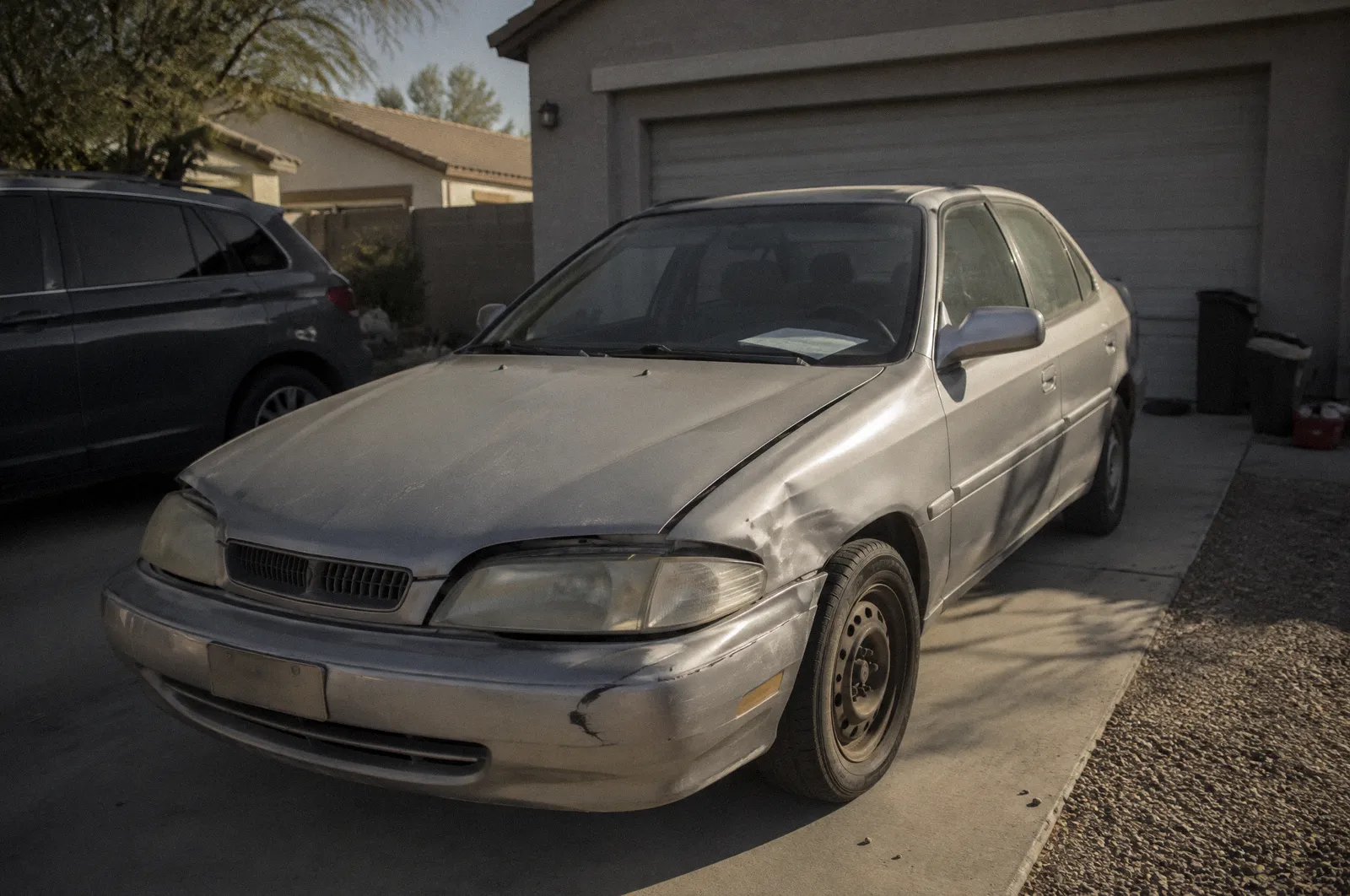
Here is a plain example. Suppose a driver carrying only the minimum insurance coverage in Arizona causes a crash that injures three people. No single injured person can collect more than $25,000 from that policy, and all three together cannot collect more than $50,000, even if their medical bills and lost wages add up to far more. The same driver’s property damage coverage stops at $15,000, which a newer truck or SUV can use up on its own.
Those limits apply to the driver who caused the crash. If you are the injured person, you do not choose them. The at-fault driver bought them, or in some cases did not buy anything at all.
The Minimum Is a Floor, Not a Measure of Your Losses
Arizona car insurance requirements set the least a driver must carry. They do not cap what you can be owed. Serious injuries can involve emergency care, surgery, ongoing treatment, missed work, and pain and suffering, and the total can exceed a $25,000 per person limit quickly. When it does, the insurance company will pay up to its limits and no further.
Once the policy limits are exhausted, you may be able to look to other sources, such as your own underinsured motorist coverage or the at-fault driver personally, though collecting from an individual is often difficult. Insurance companies know the limits on every policy and often negotiate with that ceiling in mind. These rules have exceptions, so call us and we will explain how they apply to you.
The Other Driver’s Coverage Compared With Your Own
Arizona is an at-fault state, not a no-fault state, so the driver who caused the crash is the starting point. Your own policy can matter just as much when that driver’s limits fall short.
The at-fault driver’s liability coverage
- Required by Arizona law at the 25/50/15 minimum
- Pays you for injuries and property damage the driver caused
- Limited by the per person, per accident, and property damage ceilings
- Fault is argued, and your recovery can be reduced by your share of fault
Your own optional or offered coverage
- Uninsured motorist (UM) coverage applies when the other driver has no insurance
- Underinsured motorist (UIM) coverage applies when the other driver’s limits are too low
- Medical payments coverage, where you bought it, can help with early bills
- Notice rules and policy deadlines apply, so read your policy
Why Uninsured and Underinsured Motorist Coverage Matters
Under A.R.S. 20-259.01, an insurer must offer uninsured and underinsured motorist coverage in writing, and the person buying the policy may reject it. Many drivers decline it without thinking about it, and then learn how much it would have mattered after a crash with a driver who carries only the minimum or no insurance at all.
If you do have UM or UIM coverage, it sits on top of the other driver’s limits. A claim under it has its own clock: written notice to your insurer within 3 years, with special start dates (A.R.S. 12-555), and an underinsured claim also requires a timely claim or suit against the at-fault driver. Some policies add shorter contractual deadlines, so check your policy language. Our page on uninsured motorist claims in Scottsdale goes deeper on how these claims work.
What to Do When the Other Driver’s Coverage Falls Short
You usually do not know the other driver’s limits on the day of the crash. These steps keep your options open.
- 1
Get the other driver’s insurance information
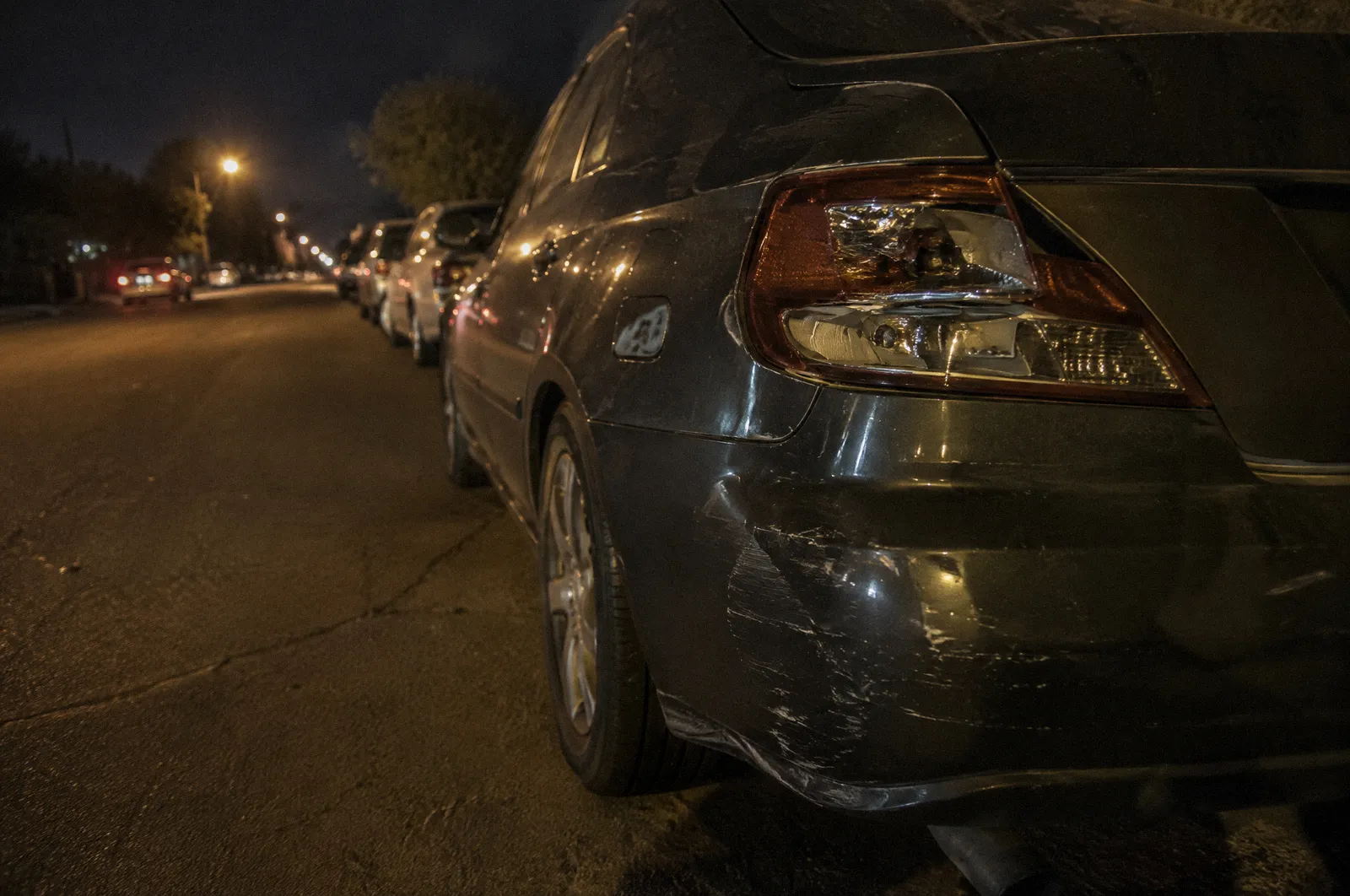
If safely possible, before any vehicle is moved, photograph the other driver’s insurance card along with the license plate and vehicle. Make sure the police report lists the insurer.
- 2
Ask about policy limits in writing
Ask the other driver’s insurance company for its insured’s policy limits, and do not assume the minimum applies. The limits shape how a claim should be handled.
- 3
Read your own policy
Look for uninsured and underinsured motorist coverage, medical payments coverage, and any notice requirement. Report the crash to your own insurer promptly.
- 4
Be careful with early offers and recorded statements
Insurance companies and attorneys often negotiate the percentage of fault, and an early offer may be made before the full extent of your injuries is known. You are not required to agree to a recorded statement. See our guide to talking to insurance adjusters after an accident.
- 5
Note your deadlines
Most injury lawsuits must be filed within two years of the injury (A.R.S. 12-542), and UM and UIM claims run on a separate clock. If a city, county, state agency or other public entity may be involved, a written notice of claim is due within 180 days (A.R.S. 12-821.01). Our Arizona statute of limitations guide lists them.
Why Early Injury Documentation Matters When Limits Are Low
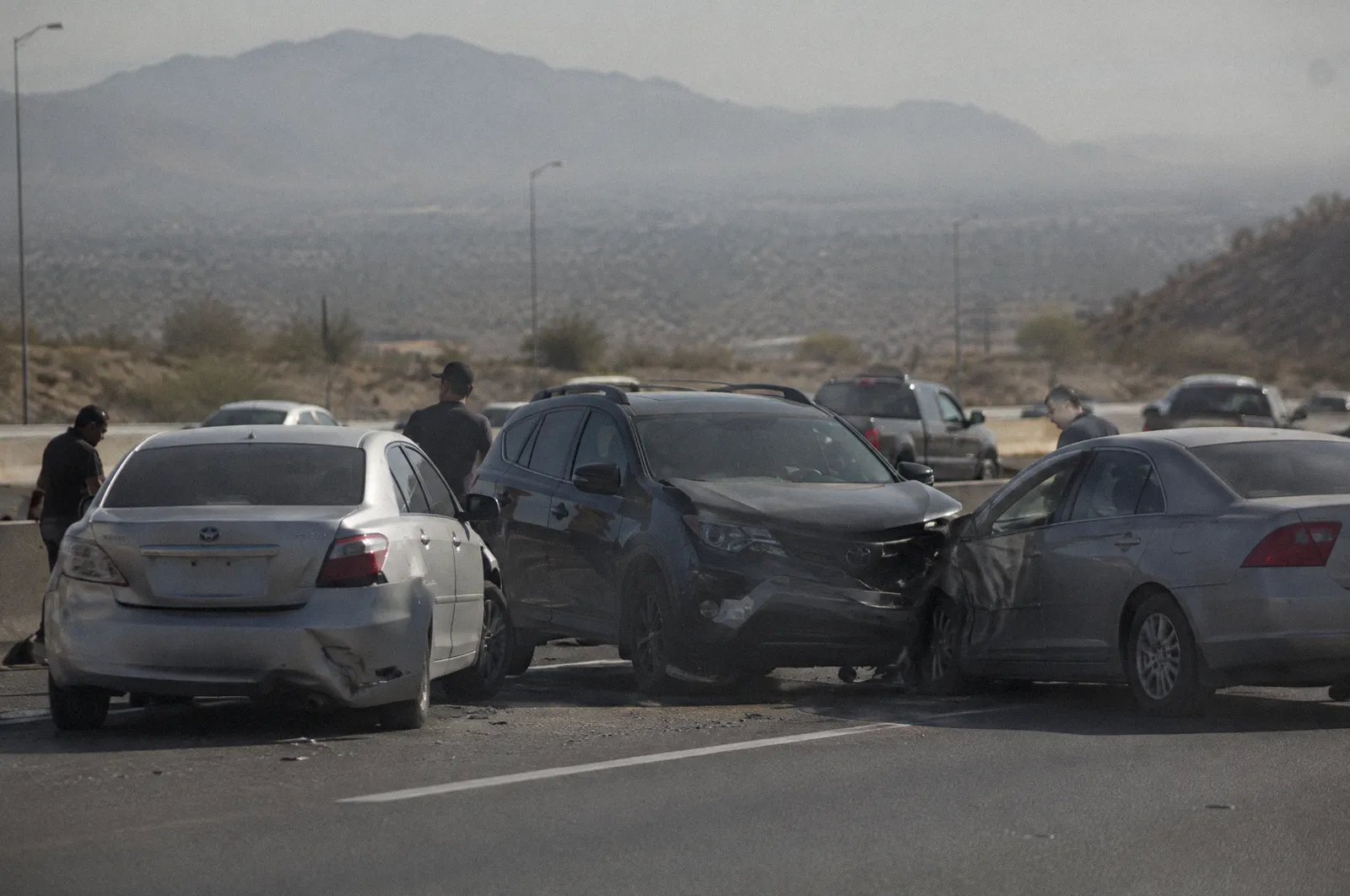
When the coverage available is limited, every dollar of documented loss matters. Some injuries show up with no or seemingly minor symptoms in the first days after a crash and become more serious later. A record that connects your treatment to the date of the collision helps show what the crash caused, and an insurer working within a thin policy has every reason to argue that your injuries were smaller or came from something else.
That is also why it helps to understand how the numbers fit together before you accept an offer. A payment from a policy with a $25,000 limit is not a measure of your case. It is the most that policy can pay, and the question of what else may be available can come first. See our guide to what a personal injury case may be worth for the factors that drive value.
Questions
Questions about Arizona car insurance minimums
What are the Arizona car insurance minimums?
Arizona requires liability coverage of at least $25,000 for bodily injury to one person, $50,000 for bodily injury to all people in one accident, and $15,000 for property damage, often written 25/50/15 (A.R.S. 28-4009). These limits have applied since July 1, 2020.
Is Arizona a no-fault state?
No. Arizona is an at-fault state. The driver who caused the crash is responsible for the harm, and the other side’s insurer will look at how much of the fault belongs to you. Our guide to Arizona comparative negligence explains how shared fault is handled.
Is the minimum insurance coverage in Arizona enough to cover a serious injury?
Often it is not. A serious injury can involve emergency care, surgery, and months of recovery, and a $25,000 per person limit can be used up quickly. If the other driver’s limits are too low, your own underinsured motorist coverage, if you have it, may help.
What happens if the other driver has no insurance?
You may have options through your own uninsured motorist coverage, if your policy includes it. Written notice to your insurer within 3 years, with special start dates, is the general rule for these claims (A.R.S. 12-555), and some policies have shorter deadlines. Call us early and we will explain how these rules apply to you.
Do the minimums cap what I can recover?
No. The minimums are the least a driver must carry, not a legal cap on your damages. In practice, though, collecting more than the available insurance can be hard, which is why other coverage sources are worth checking.
Do rideshare drivers carry higher limits?
Yes, in some situations. When the app is on, the required limits are 25/50/20. Once a ride is accepted the required coverage is $250,000, and with a passenger aboard it is $1,000,000 (A.R.S. 28-4038). Which tier applies depends on the facts of the crash.
Does an insurer have to offer uninsured and underinsured motorist coverage?
Yes. Arizona law requires insurers to offer it in writing, and you may reject it (A.R.S. 20-259.01). If you rejected it in the past, check your policy and your records.
Free case review
Find Out What Coverage May Apply to Your Crash
If you were hurt in a crash and are not sure whether the other driver’s insurance is enough, call (602) 584-8054 or request a free case review. Our experienced and friendly attorney will explain your legal rights and what coverage may be available. The earlier you call, the better, but it’s never too late to find out your legal rights.
Call any time. Office visits Monday to Friday, 9 to 5.
Thank you, we’ve received your request.
A member of our team will reach out shortly. If your matter is urgent, call us now at (602) 584-8054.