
Arizona Spinal Cord Injury Lawyer
Arizona Spinal Cord Injury Lawyer: Claims Involving Paralysis and Lifelong Care
An Arizona spinal cord injury lawyer can help you pursue the full, lifelong cost of an injury that changes movement, feeling and independence. These claims turn on proving who caused the injury and what care you will need for years to come, not only the bills you have today. Most Arizona injury claims must be filed within 2 years of the injury (A.R.S. 12-542(1)), and a spinal injury lawyer in Arizona will treat that date as the outside limit, not the target.

- Filing deadline
- Generally 2 years from the injury
- A.R.S. 12-542(1)
- Government defendant
- Written notice of claim within 180 days, lawsuit within 1 year
- A.R.S. 12-821.01; 12-821
- Fault rule
- Pure comparative fault, no percentage bar
- A.R.S. 12-2505
- Damage caps
- None on personal injury damages
- Ariz. Const. art. 2 sec. 31; art. 18 sec. 6
Claims Built on a Lifetime of Needs
A spinal cord injury is one of the most life-altering injuries a person can suffer. The spinal cord carries messages between the brain and the rest of the body, and when it is damaged, the effects can include loss of movement, loss of feeling, pain, and trouble with functions most of us never think about. For many families the first weeks are a blur of hospital rooms, surgeons and decisions.
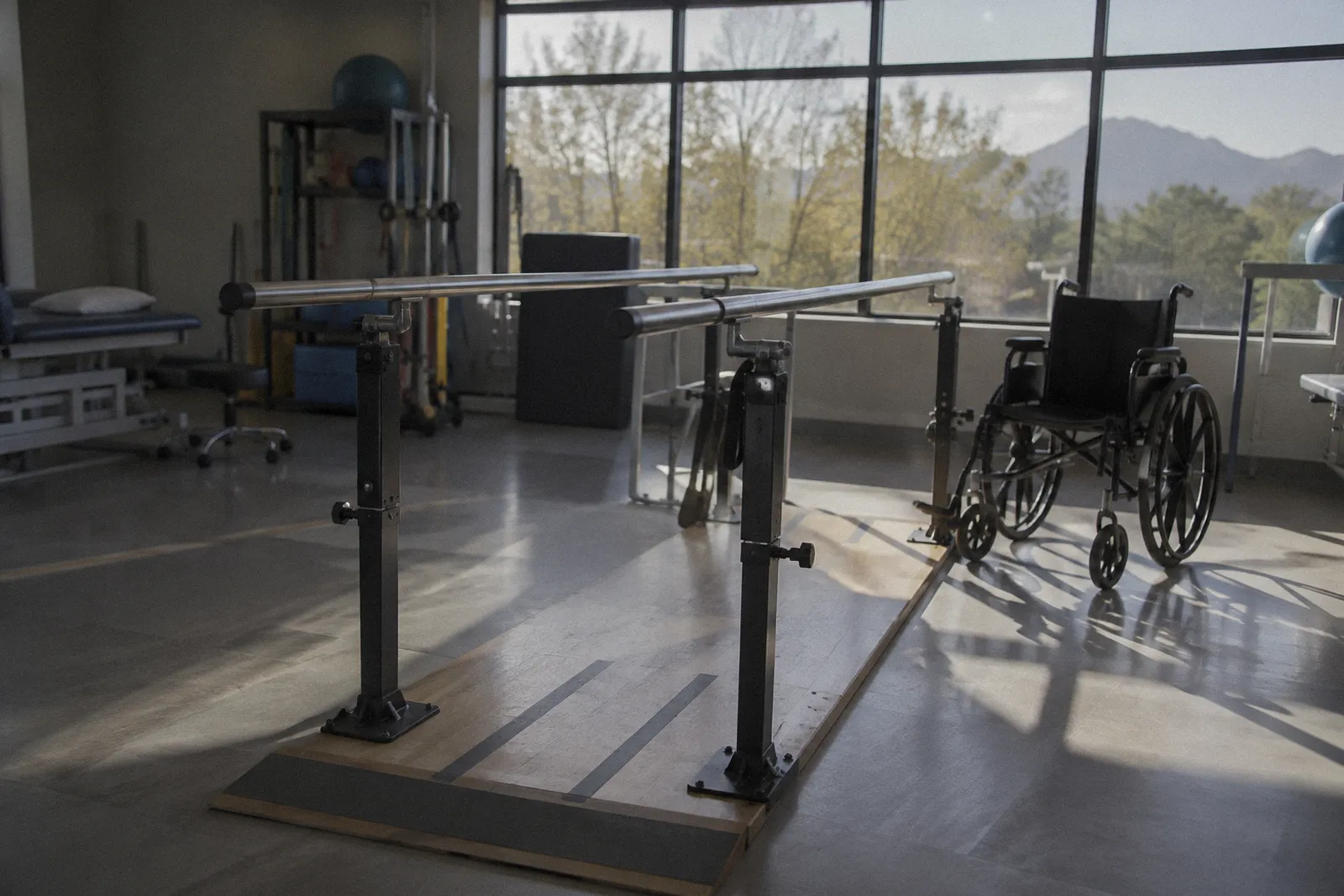
The legal side starts quietly in the background. Someone caused the crash, the fall or the failure that led to this, and the cost of what follows can be enormous and permanent. A paralysis lawyer has to look past the first hospital bill and ask what a whole life will now require: care, equipment, a changed home, a changed job, and help from family members who become caregivers.
Valley Accident Law takes cases anywhere in Arizona, and our attorney, Charles Paglialunga, brings 32 years of experience helping injured people. A spine injury lawyer who works with us will listen first, explain your legal rights in plain language, and tell you honestly what we see. You pay no attorney fee unless we recover money for you.
Arizona
How Spinal Cord Injuries Are Described
Providers describe a spinal cord injury by where it is on the spine and how complete it is. This table is a general guide to the terms you may hear, and your own providers will explain your specific injury.
| Term | What it generally refers to | Why it matters to a claim |
|---|---|---|
| Cervical injury | The neck region of the spine | May affect the arms, hands, trunk and legs, so care needs can be extensive |
| Thoracic or lumbar injury | The upper, middle and lower back | May affect the trunk and legs, with different equipment and home needs |
| Complete injury | No function below the level of the injury | Often points toward lifelong care and a large future cost |
| Incomplete injury | Some function remains below the injury | Recovery can be uncertain, so the future picture takes time and records to understand |
| Paraplegia and tetraplegia | Paralysis of the legs, or of all four limbs | Shapes the care plan, the equipment and the vehicle and home changes the claim must cover |
Source: General medical terminology, not a diagnosis. Your treating providers describe your injury.
What to Do After a Serious Spine Injury
Your recovery comes first. When you or your family can, these steps protect the claim.
- 1
Follow your emergency and hospital team.
Medical care and the instructions of your providers come before everything else, and we do not give medical advice.
- 2
Keep every record, bill and discharge paper.
Ask a family member to keep a folder or a shared drive. These records show the injury, the treatment and the cost.
- 3
Preserve evidence of what happened, if safely possible.
Photos, the police report number, the vehicle, torn clothing and names of witnesses can all matter. A vehicle that is repaired or scrapped can take important data with it.
- 4
Do not agree to a recorded statement.
An adjuster's friendly call is the start of valuing your claim. Early statements are often used to limit it later. Let a family member say you will call back.
- 5
Call us before any settlement talk begins.
The earlier you call, the better, but it's never too late to find out your legal rights. We can come to the conversation from the beginning, so you can focus on recovery.
Costs a Spinal Cord Injury Claim Must Account For
A strong claim is a complete one. These are the categories we work to document with your providers and, when needed, with specialists who plan for the long term.

- Acute care and rehabilitation
Surgery, hospital stays, inpatient rehabilitation, therapy and follow-up care.
- Equipment and technology
Wheelchairs, lifts, braces, adaptive devices and the repair and replacement of each over a lifetime.
- Home and vehicle changes
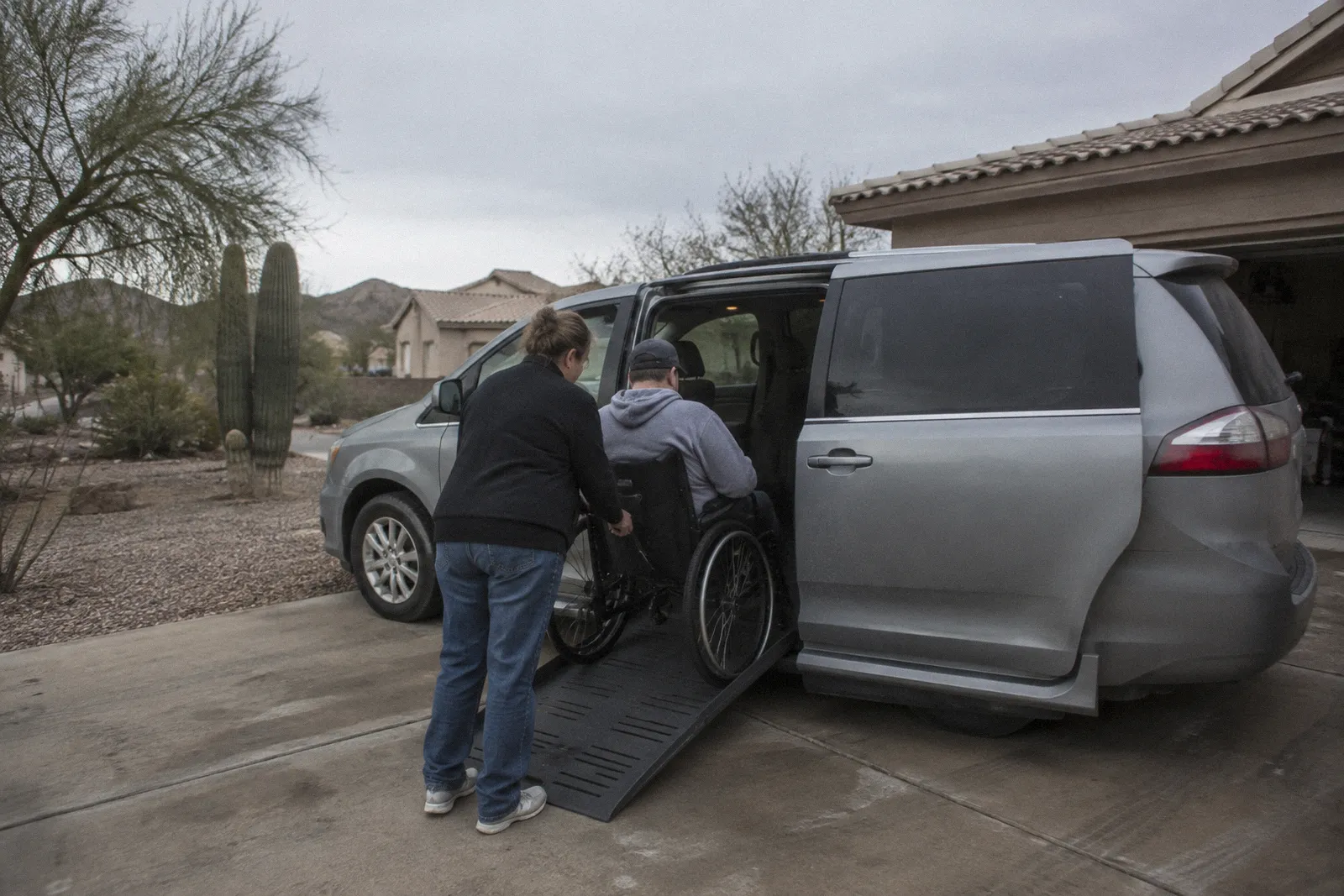
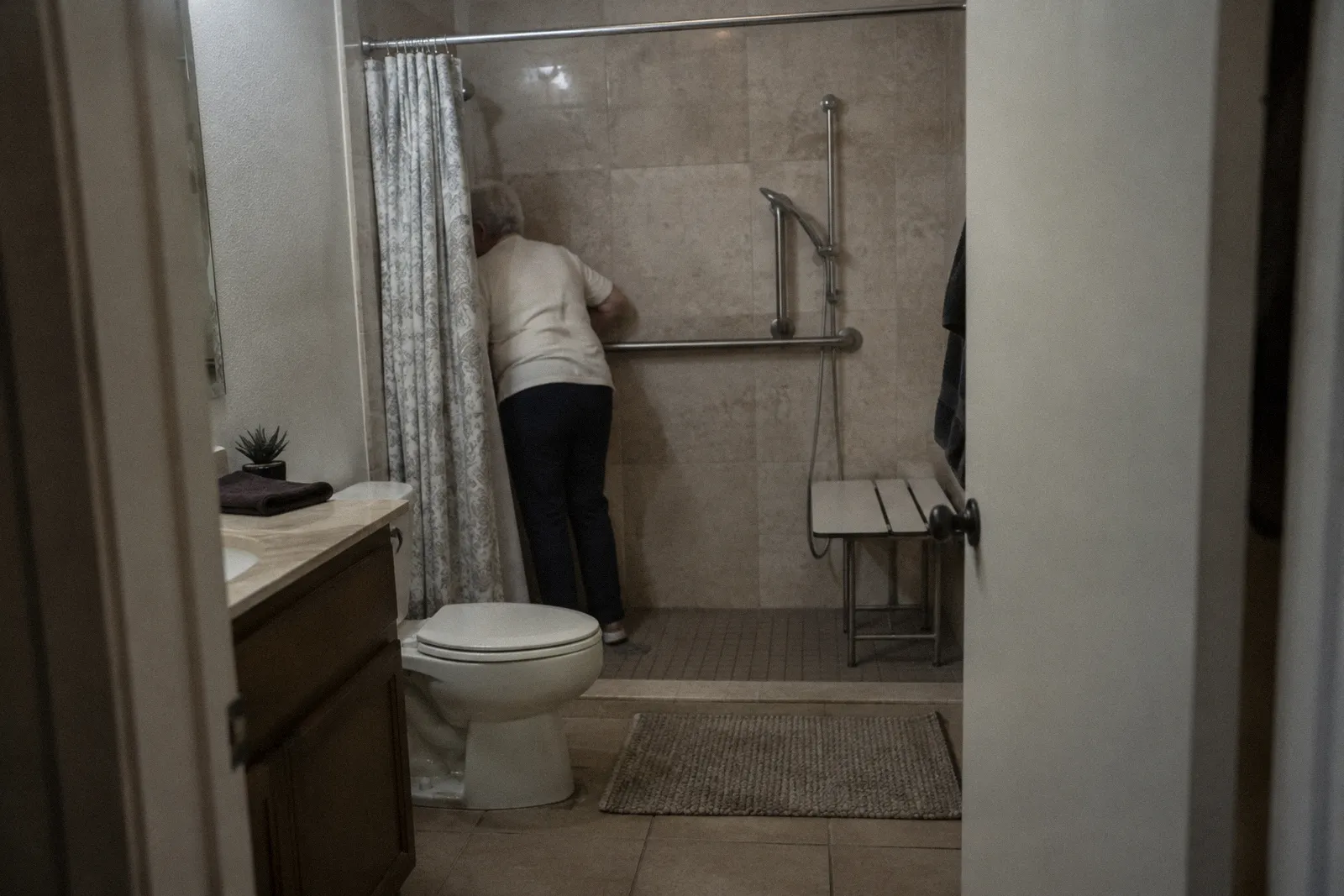
Ramps, wider doorways, accessible bathrooms and a vehicle that can be driven or entered.
- Attendant and home care
Paid help with daily tasks, or the value of the care a spouse or parent now provides.
- Lost earnings and earning capacity
Income lost now and the loss of what you would have earned across a working life.
- Pain, loss of independence and enjoyment
The human cost of a changed life, which belongs in the claim even though no invoice arrives for it.
Why Lifetime Cost Is the Heart of the Claim
The most common mistake in a catastrophic injury claim is settling when the number looks large but is actually small compared with a lifetime of need. An insurance company may offer a sum soon after the injury, while care is still being planned and nobody knows what the next ten or twenty years will cost.

A well-built claim projects future care with the help of your providers and, when needed, other specialists who plan for a lifetime. Because Arizona has no caps on personal injury damages (Ariz. Const. art. 2 sec. 31; art. 18 sec. 6), those projections can be presented for what they are. The insurer and its lawyers will push back. Insurance companies and attorneys often negotiate the percentage of fault, and Arizona uses pure comparative fault (A.R.S. 12-2505), so a share of blame placed on you may reduce a recovery, but no percentage bars it. See our guide to Arizona comparative negligence.
For related injuries that often come with a spinal cord injury, read about back and neck injury claims and broken bone injury claims. Our guide to what a personal injury case is worth explains the factors that shape a claim of this size.

Do Not Let the Medical Fog Cost You the Deadline
During a long hospital stay, deadlines are easy to forget. The general deadline is 2 years from the injury (A.R.S. 12-542(1)). If a public entity may be responsible, for example for a road defect or a government vehicle, a written notice of claim is due within 180 days (A.R.S. 12-821.01), the entity has 60 days to respond, and a lawsuit generally must be filed within 1 year (A.R.S. 12-821). For an injured child, the limitations period is generally paused until age 18 (A.R.S. 12-502). These rules have exceptions, so call us and we will explain how they apply to you.
Arizona
Trauma Care and Rehabilitation Across the Valley
Where you were treated shapes the records we request. The state designates trauma centers by level, and Level I is the highest. Our guide to Phoenix area trauma centers lists them.
HonorHealth Scottsdale Osborn Medical Center
Level I trauma center at 7400 E. Osborn Road in Scottsdale.
St. Joseph's Hospital and Medical Center, HonorHealth John C. Lincoln and HonorHealth Deer Valley
Level I trauma centers in Phoenix at 350 W. Thomas Road, 250 E. Dunlap Avenue and 19829 N. 27th Avenue.
Banner Thunderbird Medical Center
A Level I trauma center in Glendale at 5555 W. Thunderbird Road.
Encompass Health Valley of the Sun Rehabilitation Hospital
A Glendale inpatient rehabilitation hospital that lists spinal cord injury among the conditions it treats.
Arizona Spine and Joint Hospital
A hospital at 4620 E. Baseline Road in Mesa that does not run an emergency room, listed in federal hospital data.
Who May Be Responsible: Private Parties and Public Entities
Serious spinal injuries often involve more than one responsible party, and the rules differ depending on who it is.
Drivers, companies and property owners
- A driver, a trucking company, an employer or a business may share fault
- In Arizona each defendant is generally responsible for its own share, with exceptions (A.R.S. 12-2506)
- Most claims must be filed within 2 years (A.R.S. 12-542(1))
- Liability coverage can be limited: Arizona requires only $25,000 per person and $50,000 per accident for bodily injury (A.R.S. 28-4009)
Cities, counties and other public entities
- A claim for a road defect, a government vehicle or a public building follows special notice rules
- Written notice of claim with the facts and a specific sum certain within 180 days (A.R.S. 12-821.01)
- Deemed denied if there is no answer after 60 days
- A lawsuit generally must follow within 1 year after the claim accrues (A.R.S. 12-821)
Arizona
Evidence That Supports a Spinal Cord Injury Claim
A catastrophic injury claim needs proof of both cause and future need. This is what we try to gather.
- The police report, scene photos and any video of the event
- The vehicle or equipment involved, and a written request that it be preserved
- Complete hospital and rehabilitation records and every bill
- Treating providers' statements about the injury and the care ahead
- Employment and income records for the years before the injury
- Photos and notes showing how your home and daily routine have changed
- Records of family members' time spent providing care
- Insurance policies, including your own uninsured and underinsured coverage, with written notice due within 3 years (A.R.S. 12-555)
Choosing an Arizona Spinal Cord Injury Lawyer You Can Talk To
When you search for a spinal cord injury law firm or a spinal cord lawyer, you will find plenty of advertising. The better test is a conversation. Does the firm listen, explain the deadlines, and tell you what it sees without a hard sell? Does it explain how fees work in plain words? At Valley Accident Law, You pay no attorney fee unless we recover money for you.
We do not promise outcomes, and no one honestly can. We do promise to treat your case with the seriousness it deserves, to explain your options, and to keep you informed. The first step is a free case review. You can start with a phone call. Call any time. Office visits Monday to Friday, 9 to 5. See our overview of types of personal injury cases and how we work with clients.
Spinal Cord Injury Lawyer by City in the Phoenix Metro
Roads, hospitals and agencies differ from city to city. These pages cover the local details.
- Spinal cord injury attorney in Scottsdale
- Spinal cord injury lawyer in Phoenix
- Spinal cord injury lawyer in Mesa
- Spinal cord injury lawyer in Tempe
- Spinal cord injury lawyer in Chandler
- Spinal cord injury lawyer in Gilbert
- Spinal cord injury lawyer in Glendale
- Spinal cord injury lawyer in Peoria
- Spinal cord injury lawyer in Surprise
Questions
Questions about Arizona spinal cord injury cases
When should I call a spine injury lawyer after a crash?
As early as you can. Evidence disappears, vehicles are repaired, and insurance adjusters call quickly. You do not need to have all the answers or be out of the hospital. A family member can make the first call.
How long do I have to bring a spinal cord injury claim?
Most claims must be filed within 2 years of the injury (A.R.S. 12-542(1)). A claim against a public entity requires a written notice of claim within 180 days (A.R.S. 12-821.01). These rules have exceptions, so call us and we will explain how they apply to you.
Can a claim cover care I will need years from now?
Yes. A claim can include the cost of future medical care, equipment, home changes and lost earning capacity when the evidence supports them. Arizona has no caps on personal injury damages (Ariz. Const. art. 2 sec. 31; art. 18 sec. 6).
The other driver had very little insurance. What then?
Arizona's minimum is $25,000 per person and $50,000 per accident for bodily injury (A.R.S. 28-4009), and serious injuries can far exceed it. Your own uninsured and underinsured motorist coverage may help, with written notice to your insurer due within 3 years (A.R.S. 12-555). We look at every source of coverage.
Will an insurance company try to blame me?
It often does. Insurance companies and attorneys frequently negotiate the percentage of fault. Arizona uses pure comparative fault (A.R.S. 12-2505), so a share of fault may reduce a recovery, but no percentage bars it.
What do medical liens mean for my settlement?
Hospitals, health insurers and government programs can claim part of a settlement back. How a lien is handled can change what you take home, so we review the liens in your case and explain them. Read more in our guide to medical liens.
How do fees work?
You pay no attorney fee unless we recover money for you. The first step is a free case review, and there is no obligation.
Free case review
A life-changing injury deserves a careful answer. Start with a conversation.
Our experienced and friendly attorney will explain your legal rights and what the deadlines mean for you and your family. You pay no attorney fee unless we recover money for you. The earlier you call, the better, but it's never too late to find out your legal rights. Request your free case review or call (602) 584-8054. Call any time. Office visits Monday to Friday, 9 to 5.
Thank you, we’ve received your request.
A member of our team will reach out shortly. If your matter is urgent, call us now at (602) 584-8054.