
Scottsdale Multi Vehicle Accident Lawyer
Multi Vehicle Accident Lawyer in Scottsdale for Pile-Ups and Chain-Reaction Crashes
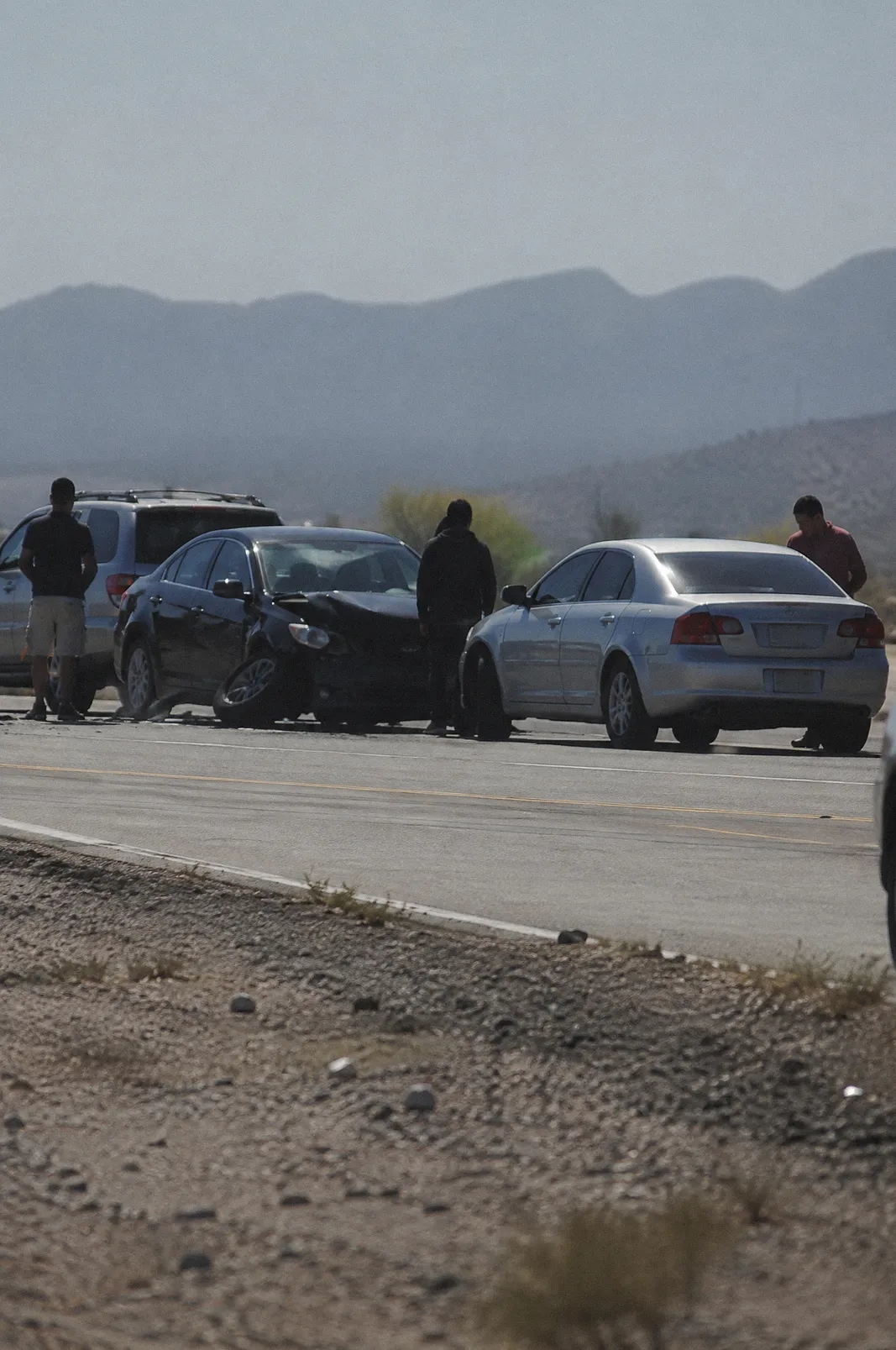
A multi vehicle accident lawyer in Scottsdale helps you sort out which drivers were at fault, which insurance companies owe what, and how your injuries connect to each impact. When three or more vehicles collide, blame is usually shared, and insurance companies and attorneys often negotiate the percentage of fault. In most cases Arizona gives you two years from the crash to file (A.R.S. 12-542).
- Filing deadline
- 2 years from the crash
- A.R.S. 12-542(1)
- Fault rule
- Pure comparative fault, no percentage bar
- A.R.S. 12-2505
- Liability
- Generally several only: each defendant pays its own share, with exceptions
- A.R.S. 12-2506
- Minimum liability coverage
- $25,000 per person, $50,000 per accident, $15,000 property
- A.R.S. 28-4009, policies since July 1, 2020
What Is a Pile Up? How a Multi Car Accident Happens
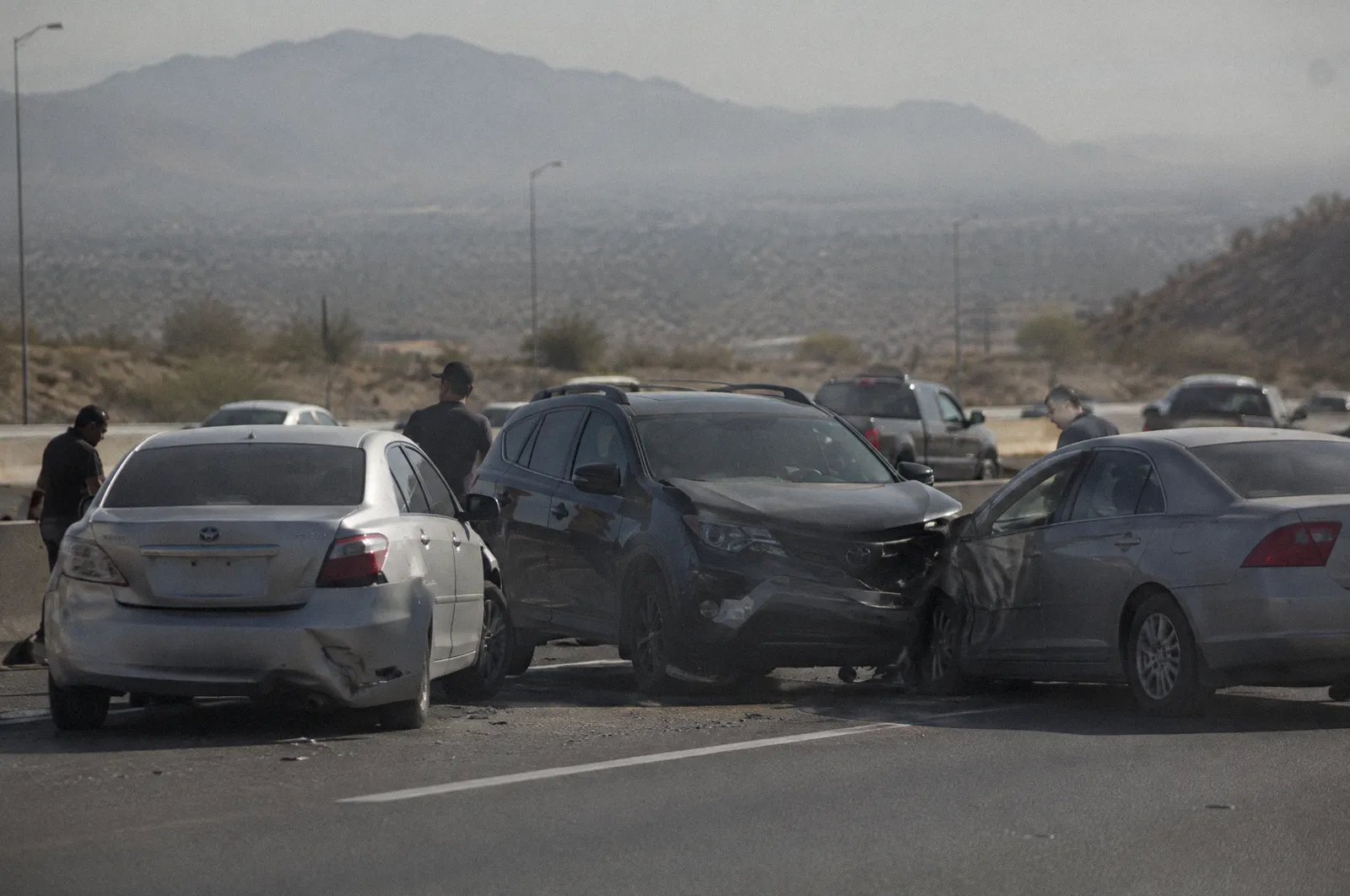
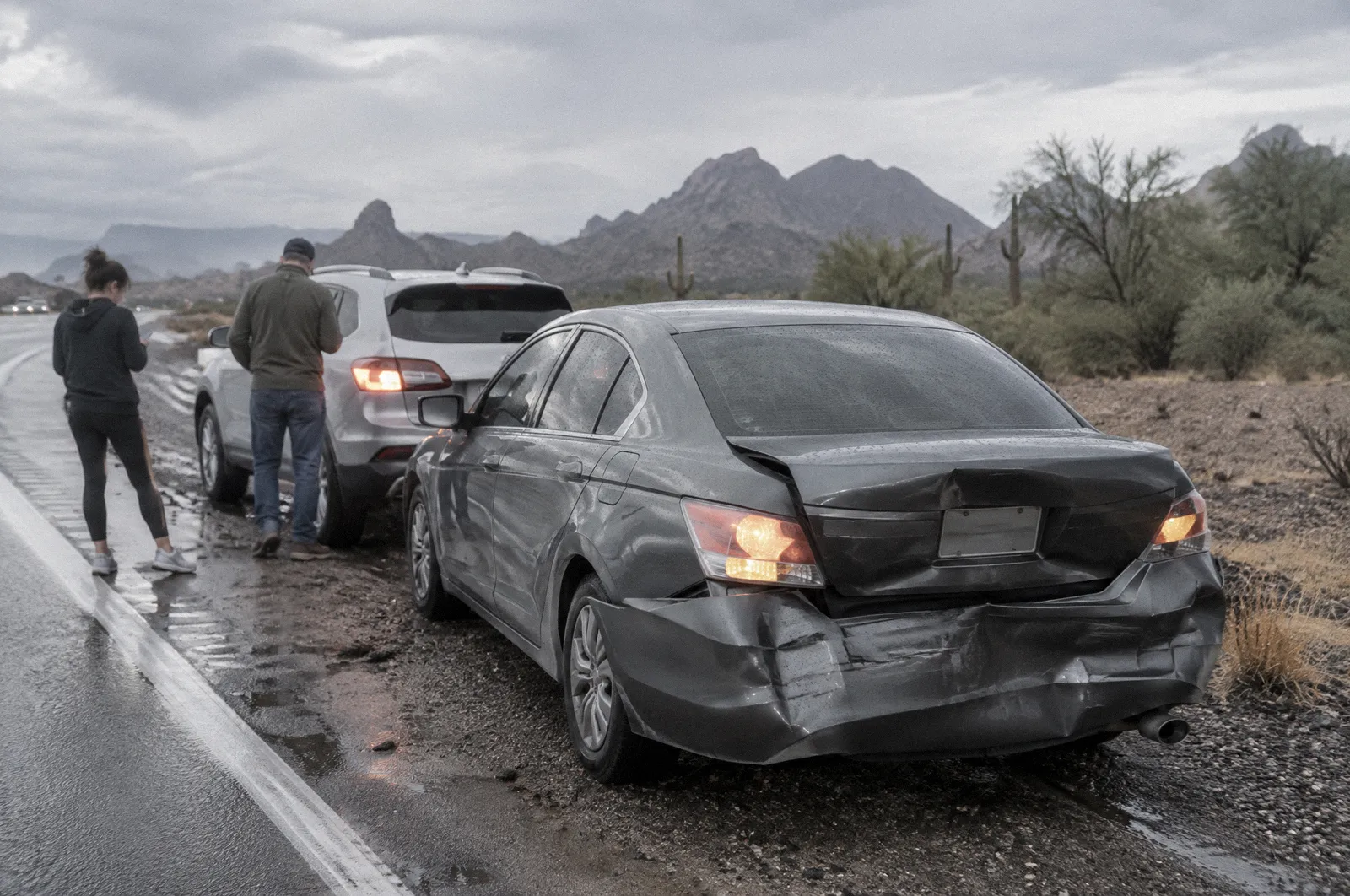
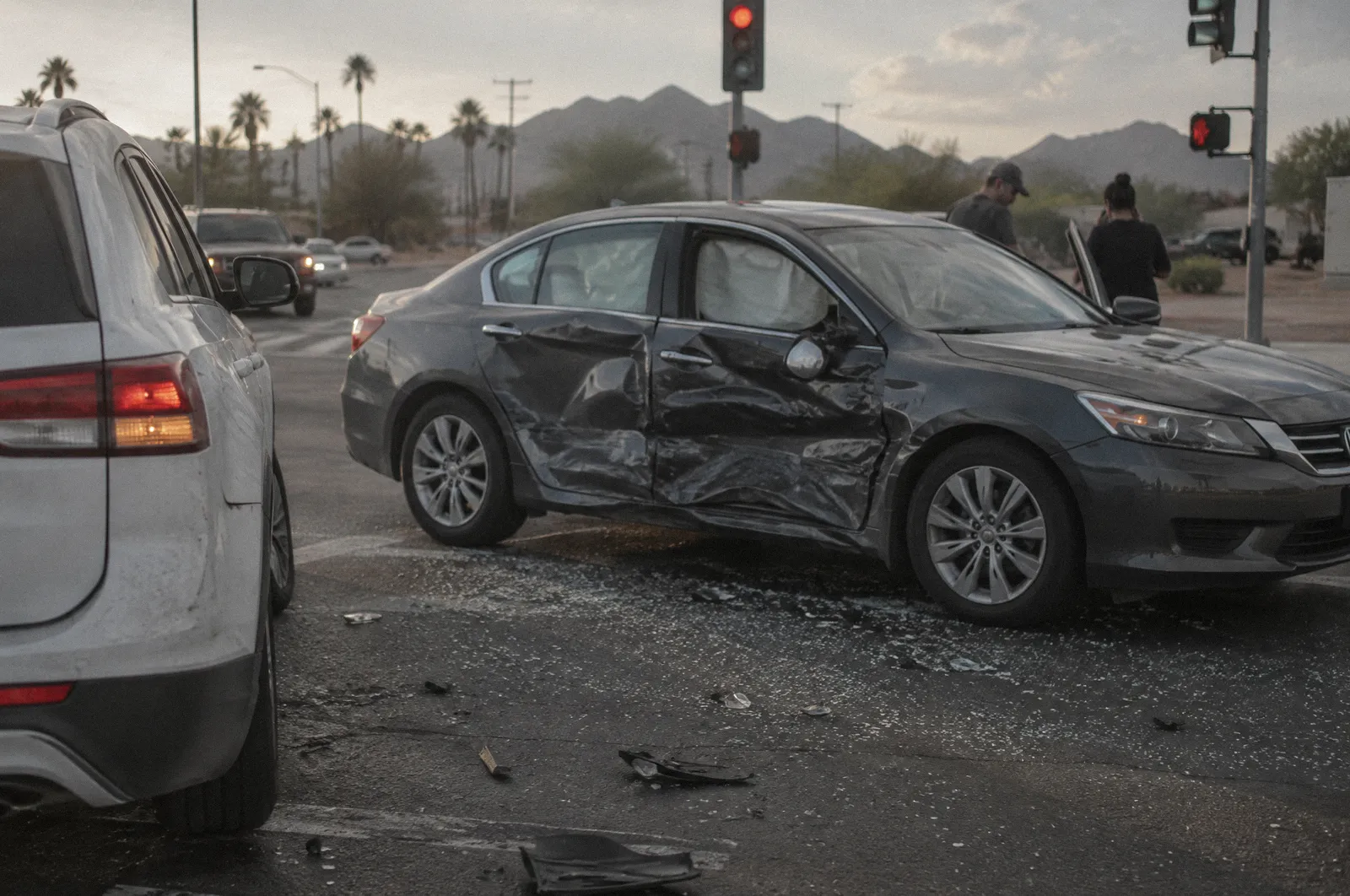
A pile up is a crash in which several vehicles hit one another in a chain, usually because the first impact leaves drivers behind with no time or room to stop. A multi car accident can also be a crash where two vehicles collide and a third is pushed or swerves into them. Either way, the crash has more than one impact, more than one driver and, almost always, more than one insurance company.
This page is one of several crash types covered on our main car accident lawyer Scottsdale page. These crashes tend to happen where traffic is dense and moves fast, such as stop-and-go sections of Loop 101 and the I-17, and when visibility drops suddenly in a monsoon storm or dust storm. Read more on our page about freeway accidents, and on rear-end collisions, which are often the first impact in the chain.
Arizona
Who Is at Fault in a Multi Car Accident
In a chain-reaction crash, fault is often spread across more than one driver. Arizona follows pure comparative fault (A.R.S. 12-2505), so each person’s compensation is reduced by their own percentage of fault but not barred. Arizona also generally limits liability to several shares, meaning each defendant pays its own share rather than the whole bill, with exceptions (A.R.S. 12-2506). That makes it important to know who did what, and in what order.
Why blame spreads in these crashes
- The first driver may have been distracted, speeding or following too closely.
- A second driver may have been too close to stop when traffic slowed.
- A driver in the middle may have been pushed into the car ahead.
- Each insurer will point to someone else’s share.
How we work out who did what
- The police report and any diagrams of the final vehicle positions.
- Photos of every vehicle, if safely possible, before any vehicle is moved.
- Video from nearby businesses, passing vehicles and dashcams.
- Witness statements from drivers who saw the sequence begin.
- Vehicle damage patterns showing which impact came first.
Whose Insurance Pays in a Multi Car Accident
There is rarely a single answer to whose insurance pays in a multi car accident. Several sources may apply at once, and each has its own rules. We look at every layer before telling you what your case is realistically worth.
| Source | When it may apply | What to know |
|---|---|---|
| Liability coverage of each at-fault driver | When that driver is assigned a share of fault | Arizona minimums are $25,000 per person and $50,000 per accident (A.R.S. 28-4009), and several injured people may share one per-accident limit. |
| Your own uninsured or underinsured motorist coverage | When an at-fault driver has no insurance, or too little | Insurers must offer it in writing, and you may reject it (A.R.S. 20-259.01). Written notice is due within 3 years (A.R.S. 12-555). |
| Your own collision or medical payments coverage | If your policy includes it | Check your declarations page. Whether a policy includes it varies from driver to driver. |
| Umbrella or commercial policies | If a driver has one, or was working at the time | A delivery or work vehicle can add another policy to the picture. |
Source: Arizona Revised Statutes as cited. Liability minimums apply to policies since July 1, 2020.
What to Do After a Multi Vehicle Crash
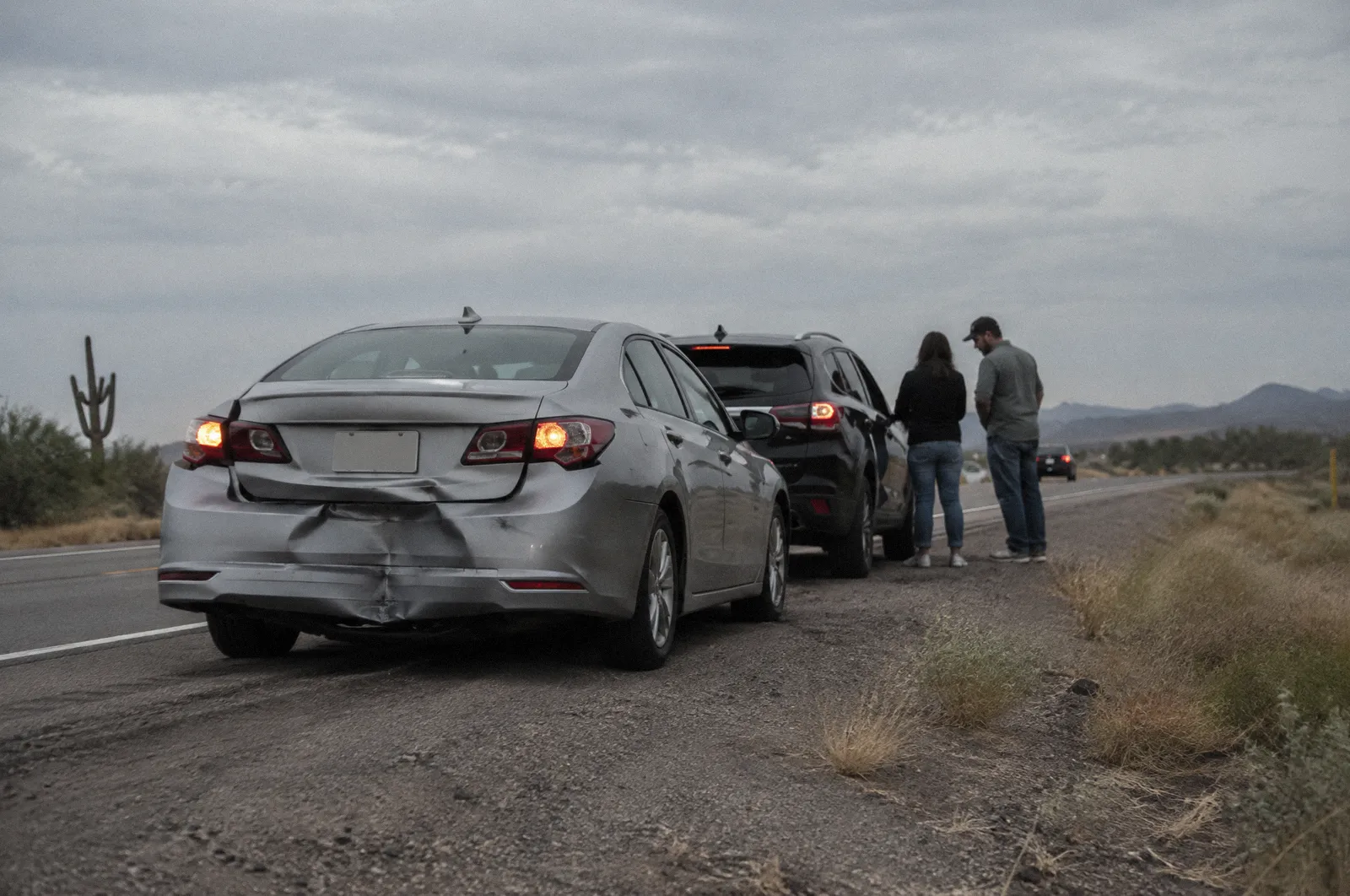
Your safety comes first, especially on a freeway. Take these steps only as far as is safe.
- 1
Call 911 and follow the directions of first responders.
In a pile up, the officers on scene decide where people should wait. A report is created that lists every driver and vehicle.
- 2
Get checked by a medical professional.
In a crash with more than one impact, injuries are easy to miss. Adrenaline can hide pain, and a visit creates a dated record that links your injuries to the crash.
- 3
Collect information from every driver you can reach.
Names, insurance companies and policy numbers. In a pile up the driver nearest you is not always the one who started the chain.
- 4
Photograph the scene, if safely possible, before any vehicle is moved.
Include the final positions of all vehicles, the damage to each, the road surface and the weather.
- 5
Be careful about agreeing to recorded statements.
More than one insurer may call you. You are not required to agree to a recorded statement with any insurance company other than your own, and even then it helps to talk with an attorney first.
Why Injuries Are Harder to Sort Out in a Multi Car Crash
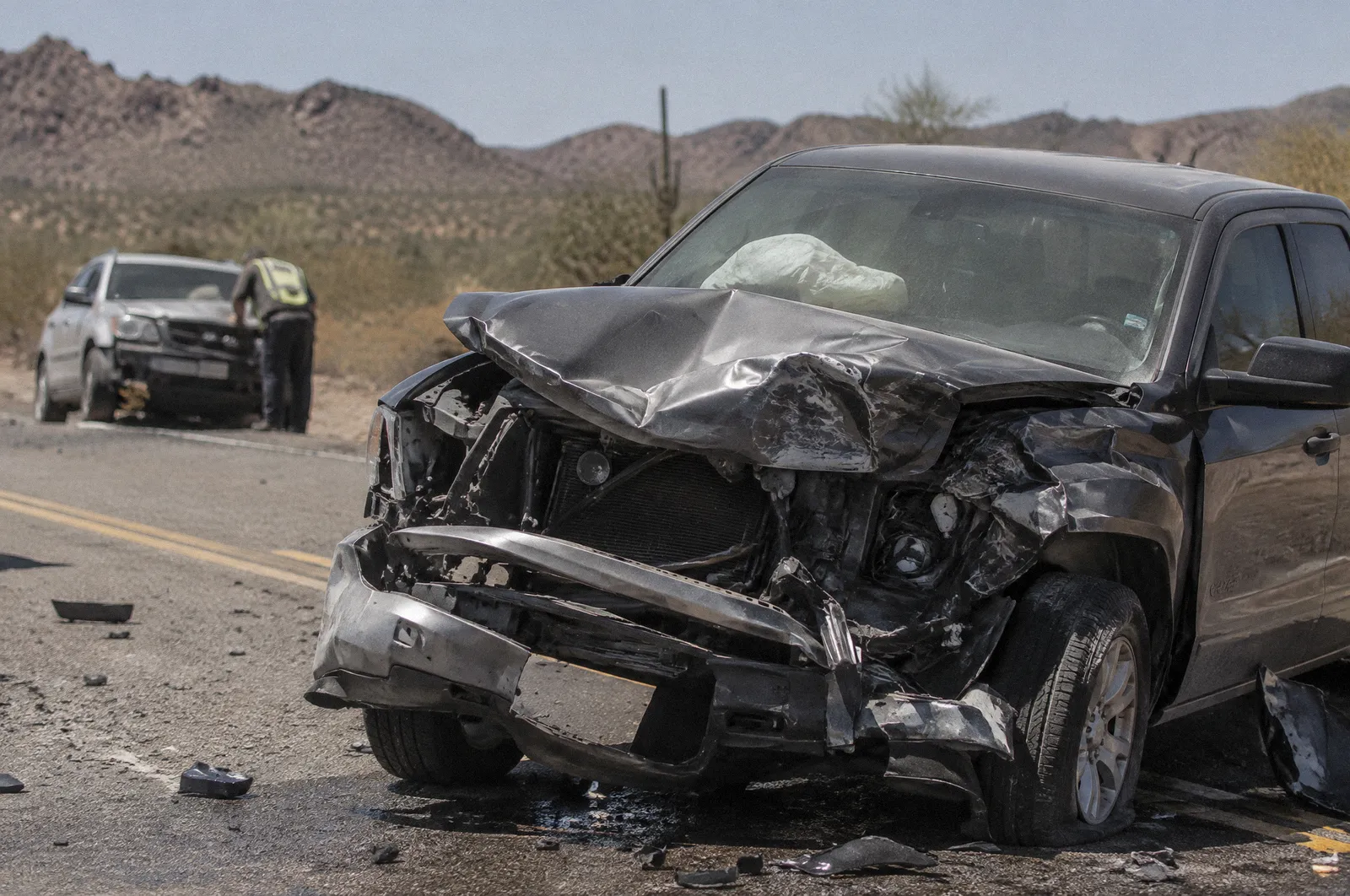
When a vehicle is struck more than once, each insurance company has a reason to say the injury came from somebody else’s impact.
- More than one impact
You may be hit from behind and then pushed into the vehicle ahead. Each impact can add its own injury, and each driver’s insurer may blame the other.
- Neck, back and head injuries
Repeated force can strain the neck and spine, and symptoms often appear a day or two later. Read more about a whiplash injury claim in Arizona and back and neck injuries.
- Broken bones
Crush and seat-belt forces in a chain reaction can fracture ribs, arms and legs. See our page on broken bone injury claims.
- Financial and personal losses
A claim can include medical bills, future treatment, lost wages, and pain, suffering and loss of enjoyment of daily life. Arizona imposes no statutory cap on personal injury damages (Ariz. Const. art. 2 sec. 31).
Several Insurers, One Deadline
Even when more than one company is involved, the deadline is the same. Most injury claims in Arizona must be filed within two years of the crash under A.R.S. 12-542, and missing that deadline will under most circumstances close your case permanently. If a government vehicle was one of those involved, a notice of claim is due within 180 days (A.R.S. 12-821.01). These rules have exceptions, so call us and we will explain how they apply to you. Our guide to the Arizona statute of limitations walks through the common ones.
Working with a Multi Vehicle Accident Lawyer in Scottsdale
A crash with many vehicles means many reports, many adjusters and many opinions about who was responsible. Valley Accident Law offers a free case review so you can understand your options before you decide anything. You pay no attorney fee unless we recover money for you.
If you are looking for a multi vehicle accident attorney, you want someone who will gather every report, compare the sequence of impacts and explain how each insurance company is likely to respond. Our experienced and friendly attorney will explain your legal rights, including how comparative fault could affect your claim and how the insurance minimums in Arizona can limit what is available. The earlier you call, the better, but it’s never too late to find out your legal rights.
Related pages
Statewide guide
Types of car accident claims
Questions
Questions about Scottsdale multi vehicle accident cases
How is fault decided when several cars are involved?
Usually by working backward from the first impact. Police reports, photos, video and witness accounts help show who was following too closely, who was distracted and who was simply pushed. Arizona uses pure comparative fault, so each driver’s share is a percentage, and insurance companies and attorneys often negotiate those percentages.
Can I recover if I was partly at fault?
Often, yes. Arizona has no 50 percent bar. Your compensation is reduced by the percentage of fault assigned to you (A.R.S. 12-2505).
What if there is not enough insurance for everyone who was hurt?
This is common in pile ups, because Arizona’s minimum limits are low (A.R.S. 28-4009) and may be shared among several injured people. Your own uninsured or underinsured motorist coverage, if you have it, may help. We look at every available source of coverage.
Do I deal with one insurance company or several?
Usually several. Each driver’s insurer handles its own policyholder, and your own insurer may be involved too. You are not required to agree to a recorded statement with the other drivers’ insurers.
How long do I have to file a claim?
In most cases two years from the date of the crash (A.R.S. 12-542). If a government vehicle was involved, a notice of claim is due within 180 days (A.R.S. 12-821.01). These rules have exceptions, so call us and we will explain how they apply to you.
Free case review
Talk to Us About Your Chain-Reaction Crash
Call (602) 584-8054 or request your free case review. We will explain your legal rights and what we see in your facts. The earlier you call, the better, but it’s never too late to find out your legal rights.
Call any time. Office visits Monday to Friday, 9 to 5.
Thank you, we’ve received your request.
A member of our team will reach out shortly. If your matter is urgent, call us now at (602) 584-8054.