
Scottsdale Hit and Run Accident Lawyer
Hit and Run Accident Lawyer in Scottsdale, Serving the Phoenix Metro
If a driver hit you and fled, you often still have options. Your own auto policy may include uninsured motorist coverage that steps in when the at-fault driver cannot be found, and if the driver is identified later, we pursue that driver directly. As a hit and run accident lawyer in Scottsdale, we start with the police report, any camera footage and your policy language. Most Arizona injury claims must be filed within two years (A.R.S. 12-542), so call early.
- Filing deadline
- 2 years from the crash
- A.R.S. 12-542(1)
- Your own policy
- Written notice to your insurer within 3 years, with special start dates
- A.R.S. 12-555
- The fleeing driver
- Must stop, identify and render aid; leaving an injury scene is a felony
- A.R.S. 28-661, 28-663
When the Other Driver Flees
Being hit by a driver who drives off adds insult to injury. You are hurt, your car is damaged, and the person responsible is gone. The good news is that you are often not without options, because your own auto policy may provide the coverage that the missing driver should have carried.
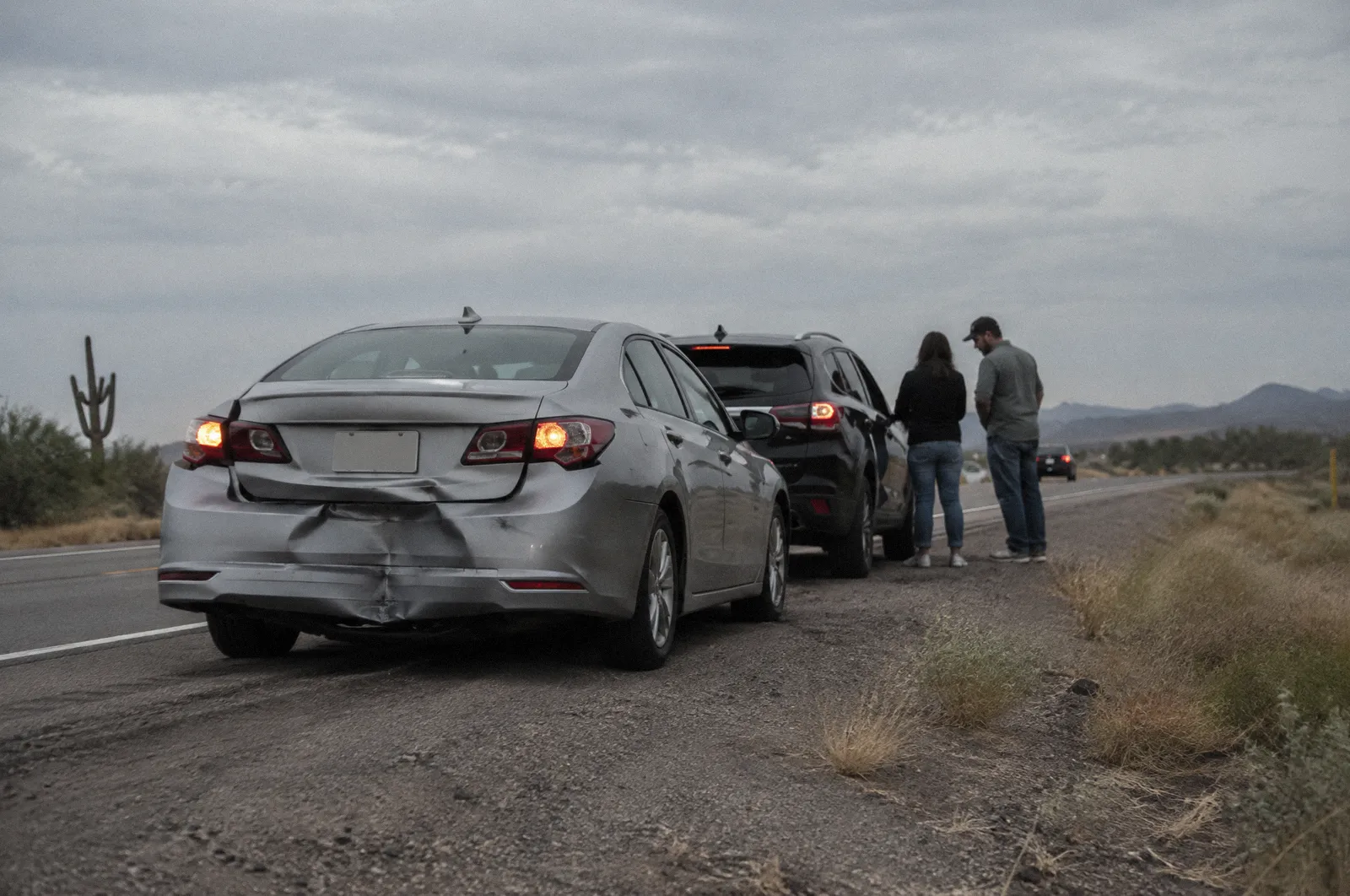
Valley Accident Law represents hit-and-run victims across the Phoenix metro. Founder Charles Paglialunga has 32 years of Arizona accident experience. Request your free case review or call (602) 584-8054.
Hit and run accidents in the Phoenix area strike without warning and leave injured victims facing medical bills, lost income, and unanswered questions about who will be held accountable. A hit-and-run crash is not limited to highway collisions at speed. Parking lot impacts, low-speed neighborhood sideswipes, bicycle lane incidents, and pedestrian strikes all qualify as hit and run accidents when the driver flees without exchanging information or rendering aid. These are car accident cases, but they carry an added layer of legal complexity because the at-fault driver is missing from the scene. The Phoenix metro amplifies the problem. Dense freeway corridors, high volumes of nighttime traffic on arterials like Scottsdale Road and Van Buren Street, and large pedestrian populations near light rail stations all contribute to the frequency of these events.
Step by step
What to Do After a Hit and Run
These steps protect your health and keep your options open. Our guide on what to do after a car accident covers the full checklist.
- 1
Call the police and get a report.
A prompt report is important for an uninsured motorist claim. A police report is essential for your insurance claim and for any future personal injury lawsuit. Call 911 even if your injuries feel minor and even if you believe bystanders already made the call. Confirm that a report is being filed before you leave the scene. Without a report, insurers have grounds to slow or dispute your claim.
- 2
Describe the other vehicle.
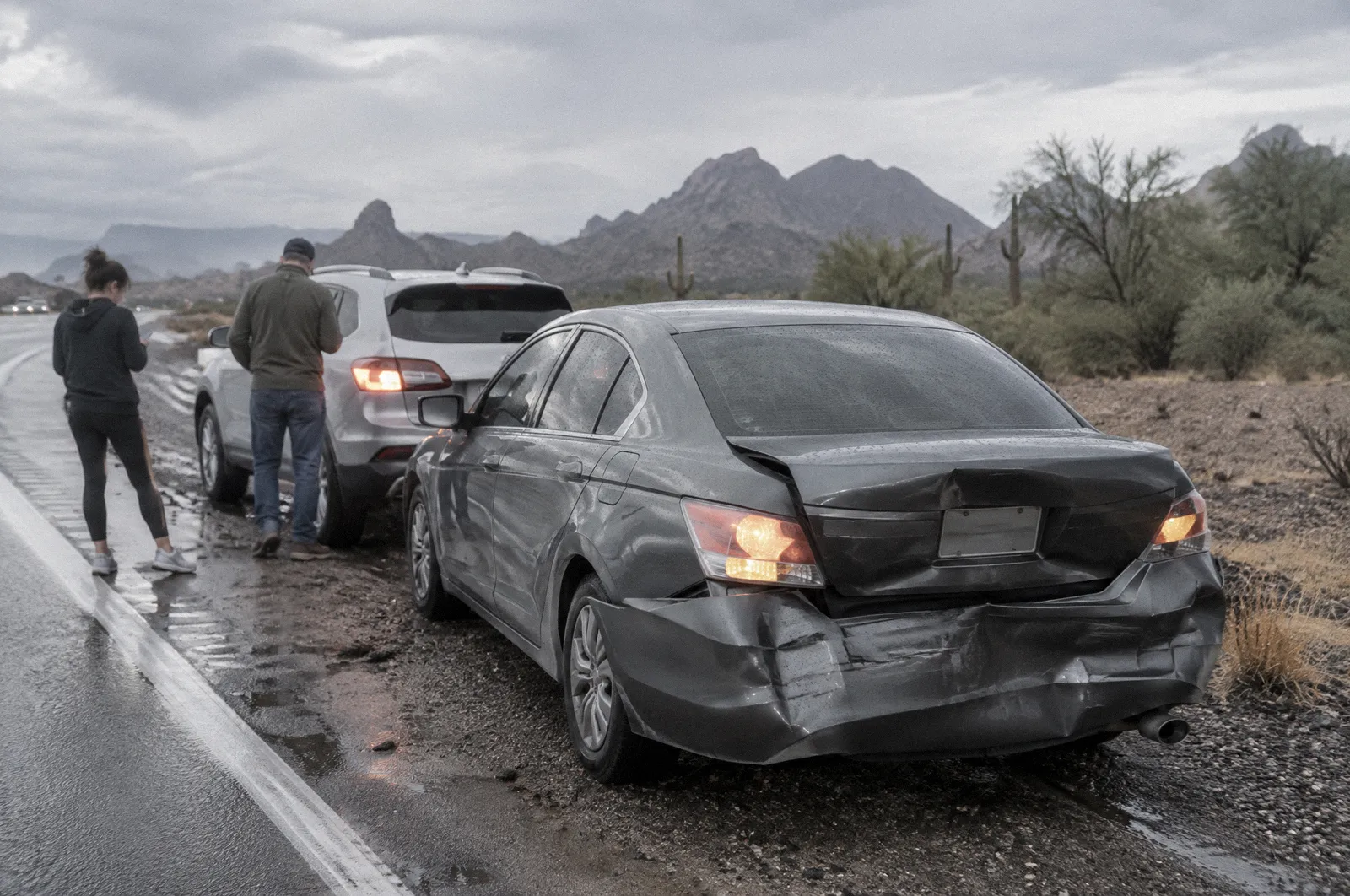
Write down everything you remember about the other vehicle: color, make, partial plate, direction of travel, and time. If you noted any detail about the other car, including a partial plate, body color, decals, or visible damage on the fleeing vehicle, write it down immediately. Memory fades quickly after traumatic events.
- 3
Document the scene.
Photograph your vehicle damage, surrounding debris, skid marks, and the intersection itself. If safely possible, do this before any vehicle is moved. Record the time, direction of travel, and any traffic signals or signage nearby.
- 4
Look for witnesses and cameras.
Nearby homes and businesses often have video that captures the vehicle. Bystanders, pedestrians, and other drivers often have a better vantage point than the victim does at the moment of impact. Ask anyone nearby for their contact information. A lawyer working your case can follow up with these witnesses and take sworn statements while the details are still fresh.
- 5
Get medical attention, even if you feel fine, because injuries can surface a day or two later.
Traumatic brain injuries, spinal compression, and soft tissue damage can cause no or seemingly minor symptoms at the scene. Seeing a doctor today, the same day as the crash, creates a medical record that ties your injuries directly to the incident. This documentation is critical for your insurance claim and for any future litigation.
Uninsured Motorist Coverage Is Built for This
Many injured victims assume they have no legal options if the at-fault driver is never identified. That is not accurate under Arizona law. When the responsible driver cannot be identified, Arizona's uninsured motorist coverage may apply. When the at-fault driver cannot be identified, your own uninsured motorist coverage is designed to step in. Arizona insurers are required to offer uninsured and underinsured motorist coverage, and many drivers carry it without realizing how it works. The offer must be made in writing, and you may reject it (A.R.S. 20-259.01).
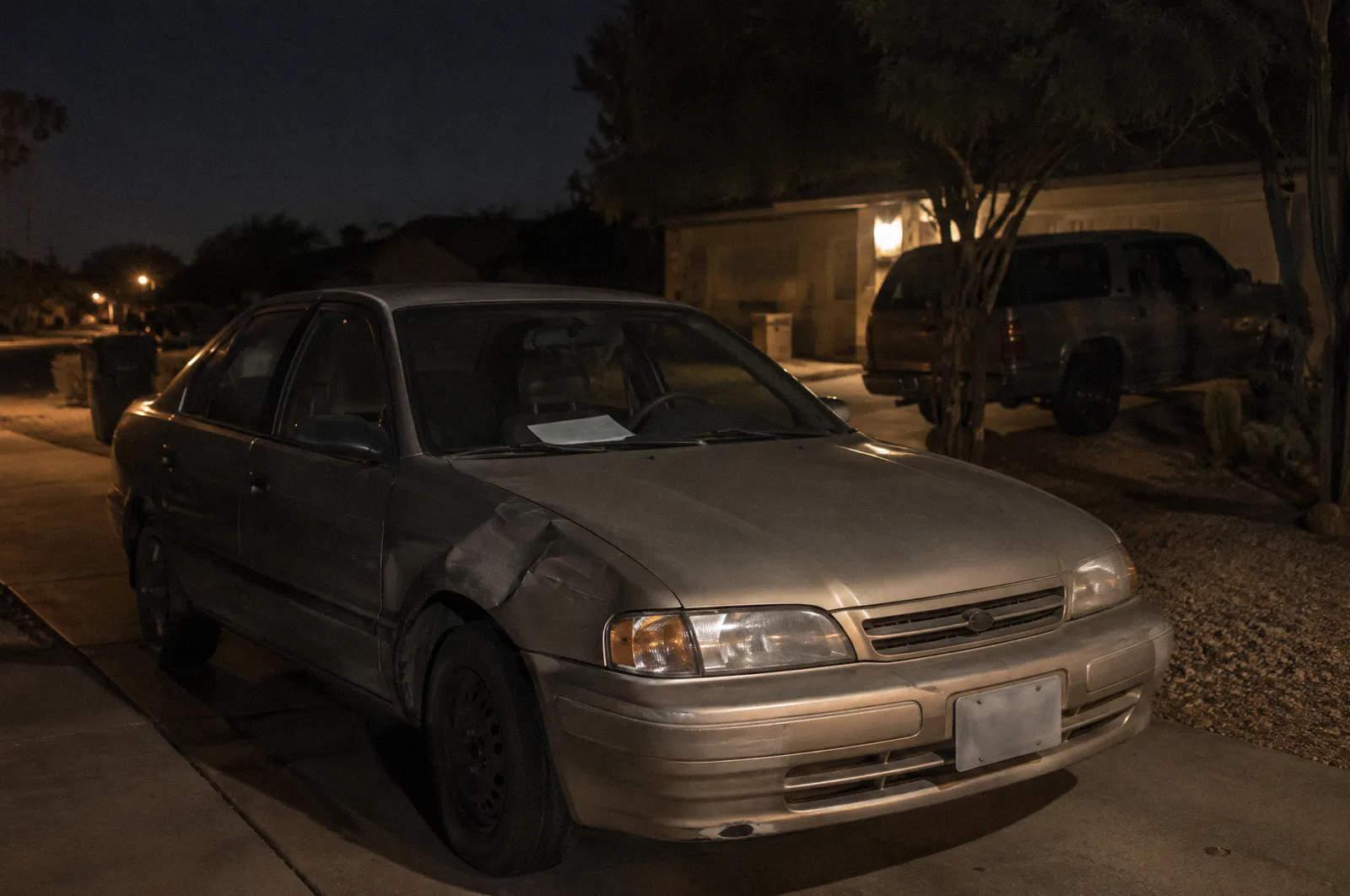
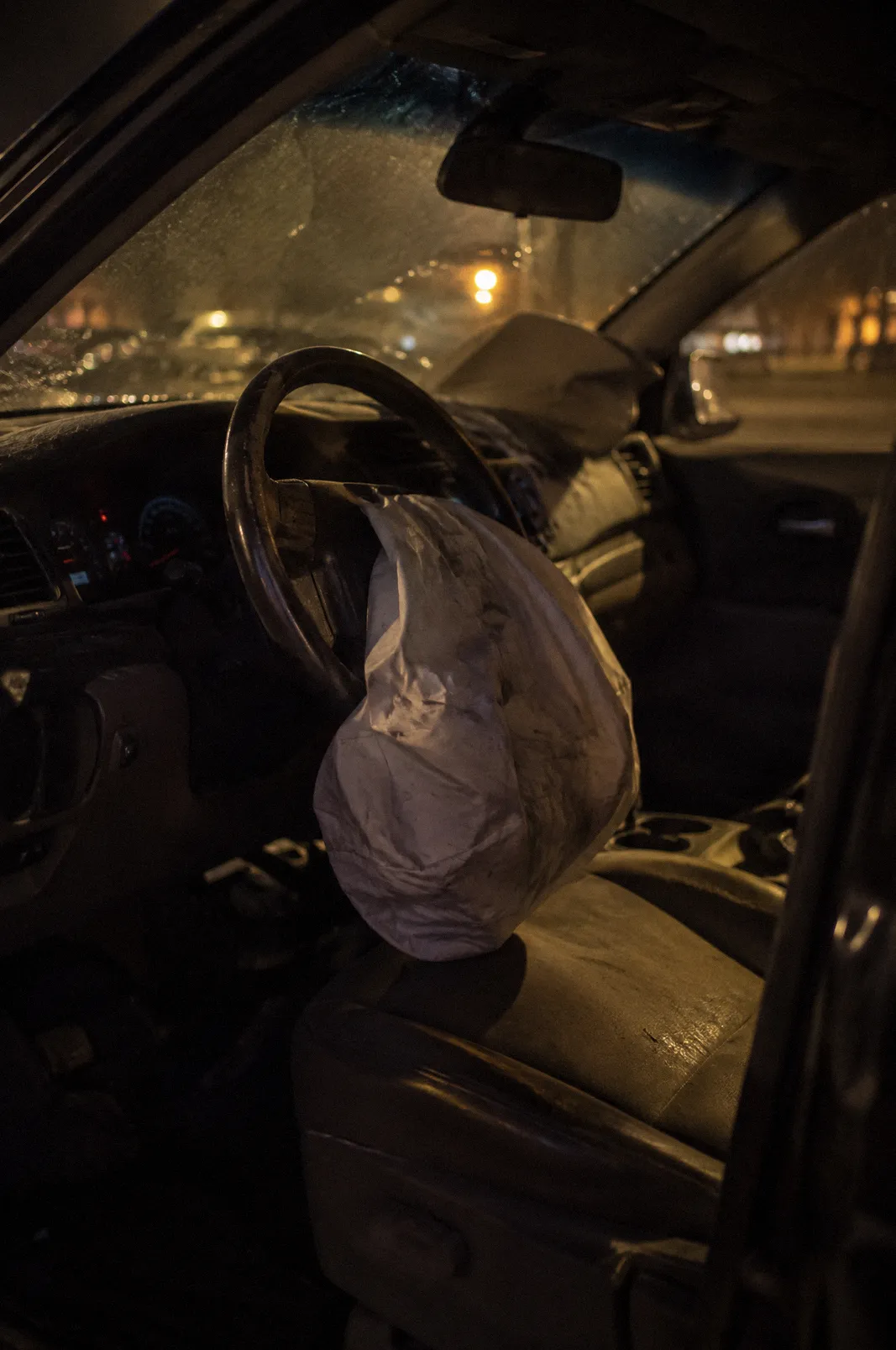
If you purchased it, your own policy may compensate you for medical expenses, lost wages, pain and suffering, and other documented losses up to your policy limits. Uninsured motorist coverage was specifically designed for situations like hit and run accidents where the at-fault driver leaves no traceable insurance information.
We file the claim under your policy and handle the insurer that suddenly treats you, its own customer, like an adversary. Insurance companies and attorneys often negotiate the percentage of fault, and even your own insurer is evaluating the claim in its own interest. Here is more on uninsured and underinsured motorist coverage in Arizona. Policy wording matters, and these rules have exceptions, so call us and we will explain how they apply to you.
Do You Need Physical Contact or an Eyewitness for a Hit and Run Claim?
No. You can make an uninsured motorist claim even if the fleeing vehicle never touched yours, such as when a driver forces you off the road and keeps going. Insurance policies used to require physical contact, and the Arizona Supreme Court has held those clauses void. There is one condition: if there was no contact, you must provide corroboration that the unidentified vehicle caused the crash (A.R.S. 20-259.01(M)). An independent eyewitness is the strongest corroboration, but it is not the only kind. Gather it quickly, because video is often recorded over within days.
- Video: dashcam recordings, storefront security footage, or a neighbor's doorbell camera.
- Physical evidence at the scene: skid marks, paint transfer, or a debris pattern that fits a sudden swerve to avoid another vehicle.
- 911 and police dispatch records: a description of the fleeing vehicle given right after the crash.
- An independent eyewitness who saw the other vehicle cause the crash.
How a Hit and Run Claim Is Actually Investigated
Even without the other driver's identity, Arizona law does not treat a hit and run as an unwinnable claim. Fault is still established, just from different evidence: the police report, physical evidence at the scene such as paint transfer or debris, damage patterns on your vehicle, dashcam or nearby security footage, and witness accounts of the vehicle's direction and description. Your insurer will open its own investigation once you file an uninsured motorist claim, and it may ask pointed questions about how the collision happened, whether you contributed to it, and whether the fleeing vehicle can still be identified later. Arizona law enforcement uses layered investigative tools to identify drivers who flee.
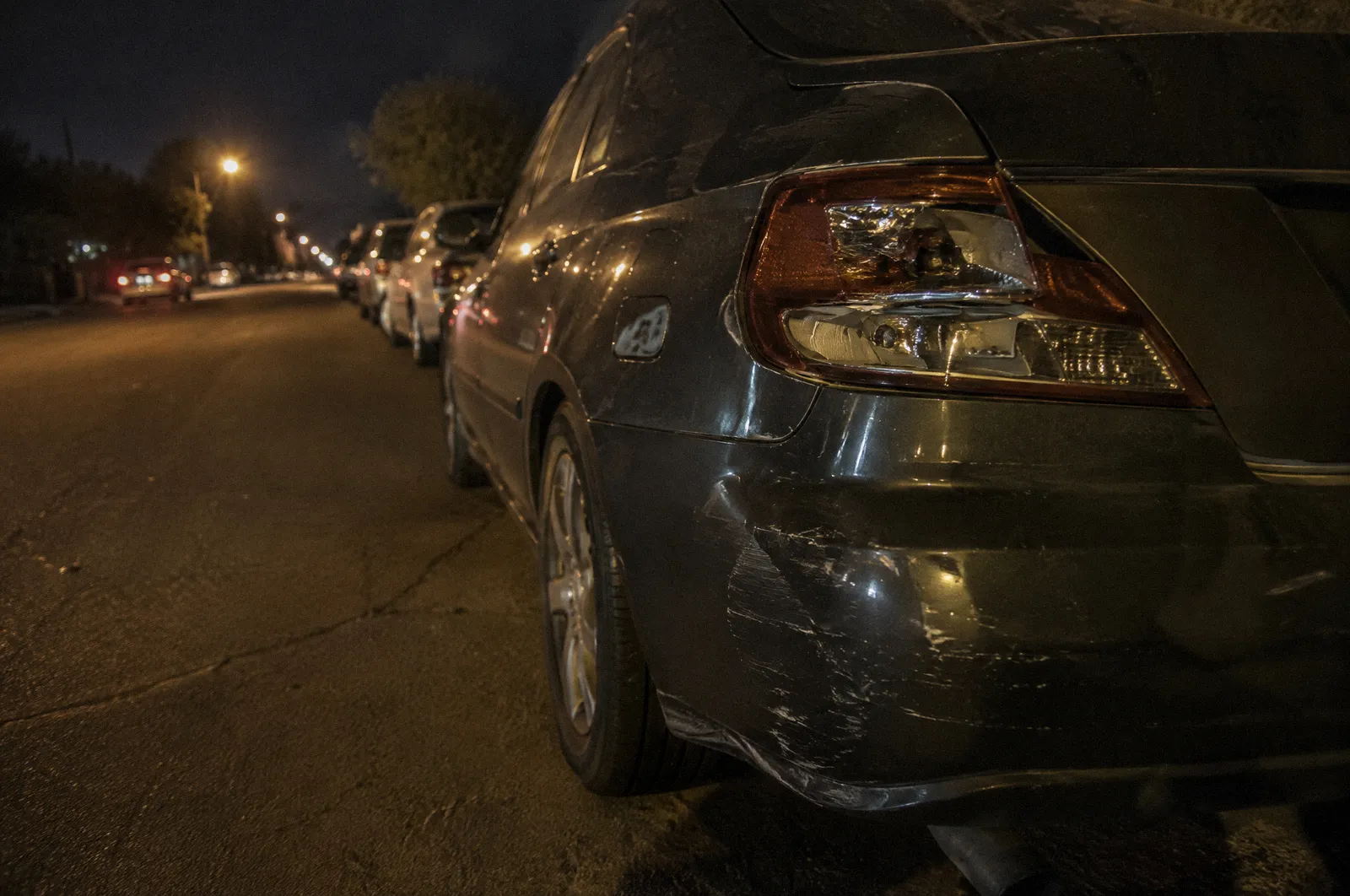
- License plate readers
Automated license plate readers positioned on major corridors throughout the metro.
- Traffic cameras
Traffic camera footage from the Arizona Department of Transportation network.
- Surveillance video
Surveillance video from gas stations, retail centers, ATMs, and private residences.
- Witness accounts and tip lines
Witness accounts collected at the scene and through public tip lines.
- Physical evidence
Physical evidence including paint transfer, broken vehicle parts, glass distribution, and tire marks.
- Identifying the vehicle and its owner
When a vehicle matching the description was recorded near the crash site, investigators can often identify a short list of registered owners through the Arizona Motor Vehicle Division within hours of the incident. Arrests in Phoenix-area hit-and-run cases have followed tips submitted days or even weeks after the original collision. Public appeals are a standard investigative tool in these cases. Anyone with information about the fleeing vehicle, including color, make, model, or partial plate number, should report it to the agency handling the case. The Phoenix Police Department maintains a tip line for exactly these appeals. We can also subpoena business surveillance footage independently, often before it is overwritten, since many systems purge recordings on 30 or 60 day cycles.
- A partial description
A partial description is still meaningful. Law enforcement can cross-reference partial plate numbers against Arizona Motor Vehicle Division records filtered by color and make. Surveillance footage retrieved promptly can confirm a vehicle match even without a complete plate. Write down every detail you remember and share it with police and us right away.
What Arizona Law Requires of a Driver Who Flees
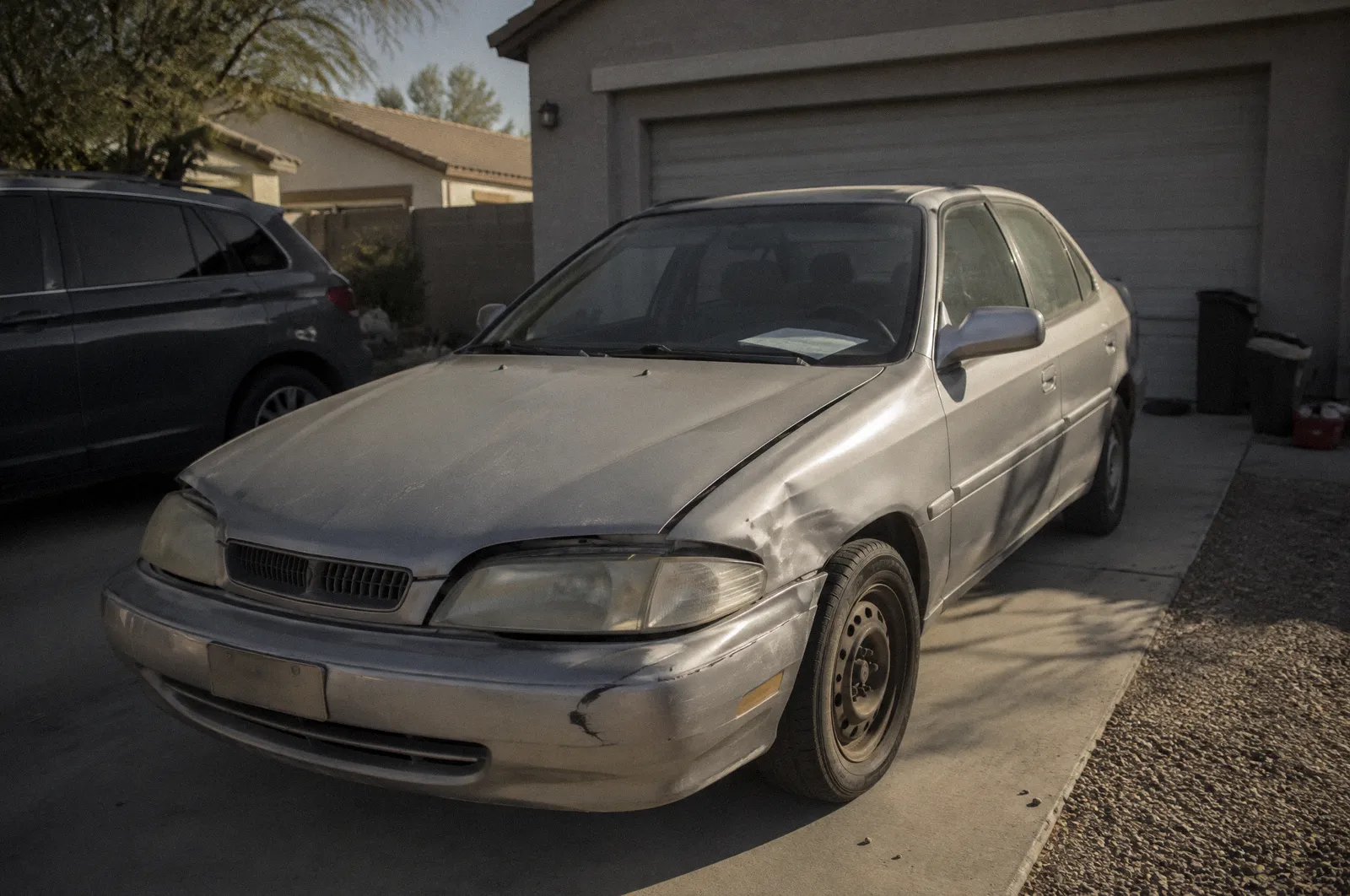
Arizona Revised Statutes Section 28-661 requires every driver involved in a collision resulting in injury, death, or property damage to stop immediately at the scene. The driver must provide their full name, home address, vehicle registration number, and driver license to the injured party and to any law enforcement officer who responds. Section 28-663 adds a duty to render reasonable assistance. If a person appears to need medical care and an ambulance has not yet been called, the driver must take steps to obtain it. Leaving the scene of a crash with injury or death is a felony, and the seriousness of the charge depends on the facts and the harm caused. Even an unreported minor property-damage collision can produce a misdemeanor charge.
This criminal context matters to your personal injury claim because it establishes that the driver violated both civil and criminal duties, which courts and insurers weigh when evaluating the evidence. The state controls the criminal case, and your claim does not depend on the driver being caught.
Arizona law requires reporting any collision that results in injury, death, or property damage above a set threshold. Calling 911 at the scene satisfies the reporting requirement for injury accidents. Failing to report can complicate your insurance claim and create gaps in your legal case that are difficult to close later.
What Your Case Is Worth
You can recover medical bills, future care, lost wages, vehicle damage, and pain and suffering. If the fleeing driver is later identified, we pursue them directly as well. If a death resulted, we handle the wrongful death claim, which must be brought within two years of the date of death (A.R.S. 12-542).
If the driver is never found
- Your claim runs through your own uninsured motorist coverage, up to your policy limits.
- Fault is shown through the police report, scene evidence, footage, and witnesses.
- Many uninsured motorist policies also route disputed claims to arbitration rather than a courtroom, under terms set out in your policy.
If the driver is identified later
- If the driver is identified later, your claim transitions from an uninsured motorist claim to a standard personal injury claim against that driver and potentially their insurance company.
- All evidence gathered early, including the police report, photographs, witness statements, and medical records, will be central to proving liability and the full extent of your damages.
Insurer Pushback and Other Responsible Parties
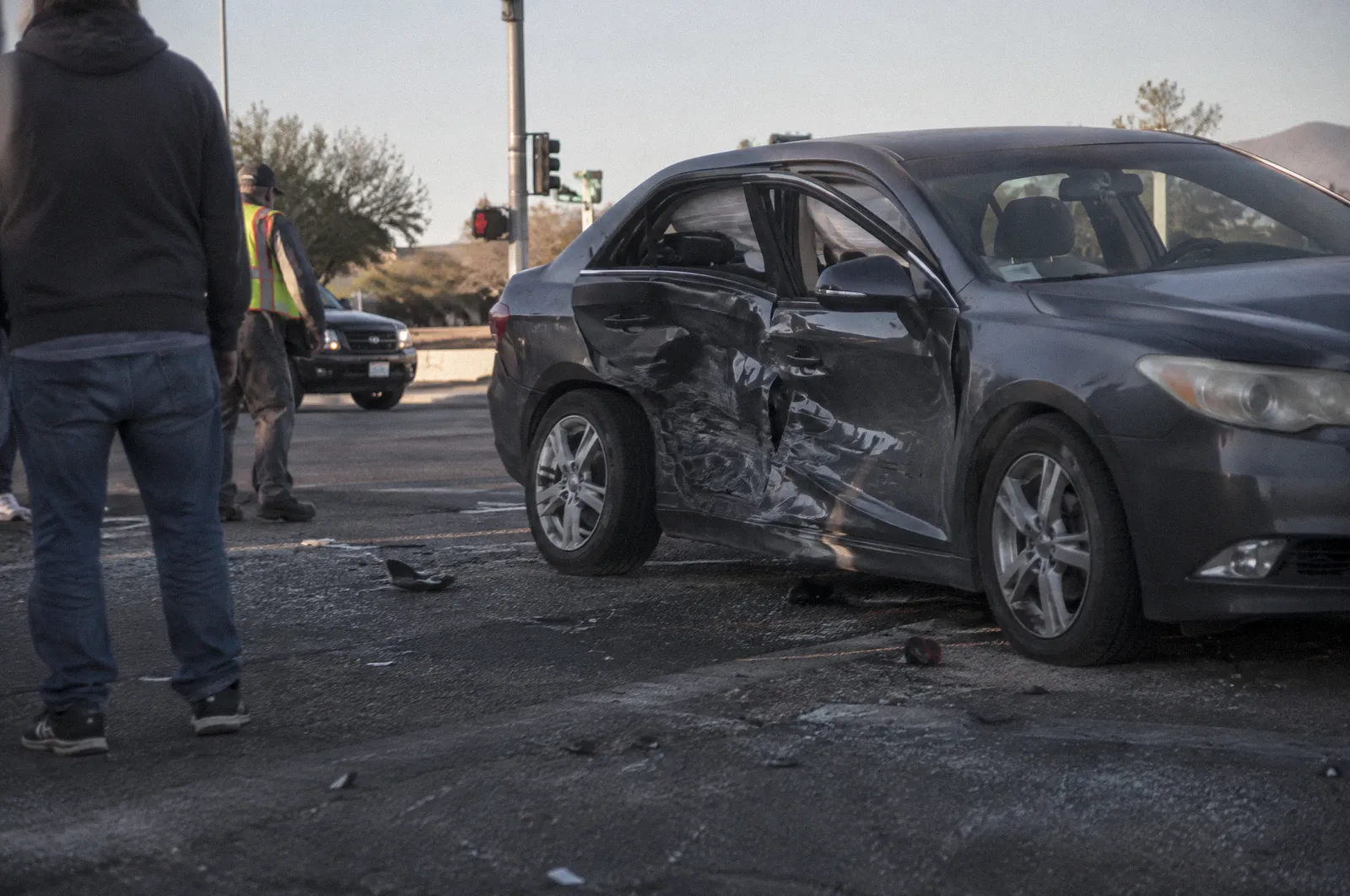
An insurer should not deny a valid hit-and-run claim simply because the other driver was never found. If your insurance company is stalling your claim, disputing coverage without a legitimate basis, or offering a settlement that does not reflect your actual damages, a personal injury lawyer may be able to pursue a bad faith claim against the company, which can result in damages beyond the policy limit. Understanding your policy's terms before you speak with the adjuster helps protect the claim from the start. Our guide on talking to insurance adjusters explains what to expect, including why you should think carefully before agreeing to a recorded statement.
In some hit-and-run cases, a third party shares legal responsibility for the accident. A property owner who failed to maintain adequate lighting in a parking lot, a bar or restaurant that served an obviously intoxicated patron who then drove (A.R.S. 4-311), or a company whose employee caused the crash during work hours may all carry partial liability. Identifying these parties requires careful legal analysis of the facts and physical evidence from the scene.
The Two-Year Deadline
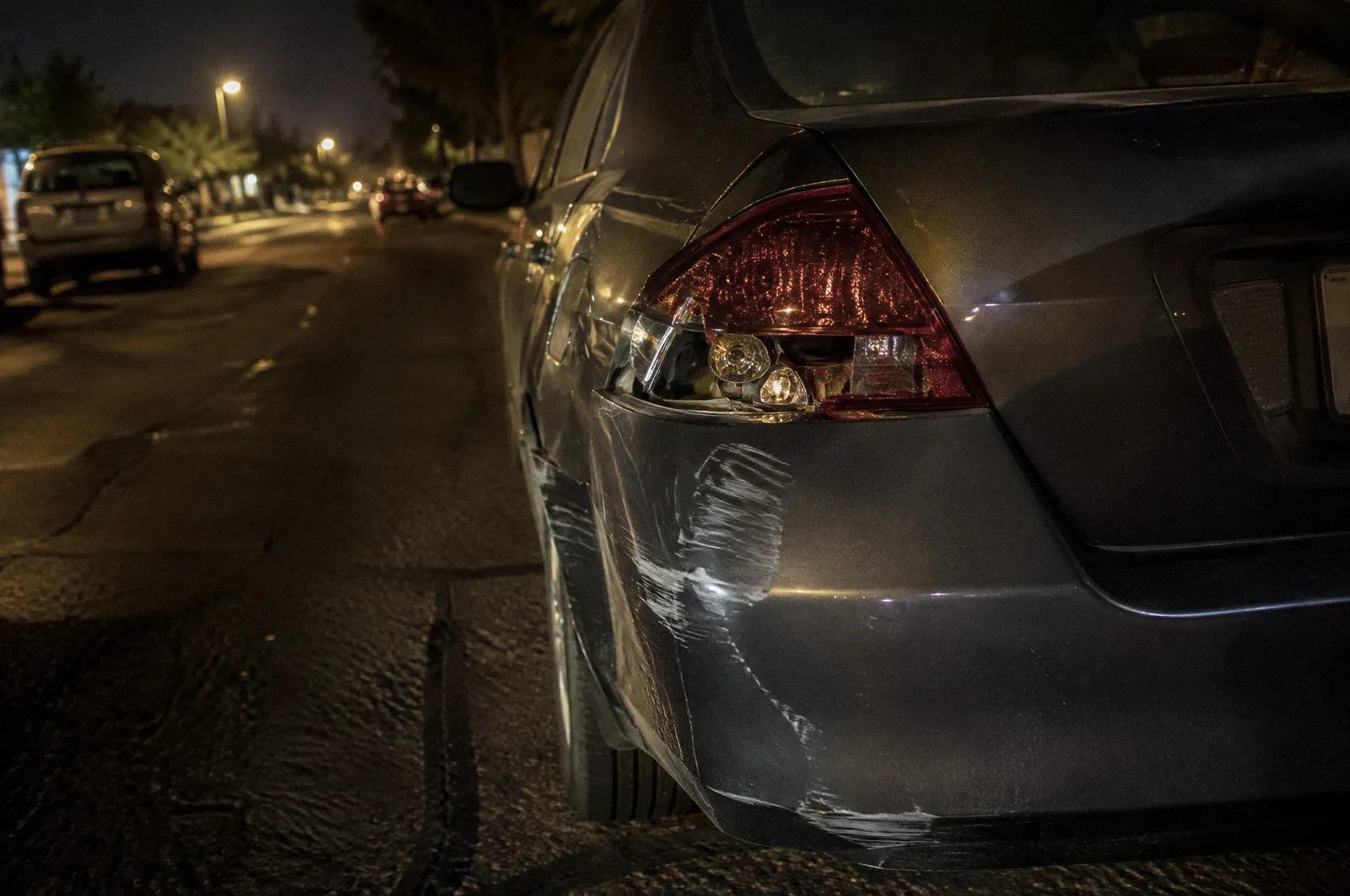
Most Arizona injury claims must be filed within two years, and uninsured motorist claims carry their own notice requirements, so it is best to call early. Arizona's statute of limitations for personal injury claims is generally two years from the date of the accident. Missing that deadline will under most circumstances close your case permanently, with limited exceptions for minors and cases where injuries were not immediately apparent. Do not wait. Contact us as soon as you are able to begin preserving evidence and protecting your legal rights.
The filing rule is A.R.S. 12-542. Written notice to your insurer on an uninsured motorist claim is generally due within three years, with special start dates (A.R.S. 12-555). A minor has extra time (A.R.S. 12-502). If a government vehicle or road defect is involved, a notice of claim is due within 180 days (A.R.S. 12-821.01). These rules have exceptions, and we will explain how they apply to you.
What to Expect From a Hit and Run Accident Lawyer in Scottsdale
As a hit and run accident lawyer in Scottsdale, we open every case the same way: reviewing the police report, requesting any nearby camera footage before it is overwritten, and reading your policy's uninsured motorist language line by line so we know exactly what the insurer owes you. We handle the claim correspondence directly, so you are not the one negotiating with an adjuster while you are still recovering. If the fleeing driver is identified later, whether through police follow up or evidence we gather, we shift the claim toward that driver without starting your case over. We track every deadline tied to your policy and to Arizona's filing window so nothing lapses while you focus on getting better. There is no obligation to move forward after we talk, and the free case review is a chance to find out where your case stands.
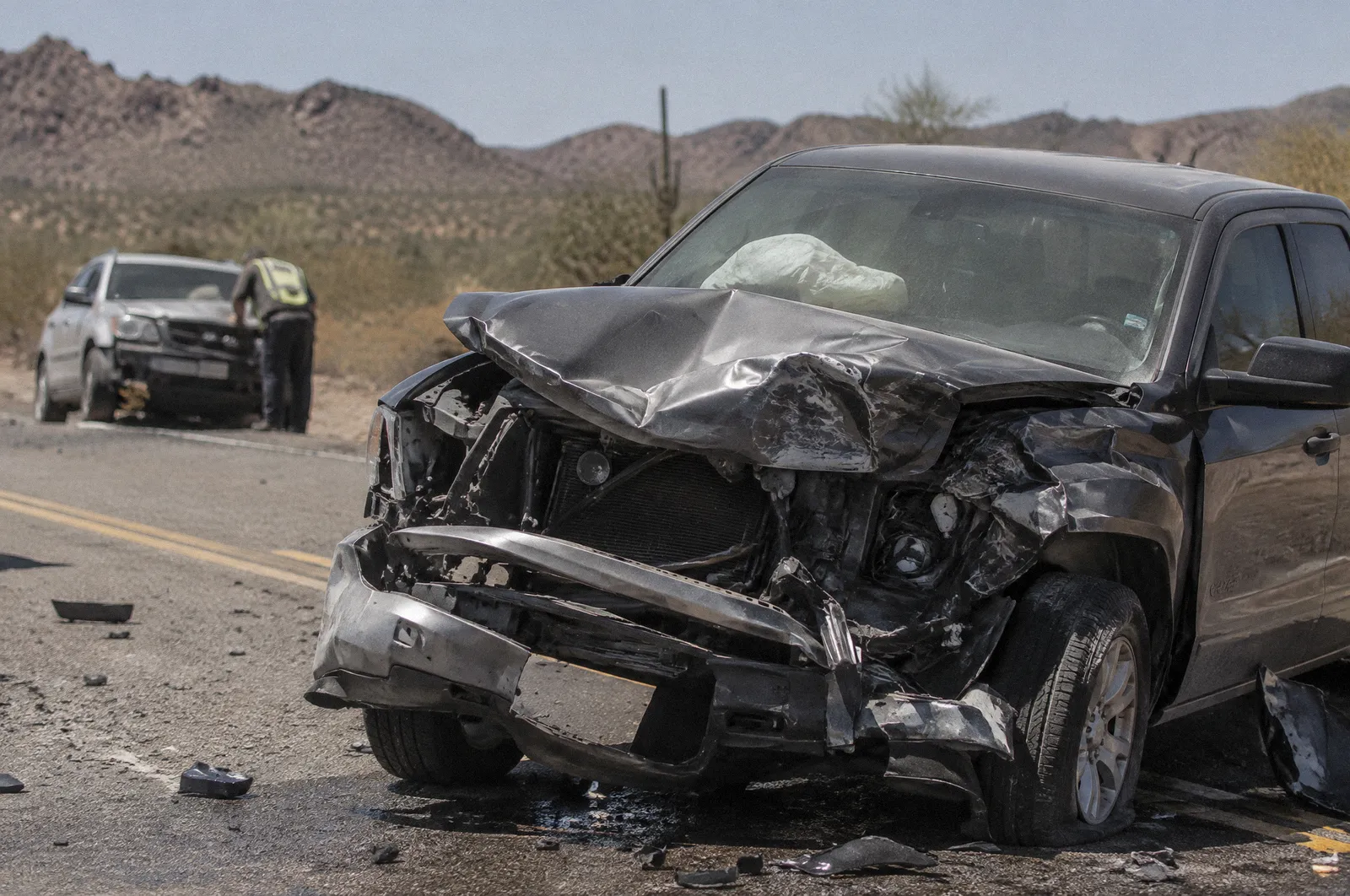
People often ask when it makes sense to bring in an Arizona hit and run lawyer. A good rule is before you speak with an adjuster about fault and before you accept any offer. Whether your crash happened in Scottsdale or Phoenix, a hit and run lawyer can request footage, read your policy, and track deadlines while you recover. If you are talking with a hit and run attorney in Scottsdale, ask how the uninsured motorist claim will be handled and what happens if the fleeing driver is found. Another hit and run accident attorney may explain it differently, so ask questions until it makes sense to you. Our overview of a car accident lawyer in Scottsdale explains how we handle crash injury claims in general, and this page covers the added problem of the missing driver. We also help when you need a car accident lawyer for a hit and run that happened on a freeway or in a parking lot.
Related pages
Statewide guide
Types of car accident claims
Questions
Questions about Scottsdale hit and run accident cases
The driver fled and was never found. Can I still recover?
Often, yes. Your own uninsured motorist coverage is designed for exactly this situation. Arizona's uninsured motorist coverage can apply directly to hit-and-run accidents where the responsible driver is never identified. Your own auto insurance policy may cover medical bills, lost wages, pain and suffering, and property damage up to your policy limit. An attorney who handles these cases can review your policy language and file the claim correctly on your behalf.
Will my rates go up if I use my own uninsured motorist coverage?
Using coverage you paid for after a no-fault hit-and-run should not be held against you the way an at-fault claim might. We can talk through your specific policy.
What does it cost?
You pay no attorney fee unless we recover money for you. Your fee agreement will be in writing and will explain the percentage and how costs are handled.
I only got a partial license plate number. Does that help?
Yes, even a partial plate can be enough for police to narrow down the vehicle, especially combined with a description of the color, make, and damage. We pass along everything you remember to the investigating officer and keep pushing for updates. It also strengthens your uninsured motorist claim by showing the loss was genuinely a hit and run.
What if there were no witnesses and no cameras nearby?
You can often still recover through your uninsured motorist coverage even without witnesses or video. If the other vehicle struck yours, the police report, your statement, and physical evidence like vehicle damage and debris at the scene are usually enough to support the claim. If there was no contact, Arizona law requires corroboration that the other vehicle caused the crash (A.R.S. 20-259.01(M)), and it does not have to be an eyewitness: skid marks, a debris pattern, or 911 and police dispatch records can count. We look at every available source before assuming there is nothing to work with.
Does it matter if the hit and run happened in a parking lot instead of on the road?
No, a hit and run in a parking lot is handled the same way as one on a public street. Your uninsured motorist coverage still applies, though parking lot cases sometimes rely more heavily on nearby business cameras since there is less traffic camera coverage. We will reach out to nearby stores and property managers to ask about footage.
How long does a hit and run insurance claim usually take?
It depends on how quickly the insurer completes its investigation and whether the driver is later identified, but straightforward uninsured motorist claims often move faster than a typical injury case against a known driver. Complications arise if the insurer disputes fault or if your injuries are still being treated. We stay in contact with the adjuster throughout so the claim does not stall.
My insurance company has been friendly so far. Do I still need a hit and run attorney?
A cooperative adjuster at the start does not mean you will get a fair offer once the full value of your claim is known. Insurers, including your own, are still evaluating the claim in their own interest. Having a hit and run attorney review the offer before you accept it can help protect you from settling for less than the claim is worth.
Free case review
Talk to Us About Your Hit and Run
If you were injured in a hit-and-run accident in the Phoenix area and you are not sure where to turn, call (602) 584-8054 or request your free case review with Valley Accident Law. We will explain your legal rights and give you clear, direct answers about what we see in your facts. The earlier you call, the better, but it's never too late to find out your legal rights.
Call any time. Office visits Monday to Friday, 9 to 5.
Thank you, we’ve received your request.
A member of our team will reach out shortly. If your matter is urgent, call us now at (602) 584-8054.