
Arizona Catastrophic Injury Lawyer
Arizona Catastrophic Injury Lawyer: When an Injury Changes Everything
An Arizona catastrophic injury lawyer helps people whose injuries change their lives for good, such as a brain injury, spinal cord injury, amputation or severe burn. A serious accident claim is built around the long-term cost of care, lost earning ability and the life you had before, not only the bills in front of you. Most Arizona injury claims must be filed within two years (A.R.S. 12-542(1)), and a call to (602) 584-8054 gets you a free case review.
- Filing deadline
- Generally 2 years from the injury
- A.R.S. 12-542(1)
- Damage caps
- None on personal injury or death damages
- Ariz. Const. art. 2 sec. 31; art. 18 sec. 6
- Minimum auto liability
- $25,000 per person, $50,000 per accident, $15,000 property
- A.R.S. 28-4009
- Public entity involved
- Written notice of claim within 180 days
- A.R.S. 12-821.01
What Makes an Injury Catastrophic in a Legal Claim
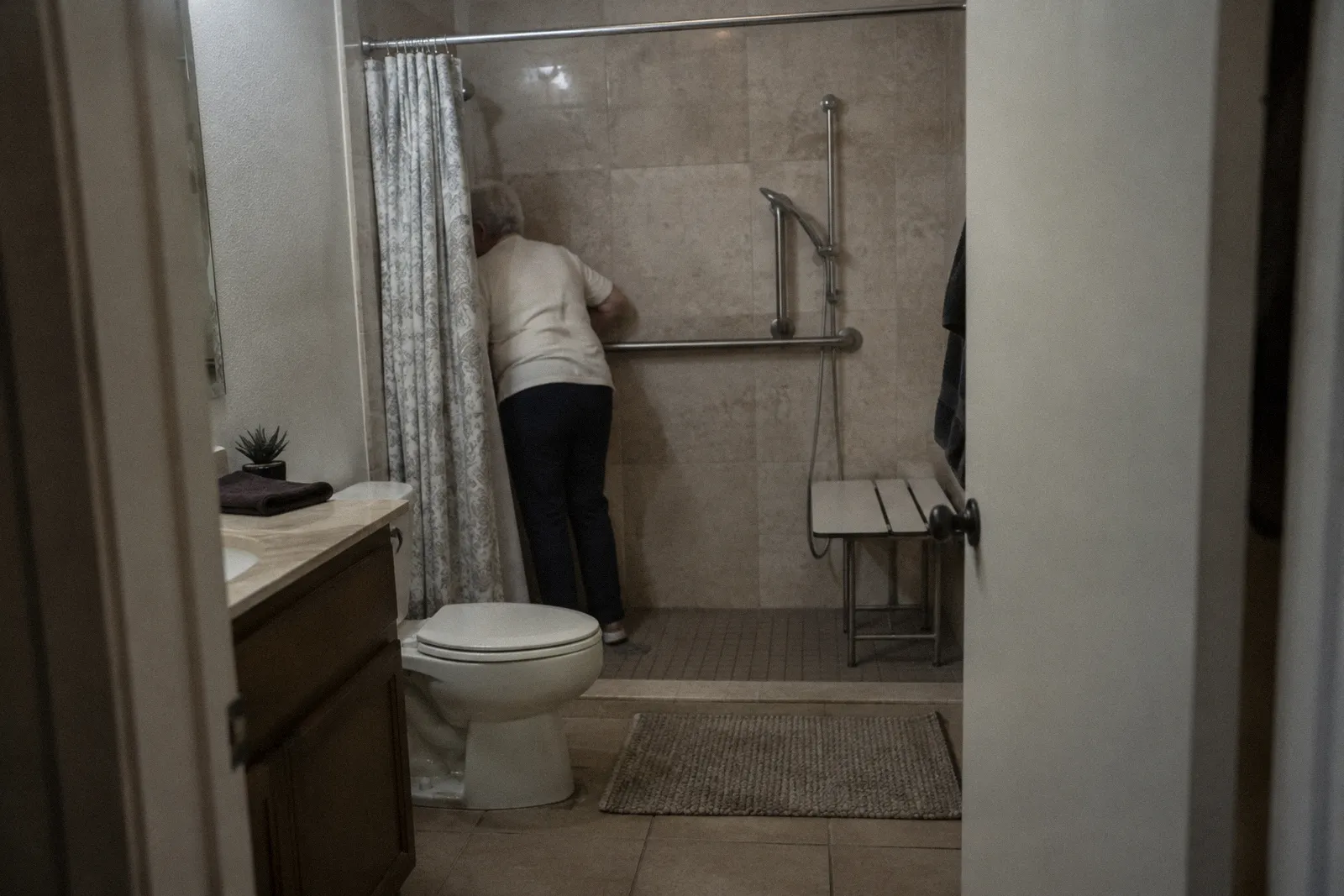
An Arizona catastrophic injury lawyer deals with injuries that do not heal back to normal. There is no single legal definition, but the word usually describes harm that permanently changes how a person lives and works: a brain injury, a spinal cord injury with paralysis, an amputation, a severe burn, multiple fractures with lasting disability, or an injury so severe that the person cannot return to their old job.
These claims are different because the bills you can see are only the start. The larger part of the claim is often the future: years of therapy, home changes, equipment, attendant care, lost earning ability and the life you had planned. That is why a catastrophic accident lawyer builds the claim around the long-term cost of care and not around the first stack of invoices.
People find us after car and truck crashes, motorcycle and pedestrian collisions, falls on someone else's property, workplace and construction incidents, and acts of neglect in care facilities. This page explains how serious injury claims generally work in Arizona. It is general information, and a free case review is the place to talk about your facts.
Injuries That Often Lead to Catastrophic Injury Claims
A serious injury lawyer sees the same families of injuries again and again. Each has its own medical path and its own page on this site.

- Traumatic brain injury
Memory, mood, balance and thinking can change even when the scans look quiet. See our brain injury lawyer page.
- Spinal cord injury and paralysis
Lifelong equipment, home changes and attendant care make future costs a central issue. See our spinal cord injury lawyer page.
- Amputation
Prosthetics are replaced over a lifetime, and the loss affects work and daily life. See our guide to amputation injuries.
- Severe burns
Burns can require repeated surgery, long hospital stays and scar care. See our guide to burn injuries.
- Back and neck injuries
Disc, nerve and fusion injuries can end careers. See our guide to back and neck injuries.
- Multiple fractures and crush injuries
Complex fractures, repeated surgery and permanent loss of function are common. See our guide to broken bones.
- Scarring and disfigurement
Visible and permanent changes carry their own weight in a claim. See our guide to scarring and disfigurement.
- Injuries that cause death
When a family loses someone, the claim becomes a wrongful death claim. See our wrongful death attorney page.
What a Serious Injury Claim Can Include
A claim for a serious accident can include more than medical bills, and the categories are worth knowing before an insurer starts talking about numbers.

Medical costs, past and future. Emergency care, surgery, hospital stays, rehabilitation, medication, equipment and nursing or attendant care. Future care is estimated, often with help from physicians and life care planners.
Lost income and lost earning ability. A worker who cannot return to the job loses wages today and the career they would have had. Vocational specialists and economists can help show that loss.
Non-economic losses. Pain, loss of independence, disfigurement, loss of enjoyment of life and the strain on family relationships.
Punitive damages in rare cases. Arizona allows punitive damages only where the defendant showed an "evil mind" by clear and convincing evidence: either the defendant intended to cause harm or acted out of spite or ill will, or engaged in outrageous, oppressive or intolerable conduct that created a substantial risk of tremendous harm, showing a conscious and deliberate disregard for the safety of others (Linthicum v. Nationwide (Ariz. 1986)). Most cases do not meet that standard.
No caps. Arizona has no caps on personal injury or death damages (Ariz. Const. art. 2 sec. 31; art. 18 sec. 6). For plain-language value, read what is my personal injury case worth.
Be Careful With Early Settlement Offers and Releases
An insurer may call quickly, sound sympathetic and offer money before you know how your injuries will progress. Signing a release will under most circumstances close your case permanently, even if your condition turns out to be far more serious. Settling too early can injure your legal rights.
Think carefully before agreeing to a recorded statement or signing any release, and talk to us first. Insurance companies and attorneys often negotiate the percentage of fault, and your own words can be used to raise yours. Our guide to talking to insurance adjusters after an accident explains what to expect.
When Insurance Limits Are Far Below the Real Cost
In a catastrophic case the limit of the at-fault party's policy is often the bottleneck.
What the at-fault party may carry
- Arizona's minimum auto liability limits are $25,000 per person and $50,000 per accident for bodily injury, with $15,000 for property damage, since July 1, 2020 (A.R.S. 28-4009)
- Commercial vehicles, businesses and property owners may carry much more, and we look for every policy
- In most cases each defendant pays only its own share of fault, with exceptions (A.R.S. 12-2506)
- Some defendants have little or no insurance
What may help close the gap
- Your own underinsured and uninsured motorist coverage. Written notice to your insurer is generally due within 3 years, and a UIM claim also needs a claim against the at-fault driver or a lawsuit within the general 2-year deadline (A.R.S. 12-555; 12-542)
- Insurers must offer UM and UIM coverage in writing, and you may have rejected it, so we check the policy (A.R.S. 20-259.01)
- Claims against additional responsible parties, such as an employer, a property owner or a manufacturer
- Health coverage and benefits that may be repaid from a settlement, which we manage carefully
Step by step
What Families Can Do in the First Weeks
After a life-changing injury, the legal side can feel impossible. These steps are general and your family's medical care always comes first.

- 1
Let the medical team lead
Follow your doctors' instructions and keep every appointment. We do not give medical advice.
- 2
Start a simple record
Keep a notebook or a phone folder for names, dates, bills, mileage, missed work, and how the injury changes daily life.
- 3
Preserve the scene and the vehicles
If safely possible, ask that vehicles, equipment and footage not be repaired, returned or deleted until we can request them in writing.
- 4
Be careful with insurers and social media
Avoid recorded statements and avoid posting about the accident or your recovery.
- 5
Ask about deadlines early
A claim involving a public entity has a 180-day notice rule, and a child's claim has its own rules. Ask us before assuming you have time.
- 6
Call us for a free case review
We explain your legal rights and your options in plain language, and You pay no attorney fee unless we recover money for you.
How a Catastrophic Injury Claim Usually Develops
Serious injury claims take longer than ordinary ones, because the value cannot be set until the medical picture is clear.
The first days
Emergency care and evidence
Your family focuses on treatment. We send preservation letters and request reports, video and vehicle data.
The first months
Investigation and insurance
We identify every responsible party and every policy, and calendar the filing deadlines.
The treatment period
Recovery and records
Treating doctors work toward a stable picture of what you can and cannot do. We gather records and the opinions that explain them.
Once the future is clearer
Valuing the claim
We work with medical and financial professionals to estimate future care and lost earning ability.
Demand and negotiation
Presenting the claim
We present the claim and negotiate. Medical liens and reimbursement claims are addressed before any money is distributed.
If needed
Lawsuit
A lawsuit is filed before the applicable deadline. Our personal injury claim process guide explains what comes next.
Records That Help a Serious Injury Claim
You do not need to collect everything yourself, but these items are worth keeping.
- Emergency, hospital, surgical and rehabilitation records, and the names of every provider
- Imaging, test results and doctors' notes about prognosis and permanent limits
- Bills, explanation-of-benefits statements and any liens or reimbursement letters
- Pay stubs, tax returns and employer letters showing lost income and lost hours
- Receipts for equipment, home changes, medication, travel to appointments and paid help
- Photos and video of injuries, the scene, vehicles and equipment
- Names of witnesses and first responders, and copies of police or incident reports
- A daily journal about pain, limits, sleep, mood and what you can no longer do
- All insurance policies, letters and emails, including your own auto policy
Deadlines, Children, Liens and Wrongful Death
Most Arizona injury claims must be filed within two years (A.R.S. 12-542(1)). In some cases the clock can start when you knew or should have known of the injury and its cause, and the rule has limits, so do not rely on it. If a public entity may share the blame, a written notice of claim is generally due within 180 days and the lawsuit within one year of accrual (A.R.S. 12-821.01; 12-821). For a child, the limitations period is generally paused until age 18 (A.R.S. 12-502), but claims against a public entity and the parents' own claim for medical bills follow different rules (A.R.S. 12-821.01(D)). Our guide to the Arizona statute of limitations and the notice of claim rules go into more detail.

If a catastrophic injury leads to death, a wrongful death claim must generally be filed within 2 years of the date of death (A.R.S. 12-542(2)). It can be brought by the surviving spouse, child, parent or guardian, or the personal representative, for the benefit of the spouse, children, parents or the estate if none survive (A.R.S. 12-612), and the jury awards damages it deems fair and just (A.R.S. 12-613).
Hospital and provider liens, AHCCCS liens, and Medicare or ERISA reimbursement can take a large share of a settlement if they are not handled carefully (A.R.S. 33-931 et seq.; 36-2915; federal law). Our guide to medical liens explains the basics. Arizona also applies pure comparative fault, so a share of blame reduces a claim and does not erase it (A.R.S. 12-2505).
Catastrophic Injury Lawyer by City
We take cases anywhere in Arizona and focus on the Phoenix metro. Each city page covers the local hospitals, roads, courts and agencies involved in a serious injury claim there. For a wider look, see our guide to Phoenix area trauma centers.
- Catastrophic injury lawyer in Scottsdale
- Catastrophic injury lawyer in Phoenix
- Catastrophic injury lawyer in Mesa
- Catastrophic injury lawyer in Tempe
- Catastrophic injury lawyer in Chandler
- Catastrophic injury lawyer in Gilbert
- Catastrophic injury lawyer in Glendale
- Catastrophic injury lawyer in Peoria
- Catastrophic injury lawyer in Surprise
Talking With an Arizona Catastrophic Injury Lawyer
When you look for a serious injury attorney in Arizona, ask what the first conversation will be like. A serious accident lawyer or a severe injury attorney should be able to tell you in plain words what happens next. Ours is simple: we listen, we explain how Arizona's rules apply, and we tell you what we need. We make no promises about results, and the decision is yours. You pay no attorney fee unless we recover money for you.
Any serious injury law firm should explain its fees in writing before you sign. Our how we work page explains the process, and our guide to how contingency fees work covers the written fee agreement. Serious injuries also come from car accidents, truck accidents, motorcycle accidents, pedestrian accidents and slip and fall accidents. You can also browse all of our types of personal injury cases. The earlier you call, the better, but it is never too late to find out your legal rights.
Questions
Questions about Arizona catastrophic injury cases
What counts as a catastrophic injury?
There is no single legal definition, but the term usually covers injuries with permanent or life-changing effects, such as brain injury, spinal cord injury, amputation, severe burns and injuries that prevent a return to work. What matters in a claim is how the injury changes your life and the cost of your care over time.
How is a serious personal injury lawyer different from a general injury lawyer?
The claim looks further ahead. We focus on long-term care, future income and the full set of responsible parties and insurance policies, and we may bring in medical and financial professionals to explain the future. We make no promises about results.
How long do I have to file a catastrophic injury claim in Arizona?
Most Arizona injury claims must be filed within two years of the injury (A.R.S. 12-542(1)). A claim involving a public entity generally requires a written notice of claim within 180 days (A.R.S. 12-821.01). These rules have exceptions, so call us and we will explain how they apply to you.
Is there a cap on what I can recover?
Arizona has no caps on personal injury or death damages (Ariz. Const. art. 2 sec. 31; art. 18 sec. 6). What you can recover depends on the facts, the evidence and the insurance and assets available.
What if the at-fault driver has only minimum insurance?
Arizona's minimum liability limits are $25,000 per person and $50,000 per accident for bodily injury (A.R.S. 28-4009), which can be far below the cost of a serious injury. Your own underinsured motorist coverage may help, and there are important notice deadlines, so ask us early.
Should I accept the insurance company's first offer?
Be very careful. A release will under most circumstances close your case permanently, and early offers are often made before the full extent of an injury is known. Talk to us before you sign anything.
What if my family member died from the injury?
A wrongful death claim has its own deadline of generally 2 years from the date of death (A.R.S. 12-542(2)) and its own rules about who may bring it. We can explain how the claim works on a free case review.
Free case review
Let Us Answer Your Questions and Help With Your Case
Call (602) 584-8054 or request your free case review. Our experienced and friendly attorney will explain your legal rights and what your options are. Call any time. Office visits Monday to Friday, 9 to 5. The earlier you call, the better, but it's never too late to find out your legal rights.
Thank you, we’ve received your request.
A member of our team will reach out shortly. If your matter is urgent, call us now at (602) 584-8054.