
Nursing Home Abuse Lawyer in Arizona
Nursing Home Abuse Lawyer in Arizona: Protecting Residents From Abuse and Neglect
A nursing home abuse lawyer in Arizona can help your family understand what happened, who may be responsible and what a legal claim could and could not do. If your loved one is in danger right now, call 911 first, and you can also report suspected abuse to Arizona Adult Protective Services. Most Arizona injury claims must be filed within two years (A.R.S. 12-542(1)), and a call to (602) 584-8054 gets you a free case review.
- Injury claim deadline
- Generally 2 years from the injury
- A.R.S. 12-542(1)
- Wrongful death deadline
- 2 years from the date of death
- A.R.S. 12-542(2)
- Public entity involved
- Written notice of claim within 180 days
- A.R.S. 12-821.01
- Damage caps
- None on personal injury or death damages
- Ariz. Const. art. 2 sec. 31; art. 18 sec. 6
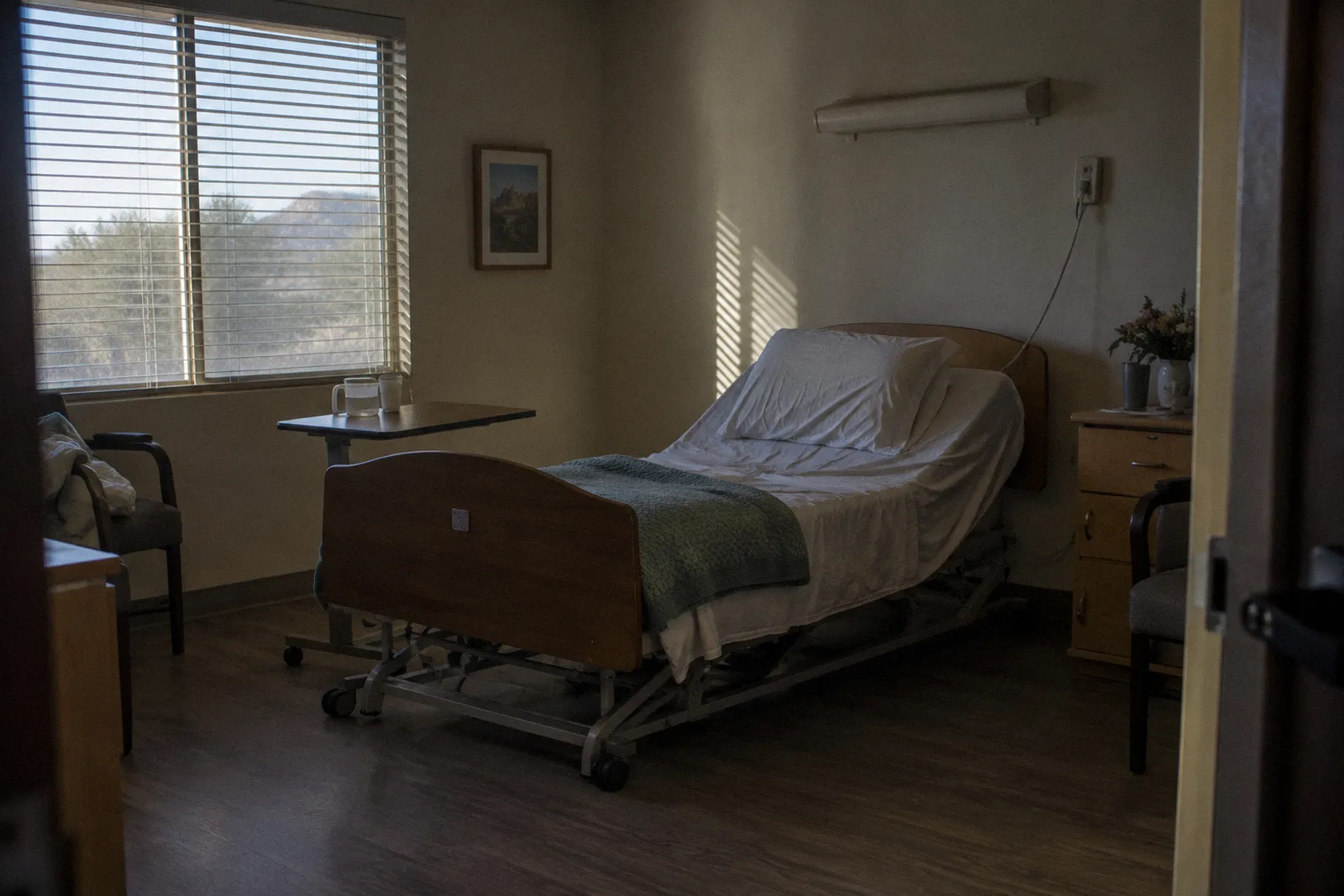
If a Loved One Is in Danger Right Now, Call 911 First
If you believe a resident is in immediate danger, call 911. You can also report suspected abuse, neglect or exploitation of a vulnerable adult to Arizona Adult Protective Services, and complaints about a licensed facility can go to the Arizona Department of Health Services. Reporting and a legal claim are separate steps, and you can do both.
When you are ready, we can talk about whether there is a claim, who may be responsible and what deadlines apply. That conversation is free, and you will not be pressured. The earlier you call, the better, but it is never too late to find out your legal rights.
Warning Signs of Nursing Home Abuse and Neglect
No single sign proves abuse or neglect, and there can be medical explanations. A pattern, or a sign with no good explanation, is worth taking seriously and writing down.
- Unexplained injuries
Bruises, cuts, fractures, burns or repeated falls, especially when the staff explanation does not fit the injury.
- Pressure sores and skin breakdown
Bedsores that appear or worsen suggest a resident is not being repositioned, cleaned or checked often enough.
- Weight loss, dehydration and poor hygiene
Sudden weight loss, dry mouth, soiled clothing and bedding, or a resident who has not been bathed can point to basic care being missed.
- Medication problems
Missed doses, wrong doses, new sedation or confusion, or medications that go missing.
- Changes in mood or behavior
Withdrawal, fear of a particular staff member, agitation, or a resident who stops speaking up.
- Understaffing and unsafe conditions
Call lights that go unanswered for a long time, constant staff turnover, strong odors, broken equipment or wet floors.
- Restricted visits and unexplained money problems
Staff who keep family from seeing the resident alone, missing belongings, changes to bank accounts or sudden gifts and signatures.
Abuse, Neglect and Exploitation: What Each Can Look Like
People use the words abuse and neglect for different problems, and a claim may involve more than one.
Abuse is harm done on purpose or with reckless disregard, such as hitting, rough handling, sexual contact, threats, humiliation, isolation or the misuse of restraints and medication to keep a resident quiet.
Neglect is a failure to provide the care a resident needs: food and fluids, hygiene, turning to prevent sores, help to prevent falls, timely medical attention, and correct medication. A nursing home neglect lawyer will often find that neglect can come from short staffing, poor training or poor supervision rather than a single act.
Exploitation is financial or personal: pressuring a resident to change a will, taking money, using a card, or selling property. It may be committed by staff, another resident, a visitor or someone close to the resident.
An elder care abuse lawyer looks at what actually happened, what the facility knew and what records exist. Facilities keep care plans, charts, incident reports, staffing schedules and medication records, and those documents often tell the story the resident cannot.
Reporting a Problem and Making a Legal Claim Are Different Steps
Many families do not realize they are separate. You can do one, the other or both.
Reporting
- Aims to protect the resident and to trigger an agency review
- Goes to Arizona Adult Protective Services, the Arizona Department of Health Services or the police, depending on the situation
- Can be done quickly, often without a lawyer
- Does not by itself result in compensation for the resident or the family
A legal claim
- Seeks compensation for injuries and losses, and can be brought whether or not a report or criminal case exists
- Is filed in court, in Maricopa County Superior Court for a Maricopa County facility
- Has deadlines, generally 2 years for an injury (A.R.S. 12-542(1)) or for a death from the date of death (A.R.S. 12-542(2))
- Depends on records, care plans and witness accounts that we ask the facility to keep
How to Report Nursing Home Neglect in Arizona
These steps are general, and your loved one's safety comes first.
- 1
Call 911 if there is immediate danger
A medical emergency, an assault or a resident who is missing should be handled as an emergency.
- 2
Report suspected abuse, neglect or exploitation to Adult Protective Services
Arizona Adult Protective Services takes reports about vulnerable adults. Write down the date and time of your report and the name of the person you spoke with.
- 3
Contact the Arizona Department of Health Services
The department licenses and oversees many care facilities, and it is the place to ask about a facility's license and to raise concerns about conditions.
- 4
Call the police for a possible crime
For a possible assault, theft or other crime at a facility, contact the police department for the city where it is located.
- 5
Tell the facility in writing
Send a dated letter or email to the administrator and the director of nursing describing your concern, and keep a copy.
- 6
Document what you see and get medical attention
Photograph injuries, keep notes, and ask a physician to examine the resident and record what is found. We do not give medical advice.
- 7
Talk to us before you sign or agree to anything
Facilities and insurers sometimes ask families to sign releases or give statements. Think carefully before agreeing to either, and call us so we can explain your legal rights.
Assisted Living, Memory Care and Nursing Homes: Who May Be Responsible
Whether the resident lives in a skilled nursing home, an assisted living community, a memory care unit or a small care home, several parties may be responsible when care fails. An Arizona assisted living abuse lawyer and an Arizona nursing home lawyer ask similar questions: who owned and operated the facility, who employed the caregivers, and who made the decisions about staffing and training.
Responsible parties can include the operating company, the building owner, a management company, a staffing agency, a physician or nurse practitioner contracted to the facility, a therapy or pharmacy provider, and an individual caregiver. Large facilities are often owned by layers of companies, and finding the right one is part of the work.
A free case review is the place to find out whether a claim is realistic. We make no promises about results, but we can explain how these claims work and what we would need to see. We take cases anywhere in Arizona and focus on the Phoenix metro.
How Many Certified Nursing Homes Are in the Cities Around Phoenix
Medicare's Provider Information data lists 140 certified nursing homes in Arizona. Here is how they are distributed in the cities we serve most. The counts do not include assisted living, memory care or homes without Medicare or Medicaid certification.
| City (mailing address) | Certified nursing homes | Certified beds |
|---|---|---|
| Phoenix | 23 | 2,784 |
| Mesa | 11 | 1,491 |
| Glendale | 6 | 970 |
| Chandler | 5 | 496 |
| Tempe | 3 | 209 |
| Surprise | 2 | 180 |
| Gilbert | 2 | 128 |
Source: Centers for Medicare and Medicaid Services, Provider Information dataset, mailing-city counts, dataset processed September 2026; certified skilled nursing facilities only
Records and Documents That Can Matter in a Nursing Home Claim
You may not have all of this, and we can request much of it. The sooner it is requested, the less likely it is to be lost.
- The admission paperwork, including any agreements the resident or a family member signed
- The care plan, nursing notes and charts, medication records and incident reports
- Staffing schedules and call-light logs for the days in question
- Hospital and emergency records, including records of transfers from the facility
- Photographs of injuries, bedsores, the room, the bed and the equipment
- Notes, emails and texts with the facility and with the resident
- Reports made to Adult Protective Services, the Arizona Department of Health Services or the police
- Bank and credit statements if financial exploitation is a concern
- Names of staff, roommates, other residents and visitors who saw what happened
Can You Sue a Nursing Home for Neglect? Deadlines, Death and Damages
Yes, a resident who was injured by a facility's negligence or abuse may bring a civil claim, and the answer to whether you can sue a nursing home for neglect depends on the facts, the records and who has the legal authority to act for the resident. If the resident is alive and cannot act alone, who may act for them depends on the resident's condition and any legal authority already in place, such as a power of attorney or guardianship. We sort that out on a free case review.
Most Arizona injury claims must be filed within two years (A.R.S. 12-542(1)). In some cases the clock can start when the plaintiff knew or should have known of the injury and its cause, which can matter when neglect was hidden, but the rule has limits and should not be relied on. If a public entity, such as a county-run facility, may be involved, a written notice of claim is generally due within 180 days (A.R.S. 12-821.01).
When neglect or abuse leads to a death, an Arizona nursing home wrongful death attorney can explain the separate claim that follows. It must generally be filed within 2 years of the date of death (A.R.S. 12-542(2)), and whoever would have been liable had the person lived is liable for damages (A.R.S. 12-611). It can be brought by the surviving spouse, child, parent or guardian, or the personal representative, for the benefit of the spouse, children, parents, or the estate if none survive (A.R.S. 12-612). Our wrongful death attorney page covers the process.
Damages in these cases can include medical costs, pain and suffering, and the loss of dignity and quality of life. Arizona has no caps on personal injury or death damages (Ariz. Const. art. 2 sec. 31; art. 18 sec. 6). In rare cases where the defendant showed an "evil mind" by clear and convincing evidence, punitive damages may be available (Linthicum v. Nationwide (Ariz. 1986)). Insurance companies and attorneys often negotiate the percentage of fault, and a facility may try to blame a resident's age or health. Arizona follows a pure comparative fault rule with no percentage bar (A.R.S. 12-2505). Read our guide to the Arizona statute of limitations, and ask about medical liens, because Medicare or AHCCCS may seek repayment from a settlement.
Nursing Home Abuse Lawyer by City
We take cases anywhere in Arizona and focus on the Phoenix metro. Each city page covers the local facilities, agencies and courts that matter for a nursing home claim there.
- Nursing home abuse lawyer in Scottsdale
- Nursing home abuse lawyer in Phoenix
- Nursing home abuse lawyer in Mesa
- Nursing home abuse lawyer in Tempe
- Nursing home abuse lawyer in Chandler
- Nursing home abuse lawyer in Gilbert
- Nursing home abuse lawyer in Glendale
- Nursing home abuse lawyer in Peoria
- Nursing home abuse lawyer in Surprise
Talking With a Nursing Home Abuse Lawyer in Arizona
Many families call us feeling guilty, angry or unsure. You are not overreacting by asking questions. On a free case review, we listen to what you saw, explain what a legal claim could and could not do, and tell you what records to keep. We make no promises about results, and the decision about what to do is yours. You pay no attorney fee unless we recover money for you.
Our how we work page explains what to expect, and our guide to how contingency fees work covers the written fee agreement. Nursing home claims often overlap with wrongful death claims, slip and fall accidents, brain injury claims and catastrophic injury claims, and you can browse all of our types of personal injury cases.
Questions
Questions about nursing home abuse lawyer in Arizona
Can you sue a nursing home for neglect in Arizona?
Generally yes, when a resident is injured because the facility or its staff failed to provide reasonable care or committed abuse. Whether you have a claim depends on the facts, the records and who has authority to act for the resident. Most Arizona injury claims must be filed within two years (A.R.S. 12-542(1)). Call us for a free case review.
How do I report suspected nursing home neglect in Arizona?
Call 911 if there is immediate danger. Suspected abuse, neglect or exploitation of a vulnerable adult can be reported to Arizona Adult Protective Services, complaints about a licensed facility can go to the Arizona Department of Health Services, and a possible crime can be reported to the police.
Is assisted living treated the same way as a nursing home?
The legal ideas are similar, since both involve a duty to provide reasonable care, but the facility type affects who is responsible and what records exist. We look at the specific facility, the care promised and what actually happened.
Does reporting a facility hurt my chances of a claim?
Reporting protects the resident and creates a record. It does not prevent a claim, and a claim can go forward whether or not an agency finds a violation.
What if my parent signed admission paperwork?
Admission paperwork can include terms about how disputes are handled, so bring the full packet. We read it and explain what it may mean for your options.
My loved one died. Is there still a claim?
There may be. A wrongful death claim generally must be filed within 2 years of the date of death (A.R.S. 12-542(2)), and it can be brought by the surviving spouse, child, parent or guardian, or the personal representative (A.R.S. 12-612).
What does an elder care abuse lawyer do on a free case review?
We listen, ask about the resident's care, the facility and what you saw, explain the deadlines, and tell you what records to keep. You pay no attorney fee unless we recover money for you.
Free case review
Let Us Answer Your Questions and Help With Your Case
Call (602) 584-8054 or request your free case review. Our experienced and friendly attorney will explain your legal rights and what your options are. Call any time. Office visits Monday to Friday, 9 to 5. The earlier you call, the better, but it's never too late to find out your legal rights.
Thank you, we’ve received your request.
A member of our team will reach out shortly. If your matter is urgent, call us now at (602) 584-8054.