
Scottsdale Uninsured Motorist Lawyer
Uninsured Motorist Lawyer in Scottsdale for Crashes With Drivers Who Cannot Pay
An uninsured motorist lawyer in Scottsdale helps you use your own insurance when the driver who hurt you has no coverage, or not enough. Arizona insurers must offer uninsured and underinsured motorist coverage in writing (A.R.S. 20-259.01), and written notice of a claim is due to your insurer within 3 years (A.R.S. 12-555), with special start dates. It helps to check your policy early.
- UM and UIM notice deadline
- Written notice to your insurer within 3 years, with special start dates
- A.R.S. 12-555
- Insurer must offer UM and UIM
- In writing, and you may reject it
- A.R.S. 20-259.01
- Minimum liability coverage
- $25,000 per person, $50,000 per accident, $15,000 property
- A.R.S. 28-4009, policies since July 1, 2020
- General injury deadline
- 2 years from the crash to file suit
- A.R.S. 12-542(1)
Arizona’s Uninsured Driver Problem
Arizona drivers face a real risk every day: the person who causes a car accident may carry no insurance, or not enough to cover serious bodily injury losses. Uninsured and underinsured motorist coverage in Arizona is the protection that steps in when the at-fault driver cannot pay. Victims of car accidents across the Phoenix metro are left exposed without it.
When you drive the I-10, the Loop 101, or any surface street in Scottsdale or Phoenix, there is a meaningful chance the driver next to you is operating without any liability insurance at all. When an uninsured driver causes a crash, the victim has no at-fault liability policy to pursue. Arizona does not require drivers to carry uninsured motorist coverage, which means the person who hits you may have nothing to offer beyond a lawsuit that cannot be collected. If that driver has no assets, a judgment against them is worthless. Without uninsured motorist coverage on your own policy, you bear the full cost of your medical bills, lost wages, and pain and suffering alone. This is not an edge case. It is a daily reality for Arizona crash victims.
This page is one of several crash types covered on our main car accident lawyer Scottsdale page.
What Uninsured Motorist Coverage Pays For
Uninsured motorist coverage is a first-party benefit on your own auto insurance policy. It pays when the at-fault driver has no liability insurance and cannot satisfy a judgment. Under Arizona law (A.R.S. 20-259.01), every insurer issuing a motor vehicle policy in this state must offer uninsured motorist coverage. Policyholders may reject it in writing, but it must be offered. If you are not sure whether you accepted or declined it, that is one of the first things your attorney will confirm. Uninsured motorist coverage typically compensates for the following. The coverage activates when the at-fault driver has no liability insurance policy in force at the time of the crash.
- Medical expenses
including emergency care, surgery, and rehabilitation
- Lost wages
and loss of future earning capacity
- Pain and suffering
- Permanent disability
or disfigurement
- Wrongful death damages
for surviving family members
How Uninsured and Underinsured Motorist Coverage in Arizona Works Together
Underinsured motorist coverage, or UIM, addresses a different but equally common problem. Here, the at-fault driver does carry liability insurance, but their policy limits are too low to cover your full losses. A driver who carries Arizona’s minimum bodily injury liability of $25,000 per person may not come close to covering a victim with a fractured spine, weeks of hospitalization, and months of lost wages. Once the at-fault driver’s policy is exhausted, your underinsured motorist coverage steps in to fill the gap, up to your own UIM policy limits.
Arizona insurers must offer uninsured and underinsured motorist coverage together. Both coverages are purchased together and typically share one combined limit on a standard auto policy. Underinsured motorist coverage matters most in high-severity crashes: collisions involving commercial trucks, head-on impacts, and any accident that causes traumatic brain injury or spinal cord damage. A victim in those situations can exceed a minimum-limits policy in emergency room costs alone. Uninsured and underinsured motorist coverage in Arizona is what keeps them from absorbing the remainder out of pocket. Our pages on truck accidents and head-on collisions explain why those crashes so often outrun minimum limits.
Why Arizona’s Minimum Liability Insurance Limits Fall Short
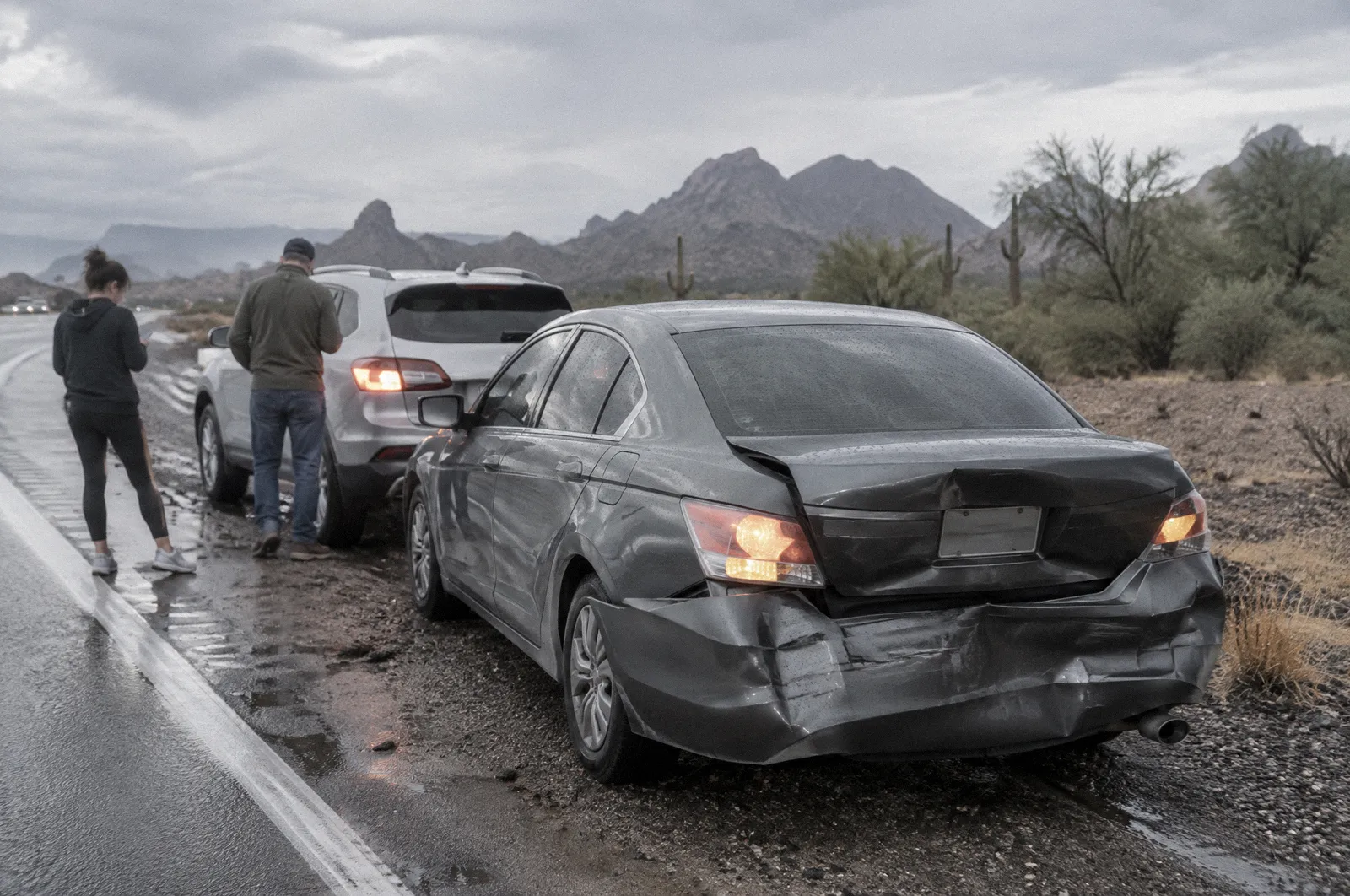
Arizona requires drivers to carry minimum liability insurance of $25,000 per person and $50,000 per accident for bodily injury, plus $15,000 for property damage (A.R.S. 28-4009). These figures took effect on July 1, 2020, while medical costs have continued to rise. The gap between the state’s minimum liability insurance requirements and actual crash costs is wide. This is exactly why uninsured and underinsured motorist coverage in Arizona matters even when the at-fault driver has insurance. Their legal minimum may cover only a fraction of your actual losses. If you are working through a personal injury claim and the at-fault driver’s policy has already been tendered, your attorney should evaluate your own UIM limits before you sign any release. Our guide to Arizona insurance minimums has the full numbers.
How to File a UM/UIM Claim After a Car Accident
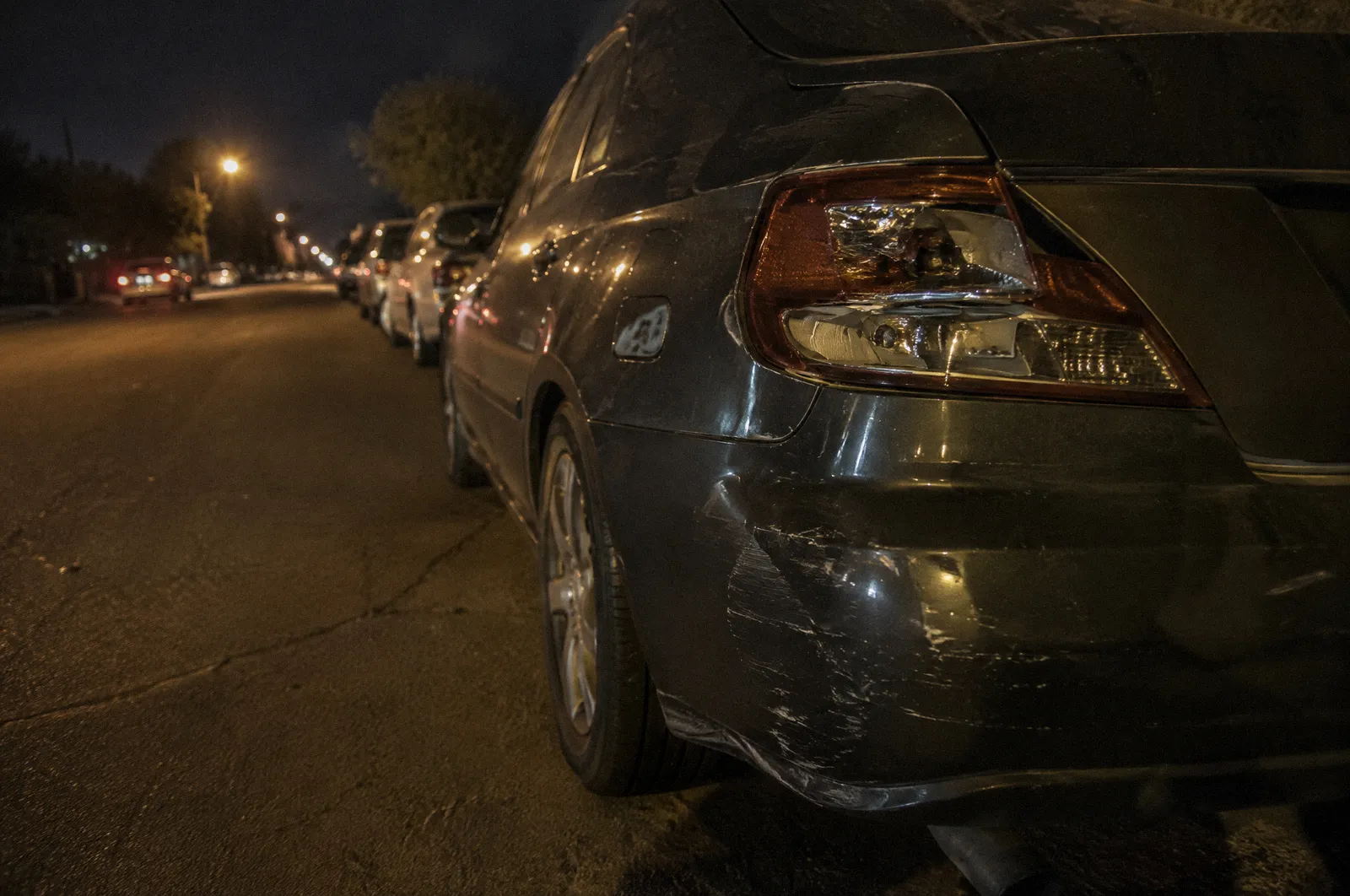
The process for making an uninsured motorist or underinsured motorist claim is more procedurally demanding than most people expect. Your own insurance company does not always cooperate readily, even though you paid the premiums.
- 1
Report the crash to your own insurer promptly.
Even if the other driver is clearly at fault, notify your carrier quickly. Delayed reporting gives the insurer grounds to contest coverage.
- 2
Document the at-fault driver’s insurance status.
If they have no insurance, obtain the police report confirming it. If they carry insurance, get a copy of their declarations page showing their limits.
- 3
Preserve your medical records.
Every visit, procedure, and diagnosis matters. Gaps in treatment are used by insurers to minimize the value of your bodily injury claim.
- 4
Do not accept a quick settlement.
UM and UIM claims are subject to Arizona’s bad-faith insurance standards, like other insurance claims. If your insurer offers far less than your documented losses, that amount is worth contesting.
- 5
Watch the statute of limitations.
Arizona gives most personal injury victims two years from the date of the accident to file suit (A.R.S. 12-542). If a city, county, state agency or other public entity may be involved, a written notice of claim is due within 180 days (A.R.S. 12-821.01). UM and UIM claims have their own rule: written notice to your insurer within 3 years, with special start dates (A.R.S. 12-555), and a UIM claim also requires a timely claim or suit against the at-fault driver. Some policies also include contractual notice deadlines that are shorter, so read yours. Missing a deadline will under most circumstances close your claim permanently.
What happens when
The Underinsured Motorist Double Deadline, and the Clock After Notice
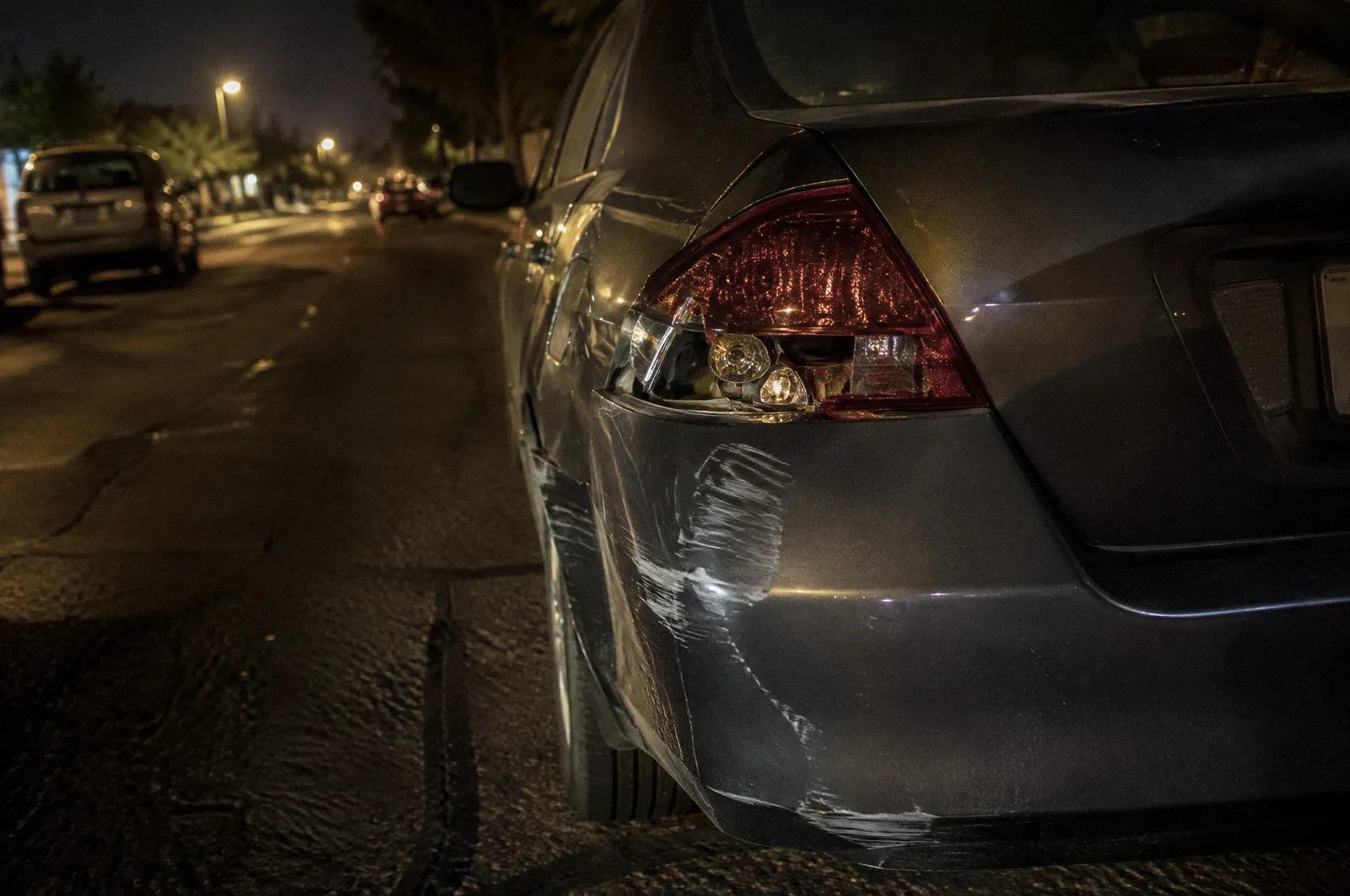
Three years to notify your own insurer sounds generous, but it is not the only deadline on an uninsured or underinsured motorist claim. Each of these can end a claim on its own.
Within 2 years
Act against the at-fault driver on a UIM claim
To keep an underinsured motorist claim alive, you must make a claim against the at-fault driver’s insurance or file a lawsuit against that driver within the general two-year deadline (A.R.S. 12-542). If you miss it, your own insurer loses its right to seek repayment from that driver, and that can bar your UIM claim even though the three-year notice period has not run.
Within 3 years
Give your insurer written notice
Written notice to your own insurer is due within three years (A.R.S. 12-555). On an uninsured motorist claim, the clock runs from the date of the accident, or from the date you know or should have known that the at-fault driver was uninsured, was denied coverage or was insolvent. On an underinsured motorist claim, it runs from the accident, or from the date you know or should have known that the driver’s liability insurance is too low to cover your injuries.
Within 3 years of your notice
Request arbitration or file suit
Notice is not the last step. If the claim does not settle, you must request arbitration or file a lawsuit against your insurer within three years of the date you gave written notice (A.R.S. 12-555(C)). The insurer has two years from receiving your claim to send you a written reminder of that deadline. Missing this second three-year clock ends the insurer’s obligation to pay.
Why an Uninsured Motorist Settlement Calculator Only Gets You So Far
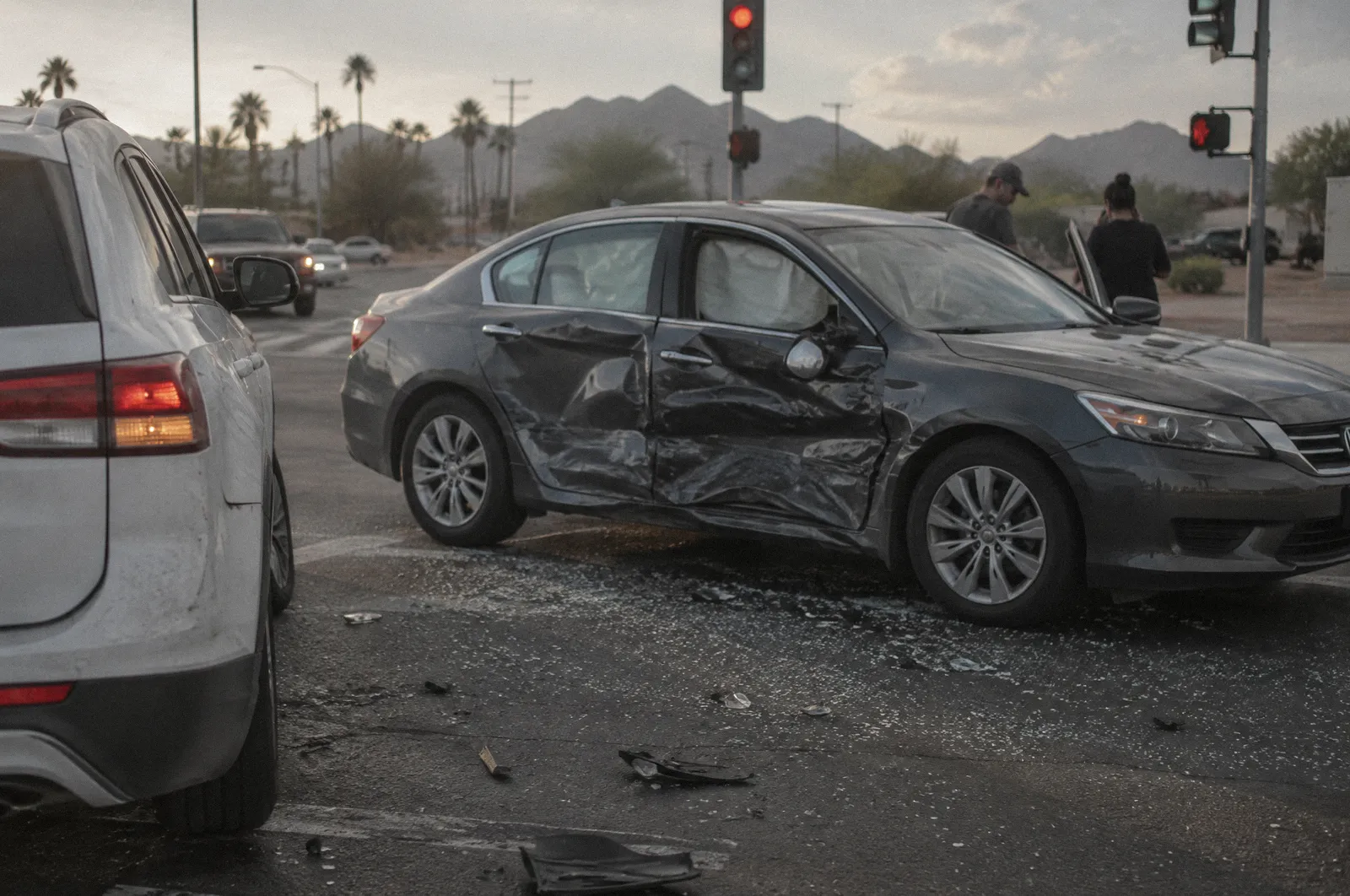
Any uninsured motorist settlement calculator you find online uses a shortcut, and none of them knows what is on your declarations page. UM and UIM coverage pays up to the limits you purchased, whether those limits stack across more than one vehicle depends on policy language, and your medical bills, lost income and the way the crash changed your daily life all matter. Treat the result as a rough starting point, never as a promise of what your claim is worth. Our guide on what a personal injury case is worth explains the pieces.
Many UM and UIM Claims End in Arbitration
Many UM/UIM claims that cannot be resolved through negotiation go to binding arbitration rather than trial. The arbitration process is governed by your specific policy terms and Arizona law. Having an attorney in your corner during arbitration matters, because the insurer will have legal representation defending its own interests throughout.
Arizona
Do You Need Physical Contact or an Eyewitness for a Hit and Run Claim?
No. You can make an uninsured motorist claim even if the fleeing vehicle never touched yours, such as when a driver forces you off the road and keeps going. Insurance policies used to require physical contact, and the Arizona Supreme Court has held those clauses void. There is one condition: if there was no contact, you must provide corroboration that the unidentified vehicle caused the crash (A.R.S. 20-259.01(M)). An independent eyewitness is the strongest corroboration, but it is not the only kind. Gather it quickly, because video is often recorded over within days.
- Video: dashcam recordings, storefront security footage, or a neighbor’s doorbell camera.
- Physical evidence at the scene: skid marks, paint transfer, or a debris pattern that fits a sudden swerve to avoid another vehicle.
- 911 and police dispatch records: a description of the fleeing vehicle given right after the crash.
- An independent eyewitness who saw the other vehicle cause the crash.
Talk to an Uninsured Motorist Lawyer in Scottsdale Before Your Claim Deadline Passes
If an uninsured or underinsured driver injured you, your path to recovery likely runs through your own policy, and that claim deserves the same aggressive handling as any other. Valley Accident Law represents injured drivers throughout Scottsdale, Phoenix, Tempe, Mesa, and Chandler. You pay no attorney fee unless we recover money for you. Start with a free case review to discuss what your uninsured motorist coverage may be worth.
Our experienced and friendly attorney will explain your legal rights, including what your declarations page says and how Arizona’s statute of limitations may apply to your notice. The earlier you call, the better, but it’s never too late to find out your legal rights.
Related pages
Statewide guide
Types of car accident claims
Questions
Questions about Scottsdale uninsured motorist cases
What is the difference between uninsured motorist and underinsured motorist coverage?
Uninsured motorist coverage pays when the at-fault driver has no liability insurance at all. Underinsured motorist coverage pays when the at-fault driver has liability insurance, but their limits are not enough to cover all of your losses. In Arizona, these are typically sold together as a combined uninsured underinsured motorist coverage package under one shared limit.
Is uninsured motorist coverage required in Arizona?
Arizona does not require drivers to purchase uninsured motorist coverage. Insurers are required by A.R.S. 20-259.01 to offer it, but policyholders may reject it in writing. Many drivers accept or decline without fully understanding what they agreed to. Pulling the full policy declarations is the only way to confirm what coverage is actually in force.
What does bodily injury mean in an insurance context?
Bodily injury refers to physical harm to a person, including fractures, internal injuries, traumatic brain injury, and death. When a policy includes bodily injury liability, it pays for another person’s physical injuries if you are at fault. Uninsured motorist coverage and underinsured motorist coverage apply those same bodily injury protections to your own losses when the responsible driver cannot pay.
Can I stack UM/UIM limits across multiple vehicles in Arizona?
Arizona law permits stacking in certain situations. If you own multiple vehicles on separate policies, or your policy does not contain an anti-stacking clause, you may be able to combine limits from each vehicle. Whether stacking applies depends on specific policy language and is a question your attorney should evaluate before any serious injury claim is resolved.
What happens if the at-fault driver fled and was never identified?
Hit-and-run collisions can qualify under your uninsured motorist coverage, and physical contact with the other vehicle is not required. If there was no contact, you must provide corroboration that the unidentified vehicle caused the crash (A.R.S. 20-259.01(M)). You must report the crash to law enforcement promptly and notify your insurer without unreasonable delay. Our page on hit and run accidents has more.
Free case review
Talk to Us About Your Uninsured Motorist Claim
Call (602) 584-8054 or request your free case review. We will explain your legal rights and what we see in your policy and your facts. The earlier you call, the better, but it’s never too late to find out your legal rights.
Call any time. Office visits Monday to Friday, 9 to 5.
Thank you, we’ve received your request.
A member of our team will reach out shortly. If your matter is urgent, call us now at (602) 584-8054.