
Scottsdale Freeway Accident Lawyer
Freeway Accident Lawyer in Scottsdale for Loop 101 and Interstate Crashes
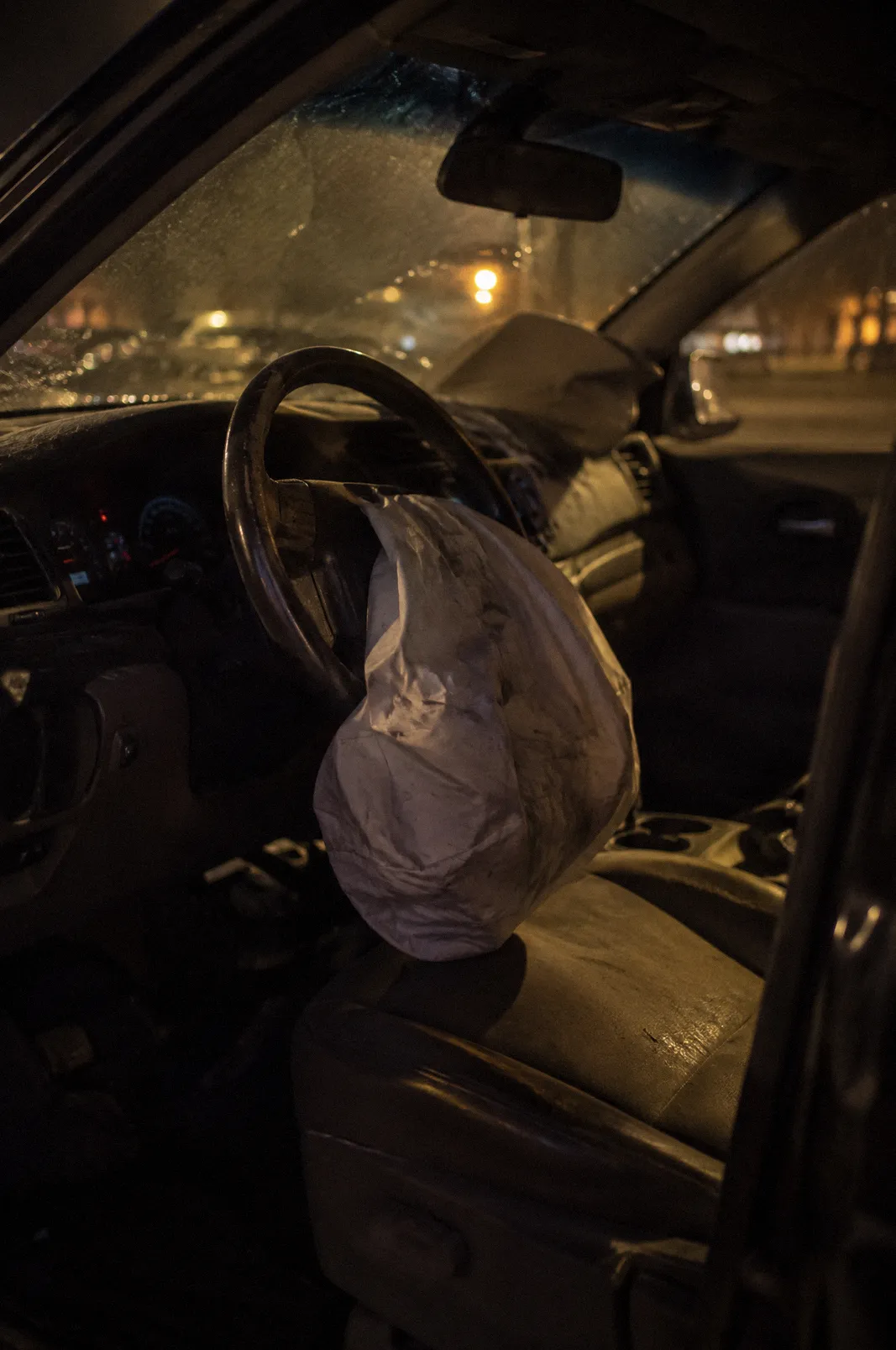
Freeway crashes happen at higher speeds, with more lanes, trucks and merging traffic, so injuries are often serious and fault is often disputed. As a freeway accident lawyer in Scottsdale, we help people hurt on Loop 101, Loop 202, I-17, I-10 and US-60 by gathering the crash report, scene evidence and any available footage, and by dealing with the insurance companies. Most Arizona injury claims must be filed within two years of the crash (A.R.S. 12-542).
- Filing deadline
- 2 years from the crash
- A.R.S. 12-542(1)
- Fault rule
- Pure comparative fault, no percentage bar
- A.R.S. 12-2505
- Road defect or government vehicle
- Notice of claim within 180 days
- A.R.S. 12-821.01
- Trucking driver logs
- Kept 6 months, so preservation letters go out early
- 49 CFR 395.8(k)
Freeway Crashes Around Scottsdale
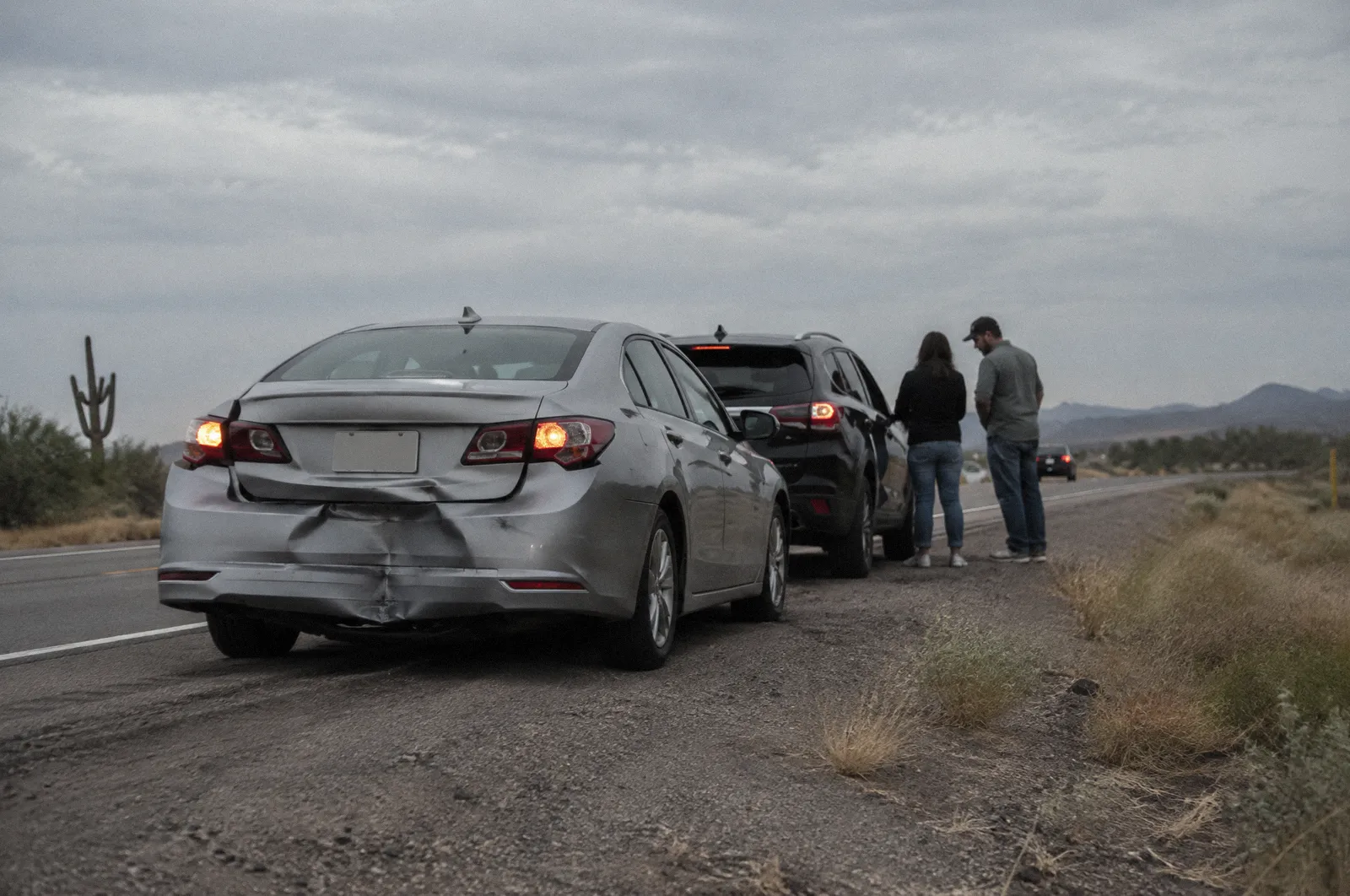
The Loop 101 corridor through north Scottsdale handles some of the heaviest freeway traffic in Arizona. Posted speeds of 65 mph alongside heavy rush hour volume create serious hazards at interchange ramps, where drivers accelerate and brake over short distances. A Loop 101 accident often involves rear-end collisions, sideswipe crashes, and merge conflicts. Commercial trucks use the same corridor to move freight between the east and west Valley.
Many Scottsdale drivers also commute on I-17, I-10, Loop 202, and US-60. I-17 carries commuter vehicles, commercial trucks, and out-of-state traffic through some of the most congested freeway segments in the state, and the stop-and-go conditions near the I-10 interchange create the right setting for chain-reaction crashes. An I-17 accident can involve many vehicles at once, which makes fault harder to sort out and insurance coverage harder to find. Each crash is different, and the sooner someone starts collecting evidence, the better.
Common Freeway Crash Types
These are the patterns that come up most often on Valley freeways.
- Rear-end and chain-reaction crashes
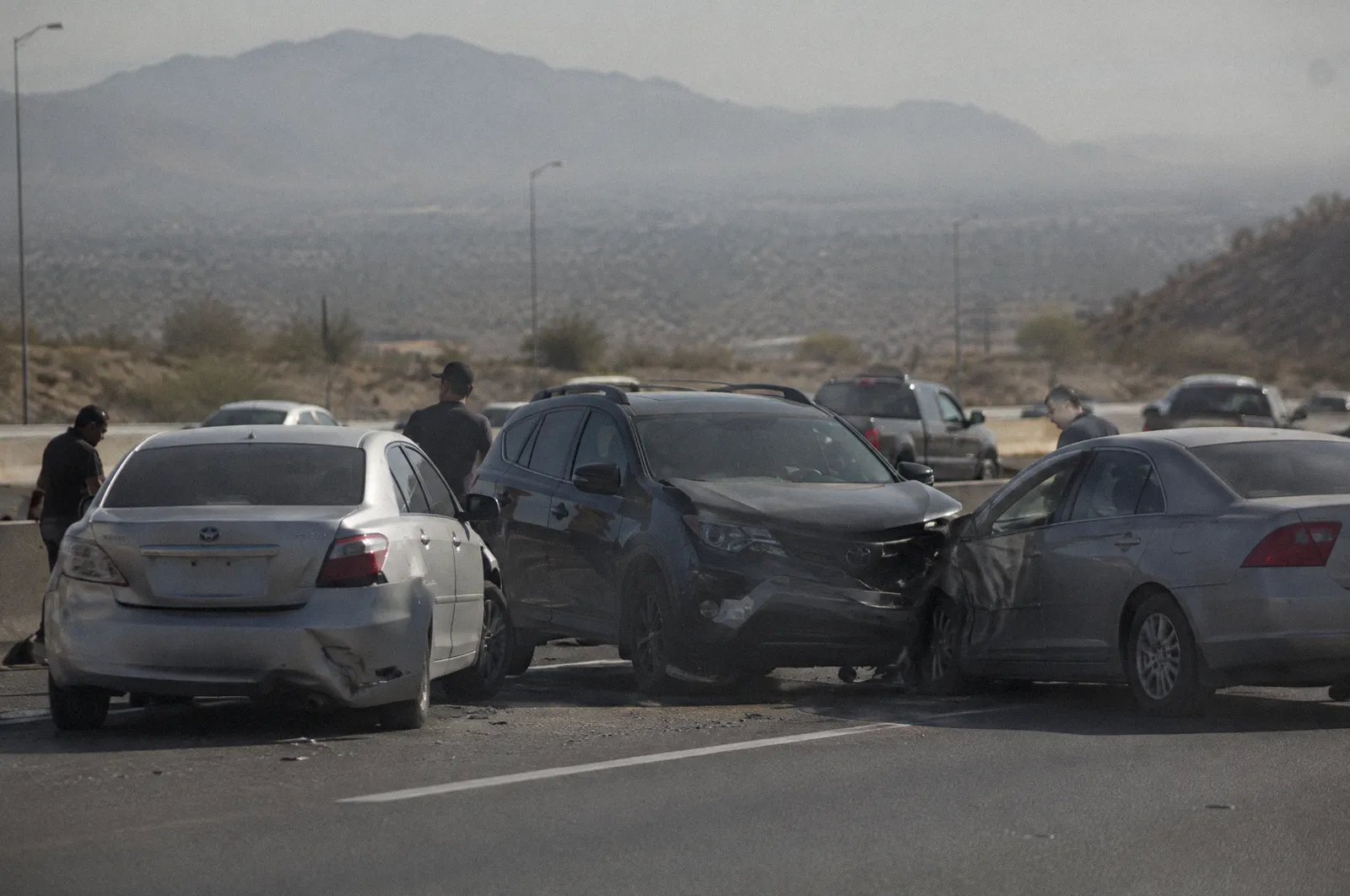
Stop-and-go traffic at freeway speed leaves little room to react. See our pages on rear-end collisions and multi-vehicle accidents.
- Merge and lane-change crashes
Vehicles entering or changing lanes at different speeds can sideswipe each other or force a driver off the road.
- Wrong-way and head-on crashes
A driver heading the wrong direction on a ramp or a divided road can cause a violent frontal impact. See our page on head-on collisions.
- Crashes with commercial trucks
Large trucks need more distance to stop and can cause severe injuries to smaller vehicles. Records such as driver logs may be kept only 6 months (49 CFR 395.8(k)), so we act quickly. See our page on truck accidents.
- Rollovers and loss of control
Speed, a blown tire, or an evasive move can cause a vehicle to leave its lane or roll over.
- Distracted and impaired drivers
Long commutes and late-night drives bring both problems. See distracted driving accidents and drunk driver accidents.
What If Debris Hit My Car on the Highway?
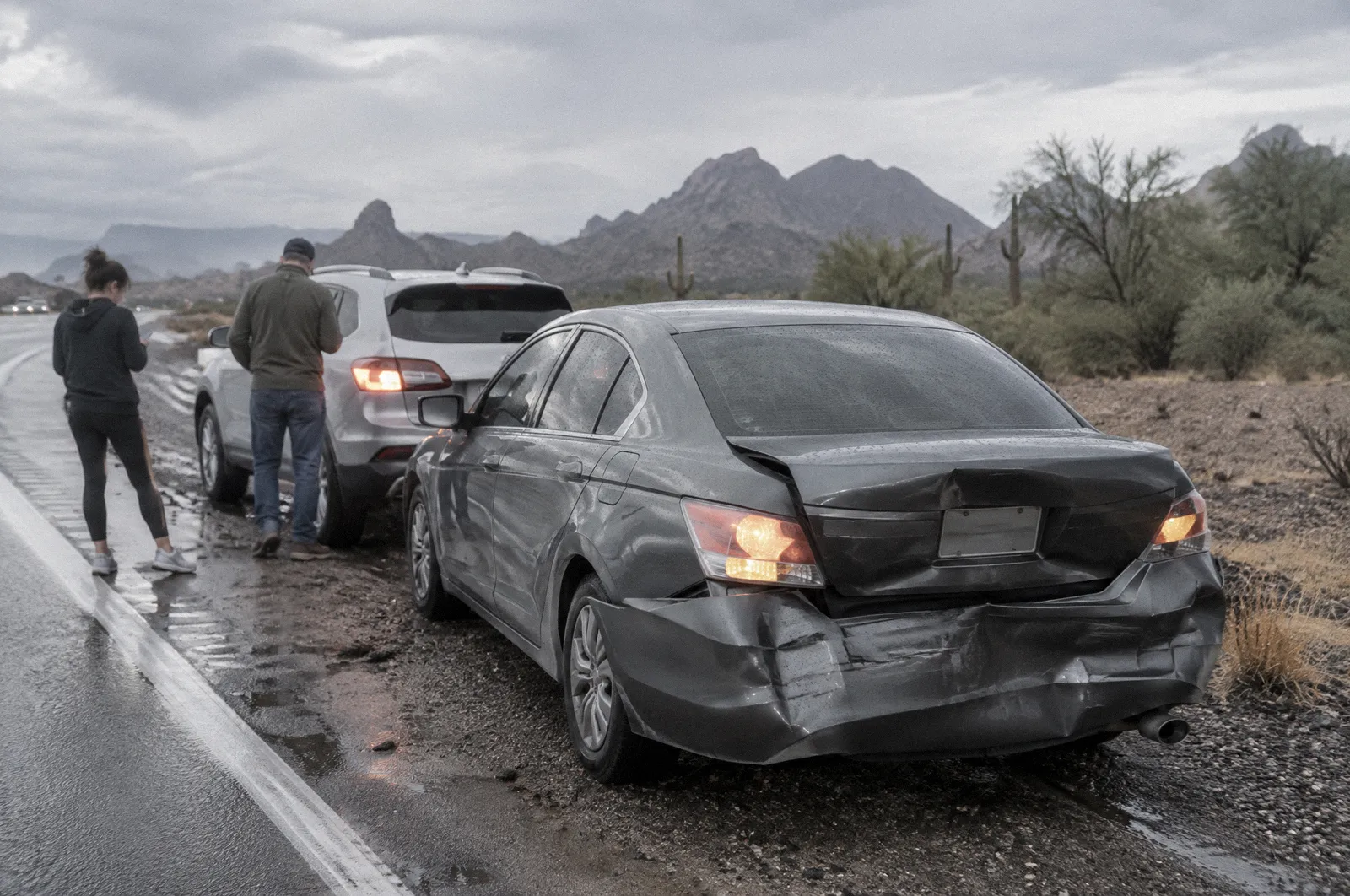
Road debris is a real hazard on Valley freeways: tire treads, ladders, furniture, and loose cargo can end up in a lane at highway speed. If debris hit my car on the highway, many drivers ask, who pays? The answer depends on where the debris came from.
If the debris fell from a vehicle with an identifiable driver or company, that driver or company may be responsible when a load was not properly secured or a vehicle was not properly maintained. Photos of the debris and your damage, taken only if safely possible, and a police report help. If the source cannot be identified, call us and we will review your own policy to see which coverages may apply to you. Do not stand in a travel lane to collect evidence. Your safety comes first.
Arizona
Freeways Scottsdale Drivers Use Every Day
These roads carry much of the commuter and freight traffic in the Phoenix metro. We name them as places where drivers should take extra care, not as a ranking.
Loop 101
Runs along Scottsdale and through the north Valley, with busy interchange ramps and heavy rush hour volume.
Loop 202
Connects the East Valley cities and joins Loop 101 near the Scottsdale and Tempe border.
I-17
Carries commuters, trucks and out-of-state traffic through central Phoenix, with stop-and-go segments near the I-10 interchange.
I-10
A major east-west freeway where several freeways meet in central Phoenix.
US-60
The Superstition Freeway, which serves Tempe, Mesa and the East Valley.
What to Do After a Freeway Accident
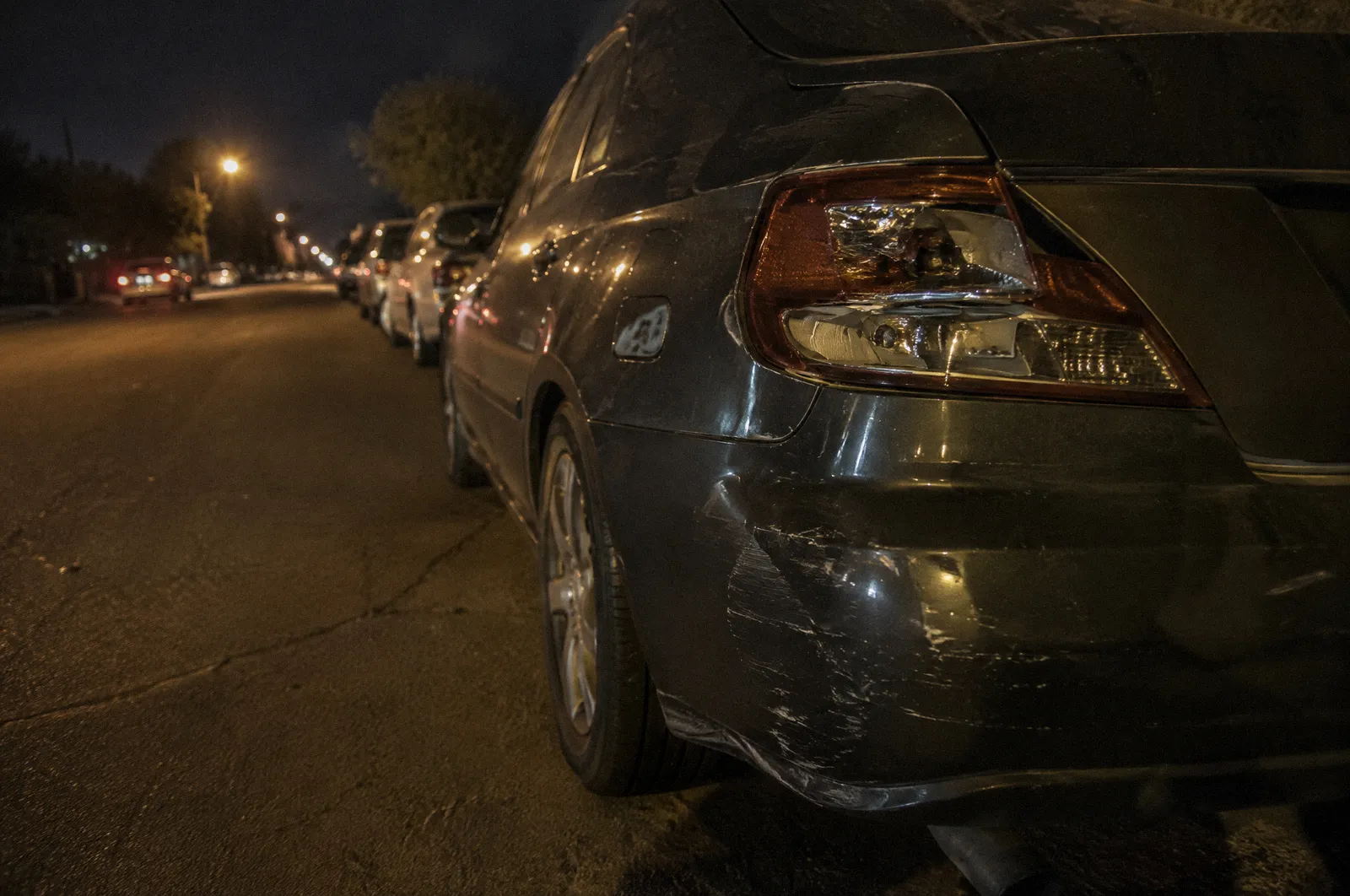
Freeway crashes are dangerous even after the impact. Your safety comes first, and then your claim.
- 1
Call 911.
Report the crash and any injuries. A police report creates an official record, and the responding agency may be the Arizona Department of Public Safety or a local police department, depending on where the crash happened.
- 2
Get to safety, if you can do so safely.
If your vehicle can be moved, pull to the shoulder and turn on your hazard lights. If it cannot, stay buckled and wait for responders rather than walking in traffic.
- 3
Document the scene, if safely possible, before any vehicle is moved.
Photograph vehicles, debris, lane positions, and signs from a safe spot. Do not stand in a travel lane.
- 4
Get medical care the same day.
Adrenaline can hide pain, and you may have no or seemingly minor symptoms at first. A medical record connects your injuries to the crash.
- 5
Keep your statements short.
Agreeing to a recorded statement for an insurer before you understand your options can injure your legal rights. You can call us first.
Who May Be Responsible After a Freeway Crash
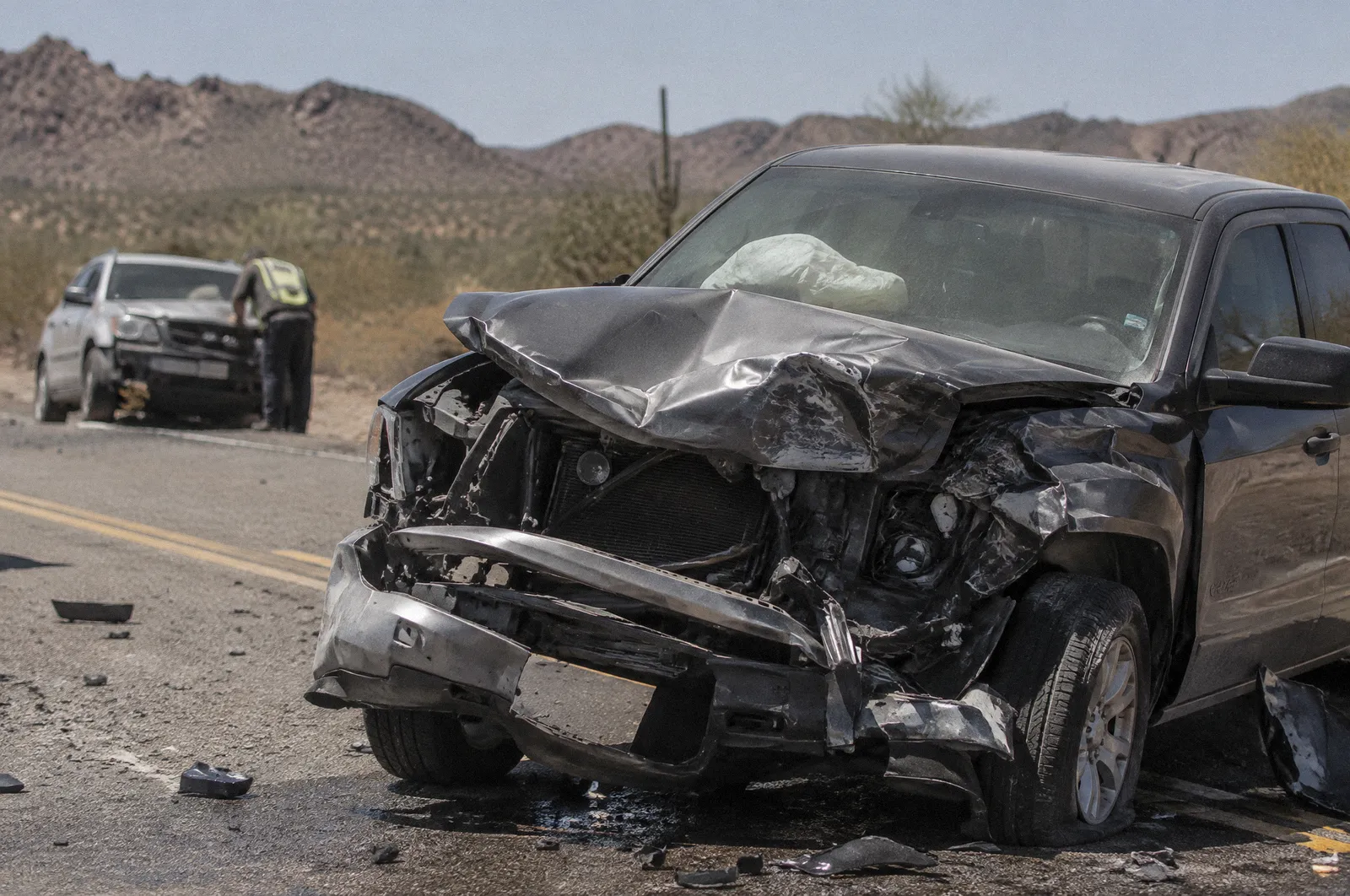
In many freeway crashes, more than one party shares responsibility. Another driver may be at fault. A trucking company may be responsible for its driver. A repair shop or manufacturer may share responsibility for a defective part. A bar that served an obviously intoxicated driver may be responsible too (A.R.S. 4-311). Arizona is a pure comparative fault state (A.R.S. 12-2505), so your compensation is reduced by your share of fault but not barred, and insurance companies and attorneys often negotiate the percentage of fault.
A claim can cover medical bills, future care, lost wages, and pain and suffering, and Arizona sets no cap on personal injury or death damages (Ariz. Const. art. 2 sec. 31). Arizona's minimum liability coverage is $25,000 per person and $50,000 per accident for bodily injury (A.R.S. 28-4009), and serious freeway injuries can exceed it, so we look at every policy that could apply, including your own. Our guide on talking to insurance adjusters explains what to expect from the other side.
Deadlines and Government Claims
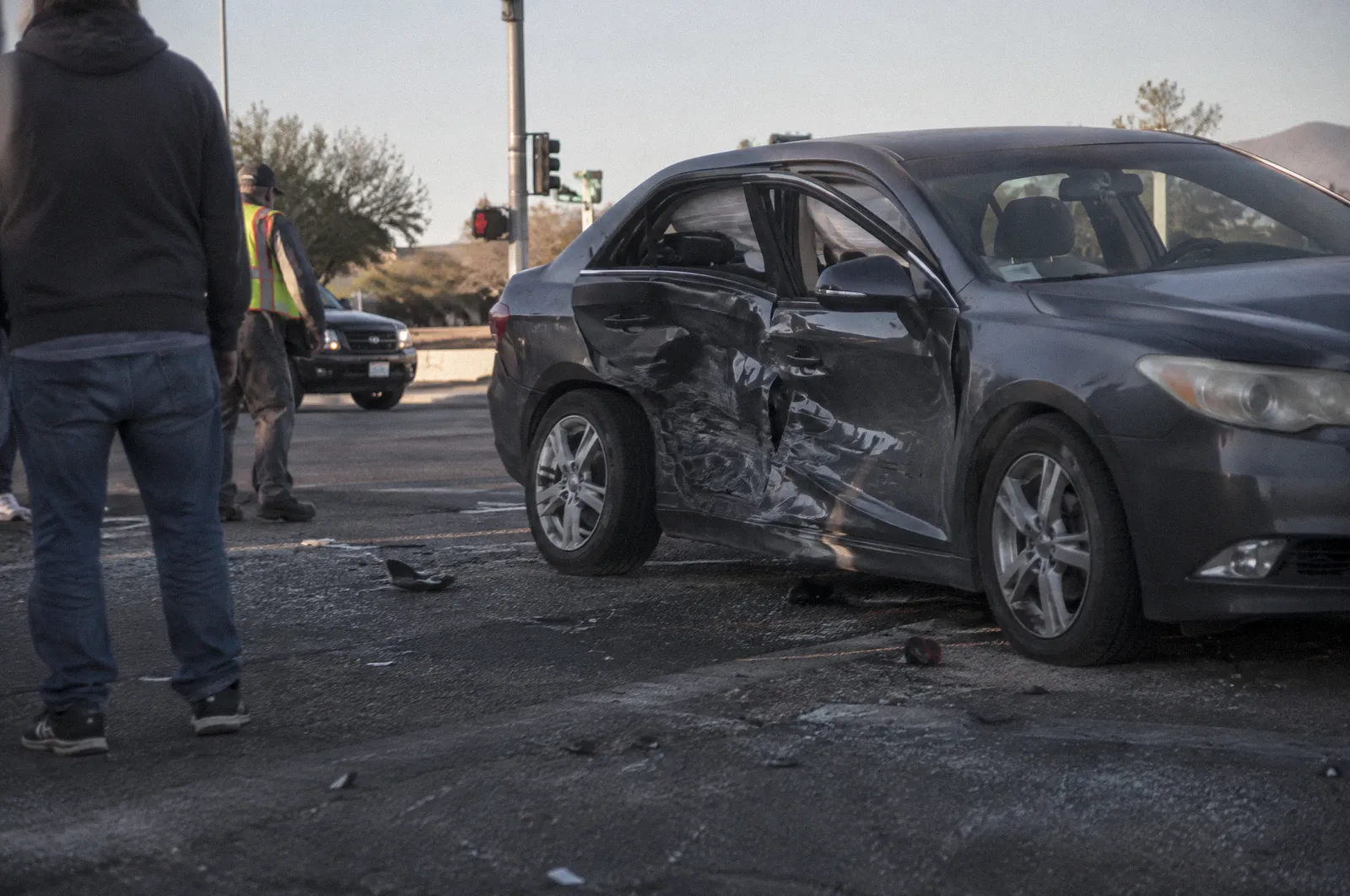
Most Arizona injury claims must be filed within two years of the crash (A.R.S. 12-542). If a road defect, a construction zone, or a government vehicle contributed, a notice of claim is due within 180 days (A.R.S. 12-821.01), and a lawsuit within one year after the claim accrues (A.R.S. 12-821). Missing a deadline will under most circumstances close your case permanently. These rules have exceptions, so call us and we will explain how they apply to you.
Working With a Freeway Accident Lawyer in Scottsdale
A freeway accident lawyer in Scottsdale can start the work that protects your claim: finding the police report, sending preservation letters, and handling the insurers. If you are looking for a highway accident lawyer, ask how the firm handles crashes with several vehicles or a commercial truck, and how it will explain your options in plain language. Our experienced and friendly attorney will explain your legal rights. You pay no attorney fee unless we recover money for you.
Our overview of a car accident lawyer in Scottsdale covers how we handle crash injury claims in general, and this page focuses on freeway crashes. The earlier you call, the better, but it's never too late to find out your legal rights.
Related pages
Statewide guide
Types of car accident claims
Questions
Questions about Scottsdale freeway accident cases
Who is at fault in a freeway accident?
It depends on the crash. In a rear-end crash the trailing driver is often responsible, and in a merge crash the driver who changed lanes may be. Arizona's pure comparative fault rule reduces your compensation by your share, so fault is often negotiated.
What if debris hit my car on the highway?
If the debris came from a vehicle that can be identified, that driver or company may be responsible. If the source cannot be identified, we can review your own policy to see what may apply. Photos taken safely and a police report help either way.
How long do I have to file a freeway accident claim in Arizona?
Arizona's personal injury statute of limitations is two years from the crash (A.R.S. 12-542). A claim involving a government vehicle or a road defect needs a notice of claim within 180 days (A.R.S. 12-821.01). Missing either deadline will under most circumstances end your claim.
Who investigates a freeway crash in Scottsdale?
It depends on where the crash happened. The Arizona Department of Public Safety or a local police department may write the report. Our guide on how to get a police report explains how to request it.
What if a commercial truck was involved?
Trucking companies keep some records for only a short time, such as driver logs for 6 months (49 CFR 395.8(k)). We send preservation requests early so that logs and maintenance records are not lost.
Free case review
Talk to Us About Your Freeway Crash
Call (602) 584-8054 or request your free case review. We will explain your legal rights and what we see in your facts. The earlier you call, the better, but it's never too late to find out your legal rights.
Call any time. Office visits Monday to Friday, 9 to 5.
Thank you, we’ve received your request.
A member of our team will reach out shortly. If your matter is urgent, call us now at (602) 584-8054.