
Scottsdale T-Bone Accident Lawyer
T-Bone Accident Lawyer in Scottsdale for Side-Impact Crashes
A T-bone accident lawyer in Scottsdale helps you show how the crash happened, who entered the intersection when they should not have, and what your injuries have cost you. A T-bone is a side impact, and the doors of a vehicle give very little protection. Insurance companies and attorneys often negotiate the percentage of fault, and in most cases Arizona gives you two years from the crash to file (A.R.S. 12-542).
- Filing deadline
- 2 years from the crash
- A.R.S. 12-542(1)
- Fault rule
- Pure comparative fault, no percentage bar
- A.R.S. 12-2505
- Government vehicle
- Notice of claim within 180 days
- A.R.S. 12-821.01
What Is a T-Bone Accident, and Why Is It So Dangerous?
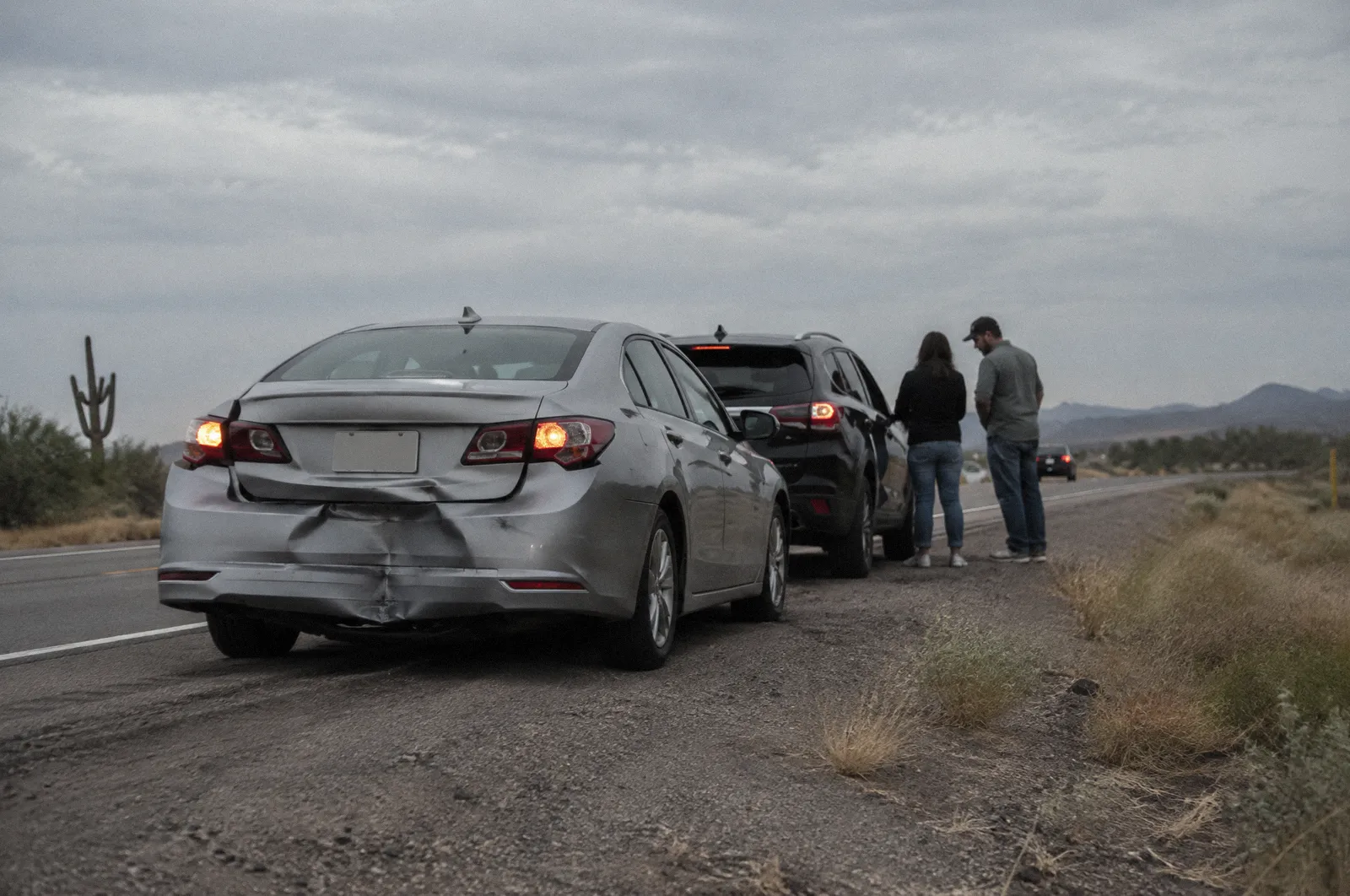
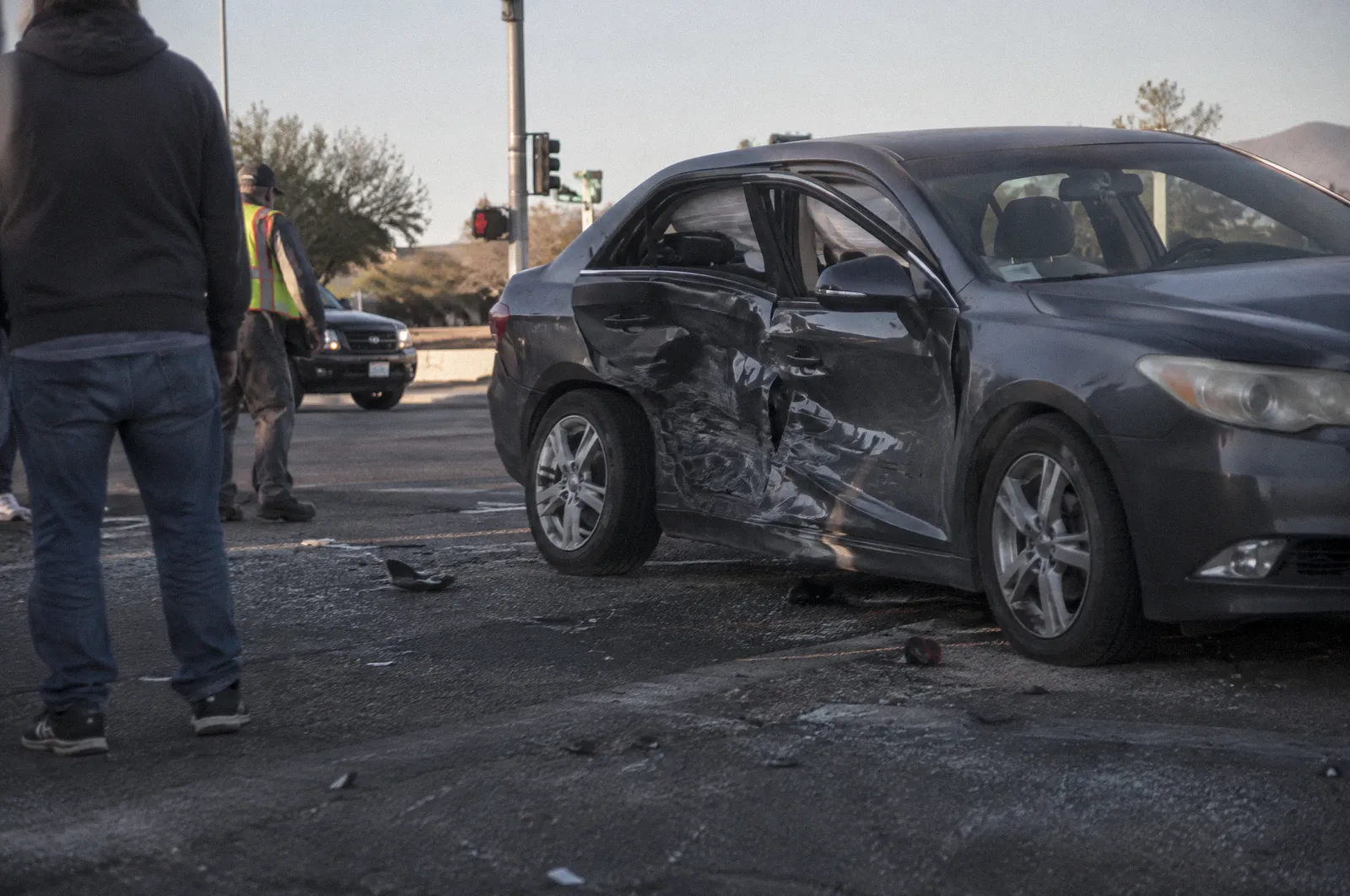
A T-bone accident is a crash in which the front of one vehicle strikes the side of another, so the two vehicles form the shape of the letter T. It is also called a side-impact or broadside collision. In a front or rear impact there are crumple zones, bumpers and a lot of vehicle between you and the force. In a side impact there is a door and a few inches of space.
This page is one of several crash types covered on our main car accident lawyer Scottsdale page. A T-bone car accident most often happens at an intersection, when one driver enters the path of another. Because the cause and the evidence overlap, our pages on intersection accidents and left turn accidents may help as well.
Arizona
Who Is at Fault in a T-Bone Accident
In a T-bone crash, the driver whose vehicle struck the side of the other is not automatically the one at fault. The question is usually which driver entered the intersection when they should not have, and that is often disputed. Arizona follows pure comparative fault (A.R.S. 12-2505), so your compensation is reduced by your percentage of fault but not barred. Insurance companies and attorneys often negotiate that percentage, which is why the first days after the crash matter.
Common causes of a T-bone crash
- A driver runs a red light or stop sign.
- A driver turns left across oncoming traffic.
- A driver is distracted and does not see cross traffic.
- A driver speeds through a yellow light.
Evidence that can show who entered first
- Photos of signals, signs and lane markings, if safely possible, before any vehicle is moved.
- Video from nearby businesses and dashcams.
- Witness accounts from other drivers and pedestrians.
- Vehicle damage patterns and the final positions of both vehicles.
- The police report and any signal timing records.
Injuries Commonly Seen in T-Bone Crashes
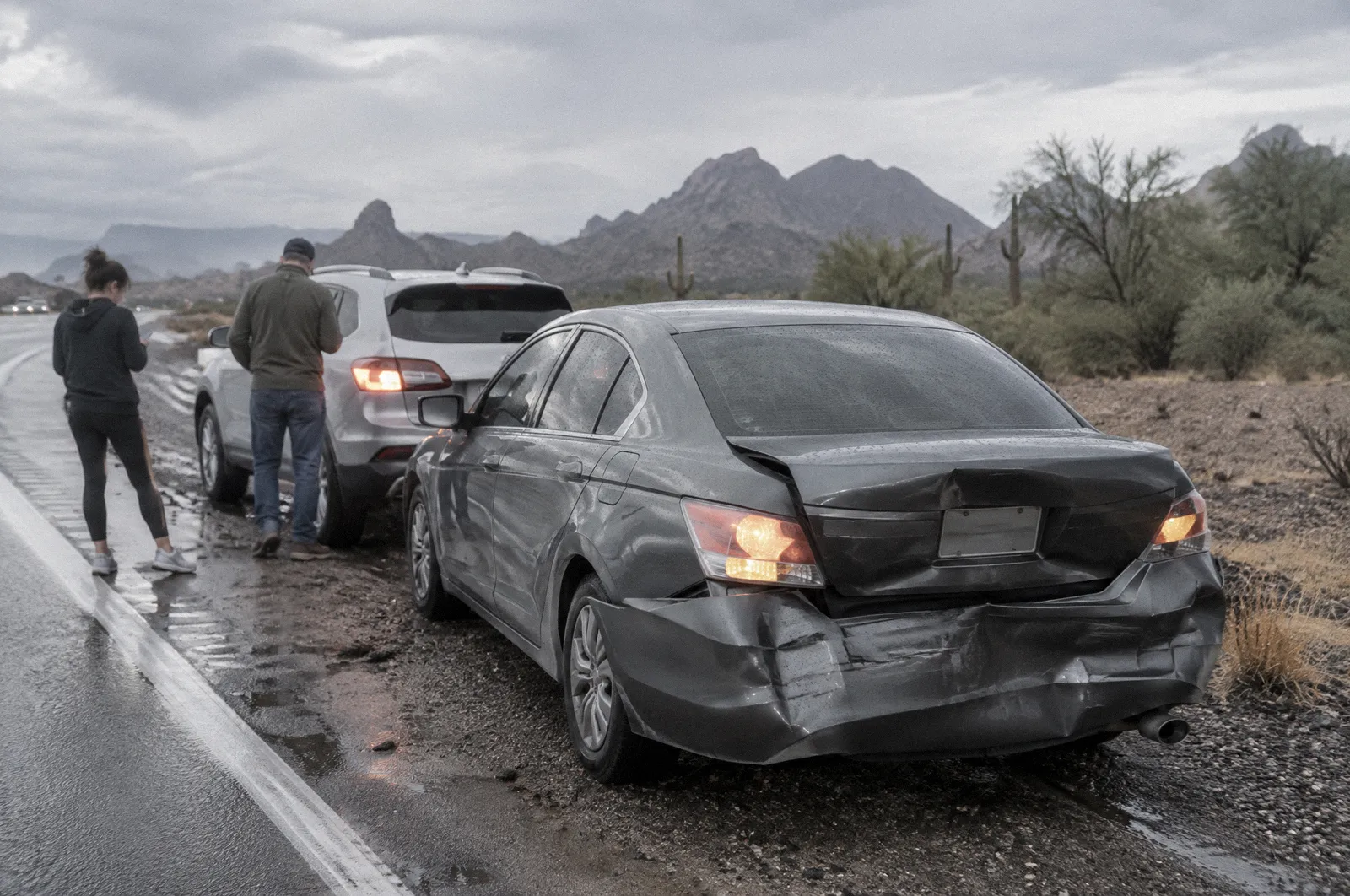
Side impacts put force directly on the side of the body. The people sitting closest to the impact are often the most seriously hurt. These are some of the injuries we see.
- Chest, rib and hip injuries
The torso and pelvis are close to the door, and fractures and bruising are common. See our page on broken bone injury claims.
- Head injuries
Head contact with the window, door frame or pillar can cause a concussion or a more serious brain injury. Learn how we approach a brain injury claim in Scottsdale.
- Neck and back injuries
Force from the side can strain the neck and spine, and symptoms may appear a day or two later. Read more about a whiplash injury claim in Arizona and back and neck injuries.
- Financial and personal losses
A claim can include medical bills, future treatment, lost wages, and pain, suffering and loss of enjoyment of daily life. Arizona imposes no statutory cap on personal injury damages (Ariz. Const. art. 2 sec. 31).
What to Do After a T-Bone Crash
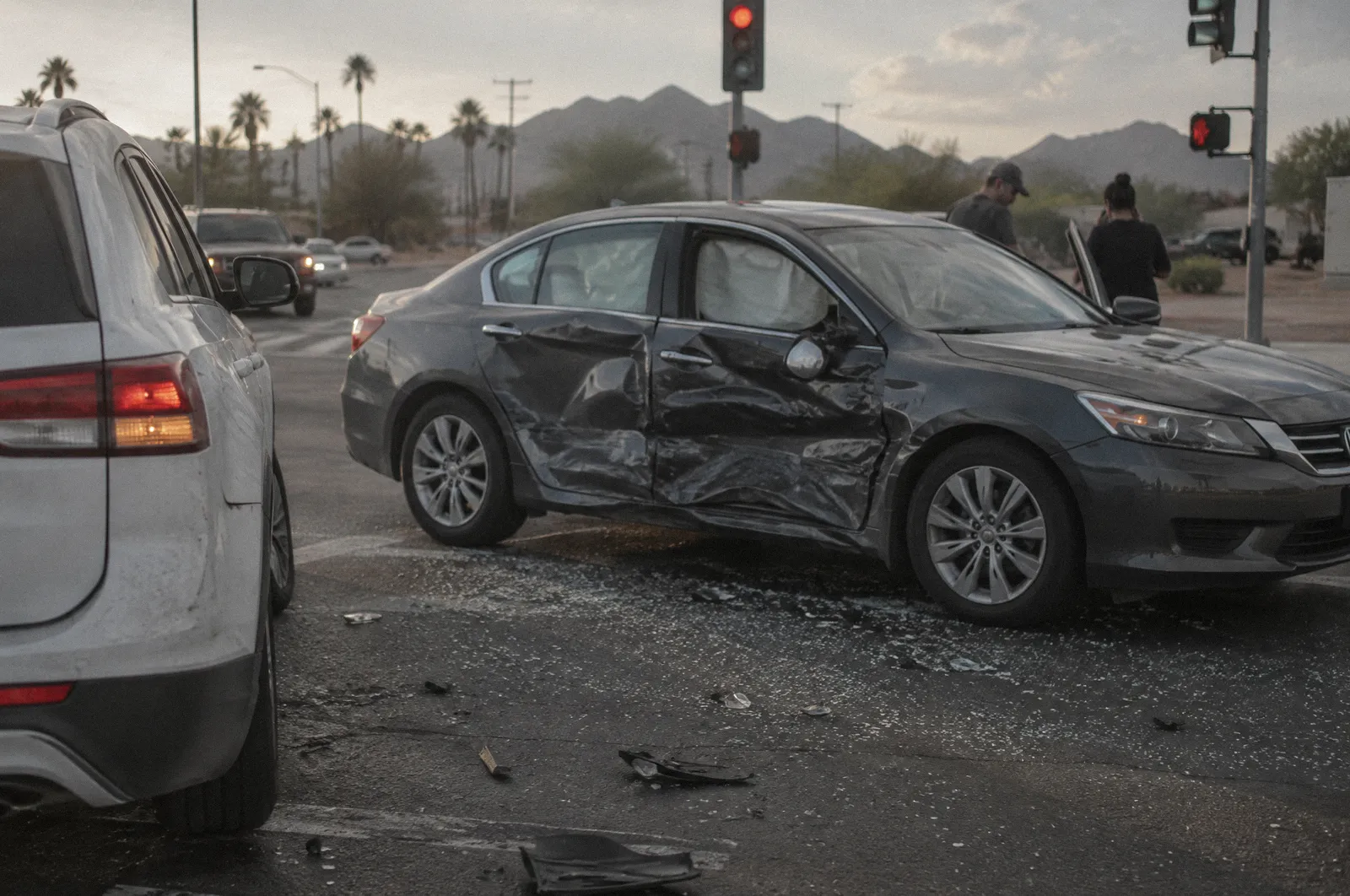
These steps protect your health and your claim. Take them only as far as is safe.
- 1
Call 911 and ask for medical help.
Do not try to move if you are in pain. A report creates the first official record of the crash.
- 2
Tell the officer what happened in plain facts.
If you believe you were not at fault, make sure you explain this to the officer. Avoid guessing at speeds or distances.
- 3
Photograph the scene, if safely possible, before any vehicle is moved.
Capture the signals, signs, lane markings, debris, and the damage to both vehicles, especially the side that was struck.
- 4
Collect witness details.
A neutral person who saw the light change is often the most valuable evidence in a T-bone case.
- 5
Get checked by a medical professional.
A visit creates a dated record that links your injuries to the crash, even if you have no or seemingly minor symptoms.
- 6
Be careful about agreeing to a recorded statement.
You are not required to agree to one with the other driver’s insurance company, and early answers can be used against you.
How a T-Bone Accident Claim Moves
Every claim is different, and none of these stages has a set length. This is the general order in which things tend to happen.
The first days
Evidence and treatment
Medical care, photographs, the police report and any camera footage are gathered before they are lost.
While you treat
Insurance contact
Insurance companies open their files and will ask for statements. This is when it often helps to have an attorney explain your legal rights.
When treatment settles
Understanding the full loss
Your medical records, bills and lost income are gathered so the claim reflects what the crash actually cost you.
After that
Negotiation, and a lawsuit if needed
Fault and value are negotiated. If the claim does not resolve, a lawsuit must be filed before the deadline, which in most cases is two years from the crash (A.R.S. 12-542).
Arizona
Where T-Bone Crashes Happen Around Scottsdale
Busy signal-controlled intersections on wide arterial roads are where we see many T-bone crashes. Knowing the road helps us find the right evidence, from signal timing to nearby camera footage.
Scottsdale Road, Pima Road and Shea Boulevard
High-volume intersections where red-light running and rushed turns lead to side impacts.
Shea Boulevard at Hayden Road, Tatum Boulevard and 32nd Street
Turning conflicts across oncoming lanes during the commute.
Scottsdale Police Department
Often the agency that writes the crash report for crashes on city streets.
Deadlines That Can Come Sooner Than You Expect
Most injury claims in Arizona must be filed within two years of the crash under A.R.S. 12-542, and missing that deadline will under most circumstances close your case permanently. If a government vehicle was involved, or a road or signal defect may have played a part, the rules are shorter: a notice of claim within 180 days (A.R.S. 12-821.01) and a lawsuit within one year (A.R.S. 12-821). These rules have exceptions, so call us and we will explain how they apply to you. Our guide to the Arizona statute of limitations walks through the common ones.
Working with a T-Bone Accident Lawyer in Scottsdale
A T-bone claim is usually decided by who entered the intersection first, and the evidence that answers that question fades quickly. Valley Accident Law offers a free case review so you can understand your options before you decide anything. You pay no attorney fee unless we recover money for you.
If you are looking for a T-bone accident attorney, you want someone who will gather the evidence early and explain what the insurance company is likely to argue. Our experienced and friendly attorney will explain your legal rights, including how comparative fault could affect your claim. Our guide to comparative negligence in Arizona explains the rule in more depth. The earlier you call, the better, but it’s never too late to find out your legal rights.
Related pages
Statewide guide
Types of car accident claims
Questions
Questions about Scottsdale t-bone accident cases
Who is at fault in a T-bone accident?
It depends on who entered the intersection when they should not have. Red lights, stop signs and left turns are the usual issues, and the driver whose vehicle struck the other is not automatically the one at fault. Arizona uses pure comparative fault, so fault is divided by percentage.
Can I recover if I was partly at fault?
Often, yes. Arizona has no 50 percent bar. Your compensation is reduced by the percentage of fault assigned to you (A.R.S. 12-2505).
Why are T-bone injuries so serious?
The side of a vehicle has far less protection than the front or rear, so the force goes directly toward the people seated beside the impact. That is why head, chest and hip injuries are common in these crashes.
How long do I have to file after a T-bone crash?
In most cases two years from the date of the crash (A.R.S. 12-542). If a government vehicle was involved, a notice of claim is due within 180 days (A.R.S. 12-821.01). These rules have exceptions, so call us and we will explain how they apply to you.
What if I had no or seemingly minor symptoms after the crash?
Adrenaline can hide pain, and symptoms often show up a day or two later. Getting checked creates a record that links the crash to your injuries. You can also call us to talk through your options before you agree to anything with an insurance company.
Free case review
Talk to Us About Your T-Bone Crash
Call (602) 584-8054 or request your free case review. We will explain your legal rights and what we see in your facts. The earlier you call, the better, but it’s never too late to find out your legal rights.
Call any time. Office visits Monday to Friday, 9 to 5.
Thank you, we’ve received your request.
A member of our team will reach out shortly. If your matter is urgent, call us now at (602) 584-8054.