
Arizona Slip and Fall Lawyer
Arizona Slip and Fall Lawyer for Falls on Unsafe Property
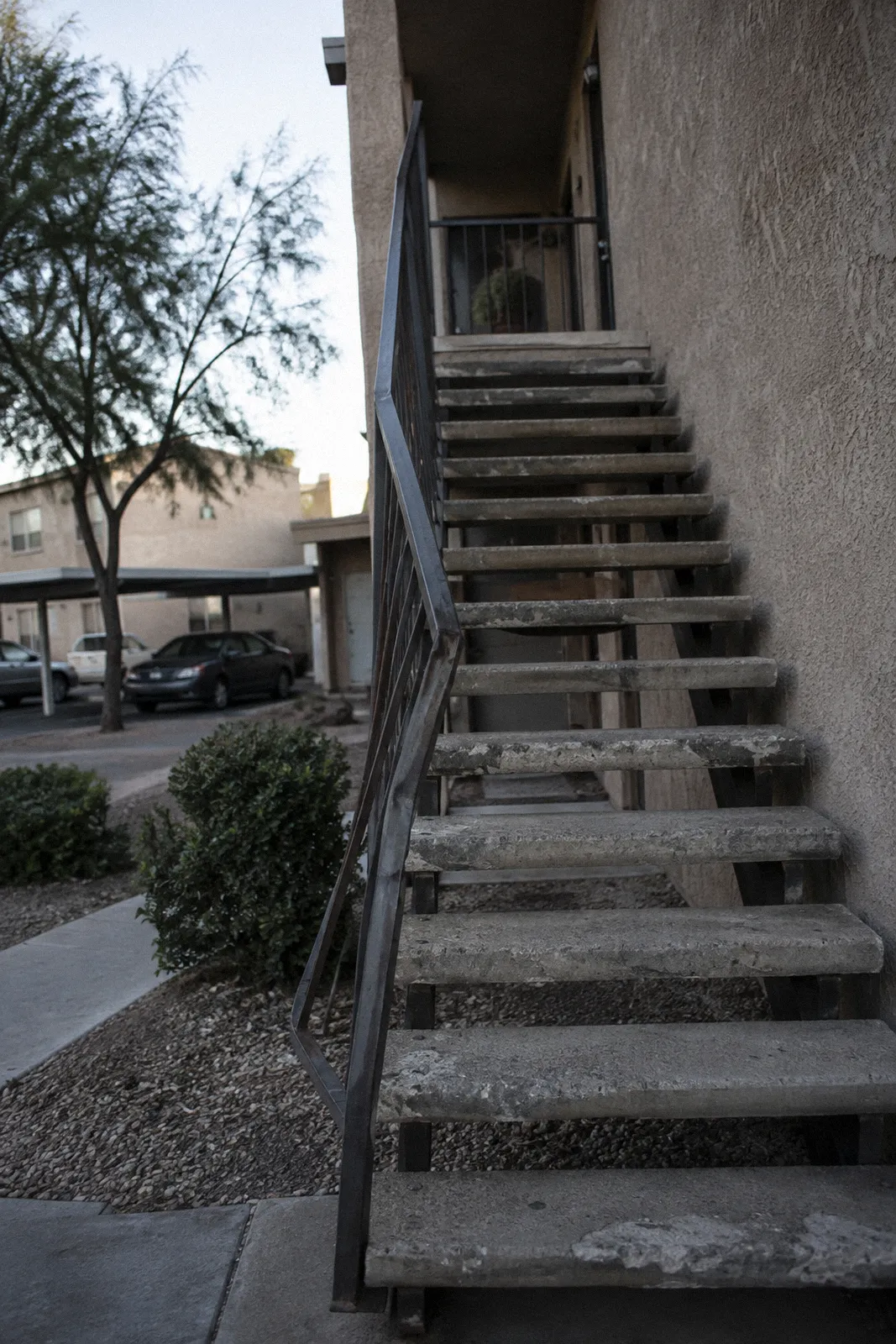
If you were hurt in a fall because someone failed to keep a store, apartment, parking lot or sidewalk reasonably safe, an Arizona slip and fall lawyer can explain whether the owner or a contractor may be responsible. These are called premises liability claims, and the central question is what the responsible party knew, or should have known, about the hazard. The usual deadline is 2 years (A.R.S. 12-542(1)), but a fall on public property can require a written notice within 180 days (A.R.S. 12-821.01).
- Usual filing deadline
- 2 years from the injury
- A.R.S. 12-542(1)
- Fall on public property
- Notice of claim within 180 days, lawsuit within 1 year
- A.R.S. 12-821.01; 12-821
- Fault rule
- Pure comparative fault, no percentage bar
- A.R.S. 12-2505
- Damage caps
- None on personal injury damages
- Ariz. Const. art. 2 sec. 31; art. 18 sec. 6
Arizona Slip and Fall Lawyer: What Makes a Fall a Legal Claim
Everyone falls sometimes, and most falls are nobody's fault. A fall becomes a legal claim when it happened because of a condition that a person or business was responsible for and failed to fix, warn about or prevent. A puddle that sat by a store entrance for an hour, a stairway with no working light, a cracked walkway outside an apartment office and a torn mat in a hotel hallway are the kinds of conditions that lead to claims.

The law that covers these cases is premises liability. In general terms, the people who own or control a place are expected to use reasonable care to keep it safe for the people who are allowed to be there, and what is reasonable depends on the facts. The strongest claims usually show one of three things: the owner or an employee created the hazard, the owner knew about it and did nothing, or the hazard had been there long enough that a reasonable inspection would have found it.
Valley Accident Law takes these cases anywhere in Arizona. Our attorney, Charles Paglialunga, brings 32 years of experience helping injured people, and we will explain your legal rights in plain language. You pay no attorney fee unless we recover money for you.
Arizona
Where Falls Happen and Who May Be Responsible
The place of the fall points to the people who may be responsible and to the evidence that matters most. Several parties can be involved in one fall.
| Place of the fall | Who may be responsible | Evidence that matters most |
|---|---|---|
| Grocery and big-box stores | The store, a cleaning contractor, a vendor who stocked shelves | Camera footage, cleaning logs, employee statements |
| Apartments and rentals | The landlord, a property manager, a maintenance contractor | Repair requests, prior complaints, photos of stairs and lighting |
| Hotels and resorts | The owner, the operator, a contractor for flooring or pool decks | Incident reports, inspection records, surface and lighting photos |
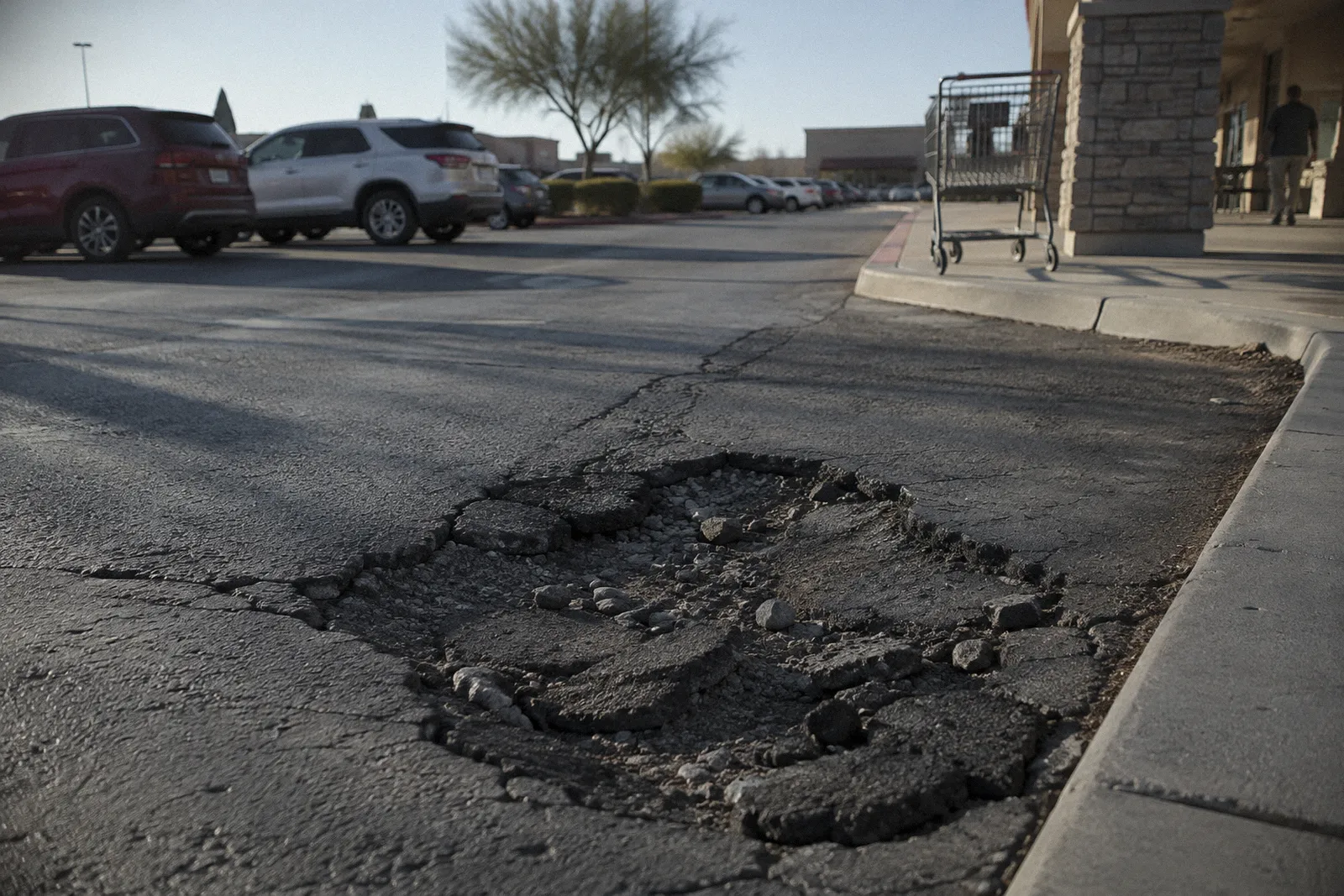
| Parking lots and shopping centers | The owner, a tenant, a maintenance company that handles paving and lighting | Maintenance contracts, lighting records, photos of potholes and curbs |
| Restaurants and bars | The business and its cleaning staff | Footage, staff statements, shoes and clothing worn |
| Sidewalks, parks and public buildings | A city, county, school district or other public entity | Written notice of claim within 180 days, photos, repair records |
Source: General examples from Arizona premises claims, not a list of every possible defendant
Premises Liability in Arizona: How We Show the Owner Knew
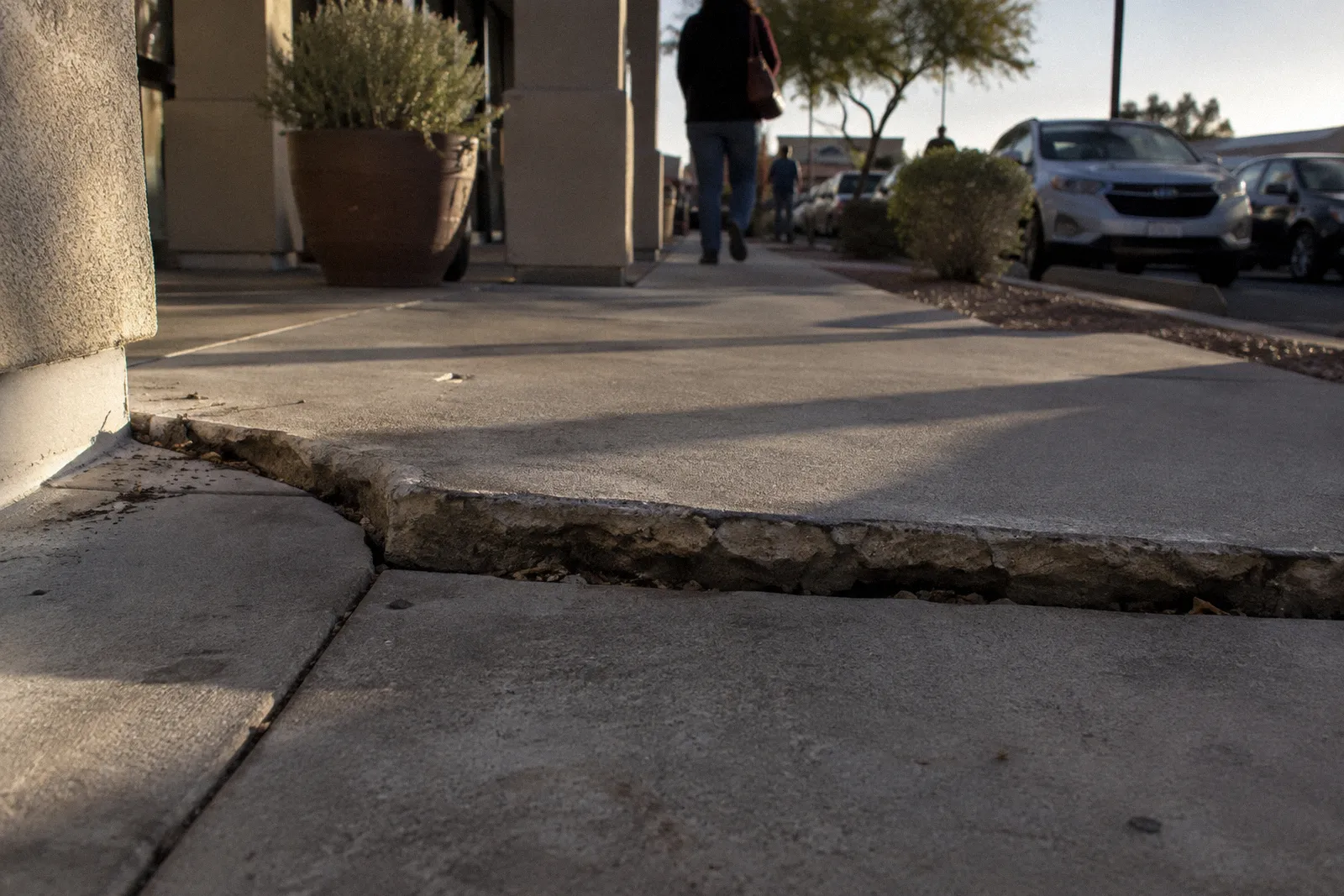
Owners and their insurers often say the hazard appeared moments before the fall. Here is how a claim answers that.
- Surveillance footage
Video can show when a spill first appeared and who walked past it. It is often overwritten within days, which is why we send preservation requests quickly.
- Inspection and cleaning schedules
A log with a gap of several hours around the time of the fall can say a lot.
- Earlier complaints and earlier falls
A history of the same hazard in the same place suggests the owner was on notice.
- Employee testimony
What staff were trained to do, what they saw and what they reported.
- Maintenance contracts
Who was hired to clean, repair or light the area, and whether they did the work.
What to Do After a Fall on Someone Else's Property
Take these steps as your health allows. Your care comes first.

- 1
Get checked, even if you feel fine.
After a fall, people may have no or seemingly minor symptoms and then discover a fracture, a back injury or a head injury later. A record that begins right away protects your health and your claim.
- 2
Report the fall to the manager, owner or landlord, and ask for a copy of the report.
Tell them what happened in plain facts. If you believe you were not at fault, make sure you explain this clearly and calmly.
- 3
Photograph the spot, if safely possible, before it is cleaned or repaired.
Capture the surface, the lighting, any warning signs or the lack of them, and the surrounding area. Keep the shoes you wore.
- 4
Identify witnesses and employees.
Get names and phone numbers. A person who saw the hazard before you fell is valuable.
- 5
Do not agree to a recorded statement.
An adjuster's early questions are designed to find reasons to blame you. Call us before you answer them.
Video and Logs Do Not Last Forever
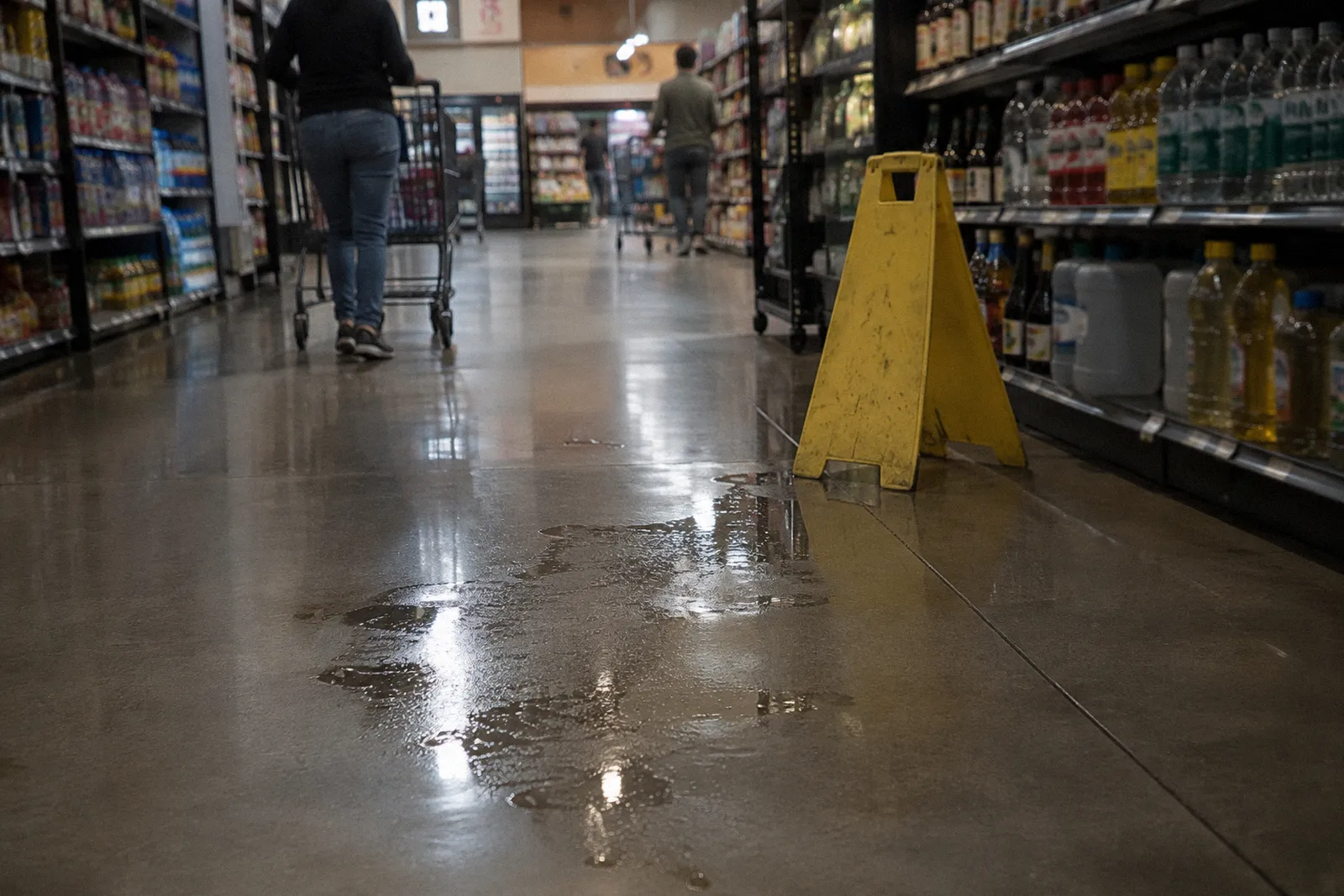
Many businesses overwrite camera footage in days or weeks, and a spill that is mopped up leaves no trace. A written request to preserve video, incident reports and cleaning logs can be sent quickly, and it is one of the first things we do. If you have already waited, call anyway. The earlier you call, the better, but it's never too late to find out your legal rights.
Falls on Government Property Have Much Shorter Deadlines
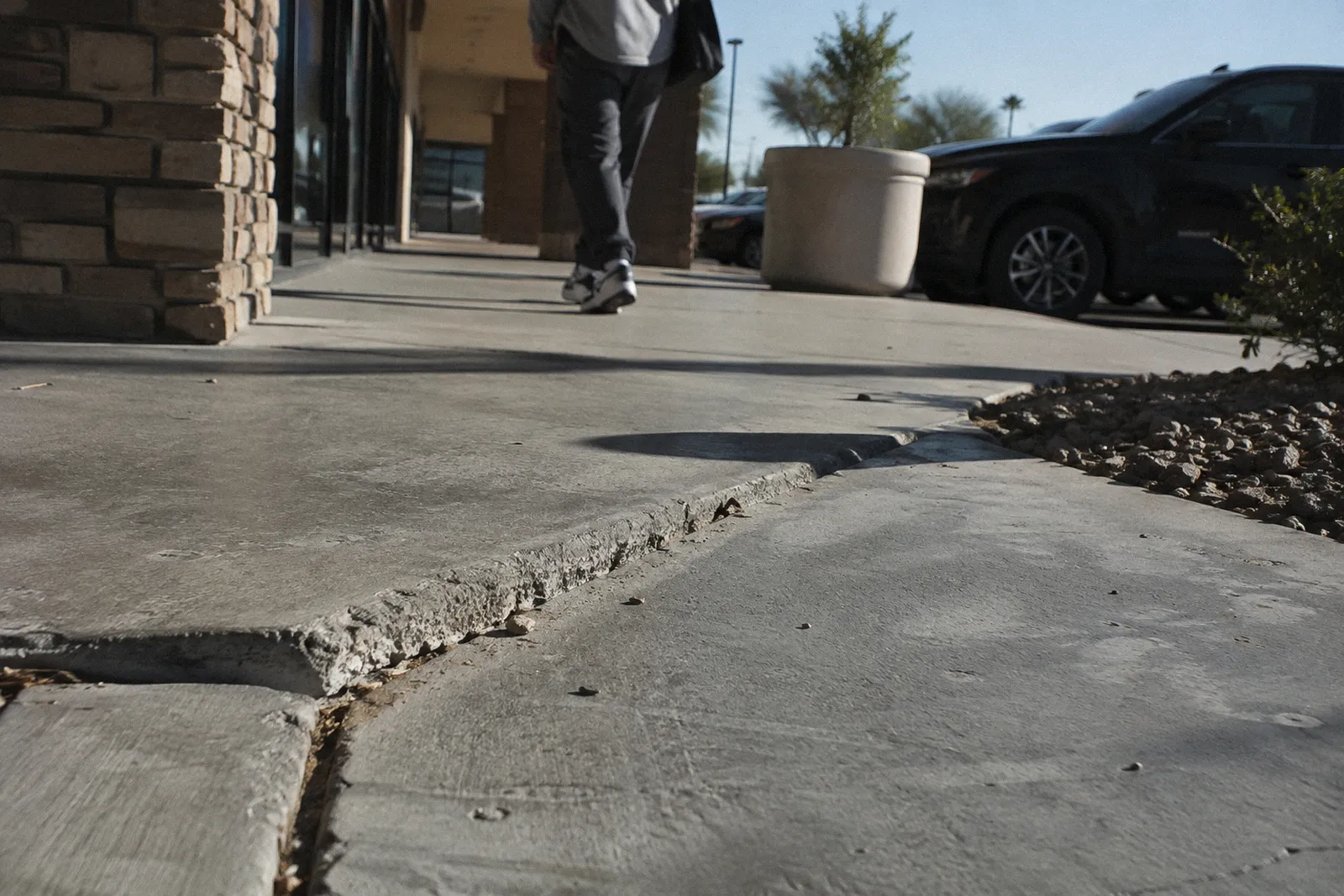
If you fell on a city sidewalk, in a public park, at a school or in a government building, a written notice of claim stating the facts and a specific sum certain is due within 180 days after the claim accrues (A.R.S. 12-821.01). The entity has 60 days to respond, and silence is treated as a denial. A lawsuit generally must be filed within 1 year after the claim accrues (A.R.S. 12-821). For a child, the deadlines against a public entity are paused until age 18, but the parents' own claim for medical bills they paid is not paused, and their notice is due within 180 days of the injury (A.R.S. 12-821.01(D); 12-502). Our guide to the Arizona notice of claim explains the process. These rules have exceptions, so call us and we will explain how they apply to you.
Evidence to Gather After a Fall
Start with what you can reach. We request the rest from the property owner and its insurer.
- Photos of the exact spot, the surface, the lighting and any signs
- The incident report, or the name of the person you reported the fall to
- Names and numbers of witnesses and employees
- Medical records and bills from the first visit forward
- The shoes and clothing you were wearing, unwashed and unrepaired
- The names of the owner, the manager and any maintenance or cleaning company
- Messages or emails with the landlord or business about the hazard
- A short written account of what you remember, with the date and time
Slip and Fall Settlement: What Shapes It and What the Insurer Will Argue
People often ask what a slip and fall settlement is worth. A fall can mean a sprain or a shattered hip, and a number that blends the two is not honest advice. The value depends on the injuries and the treatment, whether recovery is complete, the time you missed from work, the proof about the hazard, the insurance available and how fault is divided. Arizona has no caps on personal injury damages (Ariz. Const. art. 2 sec. 31; art. 18 sec. 6). Falls often cause broken bones, back and neck injuries and head injuries, and the more serious the injury, the more carefully the claim must account for future care. Our guide to what a personal injury case is worth explains the factors.

Expect the insurer to say you should have seen the hazard. Insurance companies and attorneys often negotiate the percentage of fault, and Arizona uses pure comparative fault (A.R.S. 12-2505): a share of blame placed on you may reduce a recovery, but no percentage bars it. Where a contractor and an owner share responsibility, each is generally responsible for its own share (A.R.S. 12-2506), with exceptions, so we identify every party early. Health insurers may also claim part of a recovery back, which we explain in our guide to medical liens.
Choosing a Slip and Fall Law Firm Without the Hard Sell
Searching for the best slip and fall lawyer will give you a lot of advertising and not much to compare. There is no official ranking, so look for what you can judge yourself: whether you reach a person, whether the firm explains the deadlines honestly, and whether it asks about your injuries before it asks about your signature.
As an Arizona premises liability law firm, Valley Accident Law starts with a free case review. A slip and fall injury lawyer on our side will look at what happened, who controlled the property and what they knew, then tell you what we see and what we would do next. If you are looking for a slip and fall accident lawyer who will explain your options before asking you to decide, call us. Call any time. Office visits Monday to Friday, 9 to 5. See how we work with clients and our overview of types of personal injury cases.
Slip and Fall Lawyer by City in the Phoenix Metro
Each city has its own shopping centers, resorts and venues. Choose your city for the local details.
Questions
Questions about Arizona slip and fall cases
When should I call a premises liability lawyer in Arizona?
As soon as you can after getting medical care. Video is overwritten, spills are cleaned up and repairs are made quickly. A first call costs nothing, and we can send preservation requests and explain your deadlines.
How long do I have to file a slip and fall claim?
Most claims must be filed within 2 years of the injury (A.R.S. 12-542(1)). A fall on public property requires a written notice of claim within 180 days (A.R.S. 12-821.01). These rules have exceptions, so call us and we will explain how they apply to you.
What if I fell on a sidewalk owned by a city?
A claim against a public entity follows special rules: a written notice of claim within 180 days, a response period of 60 days, and a lawsuit generally within 1 year after the claim accrues (A.R.S. 12-821). Do not wait.
Can I still recover if I was partly at fault?
Often, yes. Arizona uses pure comparative fault (A.R.S. 12-2505), so a share of fault may reduce a recovery, but no percentage bars it. Insurance companies and attorneys often negotiate that percentage, so how the facts are presented matters.
What is the average slip and fall settlement?
There is no reliable average. Falls range from minor sprains to fractures and head injuries, and what a claim is worth depends on your injuries, your losses, the evidence about the hazard and the insurance available. We can review your records and give you an honest view.
Does the property owner have to have known about the hazard?
Often that is the central question. A claim can be stronger when the owner or an employee created the hazard, knew about it, or should have found it through reasonable inspection. We look at logs, video and earlier complaints to answer it.
How do fees work?
You pay no attorney fee unless we recover money for you. The first step is a free case review, and there is no obligation.
Free case review
Hurt in a fall? Talk with us before you talk with the insurer.
Our experienced and friendly attorney will explain your legal rights and what the deadlines mean for you. You pay no attorney fee unless we recover money for you. The earlier you call, the better, but it's never too late to find out your legal rights. Request your free case review or call (602) 584-8054. Call any time. Office visits Monday to Friday, 9 to 5.
Thank you, we’ve received your request.
A member of our team will reach out shortly. If your matter is urgent, call us now at (602) 584-8054.