
Scottsdale Head-On Collision Lawyer
Head-On Collision Lawyer in Scottsdale for Drivers Hurt in Frontal Crashes
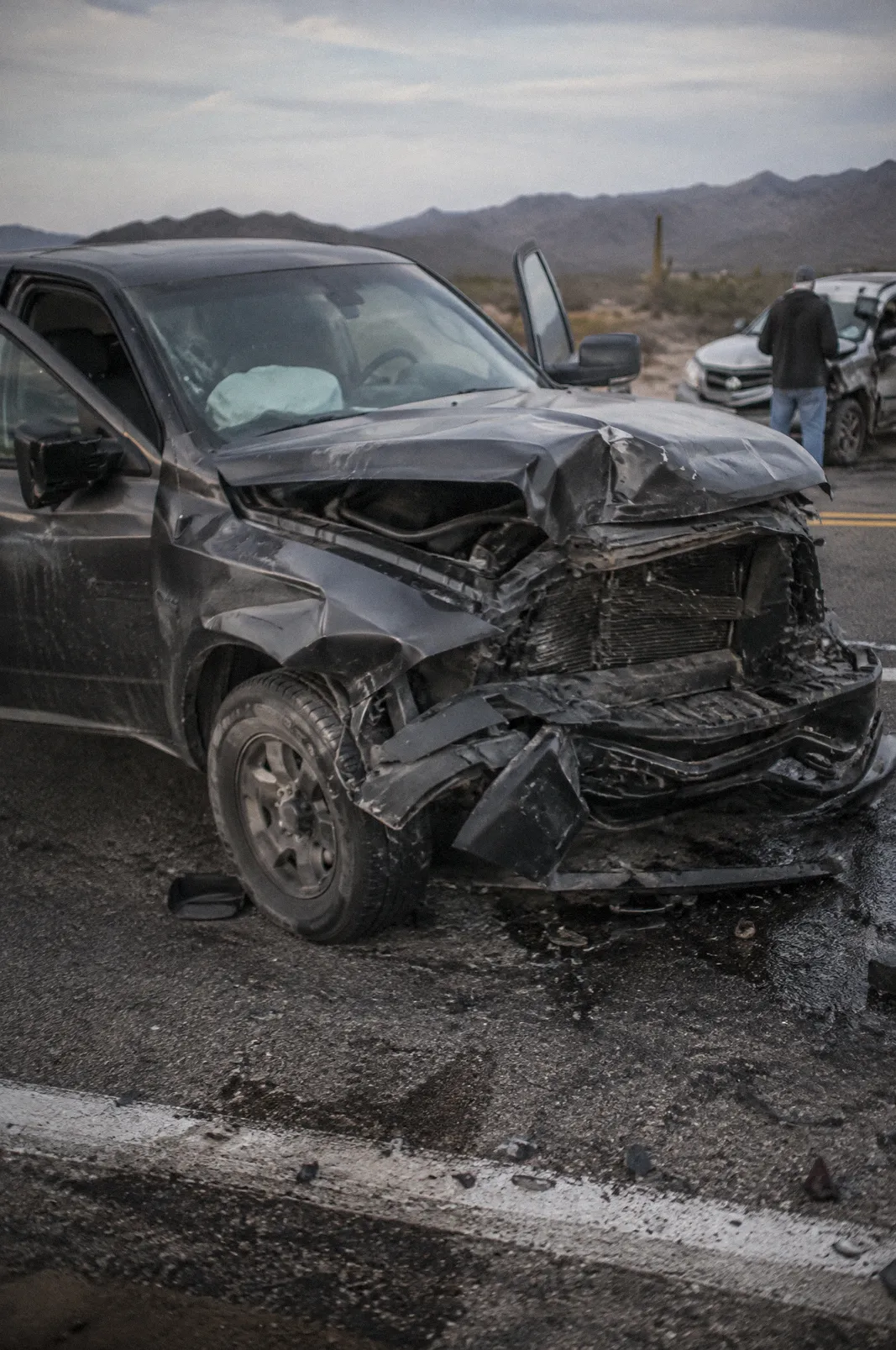
A head-on collision happens when the fronts of two vehicles traveling in opposite directions hit each other, and it often causes serious injuries. Fault usually comes down to which driver crossed the center line, entered the wrong lane or drove the wrong way, but insurers frequently dispute it. As a head on collision lawyer in Scottsdale, we gather the scene and vehicle evidence, deal with the insurance companies, and explain your legal rights. Most Arizona injury claims must be filed within two years of the crash (A.R.S. 12-542).
- Filing deadline
- 2 years from the crash
- A.R.S. 12-542(1)
- Fault rule
- Pure comparative fault, no percentage bar
- A.R.S. 12-2505
- Wrongful death
- 2 years from the date of death
- A.R.S. 12-542(2)
- Government vehicle or road defect
- Notice of claim within 180 days
- A.R.S. 12-821.01
What Is a Head On Collision?
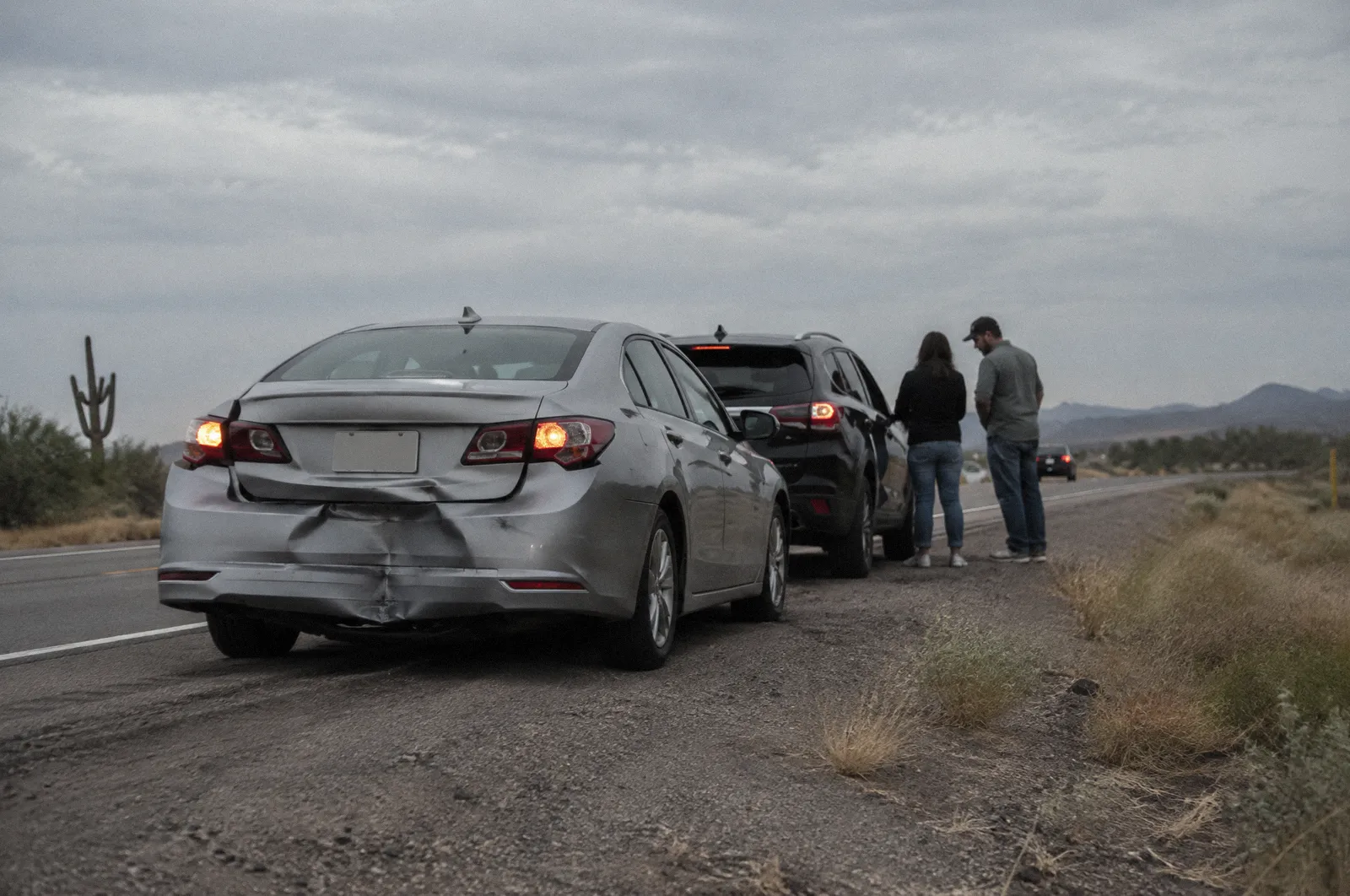
A head-on collision is a crash in which the front of one vehicle strikes the front of another vehicle traveling in the opposite direction. Because both vehicles are moving toward each other, the forces add together. That is why a head on collision car accident so often causes serious or life-changing injuries, even at moderate speeds, and why these claims usually involve significant medical treatment.
A head-on crash is different from a sideswipe, where vehicles traveling the same direction brush each other, and from a T-bone, where the front of one vehicle hits the side of another. Our pages on T-bone accidents and left turn accidents cover those crashes. Head-on collisions in the Phoenix metro tend to happen in a few recognizable ways, and knowing which one applies to your crash shapes how we investigate it.
Common Causes of Head-On Crashes Around Scottsdale
No two crashes are identical, but these are the patterns we see most often.
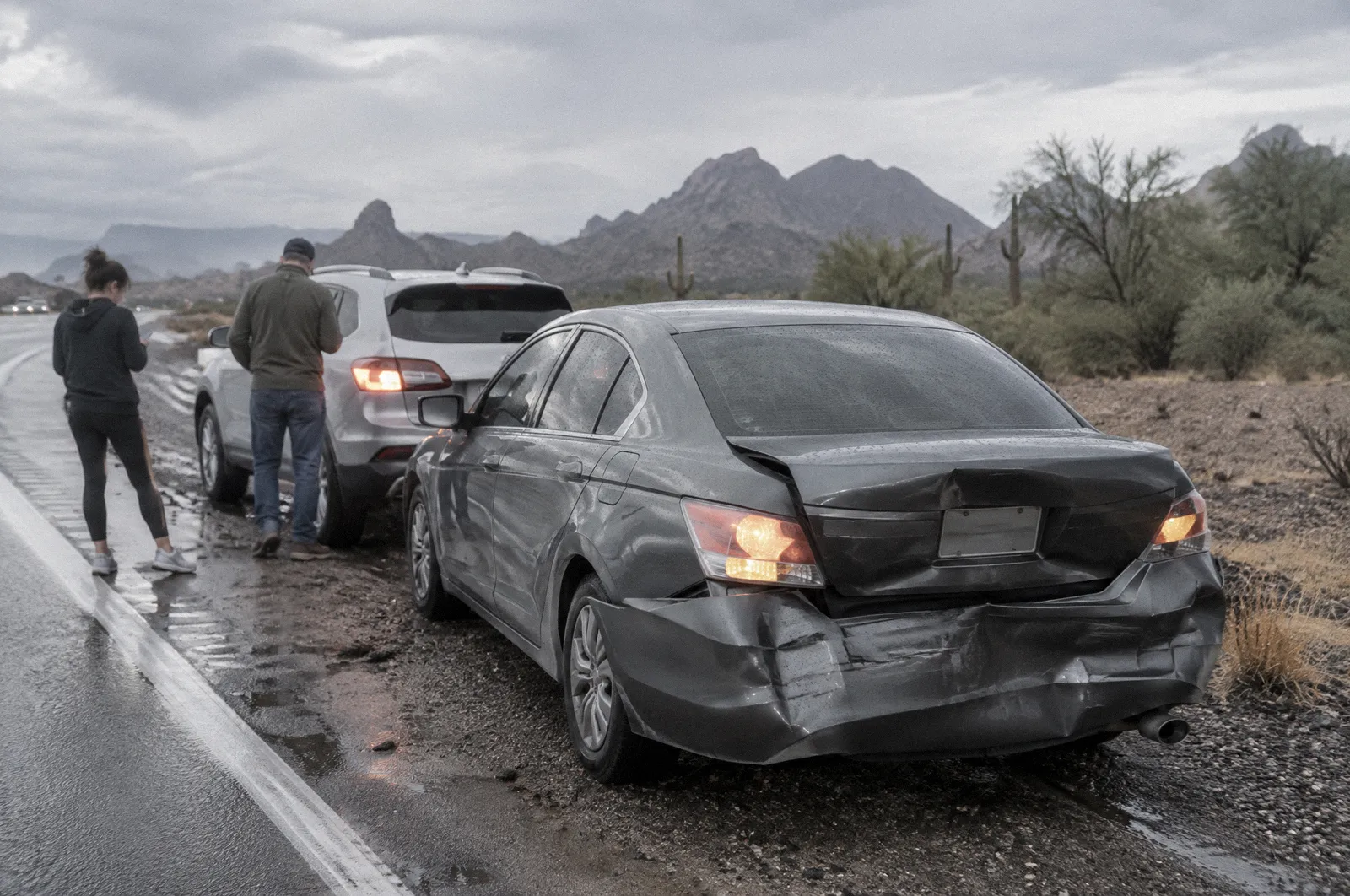
- Drifting over the center line
A driver who looks at a phone, nods off, or is impaired can drift into oncoming traffic. Our pages on distracted driving accidents and drunk driver accidents explain how those cases work.
- Wrong-way driving
A driver who enters a freeway exit ramp or a divided road in the wrong direction puts every oncoming driver at risk. See our page on freeway accidents for Loop 101 and interstate crashes.
- Unsafe passing
On two-lane roads, such as those on the desert edge of north Scottsdale, a driver who passes without enough room can meet oncoming traffic head on.
- Left turns across oncoming lanes
A driver who turns left at a signal or driveway and misjudges the gap can cause a frontal impact.
- Poor visibility
Monsoon rain, blowing dust, and sun glare at sunrise and sunset can hide a vehicle that has crossed into your lane.
- Road and lane-marking problems
Faded lane lines, missing barriers, and poorly marked construction zones can contribute. Claims against a government entity follow special notice rules, covered below.
Who Is at Fault in a Scottsdale Head-On Crash
In many head-on crashes, the driver who crossed the center line or entered the wrong lane is responsible. Insurance companies and attorneys often negotiate the percentage of fault, though, and the other driver's insurer may look for ways to shift blame to you. Arizona is a pure comparative fault state (A.R.S. 12-2505), which means your compensation is reduced by your percentage of fault but not barred. If you are found 20 percent responsible, you can still recover 80 percent of your damages. If you believe you were not at fault, make sure you explain this to the officer.
What insurers may argue
- The other driver swerved to avoid an animal, debris, or another vehicle.
- A sudden medical emergency caused the crash.
- Faded markings or poor lighting made the road confusing.
- You were speeding or drifted over the line too.
Evidence that can answer them
- The police report and photos taken, if safely possible, before any vehicle is moved.
- Vehicle damage patterns, skid and gouge marks, and the final resting positions of both vehicles.
- Event data recorder information from vehicles that have one.
- Witness statements, 911 recordings, and dashcam or business camera footage.
- Phone records when distraction is suspected.
Injuries Common in Head-On Collisions
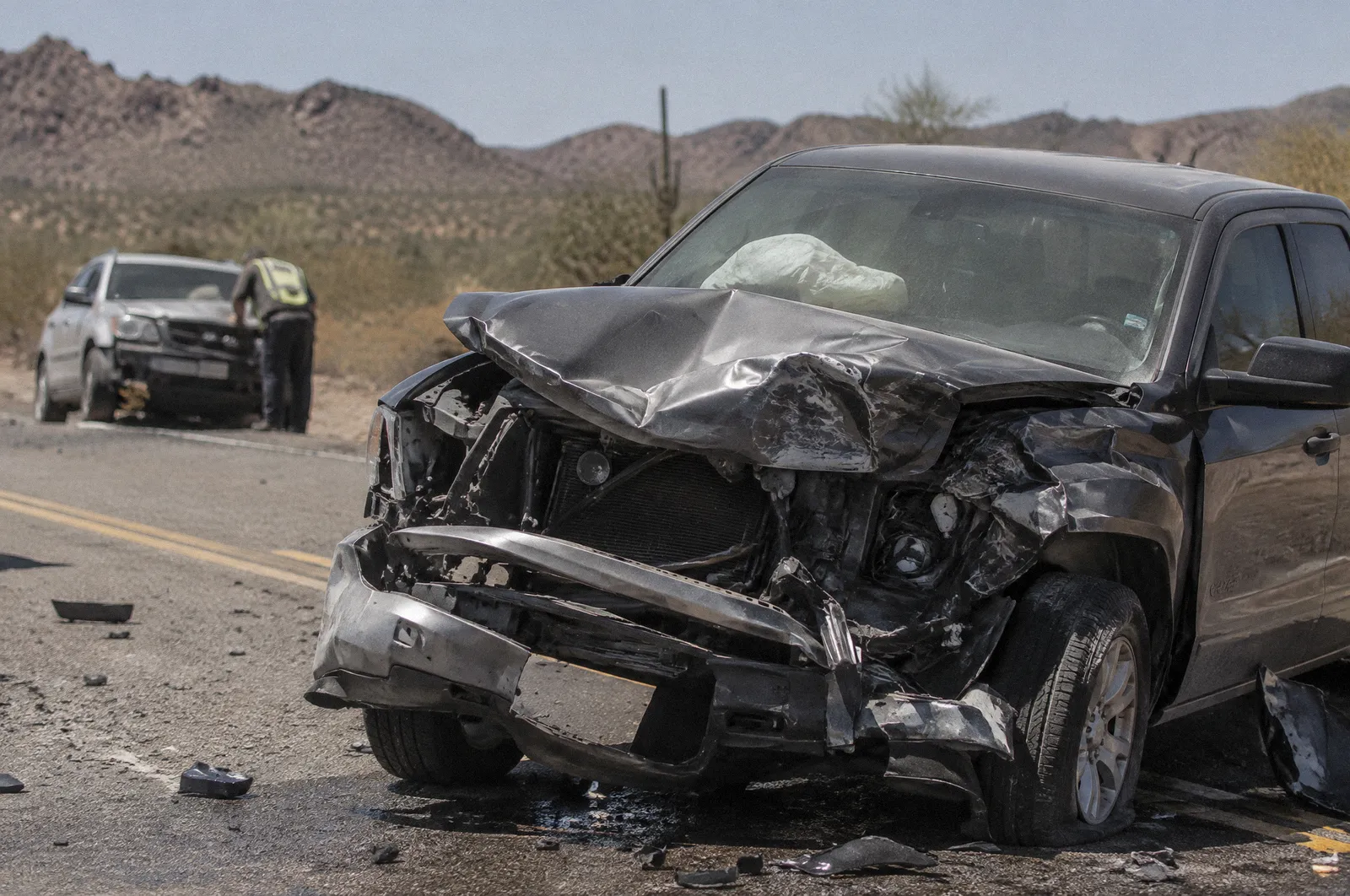
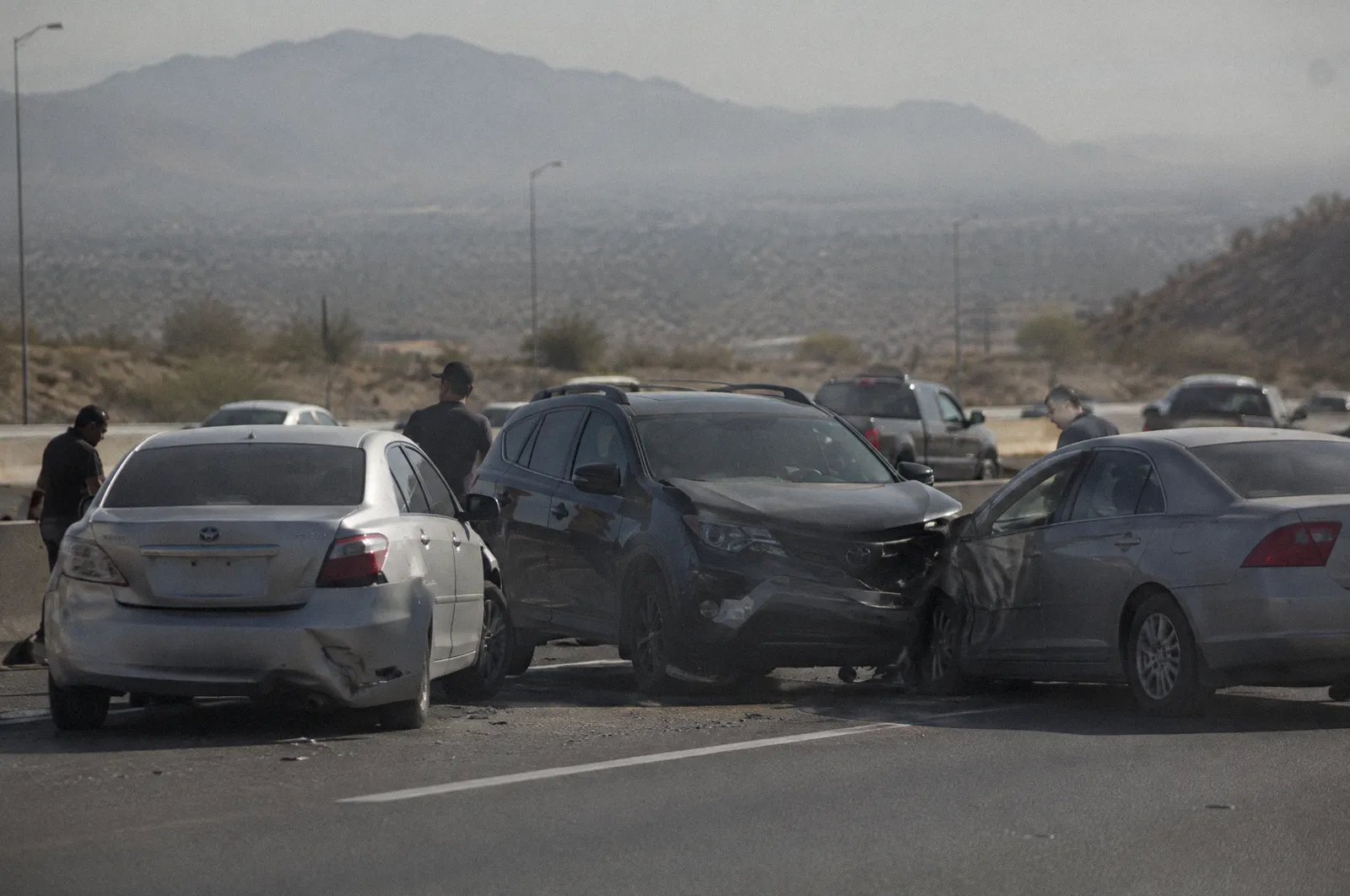
The combined force of a frontal impact can injure almost every part of the body. Some injuries are visible at the scene, and others show up later, so you may have no or seemingly minor symptoms at first.
- Brain injuries
Head contact with the steering wheel, airbag, or window can cause a concussion or a more serious brain injury. See our page on brain injury cases.
- Spinal and back injuries
Sudden compression can damage discs and vertebrae. Read about spinal cord injury cases and back and neck injuries.
- Chest and internal injuries
Seat belts and steering wheels save lives, but the force can still injure the chest and organs.
- Broken bones
Legs, hips, wrists, and arms often break when the front of the vehicle crumples. See broken bone injury claims.
- Burns
Fires after a violent crash can cause burn injuries that need long treatment. See burn injury claims.
What a Head-On Collision Claim Can Recover
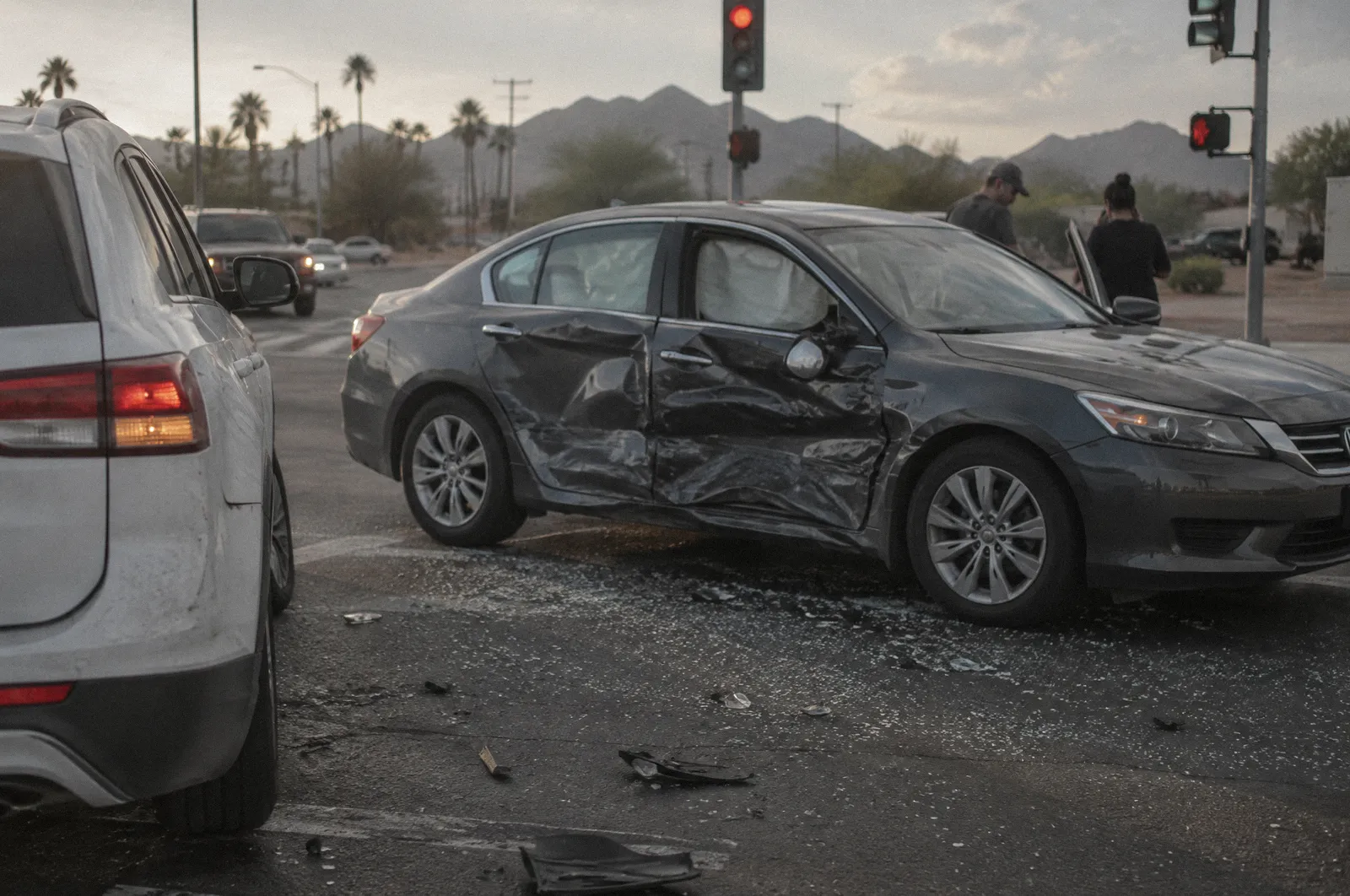
A claim after a head-on crash can cover economic damages, such as medical bills, projected future care, and lost wages, and non-economic damages, such as pain, suffering, and loss of enjoyment of daily life. Arizona sets no cap on personal injury or death damages (Ariz. Const. art. 2 sec. 31). In rare cases, such as a wrong-way crash by a drunk driver, punitive damages may be possible when the driver acted with an "evil mind" shown by clear and convincing evidence (Linthicum v. Nationwide, Ariz. 1986).
Insurance often decides how much you can actually collect. Arizona's minimum liability coverage is $25,000 per person and $50,000 per accident for bodily injury, with $15,000 for property damage (A.R.S. 28-4009), and serious head-on injuries can cost far more. Insurers must offer uninsured and underinsured motorist coverage in writing, and you may reject it (A.R.S. 20-259.01). If you have it, your own policy may become a source of recovery, and written notice to your insurer is generally due within three years, with special start dates (A.R.S. 12-555). Our page on uninsured motorist claims explains how that works.
If a Loved One Died in a Head-On Crash
A wrongful death claim may be brought by a surviving spouse, child, parent or guardian, or the personal representative, for the benefit of the spouse, children, and parents, or the estate if none survive (A.R.S. 12-612). The deadline is generally two years from the date of death (A.R.S. 12-542). Grief and legal deadlines arrive together, and we can explain the process at your pace. Our page on a wrongful death lawyer in Scottsdale covers these claims in more detail.
What to Do After a Head-On Collision in Scottsdale
These steps protect both your health and your claim.
- 1
Call 911.
Ask for police and medical help even if you feel able to walk. A police report creates an official record of the crash scene and the people involved.
- 2
Stay safe until help arrives.
If you can do so safely, move out of traffic and turn on your hazard lights. If you cannot, stay where you are and wait for responders.
- 3
Photograph the scene, if safely possible, before any vehicle is moved.
Capture both vehicles, lane markings, skid marks, debris, and traffic signs.
- 4
Tell the officer what happened.
If you believe you were not at fault, make sure you explain this to the officer. Collect the other driver's insurance information.
- 5
Get medical care the same day.
Adrenaline can hide pain. A medical record created right away connects your injuries to the crash, even when you have no or seemingly minor symptoms.
- 6
Think before agreeing to a recorded statement.
Agreeing to a recorded statement for the other driver's insurer before you understand your options can injure your legal rights. You can talk to us first.
Deadlines to Watch After a Head-On Crash
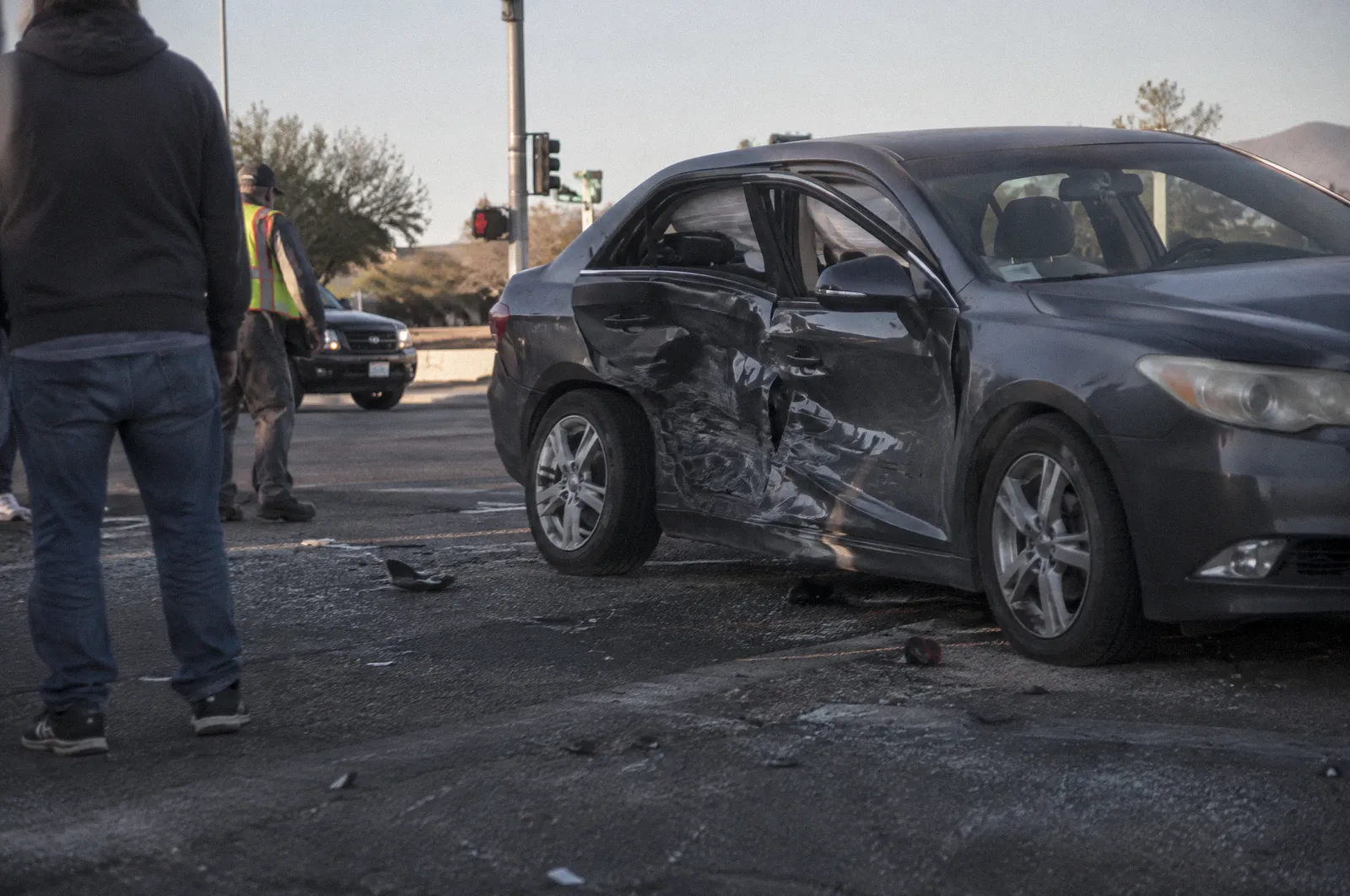
Arizona's general filing deadline for a personal injury claim is two years from the crash (A.R.S. 12-542). If a government vehicle was involved or a road defect contributed, a notice of claim is due within 180 days (A.R.S. 12-821.01), and a lawsuit within one year after the claim accrues (A.R.S. 12-821). Missing a deadline will under most circumstances close your case permanently. A minor has extra time (A.R.S. 12-502). These rules have exceptions, so call us and we will explain how they apply to you.
Working With a Head On Collision Lawyer in Scottsdale
Head-on crashes involve serious injuries, disputed fault, and insurers with a lot of money at stake. Valley Accident Law explains your legal rights, collects the evidence, and handles the adjuster while you focus on recovering. If you are looking for a head on collision attorney, ask how the firm handles the insurance side and what happens if the other driver had little coverage. Our experienced and friendly attorney will explain your legal rights. You pay no attorney fee unless we recover money for you.
Our overview of a car accident lawyer in Scottsdale covers how we handle crash injury claims in general. Our guide on talking to insurance adjusters explains what to expect from the other side. The earlier you call, the better, but it's never too late to find out your legal rights.
Related pages
Statewide guide
Types of car accident claims
Questions
Questions about Scottsdale head-on collision cases
Who is usually at fault in a head-on collision?
In many head-on crashes, the driver who crossed the center line or entered the wrong lane is responsible. Insurers sometimes argue the other driver contributed, and Arizona's comparative fault rule reduces compensation by each driver's share. Evidence from the scene often decides how fault is split.
How long do I have to file a head-on collision claim in Arizona?
Arizona's personal injury statute of limitations is two years from the crash under A.R.S. 12-542. A claim involving a government vehicle or a road defect needs a notice of claim within 180 days (A.R.S. 12-821.01). Missing either deadline will under most circumstances end your claim, so early advice matters.
What if the driver who hit me had little or no insurance?
Arizona sets minimum coverage limits, and serious injuries can exceed them. Your own uninsured or underinsured motorist coverage may help, and we look at every policy that could apply.
What if the other driver was drunk or distracted?
Impairment or distraction can strengthen the fault side of your claim, and punitive damages may be possible when the driver acted with an evil mind. Dram shop claims can apply when a bar or restaurant served an obviously intoxicated person.
I felt fine after the crash. Should I still get checked?
Yes. Adrenaline can hide pain, and symptoms often appear a day or two later. A medical record created early connects the crash to your injuries, and you can call us to talk through your options before you agree to anything with an insurance company.
Free case review
Talk to Us About Your Head-On Crash
Call (602) 584-8054 or request your free case review. We will explain your legal rights and what we see in your facts. The earlier you call, the better, but it's never too late to find out your legal rights.
Call any time. Office visits Monday to Friday, 9 to 5.
Thank you, we’ve received your request.
A member of our team will reach out shortly. If your matter is urgent, call us now at (602) 584-8054.