
Scottsdale Speeding Accident Lawyer
Speeding Accident Lawyer in Scottsdale for Crashes Caused by Excessive Speed
A speeding accident lawyer in Scottsdale helps you show how fast the other driver was really going, how that speed caused the crash, and what your injuries have cost you. Speed is rarely admitted at the scene, and insurance companies and attorneys often negotiate the percentage of fault. In most cases Arizona gives you two years from the crash to file (A.R.S. 12-542).
- Filing deadline
- 2 years from the crash
- A.R.S. 12-542(1)
- Wrongful death deadline
- 2 years from the date of death
- A.R.S. 12-542(2)
- Fault rule
- Pure comparative fault, no percentage bar
- A.R.S. 12-2505
Why a Speeding Accident Is Often More Serious
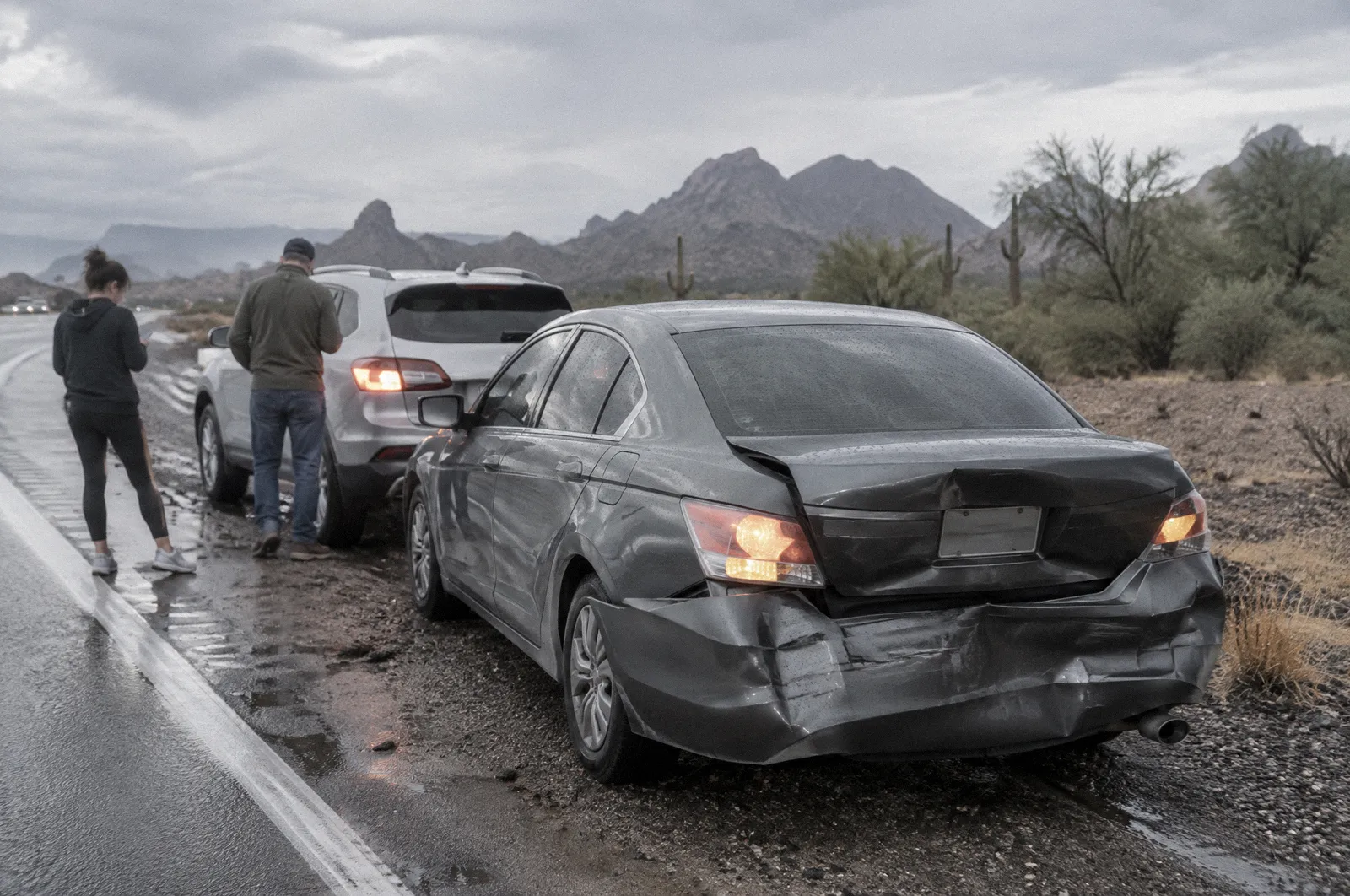
Speed does three things at once. It shortens the time a driver has to react, it lengthens the distance needed to stop, and it multiplies the force of the impact. A speeding accident that would have been a fender bender at the posted limit can become a life-changing crash when one vehicle is going much faster than the traffic around it.
This page is one of several crash types covered on our main car accident lawyer Scottsdale page. Speed matters on every kind of road around the city, from the 65 mph posted limit on Loop 101 to the 40 to 50 mph stretches of Shea Boulevard where cars cross busy intersections. Speeding also rarely travels alone. It is often combined with distracted driving, following too closely, or driving too fast for rain, glare or traffic.
How Speed Is Proven After a Crash
Speeding drivers rarely say they were speeding. Speed is usually shown with physical evidence and records that can be lost quickly, so we start looking early.
- Skid marks and the scene
Length, direction and spacing of tire marks, the debris field and the final positions of the vehicles help show how fast vehicles were moving.
- Vehicle damage
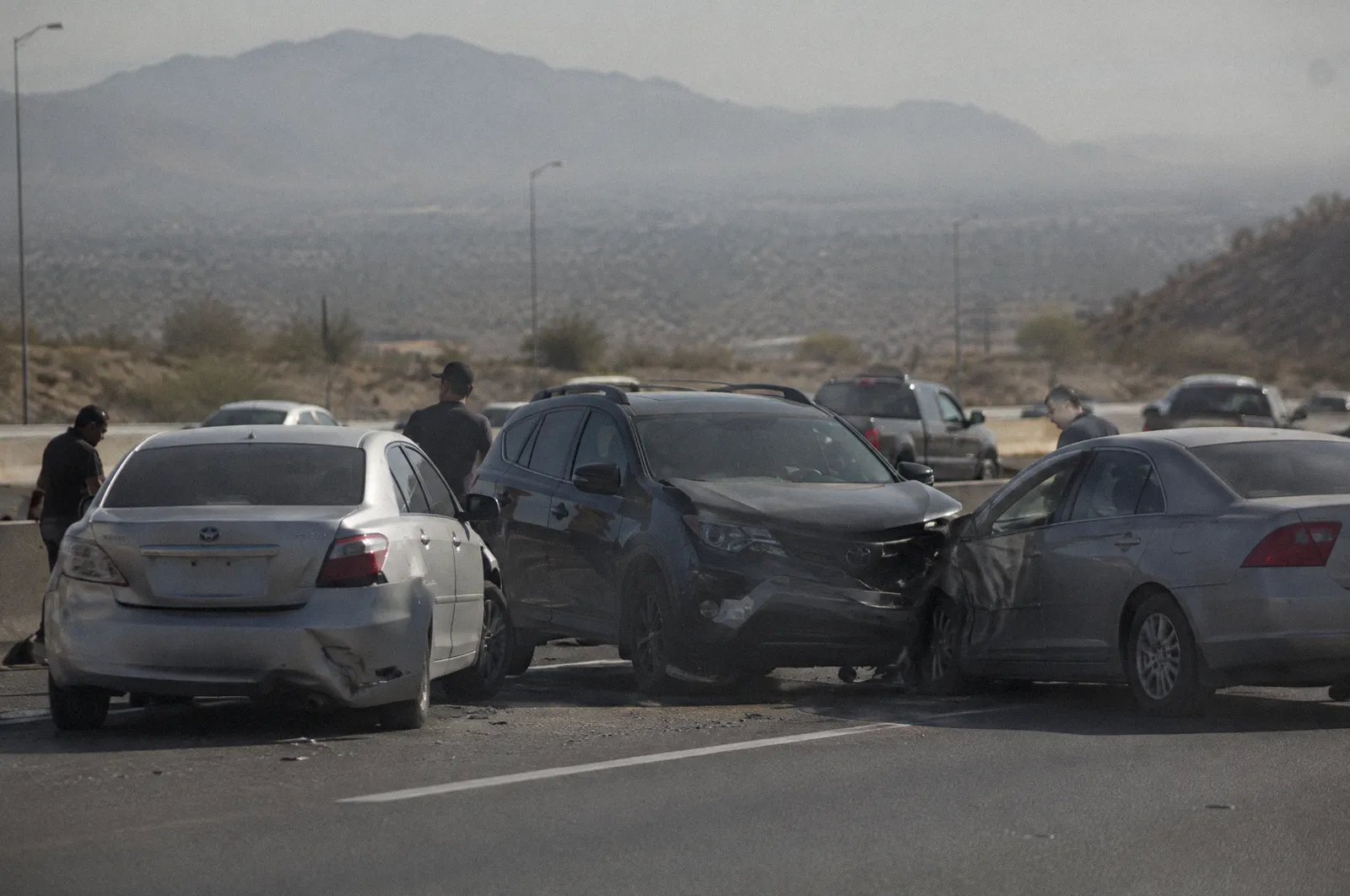
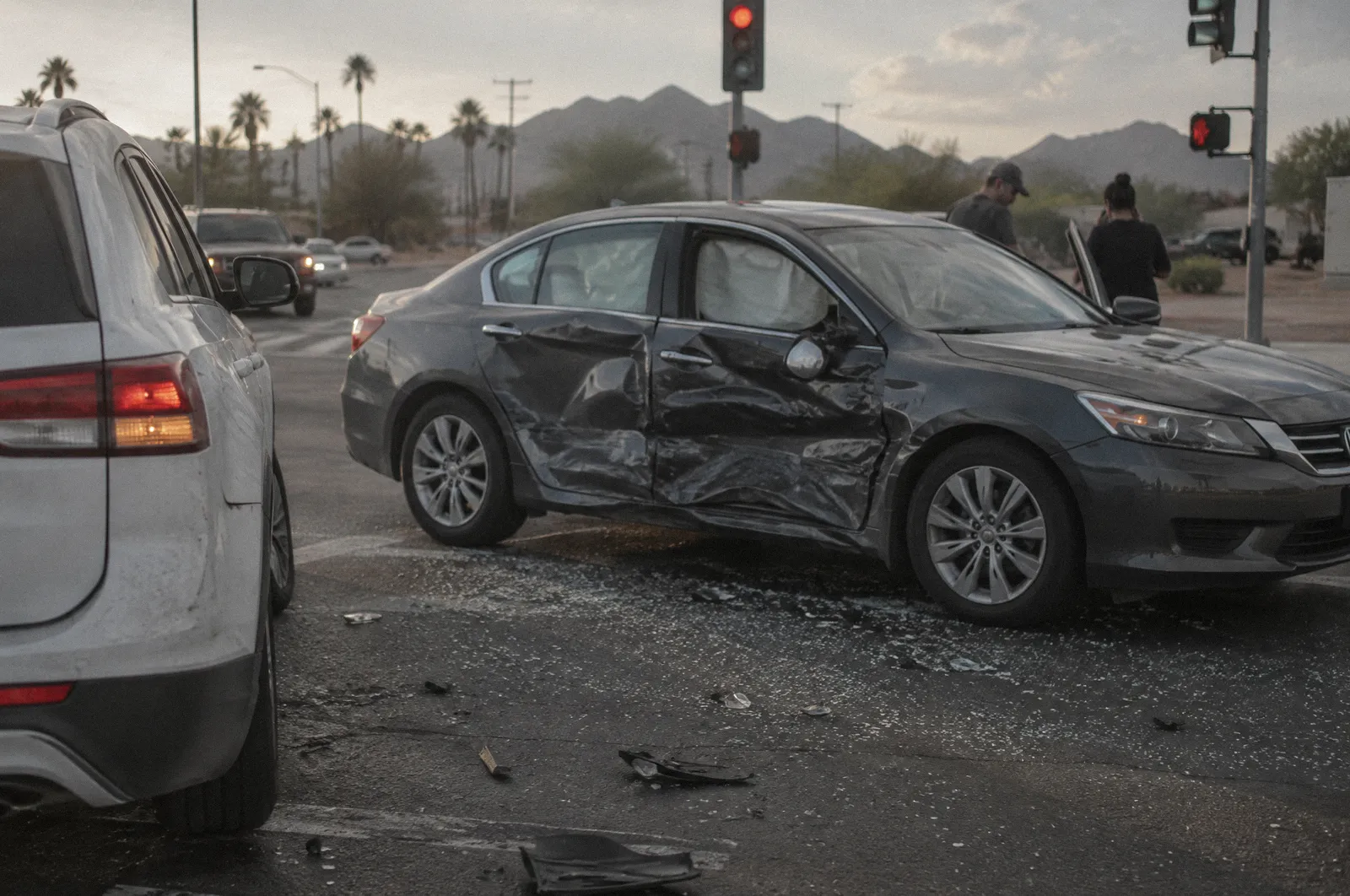
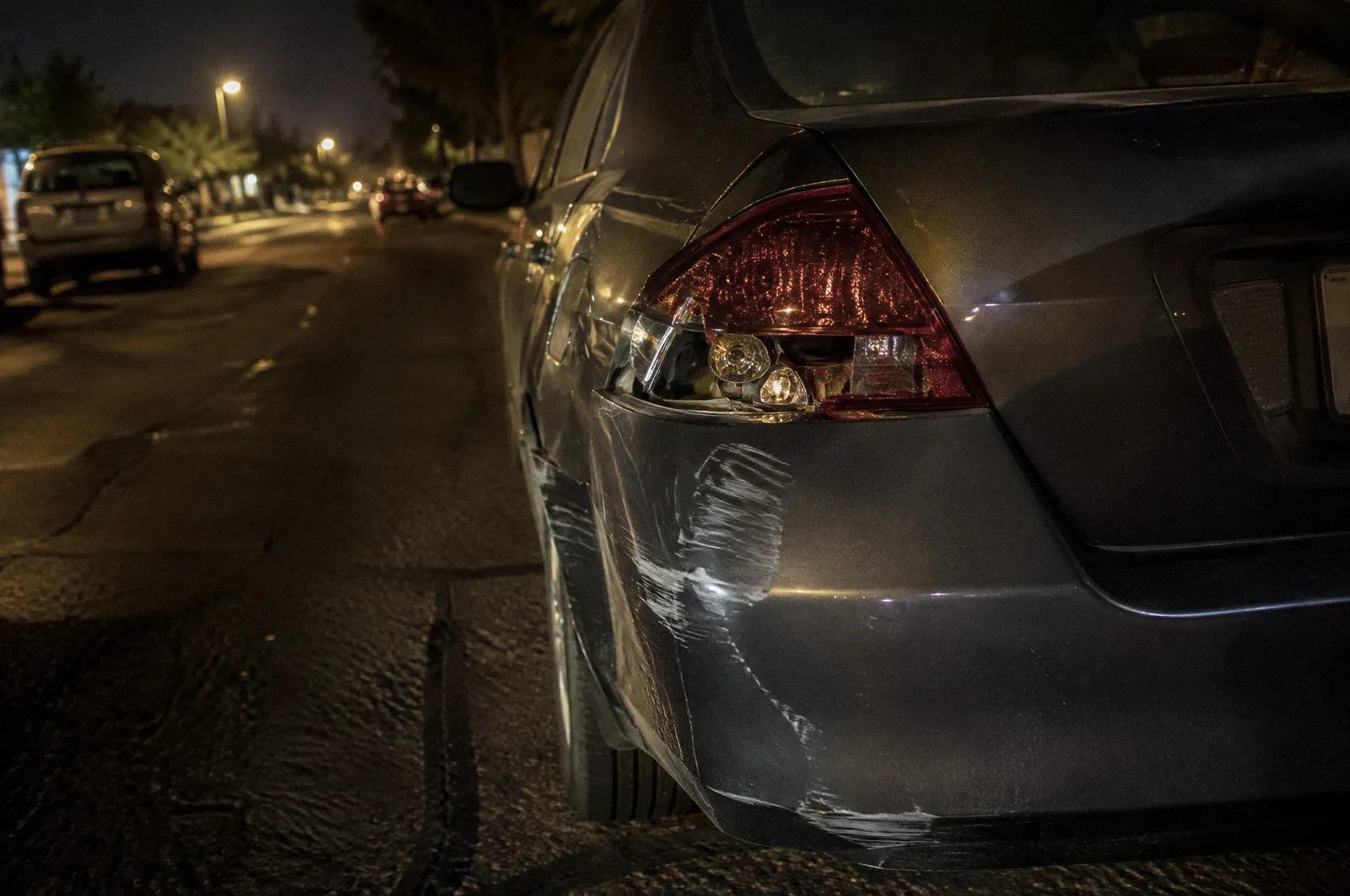
The depth and pattern of the damage on each vehicle can show the force of the impact. Photographs matter, especially before repairs are made.
- Vehicle data
Many newer vehicles record speed and braking for a few seconds around a crash. That data can be overwritten or lost if the vehicle is repaired or scrapped, so ask early.
- Video and witnesses
Cameras at nearby businesses, dashcams and the account of a neutral driver can show how fast a vehicle was traveling.
- Crash reconstruction
In serious cases, a reconstruction expert can work backward from the evidence to estimate speed and what the driver could have done.
Speeding Accident Statistics: Where to Find Current Numbers
Speeding accident statistics change every year, and we do not want a number on this page to go out of date. The Arizona Department of Transportation publishes its Motor Vehicle Crash Facts report each year, and the National Highway Traffic Safety Administration publishes national speeding-related crash data. Our guide to Arizona crash data explains where to look. Statistics describe groups of crashes, not your own, and your claim depends on the facts of your crash.
Who Is at Fault When Speeding Causes a Crash
A driver who was speeding is often found largely at fault, but speed is only one part of the picture. Arizona follows pure comparative fault (A.R.S. 12-2505), so your compensation is reduced by your percentage of fault rather than barred. Insurance companies and attorneys often negotiate that percentage, and a driver does not have to be above the posted limit to be driving too fast for the conditions.
What the other side may argue
- The speed was not much over the limit and did not cause the crash.
- You pulled out or changed lanes without enough room.
- You were also speeding or distracted.
- The road, rain or glare was to blame, not the driver.
What the evidence can show
- Tire marks, damage and vehicle data that point to a speed well above the limit.
- Video and witnesses who saw the vehicle approach.
- A reconstruction showing the crash would likely have been avoided at a lower speed.
- That driving too fast for the conditions can be careless even below the limit.
What to Do After a Crash Caused by Speeding
These steps protect your health and your claim. Take them only as far as is safe.
- 1
Call 911 and get medical help.
A police report creates an official record, and officers may note skid marks, debris and statements about speed.
- 2
Tell the officer what you saw.
If you believe the other driver was speeding, say so in plain facts. If you believe you were not at fault, make sure you explain this to the officer.
- 3
Photograph the scene, if safely possible, before any vehicle is moved.
Capture skid marks, debris, the damage to every vehicle and the road conditions.
- 4
Ask about cameras and witnesses.
Nearby businesses and passing drivers may have footage or accounts of how fast the vehicle was going. Footage is often overwritten within days.
- 5
Do not let the vehicles be scrapped or repaired without a plan.
Vehicle data and damage patterns can be key evidence. Talk with an attorney before a vehicle is released.
- 6
Be careful about agreeing to a recorded statement.
You are not required to agree to one with the other driver’s insurance company, and early answers can be used against you.
When Extreme Speeding May Support Punitive Damages
In rare cases, such as street racing or other conduct that shows a conscious disregard for other people’s safety, punitive damages may be discussed. Arizona courts look for an “evil mind” shown by clear and convincing evidence (Linthicum v. Nationwide, Ariz. 1986), which is a high standard that most speeding crashes will not meet. Ordinary speeding is handled as a negligence claim for the full range of your losses, with no statutory cap on personal injury damages (Ariz. Const. art. 2 sec. 31).
Injuries and Losses in Speeding Crashes
The faster a crash happens, the more serious the injuries tend to be. These are some of the injuries we see.
- Head injuries
High-speed impacts can cause concussion or a more serious brain injury. Learn how we approach a brain injury claim in Scottsdale.
- Spinal and back injuries
Severe force can injure the spine and spinal cord. See our page on spinal cord injury claims in Scottsdale.
- Broken bones
Arms, ribs, hips and legs are often fractured in higher-speed crashes. See our page on broken bone injury claims.
- Loss of a loved one
When a speeding crash takes a life, Arizona gives the family two years from the date of death (A.R.S. 12-542(2)). Our page on wrongful death claims in Scottsdale explains who may bring the claim.
Working with a Speeding Accident Lawyer in Scottsdale
Proof of speed can disappear fast: a vehicle repaired, a camera that records over itself, tire marks washed away by the next storm. Valley Accident Law offers a free case review so you can understand your options before you decide anything. You pay no attorney fee unless we recover money for you.
If you are comparing speeding accident lawyers, ask who will move quickly to protect the evidence. If you want a speeding accident attorney who will explain what the insurance company is likely to argue, our experienced and friendly attorney will explain your legal rights, including how comparative fault could affect your claim. Our guide to what a personal injury case is worth explains the pieces of a claim. The earlier you call, the better, but it’s never too late to find out your legal rights.
Related pages
Statewide guide
Types of car accident claims
Questions
Questions about Scottsdale speeding accident cases
How do I prove the other driver was speeding?
Usually with physical evidence and records: skid marks, vehicle damage, vehicle data, video and witness accounts. In serious cases a reconstruction expert may estimate speed from the evidence. Because this evidence can be lost, the sooner you call, the better.
Can I recover if I was also going over the limit?
Possibly. Arizona has no 50 percent bar, so your compensation is reduced by the percentage of fault assigned to you rather than eliminated (A.R.S. 12-2505).
Is a speeding ticket proof of fault in my injury claim?
A citation can be one piece of evidence, but it does not by itself decide your claim. Insurance companies and attorneys often negotiate the percentage of fault regardless of who received a ticket.
How long do I have to file after a crash caused by speeding?
In most cases two years from the date of the crash (A.R.S. 12-542). If a loved one died, the deadline is two years from the date of death (A.R.S. 12-542(2)). If a government vehicle was involved, a notice of claim is due within 180 days (A.R.S. 12-821.01). These rules have exceptions, so call us and we will explain how they apply to you.
Can I seek punitive damages if the driver was speeding?
Only in rare cases. Arizona courts look for an “evil mind” shown by clear and convincing evidence, which is a high standard. We can tell you whether the facts of your crash may support it.
Free case review
Talk to Us About Your Speeding Crash
Call (602) 584-8054 or request your free case review. We will explain your legal rights and what we see in your facts. The earlier you call, the better, but it’s never too late to find out your legal rights.
Call any time. Office visits Monday to Friday, 9 to 5.
Thank you, we’ve received your request.
A member of our team will reach out shortly. If your matter is urgent, call us now at (602) 584-8054.