
Arizona Motorcycle Lawyer
An Arizona Motorcycle Lawyer for Injured Riders Across the State
If a driver pulled out in front of you, changed lanes into you or hit you from behind, an Arizona motorcycle lawyer can explain who is responsible and what your injury claim may include. Valley Accident Law is in Scottsdale, serves the Phoenix metro and takes cases anywhere in Arizona. You pay no attorney fee unless we recover money for you. The earlier you call, the better, but it's never too late to find out your legal rights.

- Filing deadline
- Generally 2 years from the crash
- A.R.S. 12-542(1)
- Helmet law
- Required under 18 (operator and passenger)
- A.R.S. 28-964
- Lane filtering
- Stopped traffic, 45 mph or less, rider 15 mph or less
- A.R.S. 28-903(F)
- Fault rule
- Pure comparative fault, no percentage bar
- A.R.S. 12-2505
Why Riders Get Hurt Worse and Blamed More: What an Arizona Motorcycle Lawyer Challenges
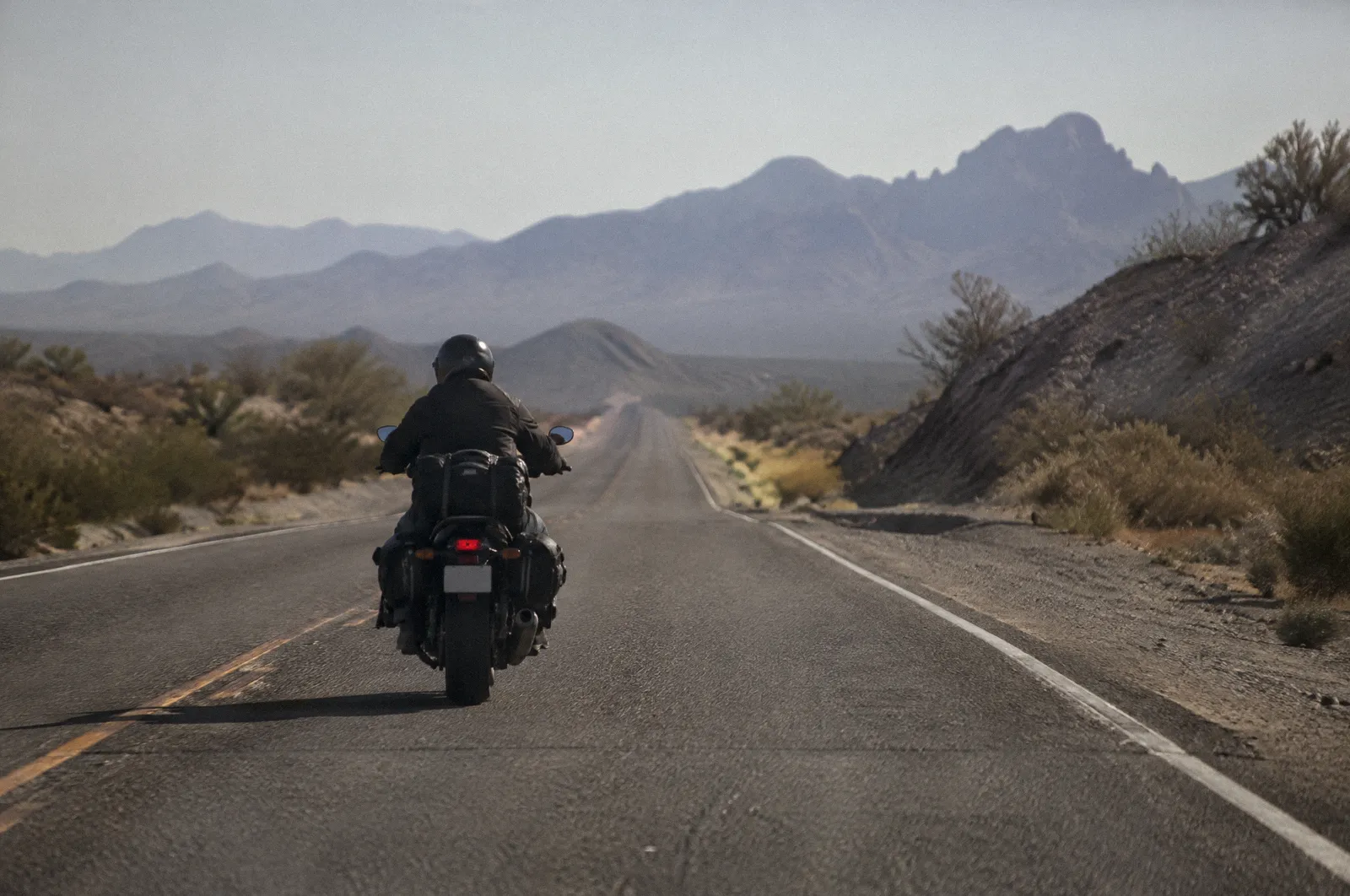
A rider has no frame, airbags or seat belt, so even a low-speed crash can break bones or injure the spine and brain. In 2023, Arizona recorded 258 motorcyclist deaths, a 20 year high according to ADOT, while motorcycle registrations had climbed 33 percent since 2019.
Riders also face a bias that drivers do not. Insurance adjusters and sometimes jurors assume the rider was speeding or reckless, even when a driver turned across a lane without looking. Our job is to put the facts in front of them: where each vehicle was, what the driver could see, what the road allowed.
If you were hurt, a motorcycle crash lawyer who understands both the law and the way riders are treated in claims can help you push back on that assumption. We take cases from every corner of Arizona, and we start by phone.
How Motorcycle Crashes Usually Happen
The crash pattern shapes the evidence we gather and the fault arguments we expect.
- A driver turns left across your path
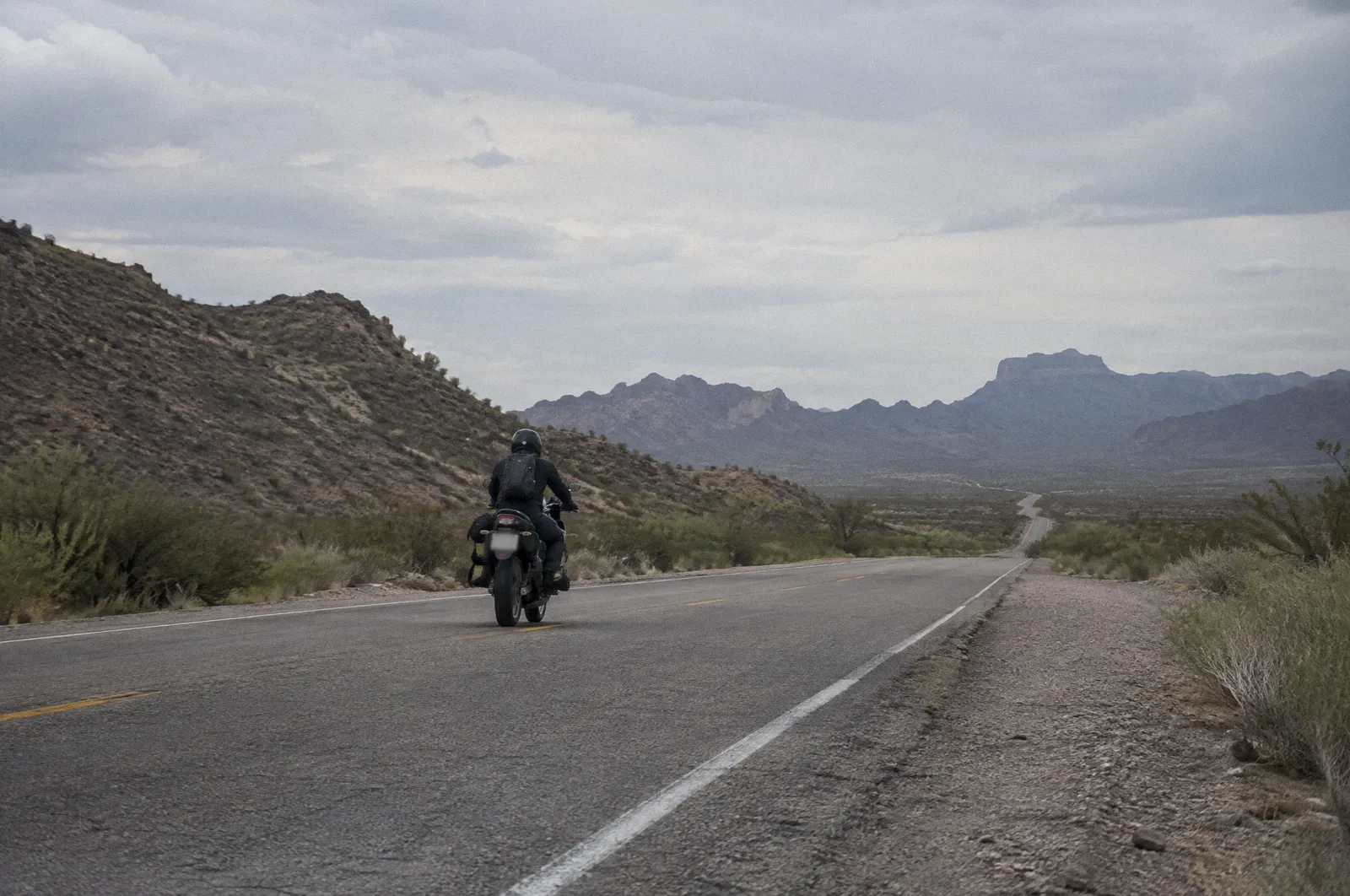
The most common story: a car misjudges a motorcycle's speed or distance and turns in front of it. Failing to yield is the usual fault argument.
- An unsafe lane change
A driver merges into a rider's lane without checking a blind spot, often on freeways and in stop-and-go traffic.
- A rear-end impact at a signal
A distracted driver hits a stopped rider. Arizona prohibits holding a phone while driving (A.R.S. 28-914).
- Road hazards
Loose gravel, potholes, expansion joints and debris. If a public road defect is involved, a notice of claim is due within 180 days (A.R.S. 12-821.01).
- A driver who is impaired
Arizona law makes it unlawful to drive impaired to the slightest degree, or with an alcohol concentration of 0.08 or more within two hours of driving (A.R.S. 28-1381).
Lane Filtering Versus Lane Splitting in Arizona
These look alike, but Arizona treats them very differently, and insurers use the difference against riders.
Lane filtering (legal)
- Allowed under A.R.S. 28-903(F), effective September 24, 2022.
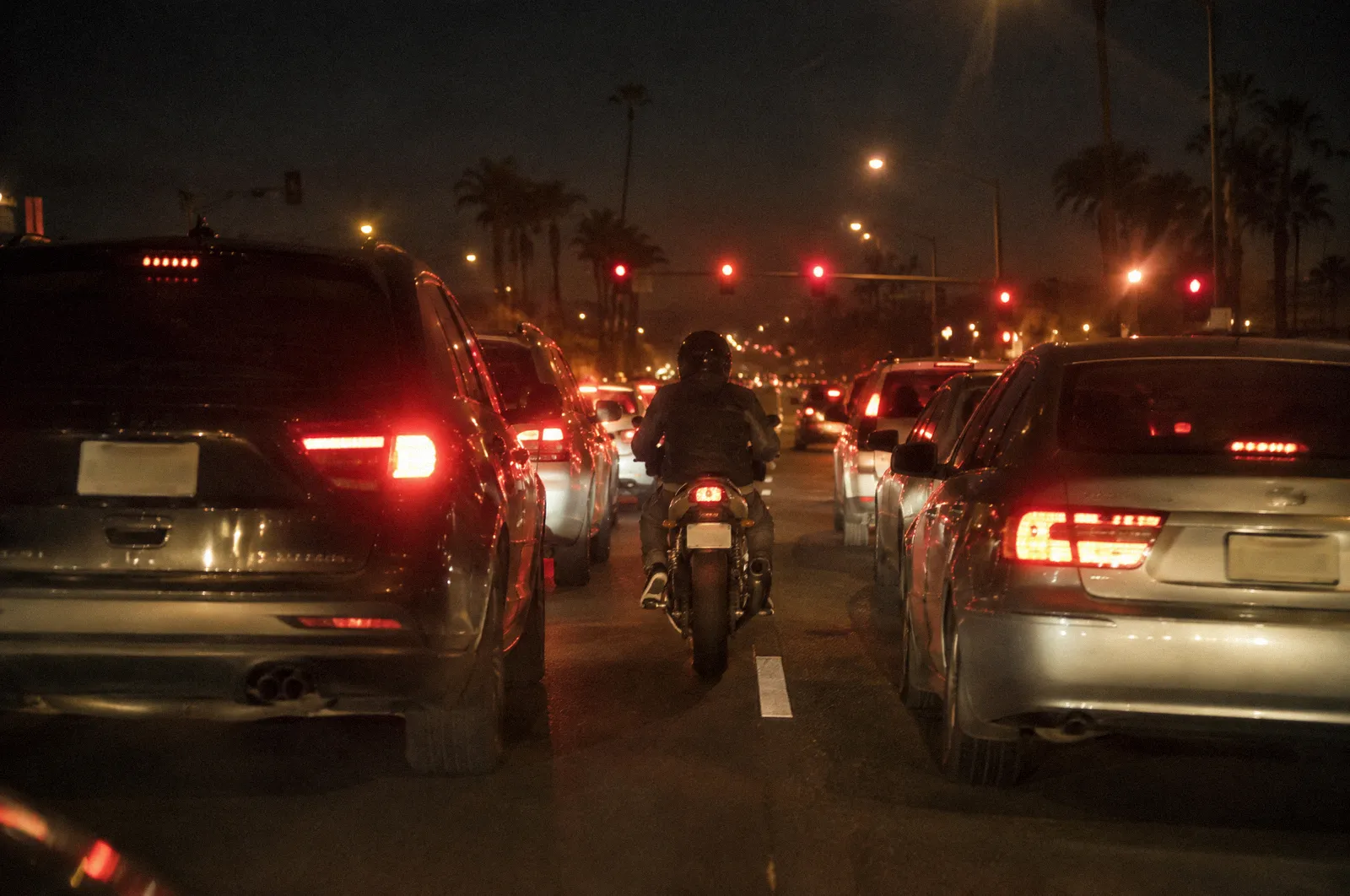
- Traffic must be stopped on a road with two or more same-direction lanes.
- The road's speed limit is 45 mph or less and the rider travels at 15 mph or less.
- If you were filtering lawfully when hit, the insurer cannot fairly call it a violation.
Lane splitting (illegal)
- Passing or riding between moving vehicles or lanes of active traffic is illegal.
- It can lead to a reckless driving charge, a class 2 misdemeanor (A.R.S. 28-693; 28-903).
- Insurers raise it to argue the rider caused or worsened the crash.
- If the other side claims you were splitting, we look at speed, traffic flow and video.
Coverage That May Pay After a Motorcycle Crash
A motorcycle claim often draws on more than one source.
| Source | What it may do | Rule |
|---|---|---|
| At-fault driver's liability insurance | Pays for injuries and property damage up to the limits. State minimums since July 1, 2020 are $25,000 per person, $50,000 per accident and $15,000 property damage. | A.R.S. 28-4009 |
| Your uninsured and underinsured motorist coverage | Applies when the driver has no insurance, too little or cannot be identified. Insurers must offer it in writing, and you may reject it, so check your motorcycle policy. | A.R.S. 20-259.01 |
| Hit-and-run without contact | No physical contact is required, but you must corroborate that the unidentified vehicle caused the crash, such as through an eyewitness, video, scene evidence or 911 records. | A.R.S. 20-259.01(M) |
| Medical payments and health insurance | May help cover bills while the claim is open. Check your policy. Reimbursement rights can apply later. | A.R.S. 33-931 et seq.; 36-2915 |
Source: Arizona Revised Statutes as cited. Rules confirmed by our attorney in October 2026.
Helmets, Eye Protection and Your Claim
Arizona requires a helmet only for riders under 18, both operators and passengers, on motorcycles, all-terrain vehicles and motor-driven cycles. Operators must also have eye protection unless the motorcycle has a windshield (A.R.S. 28-964).
Insurers still ask whether you wore a helmet, and they may argue that your injuries would have been less severe. Whether helmet use affects a particular claim depends on the facts and the injury, and we will explain how it applies to you. Our overview of Arizona motorcycle helmet law covers it in more detail.
Keep your helmet and riding gear after a crash. Do not repair or sell the motorcycle until we have photographed and, if needed, inspected it, because it can show speed, braking and point of impact.
Step by step
What to Do After a Motorcycle Accident
General steps, not legal advice for your exact situation.
- 1
Call 911 and get medical help
Arizona law requires immediate notice to police, the sheriff or the highway patrol when a crash injures or kills someone (A.R.S. 28-666).
- 2
Document the scene, if safely possible
If safely possible, before any vehicle is moved, photograph the vehicles, the road surface, signals and your gear. Get witness names.
- 3
Explain the crash accurately to the officer
If you believe you were not at fault, make sure you explain this to the officer, and note anything you could not see from the ground.
- 4
Keep the bike and gear
They are evidence. Do not discard anything, and do not let a shop or insurer dispose of it.
- 5
Be careful with recorded statements
Do not agree to a recorded statement until you have spoken with us. See our page on talking to insurance adjusters.
Evidence That Helps a Motorcycle Case
We work to collect items like these as early as possible.
- The police report and officer notes
- Helmet-cam, dashcam and nearby business or doorbell video
- Photos of skid marks, debris and the lane layout
- The motorcycle itself, including any data from the bike or its tires and brakes
- Witness names and 911 audio
- Medical records, imaging and bills
- Pay records showing lost income
- Maintenance and inspection records for the motorcycle, to answer a mechanical-failure argument
Deadlines in a Motorcycle Accident Claim
The general deadline to file a personal injury lawsuit in Arizona is 2 years from the date of injury (A.R.S. 12-542(1)). A claim involving a public entity, such as a defective road, needs a notice of claim within 180 days (A.R.S. 12-821.01). Written notice of an uninsured or underinsured motorist claim goes to your own insurer within 3 years (A.R.S. 12-555). These rules have exceptions, so call us and we will explain how they apply to you.
What Shapes a Motorcycle Accident Settlement
There is no formula, but these factors decide where a claim lands.
- Severity and permanence of injury
Broken bones, spinal and head injuries, amputations and road rash scarring drive both medical costs and long-term impact.
- Medical costs now and later
Surgery, rehabilitation, equipment and any future care a doctor expects.
- Lost income and earning capacity
Time away from work and any change in what you can do for a living.
- Fault and the insurer's argument
Insurers negotiate the percentage of fault. Under pure comparative fault your recovery is reduced by your share, but not barred (A.R.S. 12-2505).
- Insurance available
Policy limits, UM/UIM coverage and any other responsible party. Arizona sets no caps on personal injury damages (Ariz. Const. art. 2, sec. 31).
Choosing an Arizona Motorcycle Accident Law Firm
Riders searching for the best motorcycle accident lawyer are really asking whether someone will take their side without judging the bike. Ask a firm how it approaches rider bias, who will handle your calls and how fees work. Our attorney, Charles Paglialunga, has 32 years of experience, and a motorcycle accident injury lawyer should be able to tell you in plain words what the other side will argue.
The question people ask most is what is the average settlement for a motorcycle accident. We cannot give a number honestly, because no average describes your injuries, insurance and fault picture. A motorcycle accident settlement should be measured against your actual bills, lost income and future care, not a headline figure.
You pay no attorney fee unless we recover money for you. The fee agreement is written and signed and states the percentage and how costs are handled (Ariz. ER 1.5(c)). Our guide to how contingency fees work explains it in plain terms, and our guide to what your case is worth shows how value is built.
Arizona Motorcycle Lawyer by City
Choose the city where you were hurt for local roads, police agencies, courts and hospitals.
- Motorcycle Accident Lawyer in Scottsdale
- Motorcycle Accident Lawyer in Phoenix
- Motorcycle Accident Lawyer in Mesa
- Motorcycle Accident Lawyer in Tempe
- Motorcycle Accident Lawyer in Chandler
- Motorcycle Accident Lawyer in Gilbert
- Motorcycle Accident Lawyer in Glendale
- Motorcycle Accident Lawyer in Peoria
- Motorcycle Accident Lawyer in Surprise
Questions
Questions about Arizona motorcycle cases
Do I need to have been wearing a helmet to bring a claim?
No. Arizona's helmet requirement applies to riders under 18 (A.R.S. 28-964), and a rider can bring a claim either way. Insurers may still argue helmet use affected the injuries, and we will explain how that applies to your facts.
What is the average settlement for a motorcycle accident?
There is no reliable average. Settlements depend on injuries, medical costs, lost income, fault and the insurance available. We can look at your records on a free case review and tell you what is driving the value.
What if the driver says I was lane splitting?
Lane filtering is legal in limited conditions (A.R.S. 28-903(F)): stopped traffic, two or more same-direction lanes, a limit of 45 mph or less and a rider at 15 mph or less. Splitting between moving traffic is illegal. We look at speed, traffic flow and video to test the claim.
What if the driver left the scene?
Leaving the scene of an injury or fatal crash is a felony (A.R.S. 28-661, 28-663). Your own UM coverage may apply, and physical contact is not required if you can corroborate that the unidentified vehicle caused the crash.
Can I sue if I was partly at fault?
Often, yes. Arizona's pure comparative fault rule has no percentage bar (A.R.S. 12-2505), so your recovery is generally reduced by your share of fault rather than barred. Expect the insurer to push the percentage up.
How much does a motorcycle lawyer cost?
You pay no attorney fee unless we recover money for you. We explain the written fee agreement before you decide.
Do I need a motorcycle wreck attorney for a low-speed crash?
Low speed does not mean low injury. A rider can suffer broken bones or a head or spine injury in a slow crash, and the insurer may still blame the rider. A free case review will tell you whether a claim is worth pursuing.
Do you take motorcycle cases outside Phoenix?
Yes. We take cases anywhere in Arizona, and we start by phone.
Free case review
Talk With an Arizona Motorcycle Lawyer
Tell us how the crash happened and we will explain your legal rights, without judging the bike. Our experienced and friendly attorney will answer your questions. The earlier you call, the better, but it's never too late to find out your legal rights. Contact us for a free case review.
Call any time. Office visits Monday to Friday, 9 to 5.
Thank you, we’ve received your request.
A member of our team will reach out shortly. If your matter is urgent, call us now at (602) 584-8054.