
How to Get a Police Report in Arizona
How to Get a Police Report in Arizona After a Car Accident
To get a police report in Arizona, start with the report number the officer gave you, identify which agency responded, and send a records request to that agency. In the Phoenix metro that is usually the Scottsdale Police Department, the Phoenix Police Department, the Arizona Department of Public Safety on freeways, or another local agency. Fees, wait times, and request methods vary, so confirm the details with the agency itself.
Reviewed by Charles Paglialunga, Esq.
- First step
- Get the report number at the scene
- Ask the officer before you leave, if safely possible
- Who writes it
- The agency that responded to the crash
- Scottsdale PD, Phoenix PD, Arizona DPS, or another agency
- Where to request it
- The agency’s records unit
- Methods, fees, and timing vary by agency
- Is it final on fault?
- No
- Insurers and courts are not bound by it
How to Get a Police Report in Arizona: Step by Step
The process is similar everywhere in the Valley, with details that change by agency.
- 1
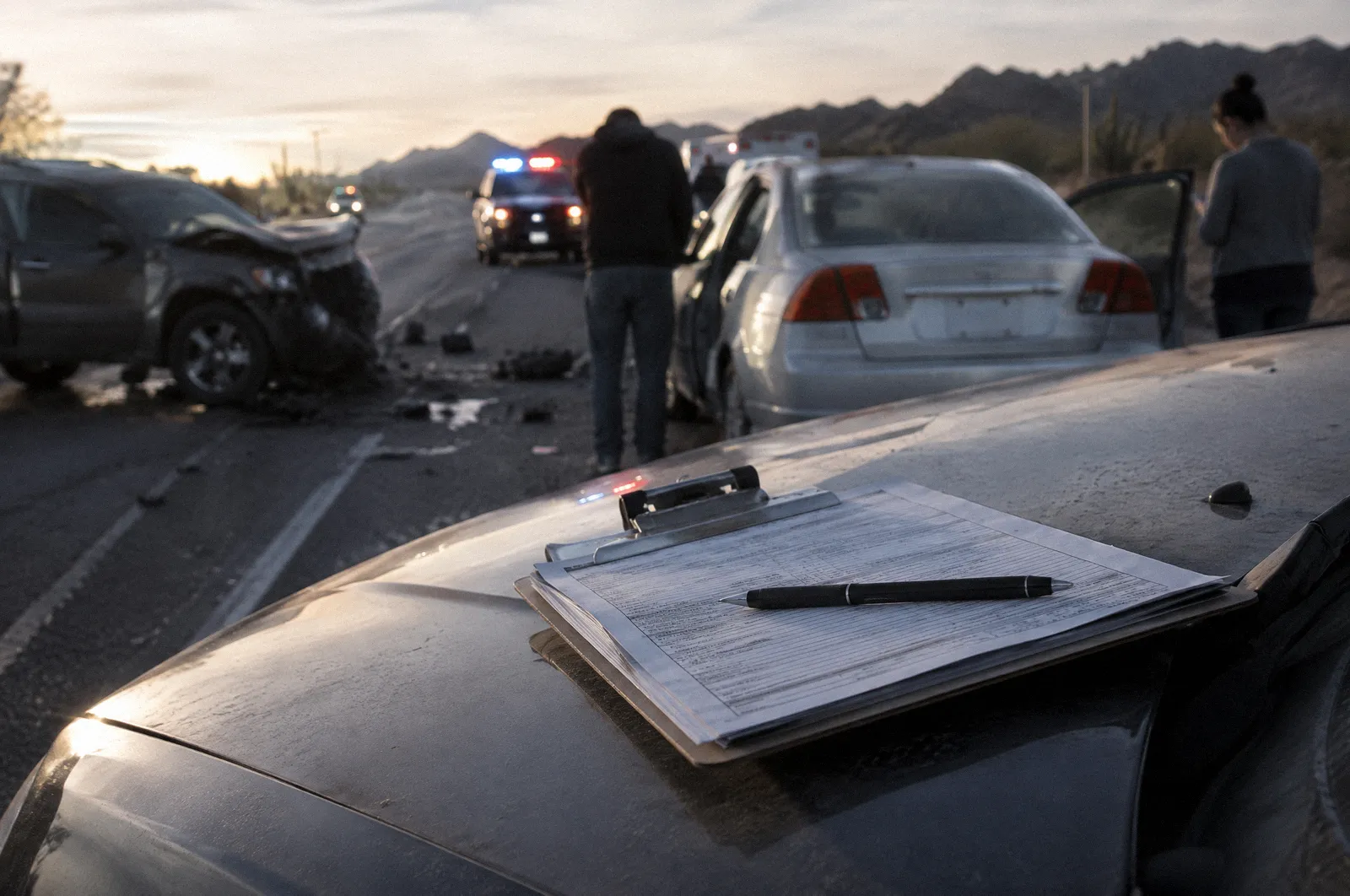
Get the report number at the scene
Before you leave, ask the officer for the report number, which some agencies call an incident or event number, and the officer’s name. If you believe you were not at fault, make sure you explain this to the officer. Write the details down or photograph them.
- 2
Identify the agency that responded
The report comes from the agency whose officer handled the crash, not from the city where you live. A crash on a Scottsdale surface street is handled differently than a crash on a state freeway.
- 3
Wait for the report to be completed
A report is not usually available the same day. The officer completes it and it is then reviewed and released through the records unit. Ask the agency how long it generally takes.
- 4
Submit a records request
Contact the agency’s records unit. Many agencies accept requests online, by mail, or in person. Use the method the agency lists, and confirm any fee and the format of delivery.
- 5
Read the report carefully
Check names, insurance information, vehicle details, the diagram, and the narrative. Note anything that is wrong or missing.
- 6
Send a copy to your insurer, and keep one for yourself
Your own insurance company will usually want the report number. Keep a copy with your other crash records, such as photographs and medical bills.
Which Agency Wrote Your Arizona Crash Report?
Your Arizona crash report is held by the agency that responded. The agencies below are the ones people in the Phoenix metro most often deal with.
- Scottsdale Police Department
Usually responds to crashes on Scottsdale city streets such as Scottsdale Road, Shea Boulevard, and Camelback Road. If your crash happened on a city street in Scottsdale, request your Scottsdale police report from the department’s records unit.
- Phoenix Police Department
Usually responds to crashes on Phoenix city streets. If you are looking for an accident report in Phoenix, AZ, the Phoenix Police Department’s records process is where a Phoenix police accident report is requested.
- Arizona Department of Public Safety
The Arizona Department of Public Safety, known as DPS, often handles crashes on state freeways, including parts of the Loop 101 and Interstate 10. Many people search for AZ DPS accident reports online, and the department’s records unit explains how to submit a request.
- Other agencies
The Maricopa County Sheriff’s Office handles many crashes in unincorporated areas, and nearby city police departments handle their own streets. Tribal police can respond on tribal land. When you are not sure, ask the officer at the scene, or call the nearest agency’s non-emergency line.
Scottsdale Police Report and Phoenix Police Accident Report: What to Expect
A Scottsdale police report and a Phoenix police accident report are both requested from the agency’s records unit, and both use the report number from the scene. Each agency sets its own request options, fees, and processing time, so use the agency’s official website and phone line rather than a third-party service.
Expect personal information, such as a driver’s license number, to be limited in some copies. Agencies commonly release crash reports to people involved in the crash, their insurers, and their representatives, and some release them more broadly. Ask the agency about its rules when you request yours.
If your crash happened on a freeway, expect a different process. A report written by DPS comes from the DPS records unit, and that agency has its own request method. A common mistake is asking the wrong agency, which can cost days. If you are not sure, start with the report number and the date and location of the crash.
What an Arizona Crash Report Usually Contains
The layout differs by agency, but most reports include the same categories of information.
| Section | What it records | Why it matters |
|---|---|---|
| Date, time, and location | When and where the crash happened | Anchors every other record, including the filing deadline |
| Drivers and vehicles | Names, vehicles, and insurance information | Tells you whose insurance company to contact |
| Witnesses | Names and contact information of anyone who saw the crash | Witness accounts can corroborate your version of events |
| Diagram and narrative | The officer’s sketch and summary of what the parties said | Insurers use it as an early benchmark for fault |
| Contributing factors and citations | Violations the officer noted, and any tickets issued | Can support an argument about fault, but is not final |
| Injury information | Whether injuries were reported at the scene | Not a medical record, and it can miss injuries that appear later |
Source: Typical report contents. Forms differ by agency and year.
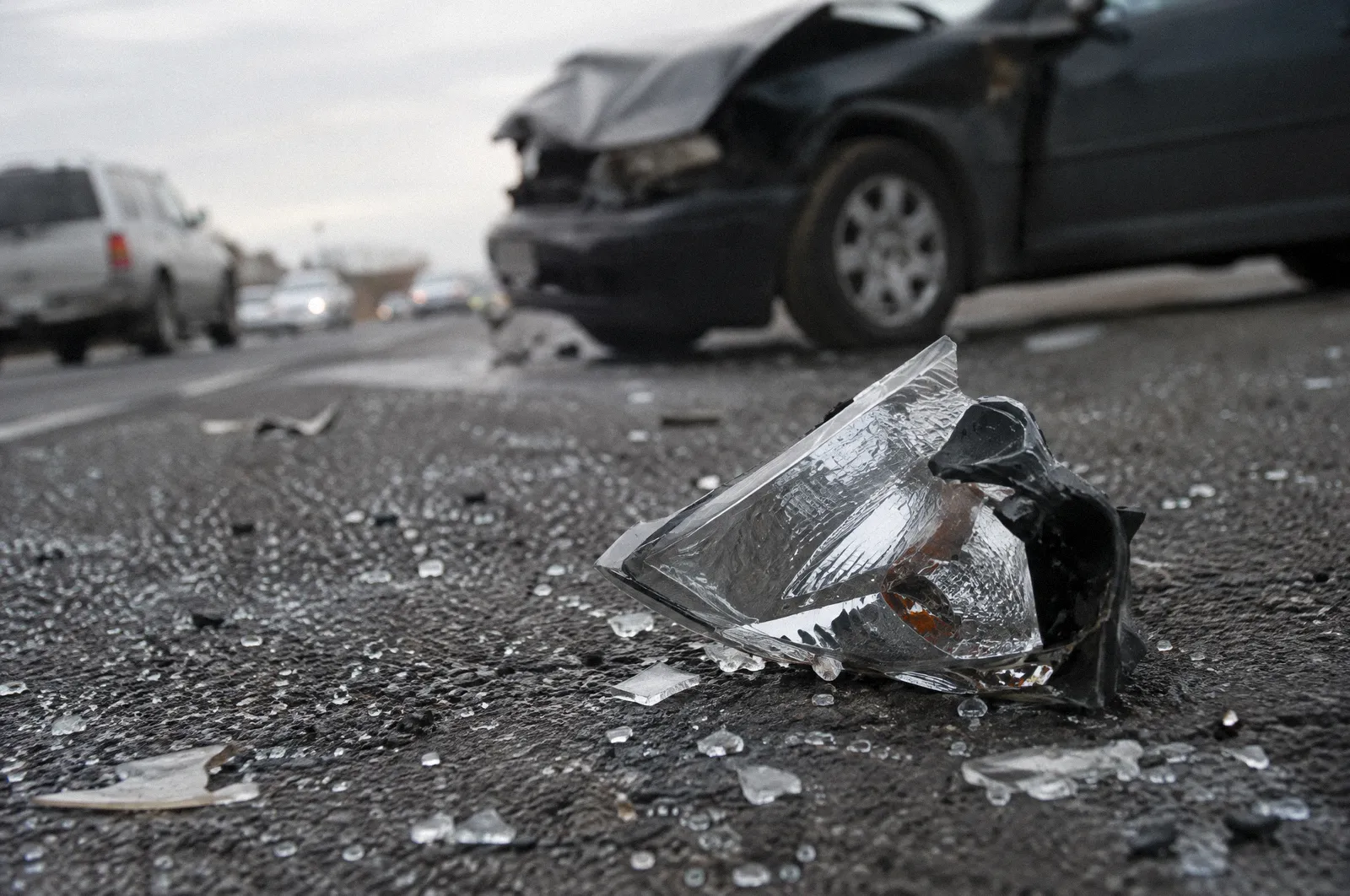
A Police Report Is Not the Final Word on Fault
Insurance companies use police reports as an early benchmark, but a report is not binding on a court or on an adjuster. Insurance companies and attorneys often negotiate the percentage of fault, and the officer’s opinion is only one piece of evidence. Some injuries show up with no or seemingly minor symptoms at first, so a report that says no injuries were reported does not end the question.
That is why other evidence matters too: photographs, witness names, medical records, and any video. For how fault is divided, see our guide to Arizona comparative negligence.
Arizona
What to Have Ready When You Request Your Report
Agencies look reports up using a few key details. Gathering them first speeds things up.
- The report, incident, or event number the officer gave you
- The date, time, and location of the crash
- Your name and the other driver’s name, if you have it
- The name of the agency that responded
- A photo ID, if the agency asks for one in person
- A way to pay any fee the agency charges, which varies
- An email address or mailing address for delivery
If the Report Has a Mistake or No Report Was Written
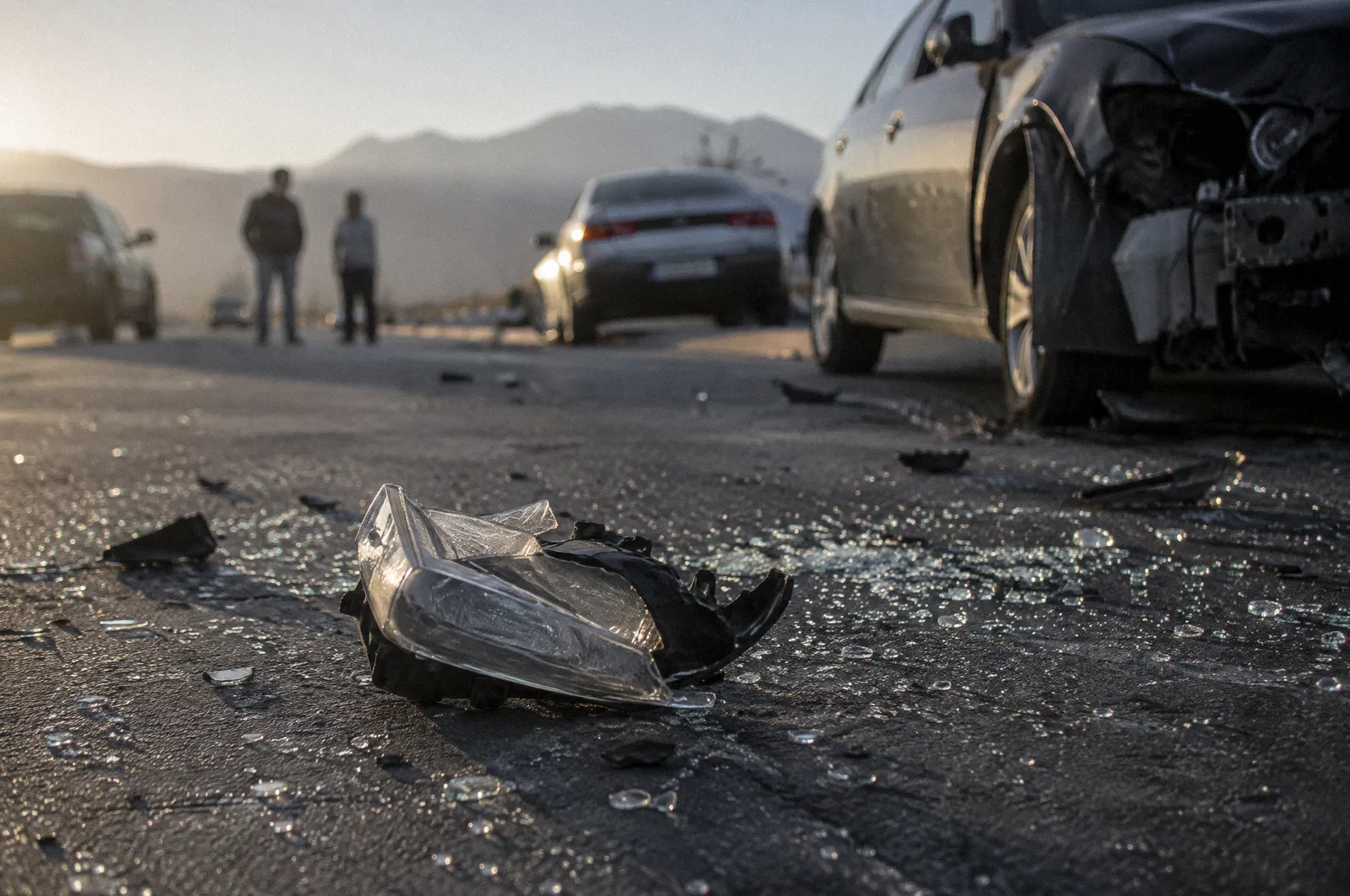
Mistakes happen, such as a wrong insurance policy number, a misspelled name, or a narrative that leaves out what you said. Contact the agency that wrote the report and ask how a correction or supplement is handled. An officer is not required to change an opinion about fault, but a clear factual error can often be corrected, and your own account can still be recorded.
Sometimes no report is written, for example in a minor crash, in a parking lot, or when officers were not able to respond. In that case, ask the agency whether you can file a report, and keep your own record: photographs, the other driver’s information, and notes made the same day. If someone was hurt, tell your insurer and a medical provider promptly. Our guide to what to do after a car accident lists the steps that protect your health and your claim, including, if safely possible, taking photographs before any vehicle is moved.
Related pages
Questions
Questions about how to get a police report in Arizona
How long does it take to get a police report after a crash in Arizona?
It varies by agency and by the complexity of the crash. A report is rarely ready the same day, and some take several days or longer to be completed and released. Ask the agency for its current timeline when you call.
How much does a police report cost in Arizona?
Fees vary by agency and can change, and some agencies offer certain copies at no charge. Ask the records unit what it charges for the copy you need.
Where do I get a Scottsdale police report?
From the Scottsdale Police Department’s records unit, using the report number from the scene. If your crash happened on a freeway, the Arizona Department of Public Safety may have handled it instead.
Can I get an Arizona crash report if I was not at the scene?
Agencies commonly release reports to people involved in the crash, their insurers, and their representatives. Rules on broader access vary, so ask the agency.
What if the other driver was blamed in the report but I was partly at fault?
The report is only one piece of evidence. Arizona uses pure comparative fault (A.R.S. 12-2505), so a share of fault reduces your recovery but does not bar it. See our guide to Arizona comparative negligence.
Do I need a police report to make an insurance claim?
A report is not always required, but it is a very useful record and insurers commonly ask for it. If none was written, keep your own photographs, notes, and the other driver’s information.
Free case review
Questions About Your Crash Report?
If you were hurt in a crash and are not sure what the report means for your claim, call (602) 584-8054 or request a free case review. Our experienced and friendly attorney will explain your legal rights. The earlier you call, the better, but it’s never too late to find out your legal rights.
Call any time. Office visits Monday to Friday, 9 to 5.
Thank you, we’ve received your request.
A member of our team will reach out shortly. If your matter is urgent, call us now at (602) 584-8054.