
Scottsdale Motorcycle Accident Lawyer
Motorcycle Accident Lawyer in Scottsdale, Serving Phoenix and the Valley
If you were hurt on a motorcycle, a motorcycle accident lawyer in Scottsdale can explain your legal rights before you talk to the other driver's insurance company. Valley Accident Law represents riders injured across the Phoenix metro. Most Arizona motorcycle injury cases must be filed within two years, and a claim involving a government vehicle needs a notice of claim within 180 days, so the earlier you call, the better.

- Filing deadline
- 2 years from the crash
- A.R.S. 12-542(1)
- Lane filtering
- Legal only in stopped traffic, limit 45 mph or less, rider 15 mph or less
- A.R.S. 28-903(F), effective Sept 24, 2022
- Helmet law
- Required under 18, eye protection required unless a windshield
- A.R.S. 28-964
- Fault rule
- Pure comparative fault, no percentage bar
- A.R.S. 12-2505
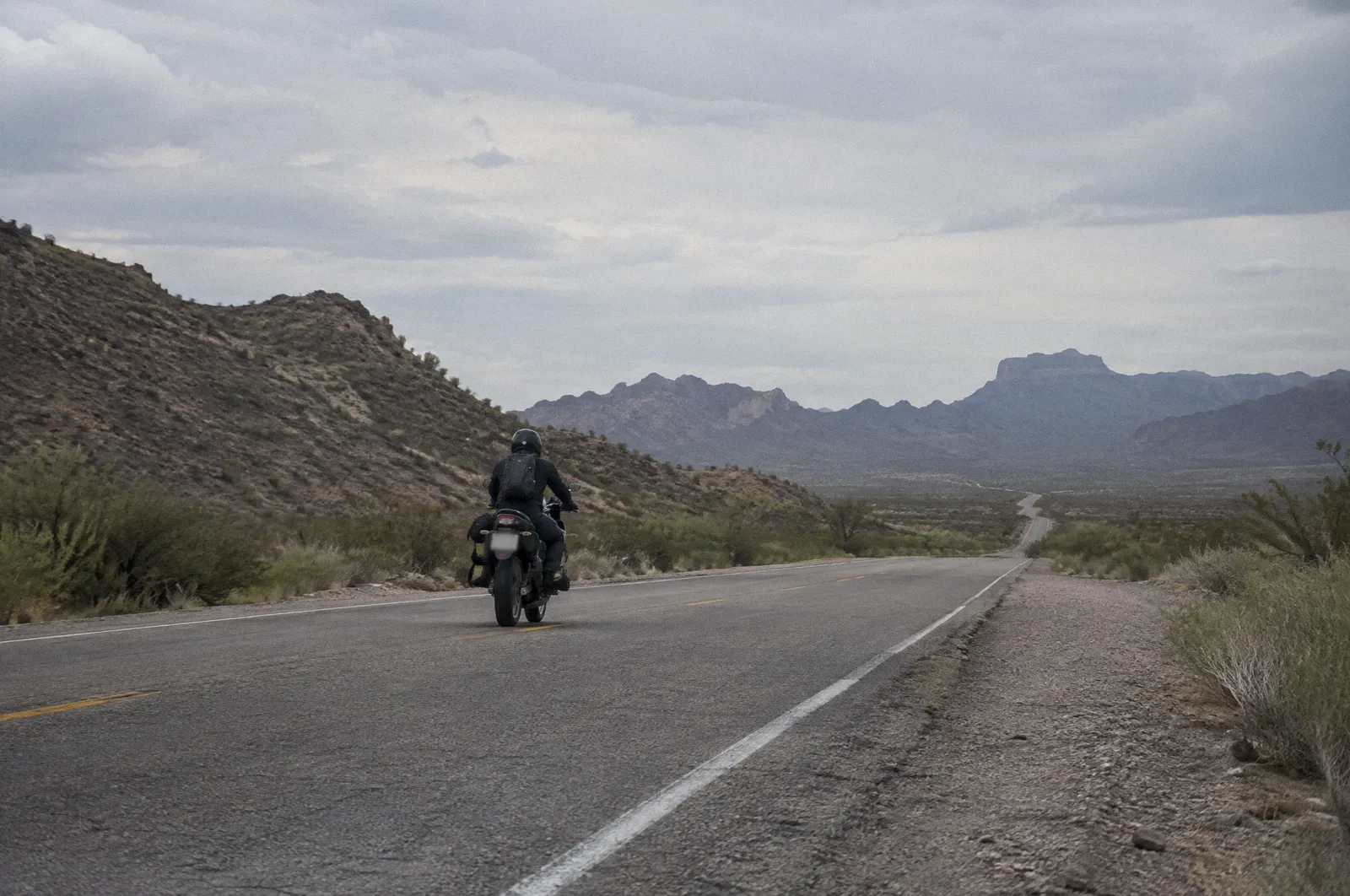
Motorcycle Accident Lawyer in Scottsdale: Riders Take the Hit
A motorcycle crash in Phoenix is rarely close in outcome. The rider has none of the structural protection a driver has, and any contact with a vehicle, a barrier, or the road translates almost directly to the body. The injuries we see in motorcycle cases include traumatic brain injury, spinal damage, road rash that requires grafting, fractures, and amputations. Our page on motorcycle crash injuries covers them in more detail. For how these claims work across the rest of the state, see our Arizona motorcycle lawyer page.
The legal fight in most motorcycle cases is not really about whether the driver was at fault. It is about insurance company assumptions that the rider must have done something wrong because the rider got hurt. Valley Accident Law has spent 32 years pushing back on that. Founder Charles Paglialunga is a Multi-Million Dollar Advocates Forum member.
If you are searching for a motorcycle accident attorney near me, you can start with a free case review. We are a motorcycle accident attorney in Scottsdale for riders hurt across the Phoenix metro, and as an Arizona motorcycle accident attorney we also represent riders hurt in Fountain Hills. If you are looking for a Fountain Hills motorcycle accident lawyer, the same case review is open to you.
What Causes Phoenix Motorcycle Crashes
Most of the cases we see involve a driver who:

- Turned left across the rider's path at an intersection.
The most common pattern in motorcycle litigation.
- Changed lanes into the rider
because they did not check the blind spot.
- Followed too closely
and rear-ended a motorcycle stopped at a light.
- Opened a car door
into the rider's lane.
- Drove distracted or impaired,
including drunk driving cases that often qualify for punitive damages.
- Failed to yield
at a stop sign or controlled intersection.
Arizona
Why Scottsdale Roads Present Serious Risks for Motorcyclists
Scottsdale's road network creates hazards that compound the vulnerability motorcyclists face every time they ride. High-speed arterials like Scottsdale Road and Pima Road carry heavy commuter traffic. Intersections along Camelback Road and Indian Bend Road see frequent left-turn violations where drivers misjudge a motorcycle's speed and cut directly into its path. The physics of riding is simple: when a rider is thrown from a bike, there is nothing between the body and the pavement. Common causes of Scottsdale motorcycle accident crashes include:
- Drivers failing to yield at uncontrolled intersections
- Distracted driving, especially cell phone use
- Unsafe lane changes on Loop 101 and US-60
- Road defects, loose gravel, and expansion joint gaps
- Rear-end impacts at traffic signals
Each cause creates different evidence requirements and different liability arguments, which is why the specific facts of each crash matter so much. Single-vehicle motorcycle cases also exist (defective road conditions, defective parts, debris) and we handle those as well, though they are evidence-heavy and require different proof.
Scottsdale Road
High-speed arterial carrying heavy commuter traffic.
Pima Road
High-speed arterial carrying heavy commuter traffic.
Camelback Road
Intersections with frequent left-turn violations.
Indian Bend Road
Intersections with frequent left-turn violations.
Loop 101
Unsafe lane changes are a recurring cause of crashes.
US-60
Unsafe lane changes are a recurring cause of crashes.
Arizona Motorcycle Law and Comparative Fault
Motorcycle accident claims in Scottsdale follow Arizona's comparative fault system, which means a shared-fault finding does not end your case. Injured riders can seek compensation from the at-fault driver's insurance company for medical bills, lost wages, and pain and suffering. Learn how we handle motorcycle accidents to understand what your case may involve.
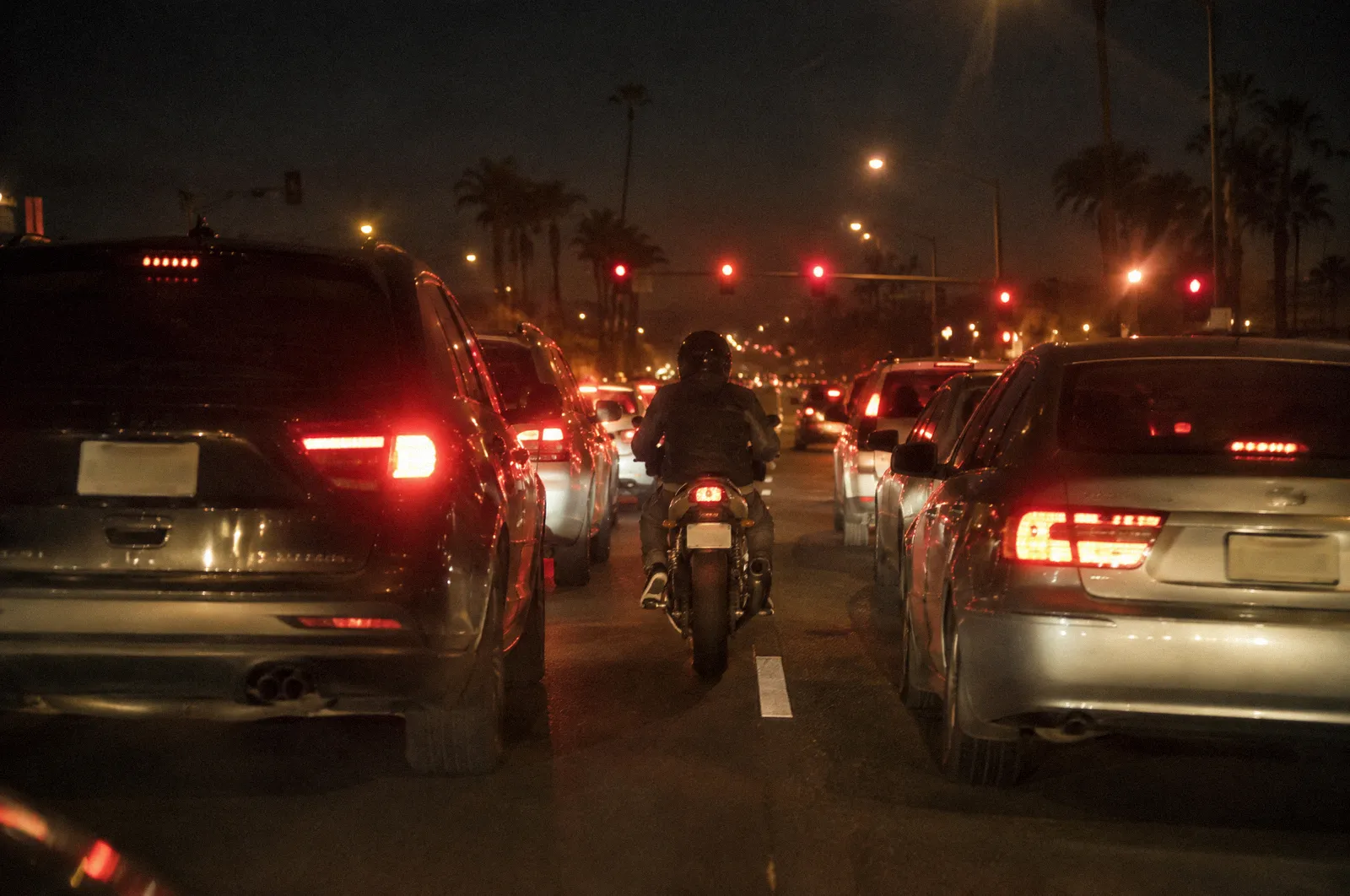
Arizona requires motorcycle riders to carry liability insurance and a valid motorcycle endorsement. Helmets are required for riders under 18 but not for adult riders (A.R.S. 28-964). Eye protection is required for operators unless the bike has a windscreen. Lane filtering became legal on Sept 24, 2022 under A.R.S. 28-903(F), but only with traffic stopped, two or more lanes in the same direction, a posted limit of 45 mph or less, and the rider at 15 mph or less. Our guide to Arizona's lane filtering law explains it. Riding between lanes outside those conditions can come up in defense arguments.
These rules occasionally come up in defense arguments. The most common one is "the rider was not wearing a helmet." Helmet status does not change who caused the crash. It can affect head-injury damages in some cases, and we address that with medical experts when it matters.
Arizona follows a pure comparative fault rule under A.R.S. 12-2505. This statute allows an injured rider to recover compensation even when partially at fault. The court reduces the total damages award by the plaintiff's percentage of fault but does not eliminate the award entirely. A rider found 30 percent responsible for a crash still collects 70 percent of total damages. You can read more about comparative negligence in Arizona.
Why "The Rider Must Have Been Speeding" Is the Default Adjuster Line
Insurance adjusters often assume the rider was at fault. Speeding, lane splitting or filtering outside the legal limits, aggressive lane changes, weaving, and "loud pipes" all show up in the claim notes whether the evidence supports them or not. We document the actual scene. Skid marks (or lack of them), debris field, witness statements, traffic camera footage, vehicle damage patterns, and accident reconstruction usually tell the truer story. Arizona is pure comparative fault, so even if the rider shares some responsibility, recovery is reduced by that percentage and not eliminated.
Insurance companies and attorneys often negotiate the percentage of fault. Insurance adjusters rely heavily on comparative fault arguments in motorcycle accident cases. They may claim you were speeding, failed to signal, wore inadequate gear, or violated lane-use rules. These arguments are designed to shift blame and reduce the payout. Having a motorcycle accident lawyer review the evidence before you respond to any insurer prevents you from inadvertently conceding fault.
The insurance company for the at-fault driver is not your ally. Its financial incentive is to resolve your claim for as little as possible. Adjusters who handle motorcycle accidents often start from the assumption that the rider was at fault, which produces low initial offers that do not reflect actual damages. Tactics you may encounter include:
- Requesting your complete medical history to identify pre-existing conditions to blame
- Claiming road conditions caused the crash to remove liability from their insured
- Arguing that your choice of gear contributed to your injuries
- Pressuring you to accept a quick settlement before your injuries are fully diagnosed
Once you accept a settlement and sign a release, the claim is closed. If your injuries require additional surgery or produce long-term complications, you have no further claim against the at-fault insurer. This timing problem is especially serious in motorcycle accidents, where spinal and brain injuries can take months to stabilize. A motorcycle accident lawyer can negotiate from the full picture of your losses, including future medical costs, rather than the incomplete picture the insurer presents early in the process. Our guide to talking to insurance adjusters covers what to say and what to avoid.
Arizona
What a Motorcycle Case Is Worth
Categories of damages include:
- Past medical bills (ER, surgery, ICU, rehab, ongoing care)
- Future medical care, often the largest single item in serious cases
- Lost wages and reduced earning capacity (riders who cannot return to physical work)
- Pain, suffering, disfigurement, scarring
- Loss of consortium for serious injuries
- Wrongful death damages where the rider did not survive
- Punitive damages where the driver was drunk, impaired, or fled the scene
What Compensation May Cover in Motorcycle Accident Claims in Scottsdale
Injured riders may recover two broad categories of damages. Insurance limits matter. Arizona minimum liability coverage is low ($25,000 per person and $50,000 per accident for bodily injury, and $15,000 for property damage, under A.R.S. 28-4009) and often not enough to cover serious motorcycle injuries. Your own uninsured and underinsured motorist coverage frequently makes the difference between a real recovery and one that exists only on paper. Arizona does not cap personal injury or death damages.
Wrongful death claims arise when a motorcycle crash takes a life. Under A.R.S. 12-612, a surviving spouse, child, parent or guardian, or personal representative may bring a wrongful death action against the at-fault party, for the benefit of the spouse, children, parents, or the estate if none survive. Recoverable losses include funeral expenses, loss of financial support, and loss of companionship. Motorcycle accidents often produce catastrophic injuries that generate costs over decades. Calculating those future losses accurately requires testimony from medical and economic experts. Filing without that analysis typically produces a settlement that leaves significant money on the table.
Economic damages cover losses with a clear dollar value:
- Emergency room and hospital costs
- Surgery, physical therapy, and follow-up care
- Future medical treatment for permanent or long-term injuries
- Lost wages during recovery
- Reduced earning capacity if the injury prevents a return to prior work
- Motorcycle repair or replacement
Non-economic damages cover losses without a fixed price:
- Pain and suffering
- Emotional distress
- Loss of enjoyment of life
- Permanent scarring or disfigurement
What to Do After a Motorcycle Crash
What you do in the hours after a crash directly affects the strength of your claim. The following steps protect your ability to pursue fair compensation. At the scene: call 911 and wait for law enforcement. A police report creates an official record. Photograph the road surface, your motorcycle, any motor vehicle involved, skid marks, and nearby traffic controls. Get the other driver's license, insurance, and registration. Collect contact information from any witnesses present. In the days that follow: keep all medical records and bills organized, write out your own account of the crash while the details are fresh, and avoid posting about the accident or your injuries on social media, where insurers routinely search for material to use against claimants.
- 1
If you can, document the scene.
Photograph the bike, the vehicles, the road, the helmet (if you were wearing one), and your gear.
- 2
Get the other driver's insurance information
and witness contact information.
- 3
Get medical attention immediately,
including for injuries that feel minor. Seek a complete medical evaluation even if you feel well, because traumatic brain injury and internal injuries do not always produce immediate symptoms, and some riders notice no or seemingly minor symptoms at first.
- 4
Save the bike and gear.
Do not throw anything away while your claim is open.
- 5
Do not agree to a recorded statement.
Do not give recorded statements to the at-fault driver's insurance company before speaking with an attorney. Adjusters are trained to ask questions in ways that produce admissions. A recorded statement made without legal counsel can significantly undermine your claim.
- 6
Ask about video quickly.
Surveillance footage from intersections and nearby businesses is often overwritten quickly. If video evidence of the crash may exist, having a lawyer send a preservation letter quickly can be decisive.
What happens when
The Two-Year Filing Window
Most Arizona motorcycle injury cases must be filed within two years. Personal injury claims in Arizona also carry a strict two-year statute of limitations under A.R.S. 12-542. That clock starts on the date of the crash. Missing the deadline will under most circumstances bar the claim, regardless of how serious the injuries are. The same two-year period applies to most motor vehicle crash claims, including those involving commercial trucks and rideshare drivers. If you are unsure whether comparative fault applies to your situation or whether the filing deadline still leaves you time to act, a direct conversation with a motorcycle accident lawyer is the clearest path forward. These rules have exceptions, so call us and we will explain how they apply to you. See our Arizona statute of limitations guide.
2 years
Injury claim against a private driver
Most motorcycle injury claims must be filed within two years (A.R.S. 12-542(1)).
180 days
Government vehicle
Government-vehicle cases require a notice of claim within 180 days (A.R.S. 12-821.01), and a lawsuit against the public entity must follow within 1 year after the claim accrues (A.R.S. 12-821).
2 years from death
Wrongful death
Wrongful death claims also follow the two-year rule, running from the date of death (A.R.S. 12-542(2)). See our wrongful death lawyer page.
How a Motorcycle Injury Claim Moves Forward
Most motorcycle injury claims move through the same basic stages: an insurance investigation, a demand for compensation once treatment stabilizes, negotiation, and litigation if the insurer will not offer a fair number. As a motorcycle accident lawyer in Scottsdale, we build the fault case early, while the scene evidence, vehicle damage, and witness memory are still fresh.
Medical documentation carries particular weight in motorcycle cases because injuries are often severe enough to involve multiple specialists, including orthopedic surgeons, neurologists, and sometimes reconstructive surgeons for road rash grafting. The at fault driver's insurer may request a recorded statement or ask you to sign a broad medical authorization. Neither is generally required, and signing before we review it can give the adjuster access to unrelated medical history used to argue your injuries came from somewhere else. If a fair settlement is not reached, motorcycle accident litigation lets us put the evidence in front of a court instead of an adjuster.
What to Expect From a Motorcycle Accident Lawyer in Scottsdale
If you were hurt on a motorcycle, the most useful thing you can do right now is get medical care and hold onto everything: the bike, your gear, your medical records, and any correspondence from an insurance company. Beyond that, let us carry the rest. Our experienced and friendly attorney will explain your legal rights, walk you through what your claim will likely involve, and start building your case while you focus on recovery. You pay no attorney fee unless we recover money for you. The earlier you call, the better, but it is never too late to find out where you stand.
A motorcycle lawyer who focuses on riders will keep you updated at every stage, so you are never left guessing where things stand.
Arizona
Motorcycle Accident Help in Other Valley Cities
We are based in Scottsdale and also help people hurt in these Valley cities. Each city page covers the local roads, courts and police agencies that matter to a claim there.
Questions
Questions about Scottsdale motorcycle accident cases
Does not wearing a helmet hurt my case?
It does not affect liability for the crash. It can affect head-injury damages in some cases, and we handle that with medical experts when it comes up.
The driver said I was speeding. What now?
Driver statements are not evidence. We work with reconstruction and the actual scene record, which usually tells a different story.
Is lane splitting legal in Arizona?
Not in general, but Arizona now allows lane filtering in limited conditions under A.R.S. 28-903(F): traffic stopped, two or more lanes in the same direction, a posted limit of 45 mph or less, and the rider at 15 mph or less. If lane filtering or splitting was a factor, we deal with it. Comparative fault rules still let riders recover when the driver caused the crash.
What if the driver had minimum coverage?
Your own UM/UIM coverage may apply. We look at every layer, including any household policies and umbrella coverage.
How long does a motorcycle case take?
Many cases resolve in 9 to 24 months. Serious injury cases sometimes longer, because we wait for medical treatment to stabilize before valuing future care. Most motorcycle injury claims take several months once treatment is complete, since we do not send a demand until your medical picture is stable. Straightforward liability cases with a cooperative insurer can resolve within that window. Cases that move into litigation, or those involving an injury that still needs ongoing care, generally take longer. We keep you updated at every stage so you are never left guessing where things stand.
The insurance company already offered me a settlement. Should I take it?
Not before we look at it. Early offers are usually calculated before the full extent of your injuries or future medical needs are known, and accepting one will under most circumstances close your case permanently, even if complications show up later. As your motorcycle accident attorney, we review any offer against your actual medical picture before you sign anything. There is no obligation to have us take a look first.
What if the motorcycle I was riding was not mine?
You can still pursue a claim. Fault is based on how the crash happened, not who owns the bike, though ownership and coverage on the motorcycle itself can affect which policies come into play. We sort out which coverages apply, including the owner's policy and your own, as part of building the claim. This is a common wrinkle in motorcycle injury lawyer cases and one we handle regularly.
What happens if the other driver has no insurance at all?
Your own uninsured motorist coverage, if you carry it, is typically where a claim like this goes next. We review your policy, along with any household or umbrella coverage, to identify every source that may apply. Looking at your full insurance picture early, rather than after a low offer arrives, is part of how we approach every motorcycle accident case. It is one of the more common issues we run into as a motorcycle attorney.
What if the at-fault driver has no insurance or left the scene?
Arizona law under A.R.S. 20-259.01 requires insurers to offer uninsured and underinsured motorist coverage in writing. If you accepted that coverage, your own policy may compensate you after a hit-and-run or an uninsured driver collision. Your own insurance company also has a financial incentive to minimize the payout, so legal representation still matters even when the claim runs through your own policy.
How long do I have to file a motorcycle accident claim in Arizona?
Arizona's statute of limitations for personal injury cases is two years from the date of the crash under A.R.S. 12-542. Wrongful death claims carry a two-year window from the date of death under A.R.S. 12-542(2). Missing either deadline will under most circumstances end the right to recover. Contact a motorcycle accident lawyer promptly so the deadline is never a factor in your case.
What if I was partly at fault for the crash?
Arizona's comparative fault rule under A.R.S. 12-2505 reduces your damages by your percentage of fault but does not bar recovery entirely. Even if you were found 40 percent responsible, you can still recover 60 percent of total damages. The insurance company will argue for a higher fault share on your end. An attorney can counter those arguments with evidence and, when warranted, accident reconstruction testimony.
Can family members file a claim if a loved one died in a motorcycle crash?
Yes. Arizona's wrongful death statute allows a surviving spouse, child, parent or guardian, or personal representative to bring a claim against the at-fault party (A.R.S. 12-612). You pay no attorney fee unless we recover money for you. The statute of limitations for wrongful death is two years from the date of death.
Does Valley Accident Law charge upfront fees?
You pay no attorney fee unless we recover money for you. The free case review is also no-obligation, so you can get a direct assessment of your motorcycle accident claim and no commitment is required before deciding how to proceed.
Will my case have to go to court?
Most motorcycle injury claims resolve through negotiation and never reach a courtroom. If a fair resolution is not on the table, we will discuss the next step with you directly. You will know what to expect at each stage before we get there.
Free case review
Let Us Answer Your Questions and Help With Your Case
Motorcycle accident claims in Scottsdale move quickly, and the steps you take in the first days determine how strong your case becomes. Valley Accident Law has handled personal injury cases across the Phoenix metro for 32 years. Start with a free case review at Contact or call (602) 584-8054. The earlier you call, the better, but it's never too late to find out your legal rights. We will explain your legal rights.
Call any time. Office visits Monday to Friday, 9 to 5.
Thank you, we’ve received your request.
A member of our team will reach out shortly. If your matter is urgent, call us now at (602) 584-8054.