
Scottsdale Motorcycle Crash Injuries
Motorcycle Crash Injuries: What Riders in Scottsdale Face and Why Records Matter
Motorcycle crash injuries are often serious because a rider has no frame, airbag or seat belt between the body and the road. Common injuries include broken bones, road rash, head injuries and spinal injuries, and some do not show their full extent for days. This page describes those injuries and explains why careful medical and personal records matter to a claim, and Arizona gives you two years from the crash to file (A.R.S. 12-542). It is general information and not medical advice.

- Filing deadline
- 2 years from the crash
- A.R.S. 12-542(1)
- Helmet law
- Required under 18, operator and passenger
- A.R.S. 28-964
- Fault rule
- Pure comparative fault, no percentage bar
- A.R.S. 12-2505
Why Motorcycle Injuries Are So Often Serious
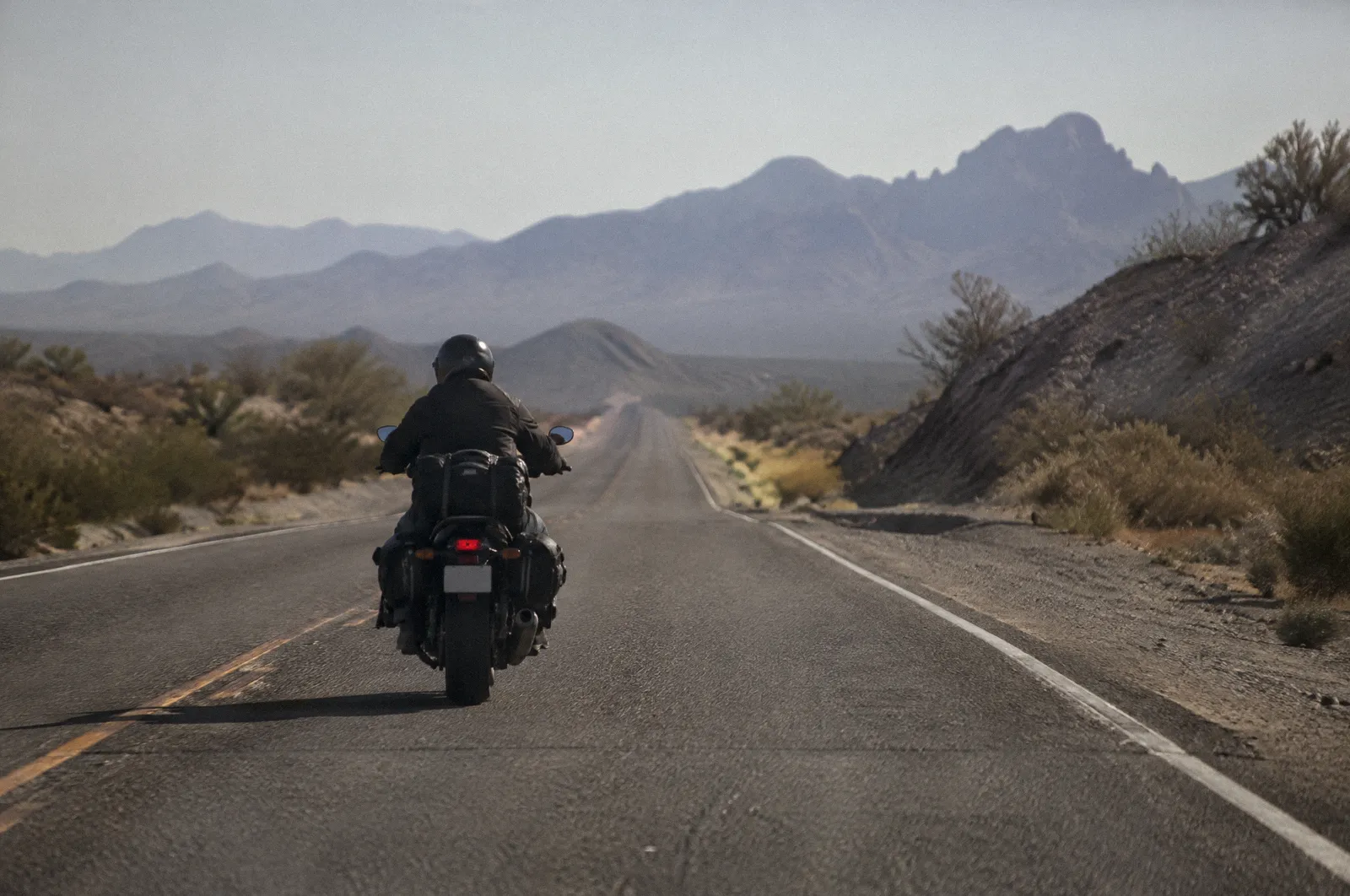
When a car hits a car, the vehicles take much of the force. When a car hits a motorcycle, the rider takes it. A rider is exposed to the impact, to the pavement and to whatever the rider hits next, and a fall at even moderate speed can cause lasting harm. That is why motorcycle injuries tend to involve broken bones, deep skin injuries and harm to the head and spine rather than only bruises and strains.
Our page for a motorcycle accident lawyer in Scottsdale explains how we handle rider claims in general. This page focuses on the injuries themselves, how they are usually described, and the records that connect them to a crash. Arizona's roads see plenty of riders year round, from Scottsdale Road to the Loop 101, so the questions below come up often.
Common Motorcycle Injuries
The list below describes injuries that riders and their providers commonly report after a crash. Every person is different, and only a medical professional can say what applies to you.
- Head and brain injuries
A blow to the head can cause a concussion or a more serious brain injury, sometimes with symptoms that show up later. Read more about brain injury claims.
- Spinal and back injuries
Impact and twisting can injure the spine, from sprains and herniated discs to damage that affects movement and feeling. See our pages on spinal cord injury and back and neck injuries.
- Broken bones
Legs, ankles, wrists, collarbones and ribs are commonly injured when a rider is thrown or pinned. Our page on broken bone claims explains how these are handled.
- Road rash
Sliding on pavement can scrape away skin and, in deeper cases, tissue underneath. Some road rash heals with little trace, and some leaves scars. See our page on scarring and disfigurement.
- Internal injuries
Impact can injure organs and cause bleeding that is not visible from the outside. Emergency providers check for this because a rider may not feel it at first.
- Crush injuries and amputation
A rider can be pinned under the motorcycle or another vehicle, and severe crush injuries can lead to the loss of a limb. Our page on amputation explains how those claims work.
- Nerve and joint injuries
Shoulders, knees and hands often take the force of a fall, and nerve damage can cause numbness, weakness or pain that continues after the bones heal.
Types of Road Rash and How Providers Describe Them
Road rash is a skin injury from sliding on pavement. Medical providers often describe it by depth, in a way similar to how burns are described. We describe these terms for information only and cannot tell you which one applies to your injury.
| Common description | What it generally means | Why it matters for a claim |
|---|---|---|
| First degree, or superficial | Only the top layer of skin is scraped or reddened. | Photos taken early show what the injury looked like before it healed. |
| Second degree, or partial thickness | Deeper layers of skin are injured, often with blistering and pain. | Treatment records and follow-up visits show how long healing took. |
| Third degree, or full thickness | The skin is damaged all the way through and deeper tissue may be affected. | These injuries can involve surgery, scarring and long-term effects that belong in a claim. |
Source: General medical terms for abrasion injuries, summarized for information only; ask your treating provider how your injury is classified

Helmets, Protective Gear and Fault
Arizona requires a helmet for motorcycle operators and passengers under 18, and requires eye protection for operators unless the motorcycle has a windshield (A.R.S. 28-964). An insurance company may still try to argue that a rider's gear made an injury worse. Arizona uses pure comparative fault (A.R.S. 12-2505), so any share of fault assigned to you reduces your recovery but does not bar it, and insurance companies and attorneys often negotiate the percentage. Keep your helmet and gear after a crash, because they are part of the record.
Motorcycle Injury Statistics: What the Numbers Do and Do Not Show
Many people search for motorcycle injuries statistics after a crash, hoping to learn what to expect. Public agencies such as NHTSA and the Arizona Department of Transportation, through its Crash Facts reports, publish yearly summaries of motorcycle crashes, injuries and deaths. We encourage you to read the current edition rather than rely on a number quoted on a website, including ours, because the figures change every year.
Statistics describe groups of people, not you. They cannot say how your injury will heal or what your claim is worth. Whatever the numbers say, the records you build after your own crash are what matter to your claim. Our guide on what a personal injury case is worth explains the pieces of a claim.
Arizona
Why Records Matter After a Motorcycle Crash
A claim is built on what can be shown. We cannot give medical advice, and you should follow your own providers' instructions, but you can keep a clear record of what happened to you.
- Emergency room or urgent care records from the day of the crash, which timestamp your injuries.
- Follow-up visits, imaging results and referrals, including any visit you could not keep and why.
- Photos of your injuries, taken early and again as they change, including road rash.
- Your helmet, jacket, gloves and boots, kept as they were after the crash.
- A short daily note of pain, limits and missed activities, including symptoms that show up days later.
- Bills, receipts and pay stubs that show medical costs and lost income.
- The police report and photos of the scene, taken if safely possible before any vehicle is moved.

How Medical Bills Get Paid While a Claim Is Pending
Many riders pay for treatment through a health plan while a claim is pending. Whether a particular plan covers a particular injury depends on the plan, and some riders also have medical payments coverage on their own policy. Health plans, hospitals and government programs may seek reimbursement from a settlement, which is called a lien, and the rules differ by type. Our guide on medical liens explains the basics.
Do not delay treatment because of billing worries, and talk to your providers about options. If you have questions about how a bill, a plan or an insurer's request affects your claim, call us before you agree to anything.
Talking to Us About Your Injuries
Valley Accident Law offers a free case review so you can understand your legal rights before you decide anything. You pay no attorney fee unless we recover money for you. We cannot tell you how to treat an injury, but we can explain how your records and your injuries fit into a claim.
Our experienced and friendly attorney will explain how a claim may work. Our office is at 5635 N Scottsdale Rd, Suite 170, Scottsdale, AZ 85250. Call (602) 584-8054 or send us a message. The earlier you call, the better, but it's never too late to find out your legal rights.
Questions
Questions about Scottsdale motorcycle crash injuries
What are the most common injuries after a motorcycle crash?
Broken bones, road rash, head injuries and back or spinal injuries are among the most commonly reported. Internal injuries and nerve or joint damage are also seen. A medical professional is the only person who can tell you which injuries you have.
Does health insurance cover motorcycle accident injuries?
It depends on your plan, so check with your insurer and your providers. Many riders use a health plan while a claim is pending. Keep in mind that a plan, a hospital or a government program may later ask to be repaid from a settlement, so ask us before you agree to any repayment terms.
What are the types of road rash?
Providers often describe road rash by depth, from a superficial scrape to damage that goes all the way through the skin. Ask your treating provider how your injury is classified, and take photos of it early and as it changes.
Can symptoms show up days after a crash?
Yes. Adrenaline can hide pain, and some riders have no or seemingly minor symptoms at first. Getting checked by a medical professional creates a record that connects the crash to your injuries, and you should tell your provider about any new symptoms.
Will not wearing a helmet hurt my claim?
Arizona requires helmets for riders under 18 (A.R.S. 28-964), and an insurer may still raise the issue for adult riders. Because Arizona uses pure comparative fault, any share assigned to you reduces your recovery rather than barring it. Call us and we will explain how this applies to your facts.
How long do I have to file a motorcycle injury claim?
Arizona's general deadline is two years from the date of the crash (A.R.S. 12-542). A government vehicle changes the timing, with a notice of claim due within 180 days (A.R.S. 12-821.01). These rules have exceptions, so call us and we will explain how they apply to you.
Free case review
Talk to Us About Your Injuries
Call (602) 584-8054 or request your free case review. We will explain your legal rights and what we see in your facts. The earlier you call, the better, but it's never too late to find out your legal rights.
Call any time. Office visits Monday to Friday, 9 to 5.
Thank you, we’ve received your request.
A member of our team will reach out shortly. If your matter is urgent, call us now at (602) 584-8054.