
Scottsdale Slip and Fall Lawyer
Slip and Fall Lawyer in Scottsdale for Injuries on Someone Else's Property
A slip and fall lawyer in Scottsdale can help if you were hurt on a store floor, a sidewalk, a parking lot, a hotel, or someone's home because the property was not kept reasonably safe. These are premises liability claims, and they usually turn on what the owner knew and when. Most Arizona injury claims must be filed within two years (A.R.S. 12-542(1)), and a fall on government property has a much shorter 180-day notice rule (A.R.S. 12-821.01).
- Filing deadline
- 2 years from the injury for most claims
- A.R.S. 12-542(1)
- Government property
- Notice of claim within 180 days
- A.R.S. 12-821.01
- Fault rule
- Pure comparative fault, no percentage bar
- A.R.S. 12-2505
- Injured minors
- Limitations period paused until age 18
- A.R.S. 12-502
Slip and Fall Lawyer in Scottsdale: Injured on Someone Else's Property
A fall can happen in a second and change your life for months or years. A wet floor at a grocery store, a cracked walkway outside a restaurant, a dark stairwell at a rental, or a loose handrail at a resort can all lead to broken bones, head injuries, and back injuries. The person who owns or controls the property may be responsible when they did not keep it reasonably safe. For how these claims work across the rest of the state, see our Arizona slip and fall lawyer page.
Valley Accident Law represents people hurt in the Phoenix metro, and our attorney, Charles Paglialunga, has 32 years of Arizona accident experience. We will look at what happened, who controlled the property, and what they knew, and then we will explain your legal rights in plain language. Request your free case review when you are ready.
If you searched for a slip and fall attorney, you may already have heard from an insurance adjuster who sounded friendly and asked for a recorded statement. That call is the first step in building a file about you, and we would like you to hear from us before you agree to it.
Common Causes of Slip and Fall Injuries
Falls happen in predictable places, and each cause points toward a different responsible party.
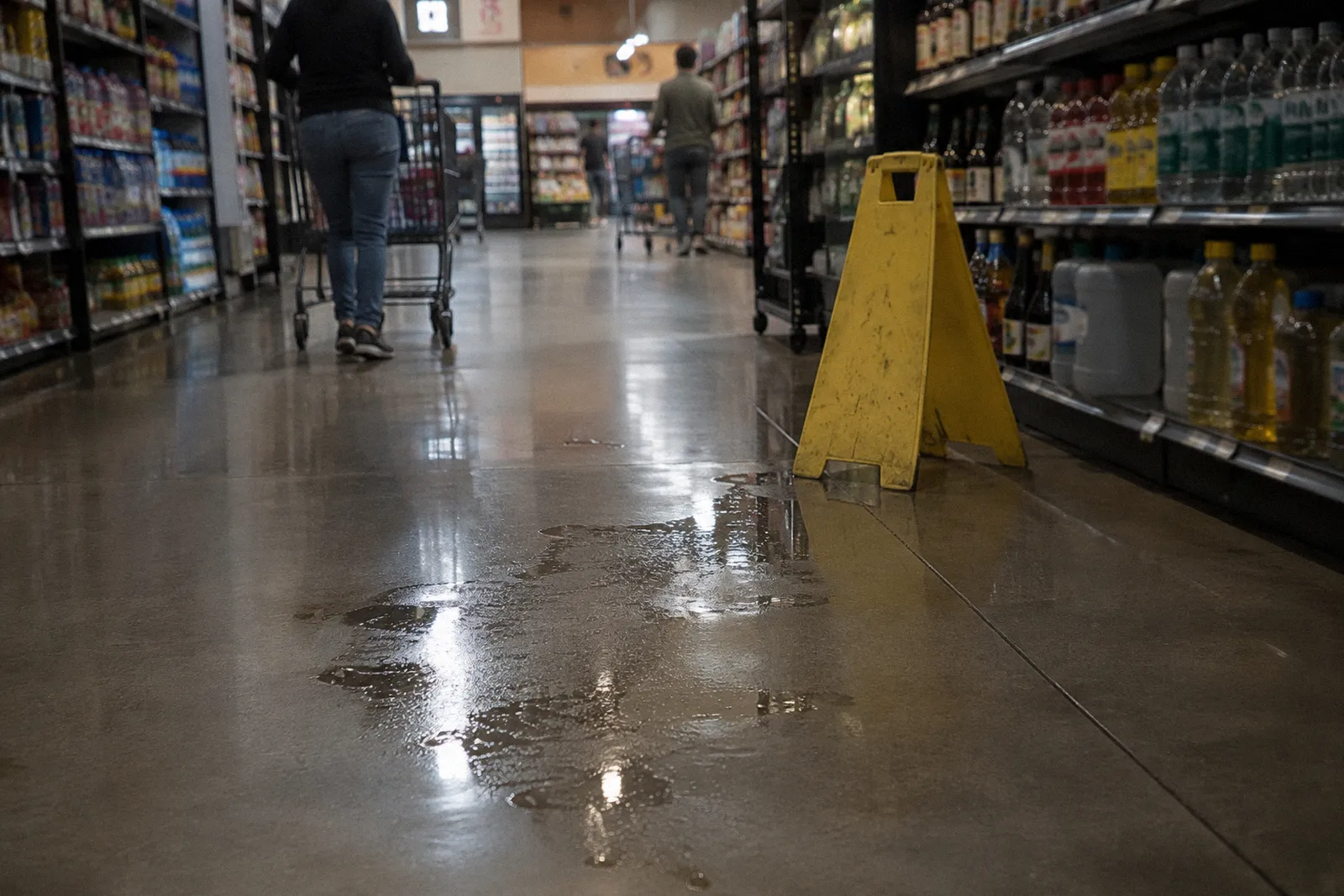
- Spills and wet floors
Spills in stores and restaurants, and rain tracked inside entrances during monsoon season, when no one cleaned them up or put out a warning.
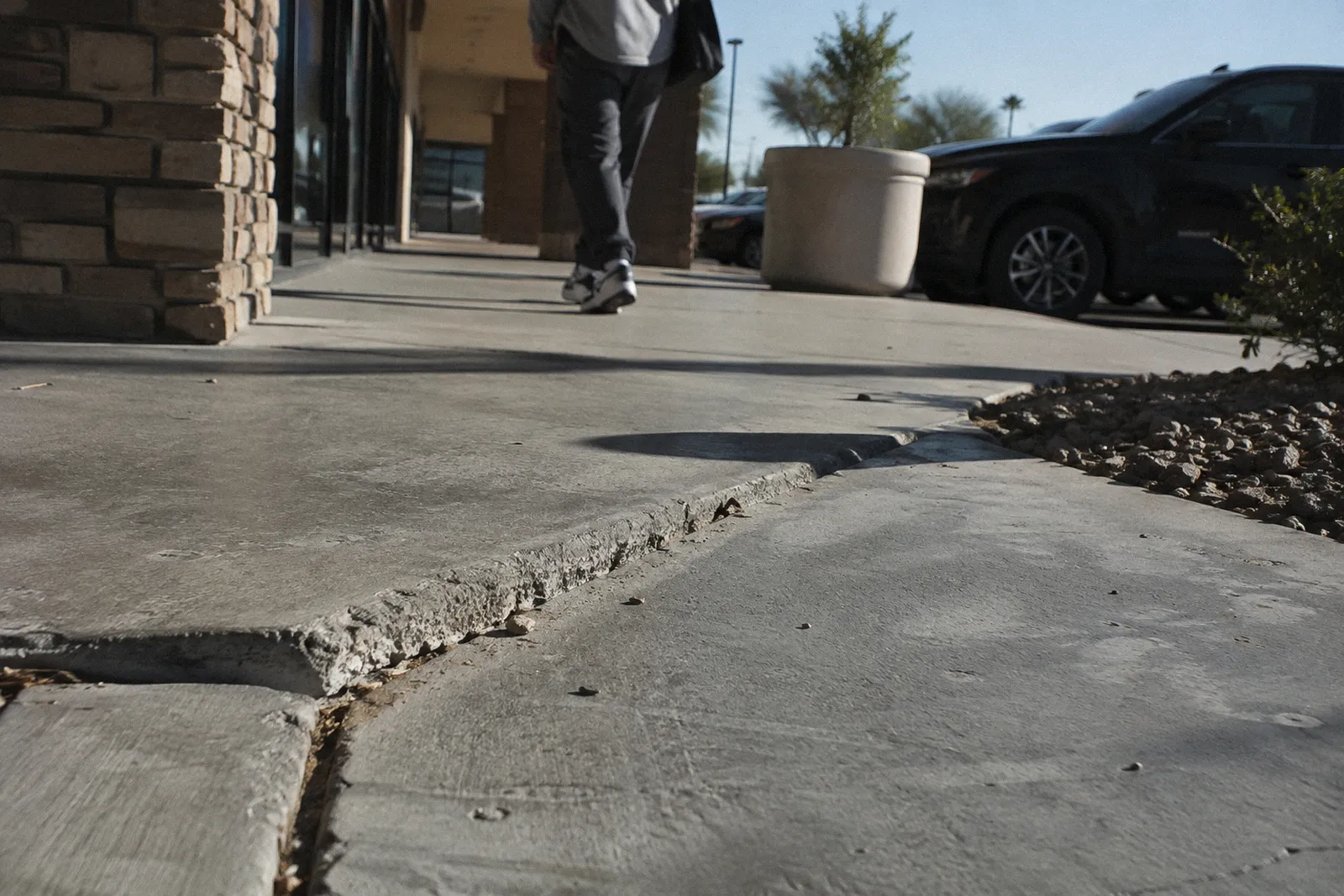
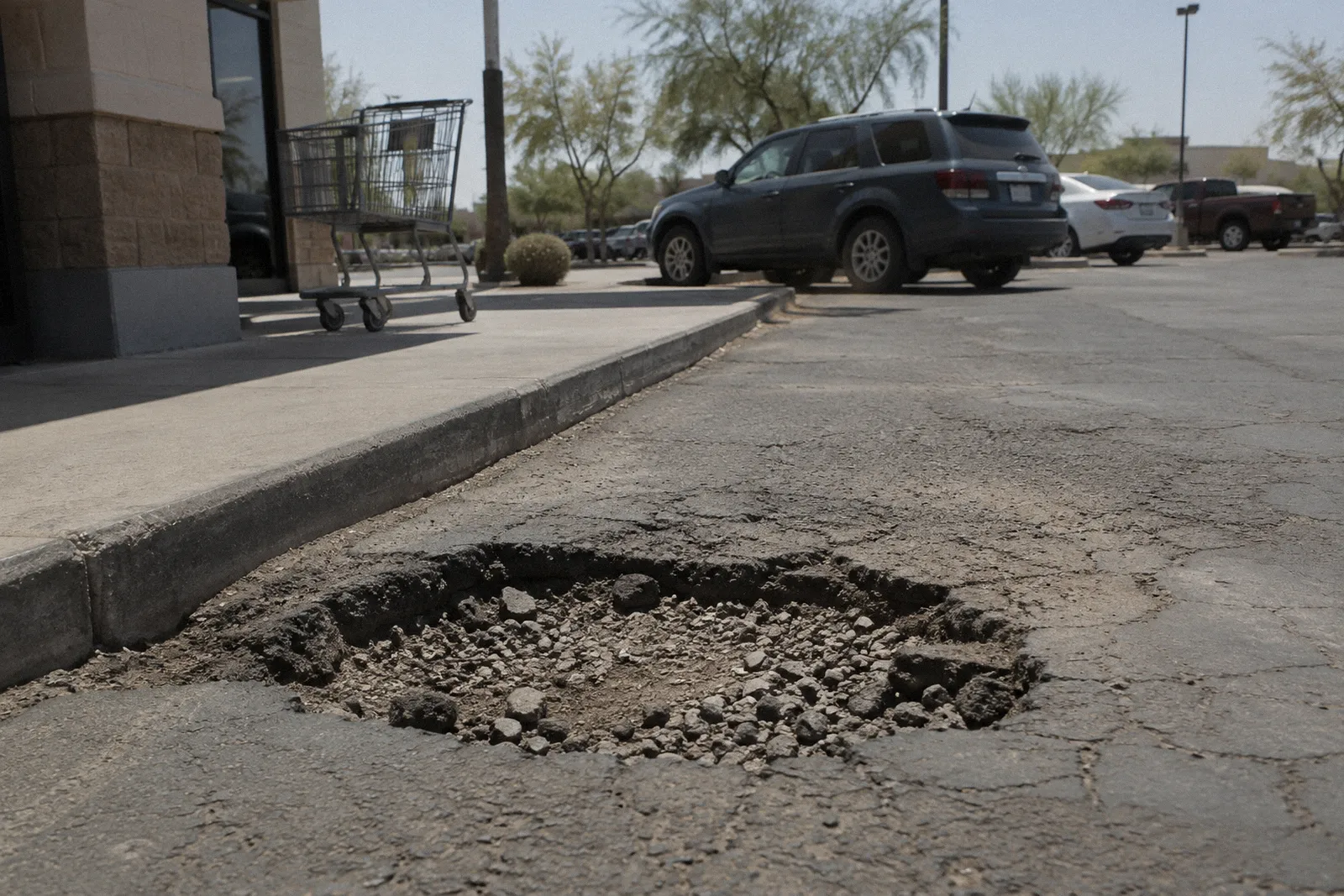
- Uneven or broken walkways
Cracked sidewalks, raised pavers, loose tiles, and potholes in parking lots.
- Poor lighting
Dark stairwells, parking garages, and entrances where a hazard cannot be seen.
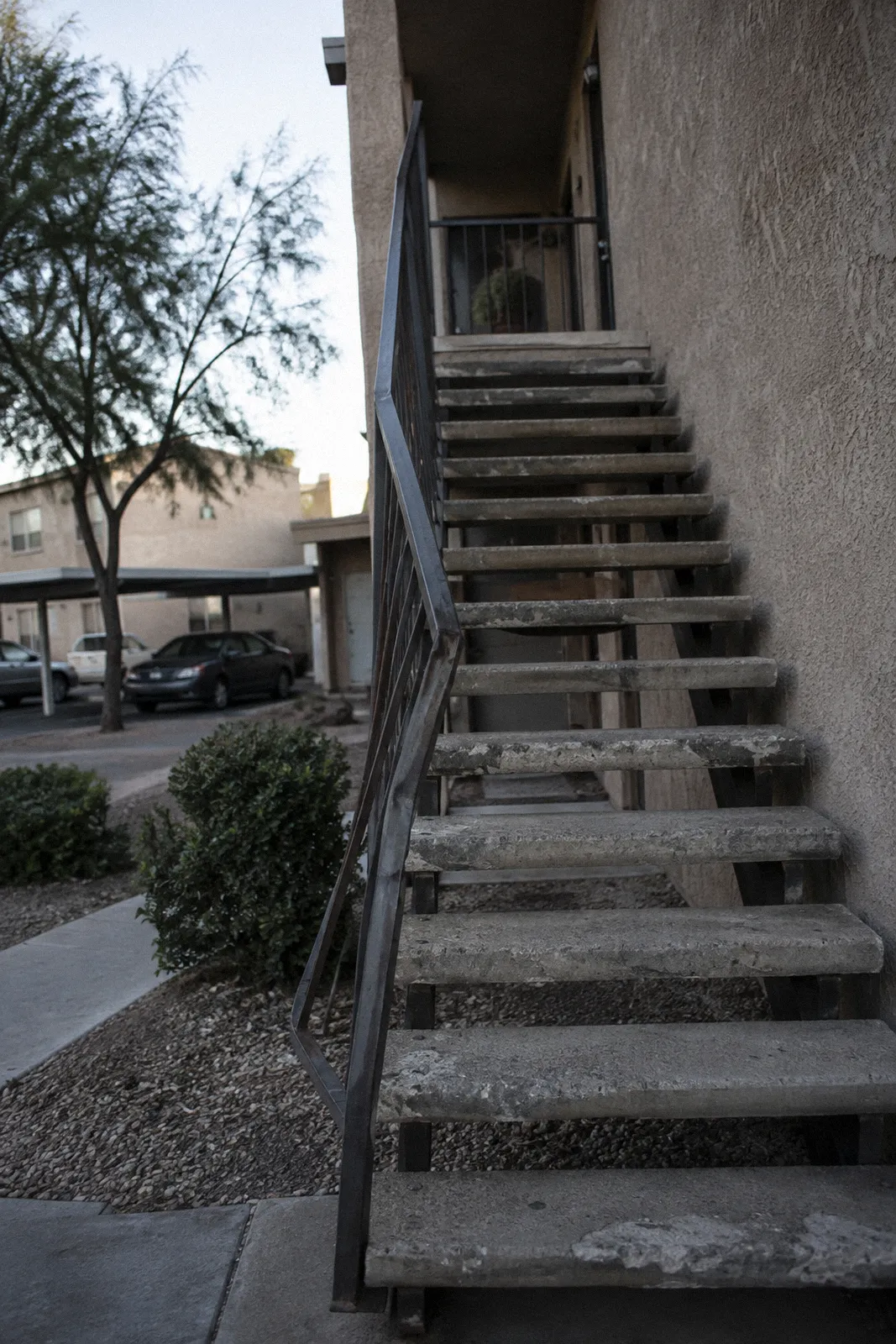
- Stairs and handrails
Broken steps, missing or loose handrails, and stairs that are not marked or lit.
- Torn carpet and loose mats
Frayed flooring in hotels, offices, and apartment buildings that catches a foot.
- Pool decks and resort grounds
Wet surfaces, missing grip, and walkways that guests use all day around resort pools.
Premises Liability in Arizona: The Basics
Premises liability is the area of law that covers injuries caused by unsafe conditions on someone's property. In general terms, a property owner or occupier has a duty to use reasonable care to keep the property safe, and the duty can depend on why a person was on the property. The rules for a customer, a guest, and a person who had no permission to be there are not the same.

The key question is usually what the owner knew. A claim is often strongest when the owner or an employee created the hazard, knew about it and did nothing, or should have known about it because it had been there long enough to be found and fixed. That is why a premises liability attorney asks for inspection logs, cleaning schedules, and camera footage early.
Owners and their insurance companies tend to answer with a different argument: that you should have seen the hazard. Arizona uses pure comparative fault (A.R.S. 12-2505), so your recovery may be reduced by your share of fault, but no percentage bars you. Insurance companies and attorneys often negotiate the percentage of fault, and our guide to Arizona comparative negligence explains how this works.
What to Do After a Slip and Fall in Arizona
These steps protect your health first and your claim second.
- 1
Get medical attention, even if you have no or seemingly minor symptoms.
Adrenaline hides pain, and back, neck, and head injuries can show up days later. A record that begins on the day of the fall is the foundation of your claim.
- 2
Report the fall to the property owner or manager, and ask for a copy of the incident report.
Stick to facts, and do not guess at causes or apologize. If you believe you were not at fault, make sure you explain this clearly and calmly.
- 3
Photograph the hazard and the area, if safely possible.
Take photos of the spot where you fell, the floor or surface, any warning signs or the lack of them, and the lighting, ideally before anything is cleaned or repaired. Keep the shoes and clothing you were wearing.
- 4
Get names and phone numbers of witnesses and employees.
People who saw the fall or the hazard before the fall can be some of the most useful evidence.
- 5
Do not agree to a recorded statement.
You are not required to agree to one, and early answers are often used to limit a claim later. Call us before you speak with any insurance company.
Evidence That Can Matter in a Slip and Fall Claim
Much of the evidence in a fall case belongs to the property owner, which is one reason early written requests matter. Here is what we try to gather.
- Surveillance and security camera footage from before and after the fall
- Incident reports and any written statements from employees
- Inspection, cleaning, and maintenance logs
- Photos of the hazard, the area, the lighting, and any warning signs
- Records of earlier complaints or earlier falls in the same place
- The identity of the owner, the manager, and any maintenance contractor
- Your medical records from the first visit forward, and all bills
- Names and phone numbers of witnesses
Arizona
Private Property and Government Property Follow Different Rules
Who owns the property decides which deadline applies, so we find out early.
Stores, hotels, homes, and other private property
- Most injury claims must be filed within 2 years of the injury (A.R.S. 12-542(1))
- The owner, a tenant, or a maintenance contractor may be responsible
- A commercial insurance company is usually handling the claim
- Each defendant is generally responsible for its own share (A.R.S. 12-2506), with exceptions
Sidewalks, parks, and other government property
- Written notice of claim within 180 days after the claim accrues (A.R.S. 12-821.01)
- The notice states the facts and a specific sum certain
- The entity has 60 days to respond, and silence is treated as a denial
- A lawsuit generally must be filed within 1 year after the claim accrues (A.R.S. 12-821)
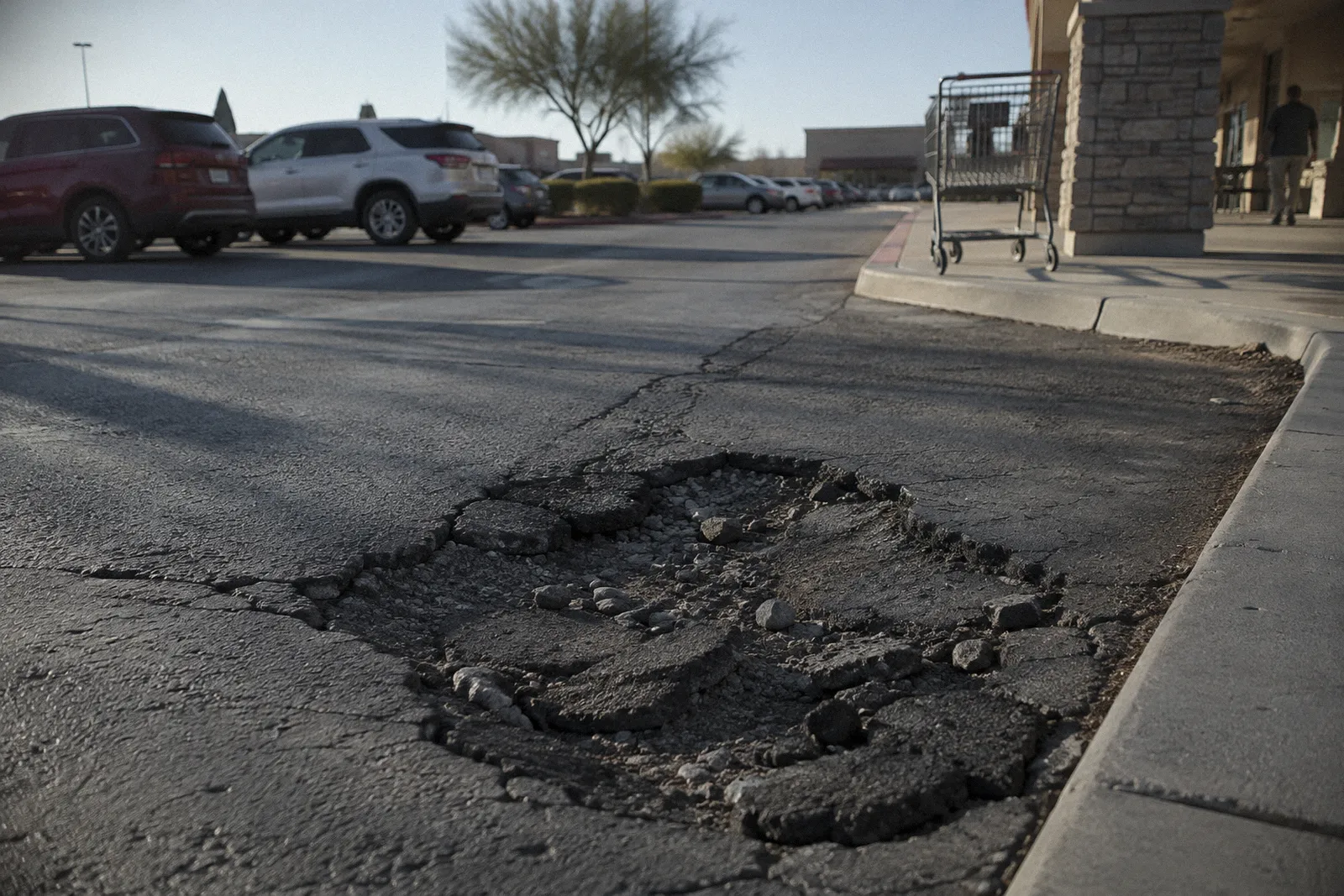
If the Fall Happened on Public Property, Do Not Wait
A fall on a city sidewalk, in a public building, or in a park generally requires a written notice of claim within 180 days, much shorter than the usual two years (A.R.S. 12-821.01). Our guide to the Arizona notice of claim rules explains the notice, and our overview of the Arizona statute of limitations covers the rest.
If a child was hurt, Arizona generally pauses the limitations period for a minor until age 18 (A.R.S. 12-502), but the notice rules for public entity claims can differ for minors, so please call us before you assume anything. These rules have exceptions, so call us and we will explain how they apply to you.
Arizona
A Slip and Fall Claim in Paradise Valley or Scottsdale: Where Falls Happen
Scottsdale and neighboring Paradise Valley have busy shopping areas, resorts, restaurants, and rental properties. Knowing the setting helps us find the right owner and the right evidence.
Old Town Scottsdale
Sidewalks, patios, and restaurant entrances with heavy foot traffic and uneven surfaces.
Scottsdale Fashion Square, Kierland Commons, and The Scottsdale Quarter
Large shopping centers where the owner, a tenant, and a maintenance contractor may all have a role.
Resorts and hotels in Scottsdale and Paradise Valley
Pool decks, lobbies, and walkways that guests use all day.
Town of Paradise Valley
A separate town from Scottsdale. A claim for a fall on town property follows the public entity notice rules.
What happens when
How a Slip and Fall Claim Usually Moves
Every case is different, and these stages overlap, but this is the general path.

The first days
Care and preservation
You see a doctor, and we send a written request to the owner to preserve camera footage, logs, and the incident report.
Early on
Finding the responsible parties
We identify the owner, the occupant, and any maintenance contractor, and the insurance each may carry.
Within 180 days, for public property
Notice of claim
If a public entity is involved, we prepare and serve the written notice with the facts and a specific sum certain.
After treatment
Valuing and negotiating
We collect your records, bills, and wage losses, make a demand, and explain the response, which is often a low first offer.
Before the deadline
A lawsuit, if the claim does not resolve
Suit must be filed within the deadline that applies: generally 2 years for private property and 1 year after accrual for a public entity (A.R.S. 12-821).
Talking With a Premises Liability Lawyer
A good premises liability lawyer should be able to answer three things in your first conversation: who controlled the property, what they knew, and which deadline applies. That is the conversation we are here to have. We will explain your legal rights, what evidence matters, and what a realistic path looks like, without pressure.

People who search for a slip and fall lawyer near me, or a premises liability lawyer near me, are usually looking for someone they can reach and meet in person. Our office is at 5635 N Scottsdale Rd, Suite 170, Scottsdale, AZ 85250, and we represent people hurt in Scottsdale, Paradise Valley, Phoenix, and the surrounding Valley communities. You pay no attorney fee unless we recover money for you.
Contact us for a free case review. The earlier you call, the better, but it is never too late to find out your legal rights.
Slip and Fall Help in Other Valley Cities
We are based in Scottsdale and also help people hurt in these Valley cities. Each city page covers the local roads, courts and police agencies that matter to a claim there.
Questions
Questions about Scottsdale slip and fall cases
How long do I have to file a slip and fall claim in Arizona?
Most Arizona injury claims must be filed within two years (A.R.S. 12-542(1)). If the fall was on government property, a notice of claim is generally required within 180 days (A.R.S. 12-821.01) and a lawsuit within one year after the claim accrues (A.R.S. 12-821). These rules have exceptions, so call us and we will explain how they apply to you.
What do I have to prove in a slip and fall case?
In general terms, you need to show that the property was unsafe, that the owner or occupier created the hazard, knew about it, or should have known about it, and that the hazard caused your injury. Evidence like camera footage, logs, and photos is often what makes the difference.
What if I was partly at fault for my fall?
Arizona is a pure comparative fault state, so you can still recover, reduced by your share of fault. Insurance companies and attorneys often negotiate the percentage of fault, and we push back with evidence.
Should I give a statement to the property owner's insurance company?
You are not required to agree to a recorded statement, and it is usually wise to talk with a lawyer first. Early answers are often used to limit a claim later.
Can I bring a claim if I fell at a store, hotel, or rental property?
Often, yes, if the property was not kept reasonably safe. The owner, a tenant, or a maintenance contractor may be responsible, and we look at each of them.
What if the fall happened on a city sidewalk or in a public building?
The claim is against a public entity, and Arizona generally requires a written notice of claim within 180 days (A.R.S. 12-821.01). Please call us early so we can help you with the notice.
How do I find a slip and fall lawyer near me?
Look for a firm you can reach and meet in person, that explains its fee in writing, and that is clear about the deadlines. Our office is in Scottsdale, and you can request a free case review to see whether we are the right fit.
How much does it cost to hire a slip and fall lawyer?
You pay no attorney fee unless we recover money for you. We will explain how fees and costs work in writing before you decide anything.
Free case review
Let Us Answer Your Questions and Help With Your Case
Call (602) 584-8054 or request your free case review. Our experienced and friendly attorney will explain your legal rights and what your options are. The earlier you call, the better, but it's never too late to find out your legal rights.
Call any time. Office visits Monday to Friday, 9 to 5.
Thank you, we’ve received your request.
A member of our team will reach out shortly. If your matter is urgent, call us now at (602) 584-8054.