
Tempe Brain Injury Lawyer
Brain Injury Claims in Tempe: A Brain Injury Lawyer on Your Side
A brain injury lawyer in Tempe can explain how to prove a traumatic brain injury, what future care may cost and which deadlines apply to you. Most Arizona injury claims must be filed within two years (A.R.S. 12-542), and a head injury can show no or seemingly minor symptoms at first, so the records made in the first days carry a lot of weight.
- Filing deadline
- Generally 2 years from the injury
- A.R.S. 12-542(1)
- Child with a head injury
- The filing clock is paused until age 18, then the normal period runs
- A.R.S. 12-502
- Damage caps
- No caps on personal injury or death damages
- Ariz. Const. art. 2 sec. 31; art. 18 sec. 6
How a Brain Injury Lawyer in Tempe Approaches Your Claim
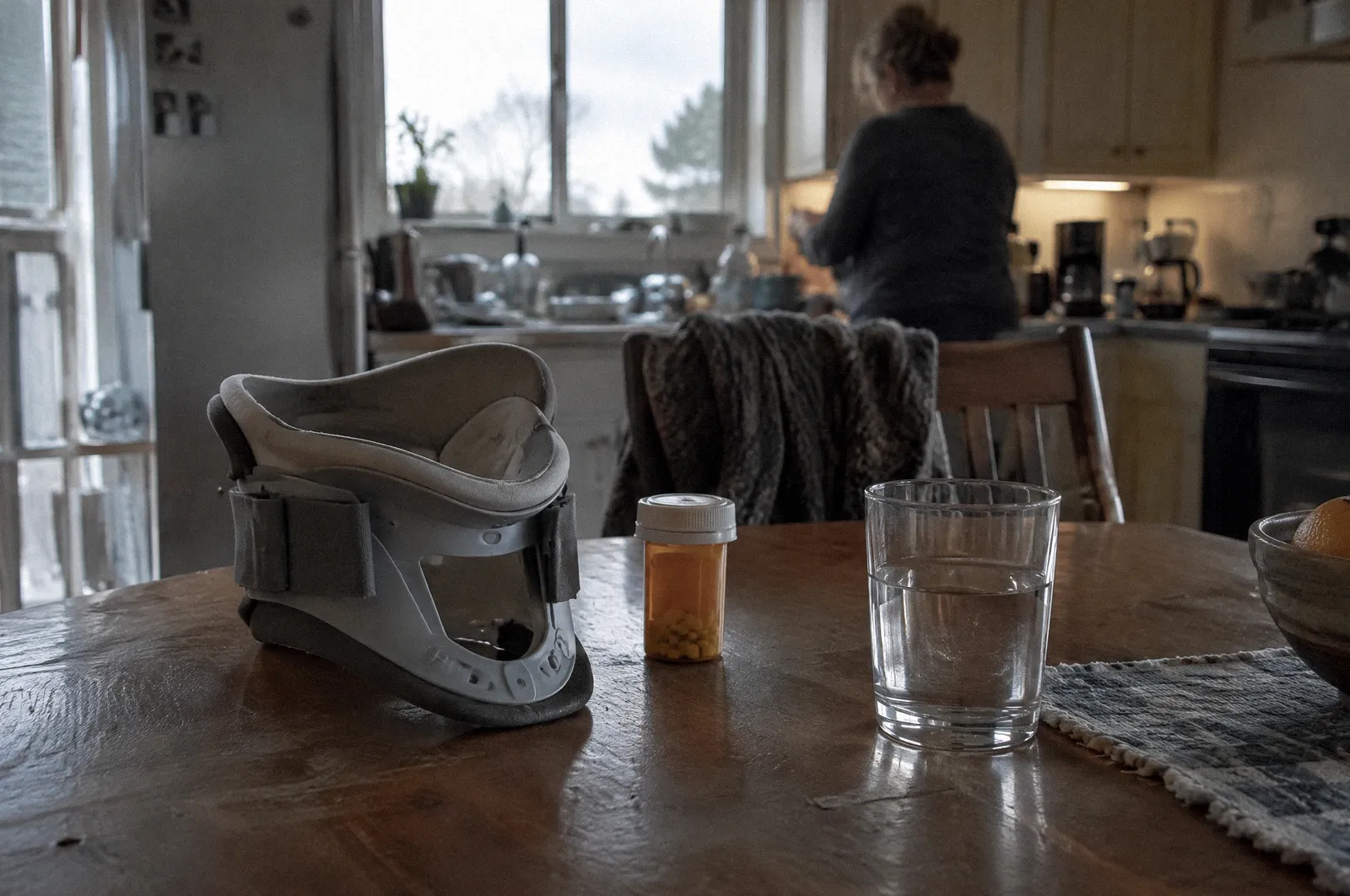
A traumatic brain injury claim is different from most injury claims because the injury is often invisible on the day it happens. Someone can walk away from a Tempe crash feeling rattled, go home, and only over the next days notice headaches, trouble concentrating, gaps in memory or a change in mood. Insurance companies know this, and they use the gap between the crash and the diagnosis to suggest that something else caused the problem.
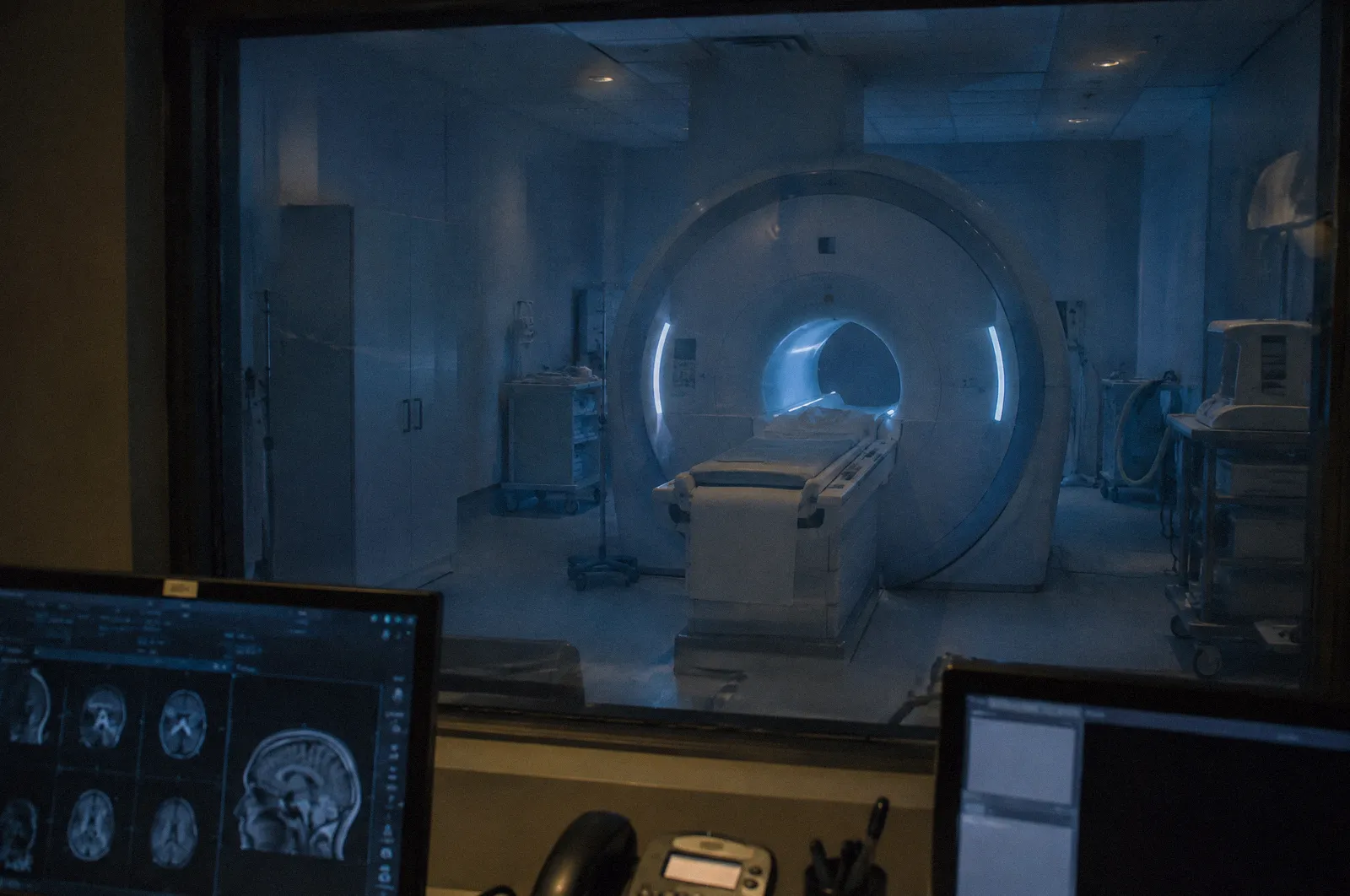
People describe these injuries in many ways, from concussion to brain trauma to brain damage. A brain damage lawyer in Tempe asks the same first question as a brain trauma lawyer in Tempe: what do the records show?
Our job is to close that gap with paper. We gather the ambulance and emergency room charts, imaging, follow-up visits and the observations of people who see you every day, such as a spouse, a roommate or a coworker. We do not give medical advice, and your doctors decide your treatment, but we can explain how a claim is built on what they document. Valley Accident Law is a Scottsdale firm with no Tempe office. We start by phone, and the first call is a free case review.
Arizona
Where Head Injuries Happen in and Around Tempe
Head injuries in Tempe come from two very different settings: fast freeway crashes along the city's edges and slow, close-range falls where thousands of walkers, cyclists and scooter riders share space. Knowing which setting you were in tells us which evidence to chase and who to chase it from.
Loop 101 (Price Freeway) and Loop 202 (Red Mountain Freeway)
Loop 101 becomes the Price Freeway at its interchange with Loop 202 in Tempe. Sudden slowdowns and lane changes at highway speed are how a head ends up striking a window, door pillar or steering wheel.
I-10 at the Broadway Curve
A 2006 estimate put this stretch at about 294,000 vehicles a day, on a freeway described as 16 to 20 lanes wide approaching the curve. Crowded lanes leave little room to avoid a stopped car.
US 60 (Superstition Freeway)
Runs east to west through the middle of Tempe and splits from I-10 inside the city.
Baseline Road
A 3.9 mile corridor that Tempe is rebuilding with a $12 million U.S. DOT grant. A 2024 news report counted 35 serious or fatal crashes there in recent years, and the city engineer said three lanes each way encourages speeding.
Arizona State University campus and Mill Avenue
ASU's Tempe campus had more than 55,500 students in fall 2025. Falls from bikes and e-scooters and collisions at campus crosswalks are common ways to hit your head on pavement.
Tempe Town Lake paths
About five miles of paths circle the lake for bicycling, jogging and in-line skating, which means fast riders and slow walkers in the same lane.
What the Weeks After a Head Injury Look Like for a Claim
Every case moves at its own pace, but most brain injury claims pass through the same stages. Here is how they usually line up with the paper we need.
The first day
A record begins
The first medical chart, whether from paramedics, an emergency department or urgent care, becomes the anchor for everything else. If you hit your head, tell the provider so, even if you feel mostly fine.
The first weeks
Symptoms get named
Headaches, dizziness, light sensitivity, trouble finding words and sleep changes often show up here. A symptom that is written down by a provider is far easier to connect to the incident than one remembered later.
One to three months
Specialists and testing
Neurology, neuropsychological testing or imaging may be ordered by your doctors. We do not direct your care. We keep the reports and the bills organized.
Months later
The future picture
A claim is not only about what has happened. It also looks at ongoing care, time away from work and what your doctors expect next, which is why we do not rush a brain injury claim to an early number.
What a Traumatic Brain Injury Lawyer in Tempe Builds Into Your Claim
Arizona places no caps on personal injury or death damages (Ariz. Const. art. 2 sec. 31; art. 18 sec. 6). What your claim is worth depends on the proof, not a formula. These are the categories we look at.
- Medical care so far
Ambulance, emergency, imaging, specialist visits and therapy. Hospital and provider liens can attach to a settlement, so we track them from the start.
- Future care
Ongoing therapy, medication, follow-up testing and any support your doctors say you will need. This is usually the largest and most contested category.
- Lost income and lost ability to work
Time away from work, reduced hours and, where a doctor supports it, a change in the kind of work you can do.
- Pain, loss of enjoyment and changes at home
Concentration, mood and memory problems change daily life. Statements from family and friends help show how.
- Punitive damages in rare cases
Only where the defendant showed an evil mind, proven by clear and convincing evidence. Most claims do not reach that standard.
What Insurers Say About Head Injuries and What the Records Can Answer
Insurance companies and attorneys often negotiate the percentage of fault, and in a head injury claim they also negotiate whether the injury is real. Arizona uses pure comparative fault (A.R.S. 12-2505), so shared blame lowers a recovery but does not erase it.
What an adjuster may argue
- You felt fine at the scene, so the headaches must have come from something else.
- A scan was normal, so there is no brain injury.
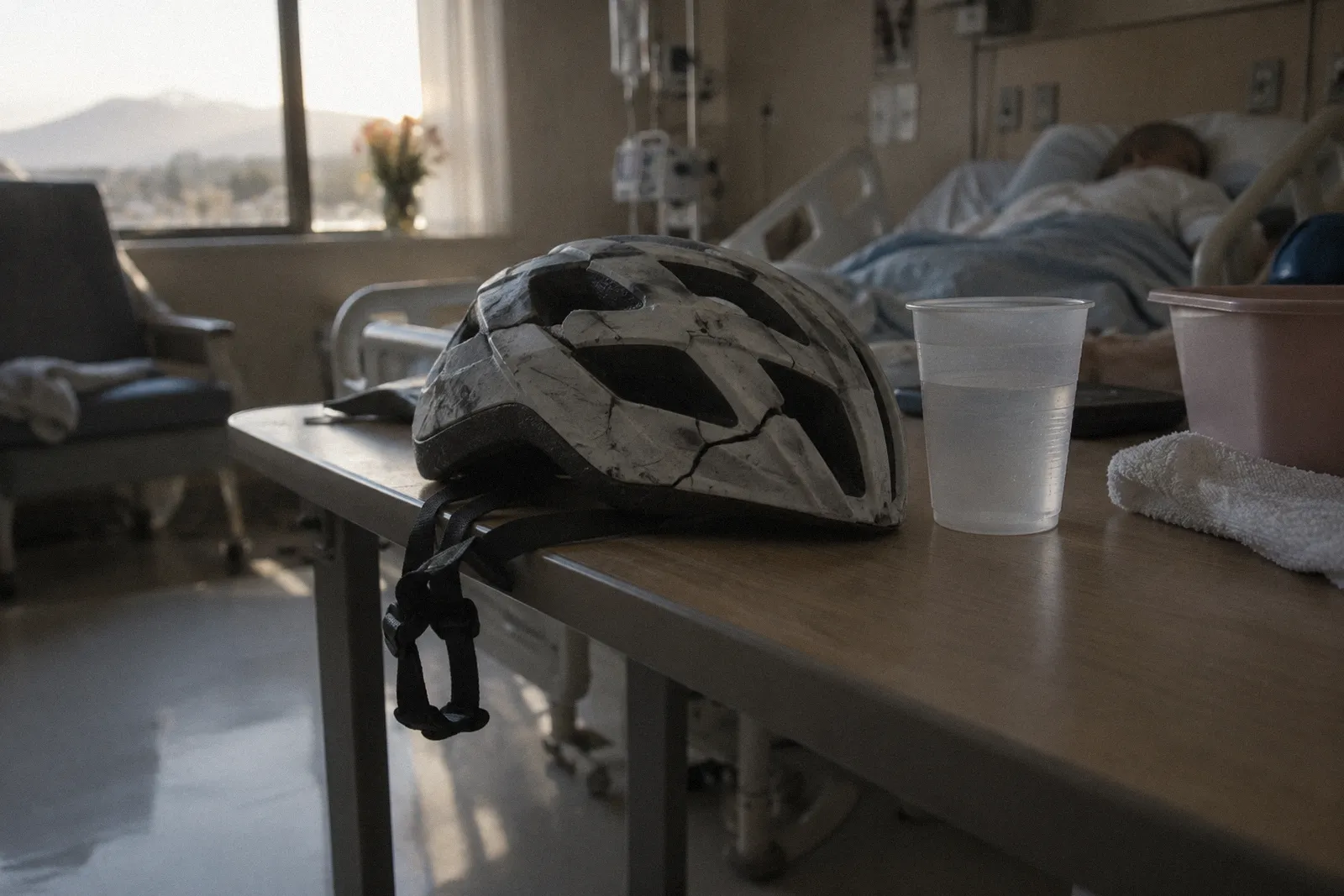
- You were on a scooter or bike without a helmet, so the injury is your fault.
- You waited several days before seeing a doctor.
What can help answer it
- Chart notes that record a head strike and the first symptoms.
- Statements from people who noticed changes in you.
- Specialist reports explaining that a normal scan does not rule out an injury.
- The fact that Arizona has no statewide bicycle helmet law, and that fault turns on the facts.
Hospitals, Records and Who Writes the Report
The State of Arizona's list of designated trauma centers, dated December 5, 2025, shows no designated center with a Tempe address. The nearest Level I centers on that list are Banner Desert Medical Center at 1400 South Dobson Road in Mesa and Dignity Health Chandler Regional Medical Center at 1955 W. Frye Road in Chandler. HonorHealth Tempe Medical Center at 1500 S. Mill Avenue has an emergency department and is an accredited Primary Stroke Center, though its page lists no trauma designation. Our Phoenix area trauma centers guide lays out the full list.
Ask the responding officer for the report number before you leave the scene if you can. If the Arizona Department of Public Safety handled the crash, DPS has a collision report link and a records request service on its website. Our guide to getting a police report in Arizona walks through the steps.
If you have to sue, a civil case is filed in Maricopa County Superior Court. The Central Court Building is at 201 W. Jefferson in Phoenix and the Southeast location is at 222 E. Javelina Avenue in Mesa. Which one is assigned depends on the court's assignment rules, and we confirm that when we file. Smaller claims go to justice court, which handles cases under $10,000.
Deadlines That Can Surprise Tempe Families
Most claims must be filed within two years of the injury (A.R.S. 12-542(1)), and a court may start the clock when you knew or should have known of the injury and its cause. If the injury involves a city, a school district or another public entity, a written notice of claim is generally due within 180 days (A.R.S. 12-821.01) and a lawsuit within one year (A.R.S. 12-821). These rules have exceptions, so call us and we will explain how they apply to you.
Before You Call, and If You Were Hurt Nearby
You do not need to have everything sorted before you call a Tempe brain injury attorney. Bring what you have: the report number, the names of the providers who have seen you, and the name of any insurance adjuster who has contacted you. Be careful about agreeing to a recorded statement before you understand your legal rights, because an adjuster may use your words about how you feel on day two to argue about the injury on day sixty. Our office is about 8 miles from downtown Tempe by road, roughly a quarter of an hour without traffic, though we begin by phone.
Some Tempe residents are hurt just over the line. We cover those cases too: brain injury lawyer in Mesa, brain injury attorney in Scottsdale and brain injury lawyer in Chandler. For the statewide picture, including who can be held responsible and how insurance works, see our brain injury lawyer in Arizona guide. If you are still sorting out the basics, our general personal injury lawyer in Tempe page and our guide to the claim process are good places to start. You pay no attorney fee unless we recover money for you.
Related pages
Questions
Questions about Tempe brain injury cases
Can I have a traumatic brain injury if I never lost consciousness?
Yes. Many head injuries involve no knockout, and symptoms can show no or seemingly minor signs at first. That is why we focus on the earliest medical records and on what family members noticed. Your doctors decide the diagnosis and treatment.
Do I need a brain trauma lawyer in Tempe if it was only a concussion?
A concussion is a brain injury, and the answer depends on how long your symptoms last and what your providers record. A normal scan does not by itself end a claim. Insurers sometimes point to it, so we look at your treating providers' notes, any specialist testing and how your daily life has changed.
Which hospital treats serious head injuries near Tempe?
The State of Arizona's trauma center list shows no designated center with a Tempe address. Banner Desert Medical Center in Mesa and Chandler Regional Medical Center in Chandler are the closest Level I centers on it. Where you are taken depends on the ambulance crew and your condition.
Where is a lawsuit over a Tempe head injury filed?
In Maricopa County Superior Court for claims of $10,000 or more. Civil cases can be filed at any Superior Court location and are then assigned by the court's rules, so it may be the Central Court Building in Phoenix or the Southeast location in Mesa. We confirm which when we file.
I fell off a rented e-scooter near campus and hit my head. Is that a claim?
It can be, depending on who was at fault: a driver, a property owner with a hazardous surface, or the scooter's operator or maker. Tempe has had e-scooter rules since 2019, including a helmet requirement for riders under 18. Not wearing one is something an insurer may raise, and we explain how fault is argued.
Does my child's head injury have a different deadline?
A child's filing clock is generally paused until age 18, then the normal period runs (A.R.S. 12-502). Claims against a public entity have their own short notice rules, and parents' claims for medical bills they paid are not paused, so do not wait.
What does it cost to talk with you?
The first call is a free case review. You pay no attorney fee unless we recover money for you.
Free case review
Talk With Us About Your Head Injury Claim
Call (602) 584-8054 or request a free case review. Our experienced and friendly attorney will explain your legal rights and what to do next. The earlier you call, the better, but it's never too late to find out your legal rights.
Call any time. Office visits Monday to Friday, 9 to 5.
Thank you, we’ve received your request.
A member of our team will reach out shortly. If your matter is urgent, call us now at (602) 584-8054.