
Phoenix Area Trauma Centers
Phoenix Area Trauma Centers: What the Levels Mean and Where the Level 1 Centers Are
Phoenix area trauma centers are rated by level, and a Level 1 trauma center is the highest level of trauma care. It has surgeons and specialists ready around the clock for the most serious injuries, and the Valley has several, including HonorHealth Scottsdale Osborn Medical Center, Banner University Medical Center Phoenix and Valleywise Health Medical Center. This page explains the levels in general terms and is not medical advice.
Reviewed by Charles Paglialunga, Esq.
- Highest level
- Level 1, comprehensive trauma care
- General description of trauma center levels
- Level 1 adult centers in the Valley
- Scottsdale, Phoenix and Mesa
- Named below
- Pediatric Level 1
- Phoenix Children’s
- For injured children
- Hospital liens
- Arizona hospital lien law
- A.R.S. 33-931 and following
What Is a Level 1 Trauma Center?
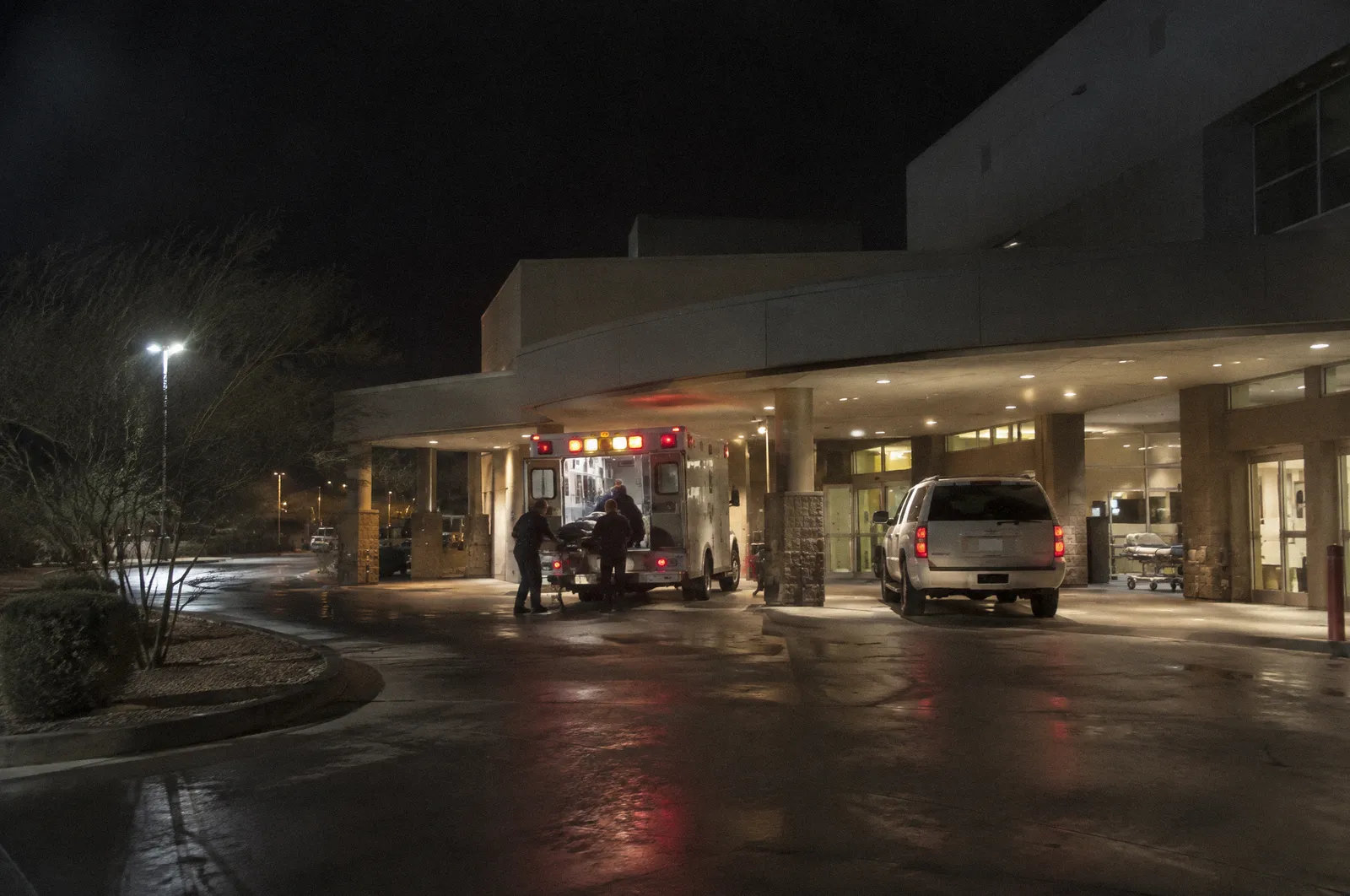
A Level 1 trauma center is a hospital that can provide the most complete care for the most severe injuries, from the first minutes in the emergency department through surgery, intensive care and rehabilitation. In general terms, a Level 1 center has trauma surgeons and key specialists such as neurosurgeons, orthopedic surgeons and anesthesiologists available around the clock, along with the operating rooms, imaging and blood supply needed for a critically injured patient. Many Level 1 centers also teach and conduct research and serve as a resource for other hospitals in their region.
Hospitals usually write the level as a Roman numeral, so you will see Level I and Level 1 used for the same thing. After a serious crash, a fall from a height or a motorcycle wreck, paramedics may take an injured person to a Level 1 center when the injuries or the pattern of the crash suggest a major trauma. That decision belongs to the paramedics and the medical team, not to the patient or a lawyer.
Arizona
Level 1 vs Level 2 Trauma Center
Many people search for a trauma center level 2 comparison after a crash, and the difference is easier to see side by side. Both levels treat serious injuries, and the exact capabilities of any hospital vary, so treat this as a general description.
Level 1 trauma center
- The most comprehensive level of trauma care
- Surgeons and many specialists available around the clock
- Often a teaching hospital with research programs
- A regional resource that other hospitals may transfer patients to
Level 2 trauma center
- Able to provide definitive care for most major injuries
- Around-the-clock coverage by surgeons is typical
- Some highly specialized services may be on call, or the patient may be transferred
- Usually fewer research and teaching programs
Hospital Trauma Center Levels Explained
Hospital trauma center levels run from I at the top to V. The levels describe the resources a hospital has, not how good the care is at any one hospital.
| Level | General role | What that usually means |
|---|---|---|
| Level I | Comprehensive regional trauma center | Full range of surgical and specialty care, around the clock, often with teaching and research |
| Level II | Major trauma care | Definitive care for most major injuries, with some specialized cases transferred |
| Level III | Community trauma care | Prompt evaluation, resuscitation and emergency surgery, then transfer for the most complex injuries |
| Level IV | Initial stabilization | Basic trauma care and stabilization, usually in a smaller or more remote hospital, then transfer |
| Level V | Initial evaluation | Evaluation and stabilization, with transfer to a higher level of care |
Source: General description of the American College of Surgeons trauma center levels. Designations are set through state and national programs and can change, so confirm the current level with the hospital or the Arizona Department of Health Services.
Phoenix Area Trauma Centers: The Valley’s Level 1 Hospitals
These are the Valley hospitals commonly identified as Level 1 trauma centers. We list them so you can recognize the names on a bill or a medical record, and we are not recommending any of them. Where you are taken in an emergency is a medical decision.

- HonorHealth Scottsdale Osborn Medical Center, Scottsdale
A Level 1 adult trauma center in Scottsdale. For crashes in and around Scottsdale, including along Scottsdale Road and on the Loop 101, this is a hospital whose name you are likely to see on an emergency record.
- Banner University Medical Center Phoenix, Phoenix
A Level 1 adult trauma center and academic medical center in Phoenix, handling many of the most serious injuries in central Phoenix.
- Valleywise Health Medical Center, Phoenix
A Level 1 adult trauma center in Phoenix that serves as the county’s public health system hospital and is home to the Arizona Burn Center.
- St. Joseph’s Hospital and Medical Center, Phoenix
A Level 1 adult trauma center in Phoenix, on a campus that includes the Barrow Neurological Institute.
- HonorHealth John C. Lincoln Medical Center, Phoenix
A Level 1 trauma center in north Phoenix, often serving crashes on the north side of the city and nearby freeways.
- Banner Desert Medical Center, Mesa
A Level 1 trauma center in Mesa that serves much of the East Valley.
- Phoenix Children’s, Phoenix
The Valley’s pediatric trauma center, for injured children. Pediatric trauma care is organized separately from adult trauma care.
What Happens When You Arrive at a Trauma Center
Every case is different, but the sequence at a trauma center is usually similar.
- 1
Paramedics alert the hospital
Emergency crews call ahead so the trauma team can be ready when the patient arrives.
- 2
Triage and the trauma team
A team assesses the patient quickly, starting with the most life-threatening problems.
- 3
Evaluation and imaging
Doctors examine the patient and may order imaging and other tests to find injuries that are not visible from the outside.
- 4
Treatment, surgery or admission
Depending on the injuries, the patient may go to surgery, intensive care or a hospital room, or be treated and released.
- 5
Records and bills are created
Every step is documented, and those records and charges later become part of any injury claim.
How Trauma Center Records Matter to an Injury Claim
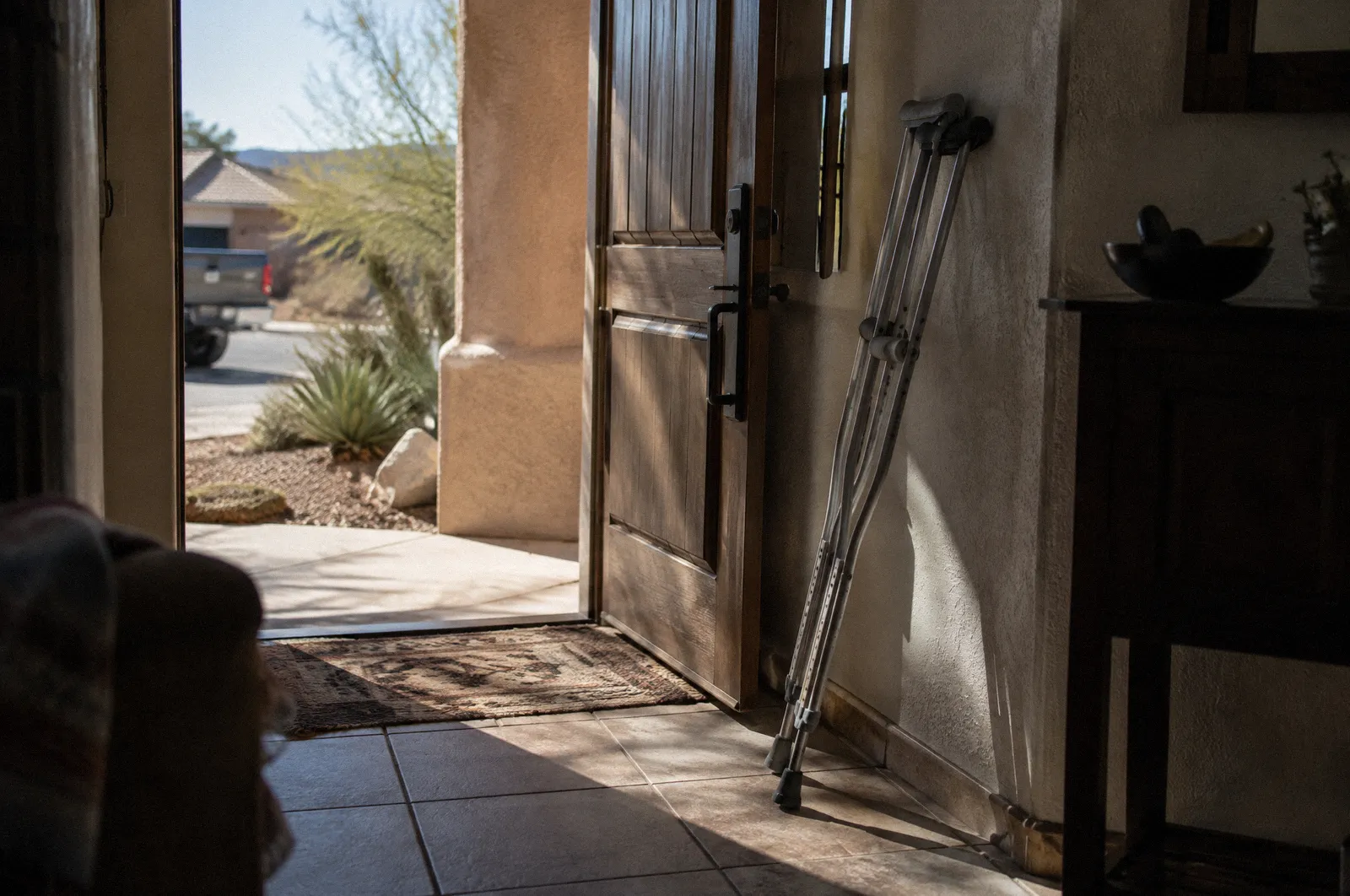
The records from a trauma center are often the strongest proof of how serious an injury was and when it began, because they are created at the time of the crash by people with no stake in the outcome. They also generate the largest early bills. Our guide to what to do after a car accident explains why prompt medical care and complete records matter.
Emergency and trauma care can also lead to repayment claims. In general terms, Arizona’s hospital lien statute (A.R.S. 33-931 and following) lets hospitals assert a lien against a patient’s personal injury recovery, and health plans, Medicare and AHCCCS can have their own rights. See our guide to medical liens before you settle. For how the claim itself moves forward, read the personal injury claim process.
In an Emergency, Call 911
This page is general information about trauma center levels and is not medical advice. Paramedics and the medical team decide where an injured person is taken, based on the injuries, the distance and the capacity of the hospitals. If someone is seriously hurt, call 911. A hospital’s level does not change your legal rights, and we do not recommend one hospital over another.
Related pages
Questions
Questions about Phoenix area trauma centers
What is the difference between a Level 1 and a Level 2 trauma center?
Both treat serious injuries. A Level 1 center is the most comprehensive, with surgeons and many specialists available around the clock and often teaching and research programs. A Level 2 center can provide definitive care for most major injuries, though some specialized cases may be transferred. Exact capabilities vary by hospital.
Which Phoenix area hospitals are Level 1 trauma centers?
The Valley’s Level 1 centers commonly include HonorHealth Scottsdale Osborn Medical Center, Banner University Medical Center Phoenix, Valleywise Health Medical Center, St. Joseph’s Hospital and Medical Center, HonorHealth John C. Lincoln Medical Center and Banner Desert Medical Center in Mesa, with Phoenix Children’s serving injured children. Designations can change, so confirm with the hospital.
Is there a Level 1 trauma center for children in Phoenix?
Phoenix Children’s is the Valley’s pediatric trauma center. Pediatric trauma care is organized separately from adult trauma care, and the paramedics and medical team decide where an injured child is taken.
Who decides which hospital I am taken to?
Paramedics and the medical team do, based on your injuries, the distance and the hospital’s capacity. It is a medical decision, and it is not something you need to plan around for a legal claim.
Does being treated at a trauma center affect my injury claim?
Not by itself. What matters is the record: the documentation of your injuries, your treatment and your bills. Records from a trauma center are created at the time of the crash, which makes them useful. They do not point to any particular result.
Can a hospital place a lien on my settlement after trauma care?
In general terms, yes. Arizona’s hospital lien statute (A.R.S. 33-931 and following) lets hospitals assert a lien against a patient’s personal injury recovery. Health plans, Medicare and AHCCCS can also have repayment rights, so identify every one before settlement funds are distributed.
Free case review
Talk to Us About Your Injury Claim
Call (602) 584-8054 or request your free case review if you or someone you love was taken to a trauma center after a crash. Our experienced and friendly attorney will explain your legal rights and how the records and bills fit into your claim. The earlier you call, the better, but it’s never too late to find out your legal rights.
Call any time. Office visits Monday to Friday, 9 to 5.
Thank you, we’ve received your request.
A member of our team will reach out shortly. If your matter is urgent, call us now at (602) 584-8054.