
Tempe Golf Cart Accident Lawyer
After a Golf Cart Crash in Tempe, Talk With a Golf Cart Accident Lawyer
A golf cart accident lawyer in Tempe can explain who may be responsible when a cart rolls, throws a passenger or collides with a car, and how the insurance usually works. Most Arizona injury claims must be filed within two years (A.R.S. 12-542), and the answers often depend on where the cart was: a course, a private lot, a neighborhood or a public street.
- Filing deadline
- Generally 2 years from the injury
- A.R.S. 12-542(1)
- Minor passengers and riders
- A child's filing clock is paused until age 18
- A.R.S. 12-502
- ATV and motorcycle helmets
- Required for riders under 18, with eye protection for operators unless there is a windshield
- A.R.S. 28-964
How a Golf Cart Accident Lawyer in Tempe Sees a Cart Crash
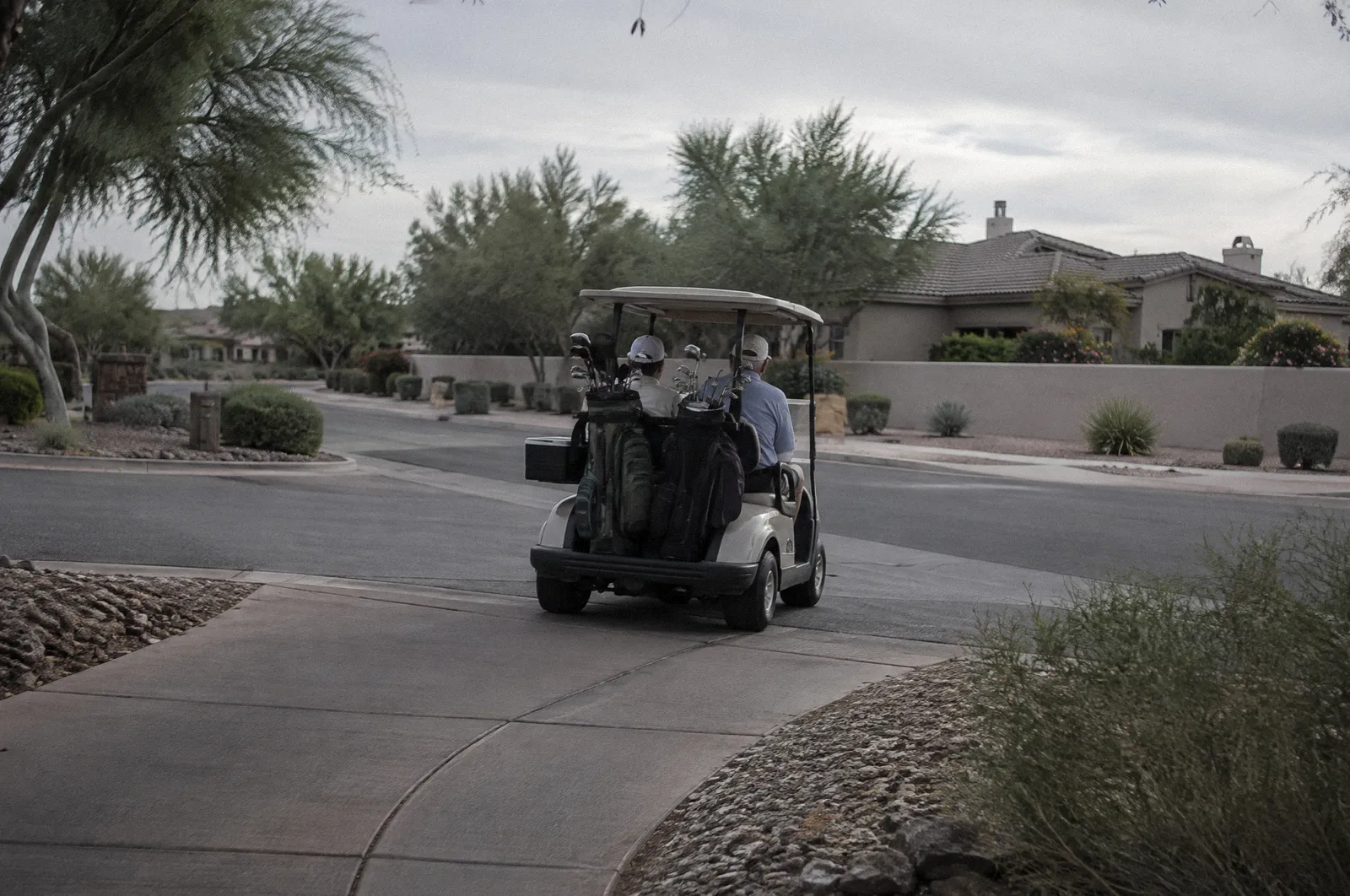
A golf cart has no airbags, usually no doors and often no seatbelt. At low speed that sounds harmless, but a tight turn, a downhill roll or a bump can throw a passenger onto pavement or turf, and a collision with a car can be a collision with a vehicle many times its weight. The injuries we hear about are head injuries, broken bones, and in worse cases neck and back injuries.
The second difference is the paperwork. A car crash has a standard insurance setup. A cart might be covered by a homeowner's policy, an auto policy, a course or venue's liability coverage, a rental company's policy, or none of the above. Part of our job is finding out which, and that depends on the wording of the policy and the facts. Valley Accident Law is a Scottsdale firm with no Tempe office. We start by phone and the first call is a free case review.
How Golf Cart Injuries Happen
These are the patterns we look for when someone calls about a cart or a similar low-speed vehicle.
- Rollovers and tip-overs
A cart turned too fast, driven on a slope or overloaded can tip. The question is often whether the driver, the owner or the person who built or maintained the cart is responsible.
- Ejected passengers
Passengers fall out of carts with no doors or restraints. Who was driving, and whether the passengers were warned or restrained, comes up quickly.
- Collisions with cars
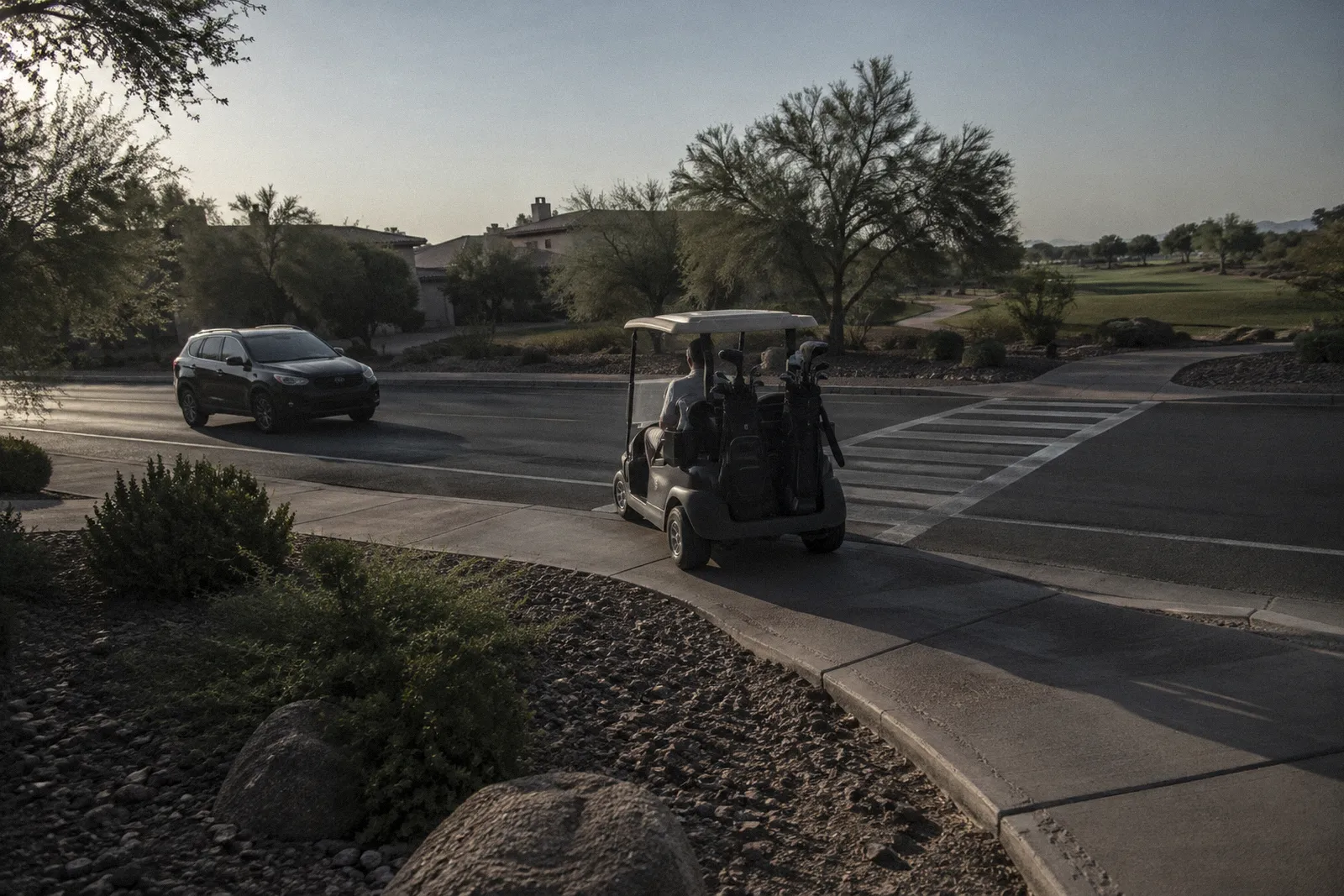
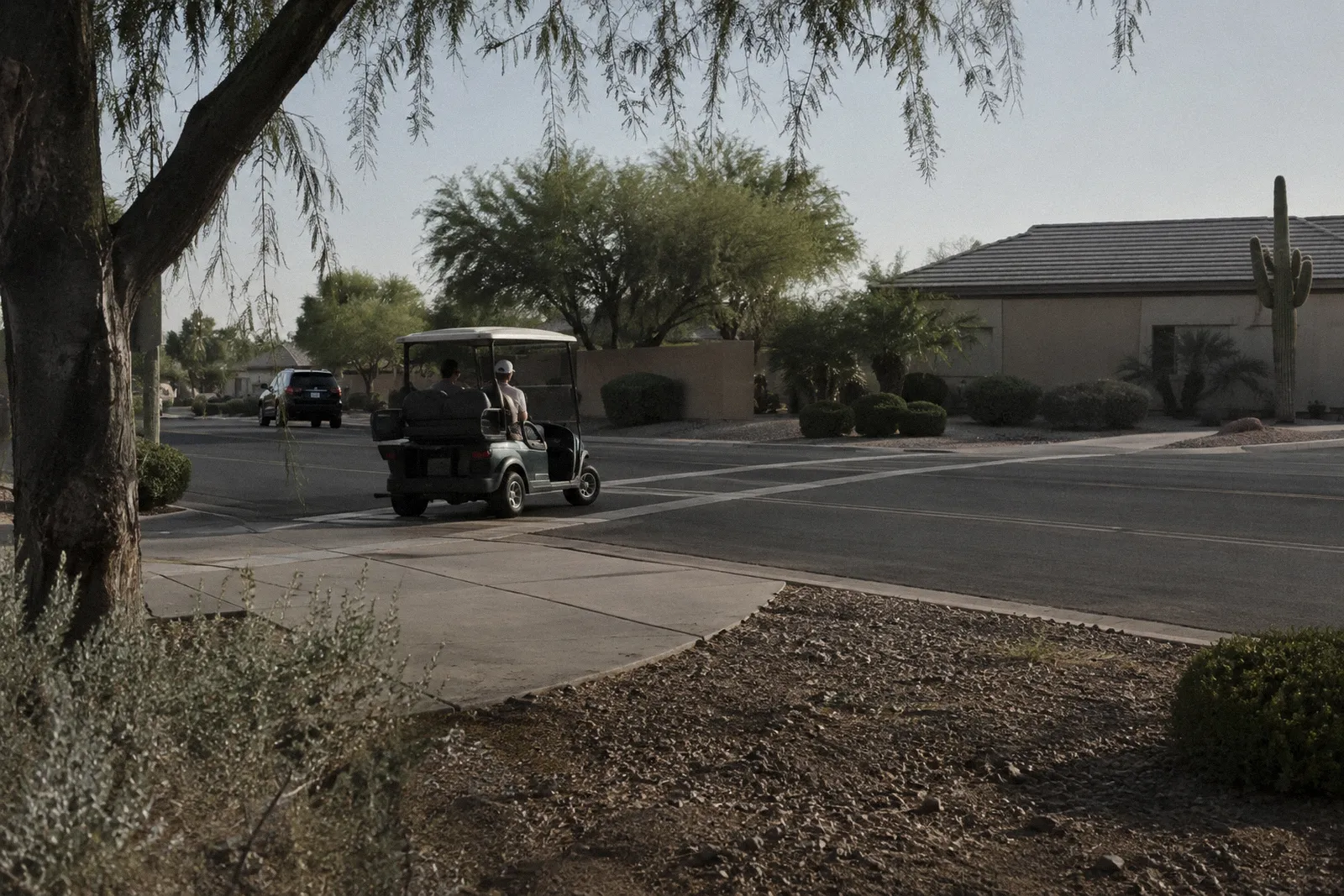
A cart on or crossing a street can be struck by a driver who did not expect it. Whether the cart was allowed on that road is one of the first things we check.
- Children behind the wheel
Young drivers of carts raise questions about who let them drive. The family's own insurance may be part of the picture.
- Mechanical failure
Brakes, steering and tires that fail can point to the maker, a repair shop or a rental company.
- Crowded events
Carts used by staff and vendors near crowds can strike pedestrians. The event organizer's insurance can matter.
Who May Be Responsible Depends on Where the Cart Was
Insurance companies and attorneys often negotiate the percentage of fault. In cart cases the first fight is often over who was in control of the situation at all.
On a course, private lot or in a community
- The driver and the owner of the cart may both have a share.
- A course, venue or community that sets the rules and the paths may have its own duties.
- A rental or maintenance company may answer for a faulty cart.
- Waivers and rental contracts need to be read, not assumed.
On or near a public street
- Whether the cart was allowed on that road is a question we ask first.
- A driver who hit the cart may share fault under the same rules that apply in any crash.
- The report, if any, is written by the police agency that responded.
- A road defect or missing signage can bring a city into the claim.
Arizona
Tempe Settings Where Carts and Low-Speed Vehicles Come Up
Tempe covers only about 40 square miles, so cart cases here tend to involve a course, a venue or a neighborhood street. We confirm the exact location of any incident, because the boundary lines and the property owner decide who is involved.
Papago Park and Rolling Hills Golf Course
Papago Park covers 1,496 acres across Phoenix and Tempe, with about 296 acres in Tempe, and Rolling Hills Golf Course is in the park. For any incident there, we first confirm which side of the city line the spot is on.
Tempe Diablo Stadium
Home to Los Angeles Angels spring training since 1993. Game days bring crowds and busy parking areas together.
Tempe Town Lake and Tempe Beach Park
Paths, a lakefront and event space where crowds and slow vehicles share ground.
ASU Tempe campus and Mullett Arena
Mullett Arena at 411 S Packard Drive seats 5,000 for NCAA hockey. Heavy foot traffic and event crowds mean any vehicle moving through is a risk to people on foot.
Neighborhood streets
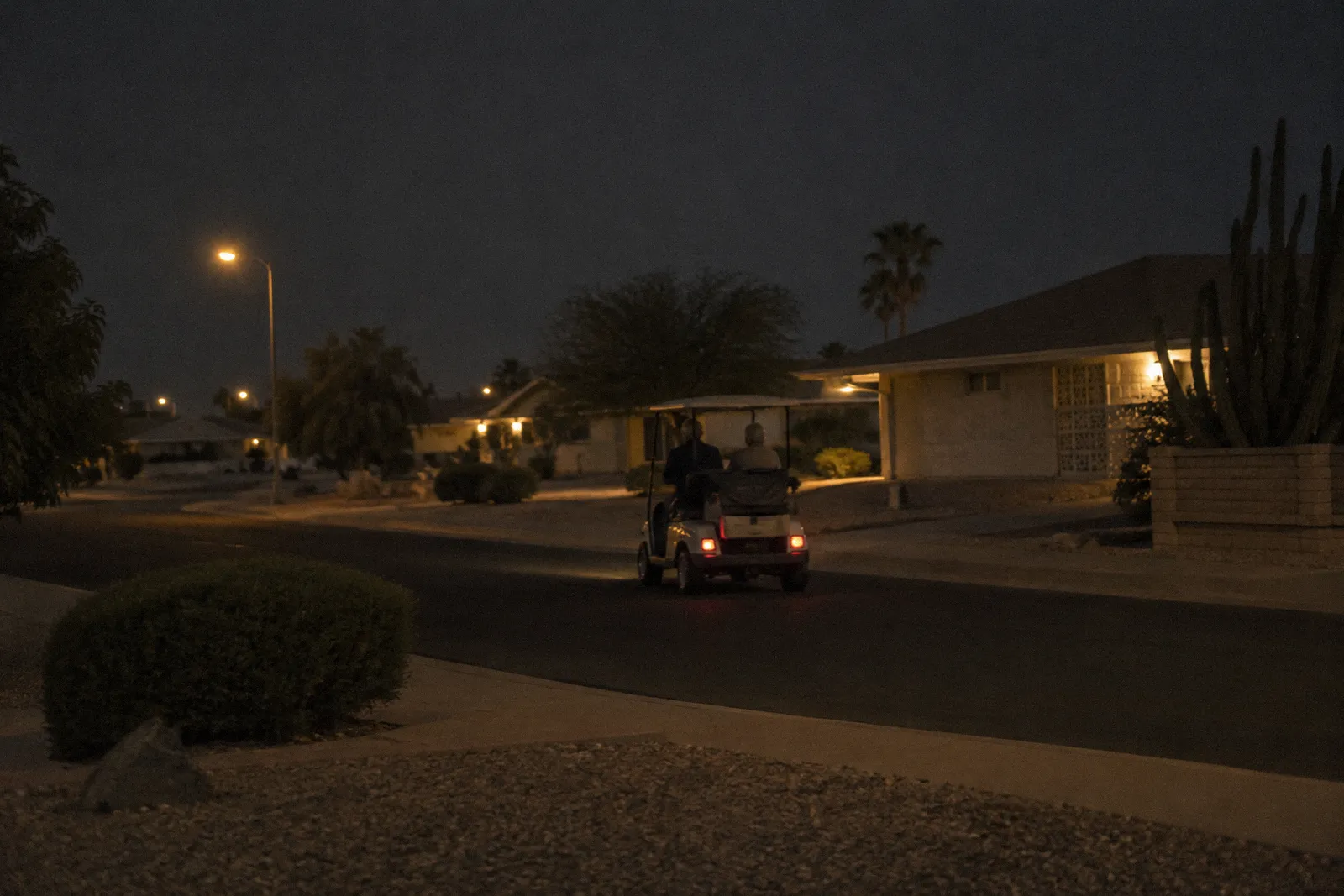
Wherever a cart is driven on an ordinary street, the same questions about right of way, visibility and speed arise as in any collision.
Golf Cart Laws in Tempe and the ATV Question
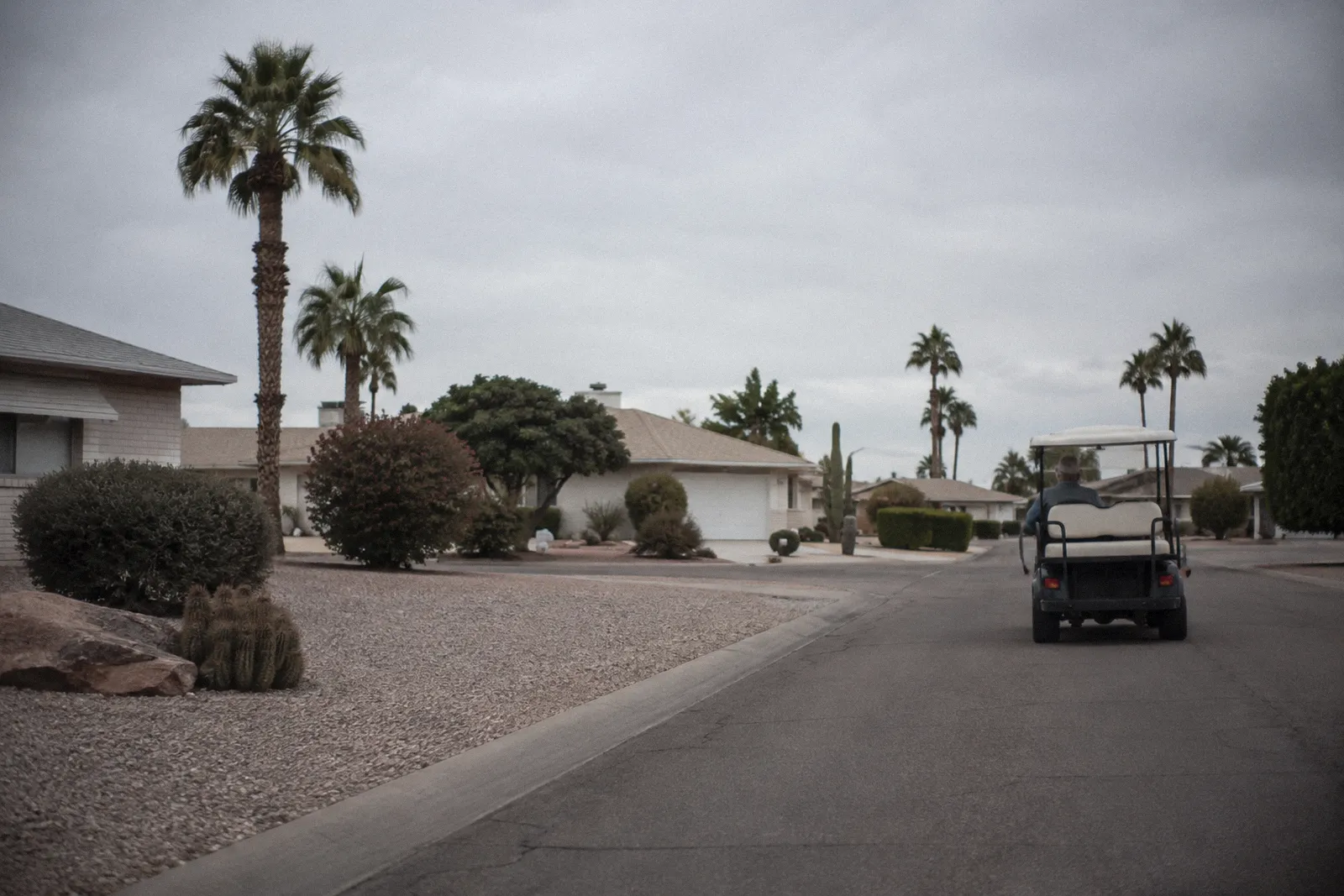
Rules about where a cart may be driven can vary by street, by property and by community, so we read the rules that apply to the actual spot instead of guessing. We will not tell you something is legal or illegal in Tempe until we have checked the specific road or property.
An ATV accident in Tempe raises a similar set of questions about ownership, supervision and equipment. One Arizona rule we can state: a helmet is required for riders under 18 on motorcycles, all-terrain vehicles and motor-driven cycles, and operators need eye protection unless there is a windshield (A.R.S. 28-964). Whether an injured person followed that rule is something an insurer may raise, and fault is decided on the facts. Arizona uses pure comparative fault (A.R.S. 12-2505), so shared blame lowers a recovery but does not bar it.
Arizona
What to Keep After a Golf Cart Crash
These items help whoever is looking at the claim, and they are easy to lose.
- Photographs of the cart, the ground, the path or street and any signs, if safely possible.
- The name of the owner of the cart and the course, venue, community or rental company involved.
- Any rental agreement, waiver or membership paperwork you signed. Keep copies, and do not sign anything new before you talk with us.
- The names of the driver, the passengers and any witnesses.
- The report number if police or a security officer responded.
- Medical records from your first visit, including any no or seemingly minor symptoms that became worse.
Deadlines That Catch Cart Cases Off Guard
The general deadline is two years (A.R.S. 12-542(1)). If a public body is involved, such as a city street or park, a written notice of claim is generally due within 180 days (A.R.S. 12-821.01) and a lawsuit within one year (A.R.S. 12-821). A child's filing clock is paused until age 18 (A.R.S. 12-502), though a parent's claim for medical bills is not paused for claims against a public entity. These rules have exceptions, so call us and we will explain how they apply to you.
Where a Cart Claim Goes, and Where Else We Help
A golf cart lawyer in Tempe often finds that the first step is a phone call to an insurer who is already asking for a recorded statement. Be careful about agreeing to one before you understand your legal rights. Our guide to talking with insurance adjusters explains what they ask and why.
If a claim reaches court, claims of $10,000 or more go to Maricopa County Superior Court and smaller claims to justice court, with small claims up to $5,000. We start by phone, about 8 miles from downtown Tempe by road. We also have cart pages for Mesa, Chandler and Scottsdale, and the statewide guide to an Arizona golf cart accident lawyer. For more on Tempe claims generally, see our personal injury lawyer in Tempe page. You pay no attorney fee unless we recover money for you.
Related pages
Questions
Questions about Tempe golf cart accident cases
Is it legal to drive a golf cart on Tempe streets?
It depends on the street and the type of vehicle. We check the rules for the specific location before saying whether a cart was allowed there, and we do not guess.
Whose insurance pays after a golf cart accident?
It can be the cart owner's homeowner or auto policy, the course or venue's liability coverage, a rental company's policy, or another driver's insurance. Which one responds depends on the policy wording and the facts.
My child was hurt in a cart a friend was driving. What are our options?
Claims may involve the driver, the owner of the cart and, sometimes, the family's own insurance. A child's filing clock is generally paused until age 18, but we encourage families not to wait.
Do I need a golf cart accident attorney in Tempe if the crash happened on private property?
Private property does not end a claim. Owners, courses, venues and rental companies can still be responsible, and their insurers will already be involved. A free case review costs nothing and lets us tell you whether it makes sense to go further.
Does a rental waiver end my claim?
Not automatically. We read the document and the facts before saying how it applies. Keep your copy and do not sign anything new.
Where would a lawsuit over a Tempe cart crash be filed?
Maricopa County. Claims of $10,000 or more are filed in Superior Court, assigned by the court's rules to a location such as the Central Court Building at 201 W. Jefferson in Phoenix or the Southeast location at 222 E. Javelina Avenue in Mesa. Smaller claims go to justice court.
Which police agency writes the report for an incident at Papago Park?
That depends on which side of the Phoenix and Tempe line it happened on, and on who responded. Ask the responding officer for a report number, and tell us where it happened so we can confirm the agency.
Free case review
Hurt in a Golf Cart or ATV Crash? Let Us Explain Your Options
Call (602) 584-8054 or request a free case review. Our experienced and friendly attorney will explain your legal rights. The earlier you call, the better, but it's never too late to find out your legal rights.
Call any time. Office visits Monday to Friday, 9 to 5.
Thank you, we’ve received your request.
A member of our team will reach out shortly. If your matter is urgent, call us now at (602) 584-8054.