
Scarring and Disfigurement
Scarring and Disfigurement Claim in Arizona: When an Injury Changes How You Look
A scarring and disfigurement claim in Arizona asks the at-fault party to pay for what a visible, lasting change costs you: reconstructive or revision care, counseling, lost opportunities at work, and the emotional toll. Permanent disfigurement is part of the pain and suffering Arizona law lets injured people recover, and Arizona places no caps on personal injury damages. Most injury lawsuits must be filed within two years under A.R.S. 12-542.

- Filing deadline
- 2 years from the injury
- A.R.S. 12-542(1)
- Damage caps
- None on personal injury damages
- Ariz. Const. art. 2 sec. 31; art. 18 sec. 6
- Minors
- Clock tolled until age 18, then the normal period runs
- A.R.S. 12-502
- Fault rule
- Pure comparative fault, no percentage bar
- A.R.S. 12-2505
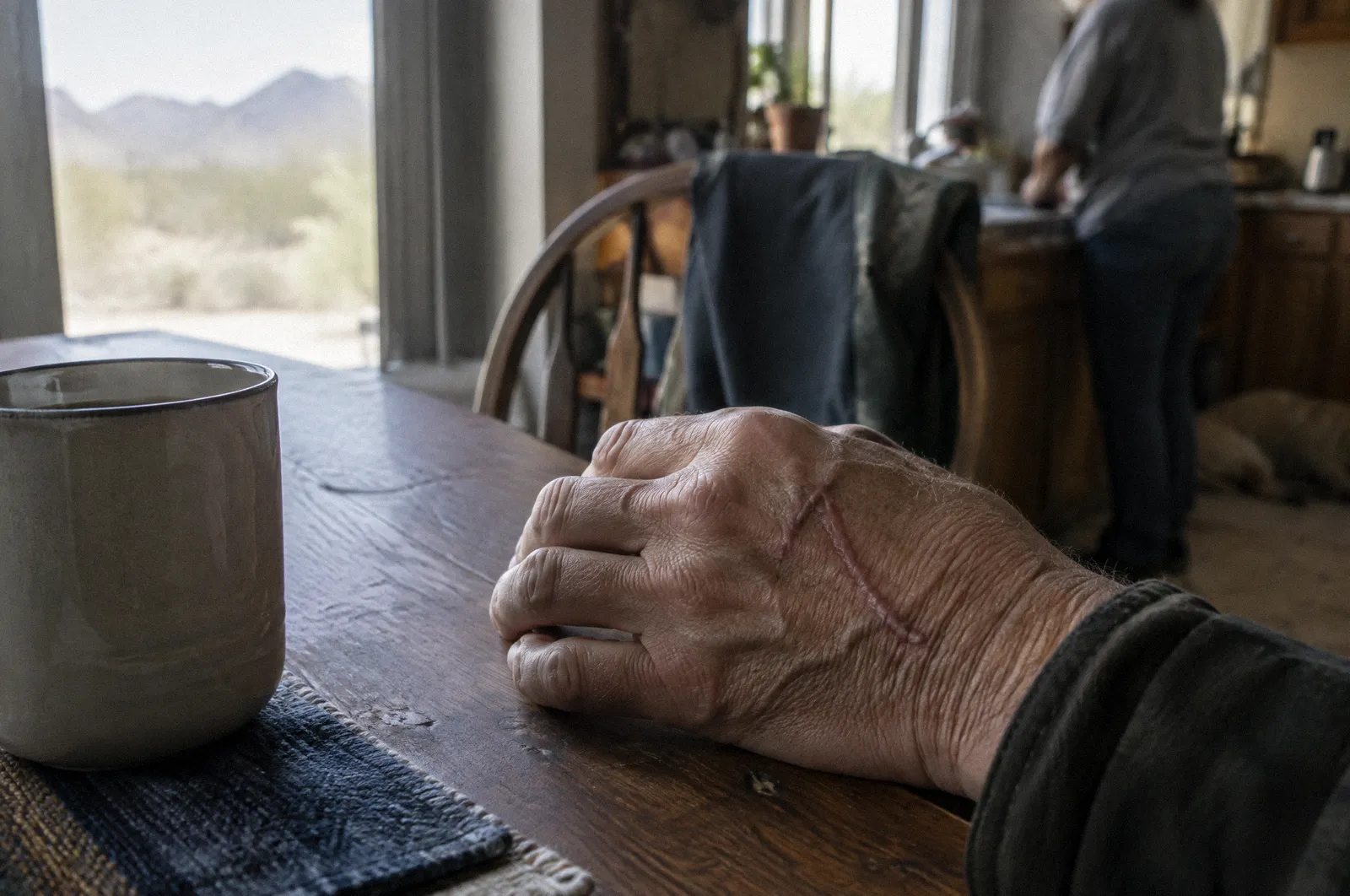
How Scars and Disfigurement Follow an Injury
A scar is more than a mark on the skin. After a crash, a burn, or an animal attack, a scar can be a daily reminder of what happened, and for many people it changes how they feel about being seen. Broken glass, torn metal, airbag and fire burns, surgical incisions, road rash, and dog bites all leave scars, and some injuries leave changes that go beyond a scar, such as altered facial features or a limb that looks different.
We treat this subject with care. You do not have to show us anything before you are ready, and we will not treat your appearance as a number. At the same time, a claim for disfigurement has to be supported, and the other side's insurer will look for ways to call a scar minor or cosmetic. Our job is to help you document what the change means in your life.
Scarring is one of the lasting car accident injuries Arizona crashes can cause. This page explains how it fits into a claim. It is not medical advice, and your providers decide your care.
Kinds of Scarring and Disfigurement in Injury Claims
These are the kinds of lasting change we see most often.

- Facial disfigurement
Scars, asymmetry, or damage to the nose, eyes, mouth, or jaw. Facial disfigurement is hard to hide and often affects confidence, relationships, and work.
- Scars on hands, arms, and legs
These are seen every day and can also limit movement when scar tissue tightens.
- Surgical scars
Surgery to repair a crash injury can itself leave a lasting scar that belongs in the claim.
- Burn scarring
Burns often scar deeply and over larger areas. Our page on a burn injury lawyer in Arizona explains the rest of a burn claim.
- Dog bite scars
Bites often cause facial scarring, especially in children. See our page on dog bite claims.
- Limb changes
Where a limb is lost or altered, the claim is closer to the one described on our page about an amputation lawyer in Arizona.
How a Scarring Claim Develops Over Time
Scars change as they heal, which is why timing matters.

Right after the injury
Record the starting point
Treatment notes and photographs taken by your care team show the injury as it was.
As wounds heal
Follow the change
Scars often continue to change for many months. Dated photographs and follow-up notes show how.
Months later
Consider revision care
Some people talk with a plastic or reconstructive surgeon about revision. Whether that is right for you is a medical decision, and any expected cost belongs in the claim only if a provider supports it.
When providers say the scar has settled
Permanent changes are described
Your treating providers can describe what is expected to be permanent. Settling before this point risks leaving the long-term picture out.
When settlement is discussed
The offer
We will explain what an offer includes and what it leaves out before you decide anything.
A Scarring and Disfigurement Claim in Arizona: What It Can Cover
Permanent disfigurement is not a separate bucket with its own formula. It shows up in a claim as part of pain and suffering, which Arizona law recognizes as the physical pain, emotional distress, and loss of enjoyment an injury caused. It can also support economic damages, such as the cost of revision or reconstructive care your providers recommend, counseling, and lost earning capacity when appearance matters in your work, as it can for someone who works with the public.

Arizona does not cap personal injury damages, so what a claim can recover depends on your facts and your evidence. Arizona follows a pure comparative fault rule under A.R.S. 12-2505, so you can recover even if you were partly at fault, reduced by your share. Insurance companies and their attorneys often negotiate the percentage of fault, so expect that conversation.
If the injured person is a child, the limitations period is tolled until age 18 under A.R.S. 12-502 and then the normal period runs. If the claim is against a public entity, a child's deadlines are paused until age 18: the notice of claim is due within 180 days after the 18th birthday and the lawsuit within one year after it (A.R.S. 12-821.01(D); 12-502). The parents' own claim for medical bills they paid is not paused, and their notice of claim is due within 180 days of the injury, so families should not wait. A settlement involving a child has its own requirements, so call us before assuming a deadline has not started.
How an Insurer May See a Scar and What Your Records Can Show
Insurers often describe scars in the most modest terms. Records can tell a fuller story.
How an insurer may describe it
- A cosmetic issue that does not affect your health
- Healing well, with no further treatment needed
- A small mark compared with the size of the claim
What your records and life can show
- Where the scar is, how visible it is, and how it has changed
- Any pain, tightness, or limits in movement it causes
- How it affects your work, relationships, and willingness to be seen in public
- Counseling or treatment for the emotional impact
Arizona
What Helps Document a Scarring Claim
This does not replace your providers' guidance. These are the records that tend to matter.
- Dated photographs of the injury and the scar as it heals, taken in similar light
- Treatment notes that describe the location, size, and appearance of the scar
- Evaluations by a plastic or reconstructive surgeon, if you see one
- Records of counseling or other mental health care
- A personal journal describing how the scar affects daily life
- Statements from family, friends, and coworkers who have seen the change
- Employer records if the scar affects your work
A Scar Compensation Calculator Is Only a Rough Guide
A scar compensation calculator usually asks for the size and location of the scar and returns a number. It cannot see how the scar affects your life, what your providers recommend, or how an insurer will argue fault, so treat any figure as rough and unreliable. Our guide to what your case is worth covers the real factors.
Deadlines for a Scarring Claim
Most injury lawsuits must be filed within two years under A.R.S. 12-542. A scar can take months to settle, so the clock can run while you are still healing. If a city, the state, or another public entity may be responsible, a notice of claim is due within 180 days under A.R.S. 12-821.01. These rules have exceptions, and we will explain how they apply to you.
Questions
Questions about scarring and disfigurement
Can I make a claim if my scar is small?
Yes, size is only one factor. Where the scar is, how visible it is, how it affects you, and what treatment it needs all matter, and the claim should reflect your experience rather than an insurer's description of it.
Do I need to wait until the scar has finished healing?
Scars change for many months, and settling before your providers can describe the long-term picture risks leaving future care and permanent effects out. Do not let that stop you from asking questions early, because deadlines run in the meantime.
Can a claim include the cost of scar revision?
Future care your treating providers recommend can be part of a claim when it is supported by medical opinion. Whether revision is right for you is a decision for you and your doctors.
Is facial disfigurement treated differently?
There is no separate rule for it, but facial disfigurement tends to affect daily life and work more visibly, and that is part of the evidence we help you document.
What if my child was scarred?
Arizona tolls the limitations period for a minor until age 18 under A.R.S. 12-502, then the normal period runs. If the claim is against a public entity, a child's deadlines are paused until age 18, but the parents' own claim for medical bills they paid is not paused: their notice of claim is due within 180 days of the injury (A.R.S. 12-821.01(D)). Families should not wait, so call us and we will explain how the rules apply.
How do I find a disfigurement lawyer who will treat this with care?
Look for a firm that handles serious injuries, answers your questions plainly, and puts its fee terms in a written agreement, which Arizona requires for contingency fees under Ariz. ER 1.5(c). You pay no attorney fee unless we recover money for you.
Free case review
Talk With Us About a Scarring or Disfigurement Claim
If an injury left you with a scar or a change in appearance, we can explain how a claim works, in your own time. Call (602) 584-8054 or request your free case review, and our experienced and friendly attorney will explain your legal rights. The earlier you call, the better, but it's never too late to find out your legal rights.
Call any time. Office visits Monday to Friday, 9 to 5.
Thank you, we’ve received your request.
A member of our team will reach out shortly. If your matter is urgent, call us now at (602) 584-8054.