
Scottsdale Jackknife Truck Accident Lawyer
Jackknife and Rollover Truck Accidents in Scottsdale: When You Need a Lawyer
A jackknife truck accident lawyer in Scottsdale can help you find out why a truck folded or tipped over and who may be responsible, whether that is the driver, the trucking company, a cargo loader or a maintenance provider. These crashes can block several lanes and involve many vehicles, and Arizona gives you two years from the crash to file a personal injury claim (A.R.S. 12-542), so it helps to ask early.
- Filing deadline
- 2 years from the crash
- A.R.S. 12-542(1)
- Fault rule
- Pure comparative fault, no percentage bar
- A.R.S. 12-2505
- Driver limit
- 11 hours driving after 10 hours off duty
- 49 CFR 395.3
What a Jackknife Crash Is and Why It Is So Dangerous
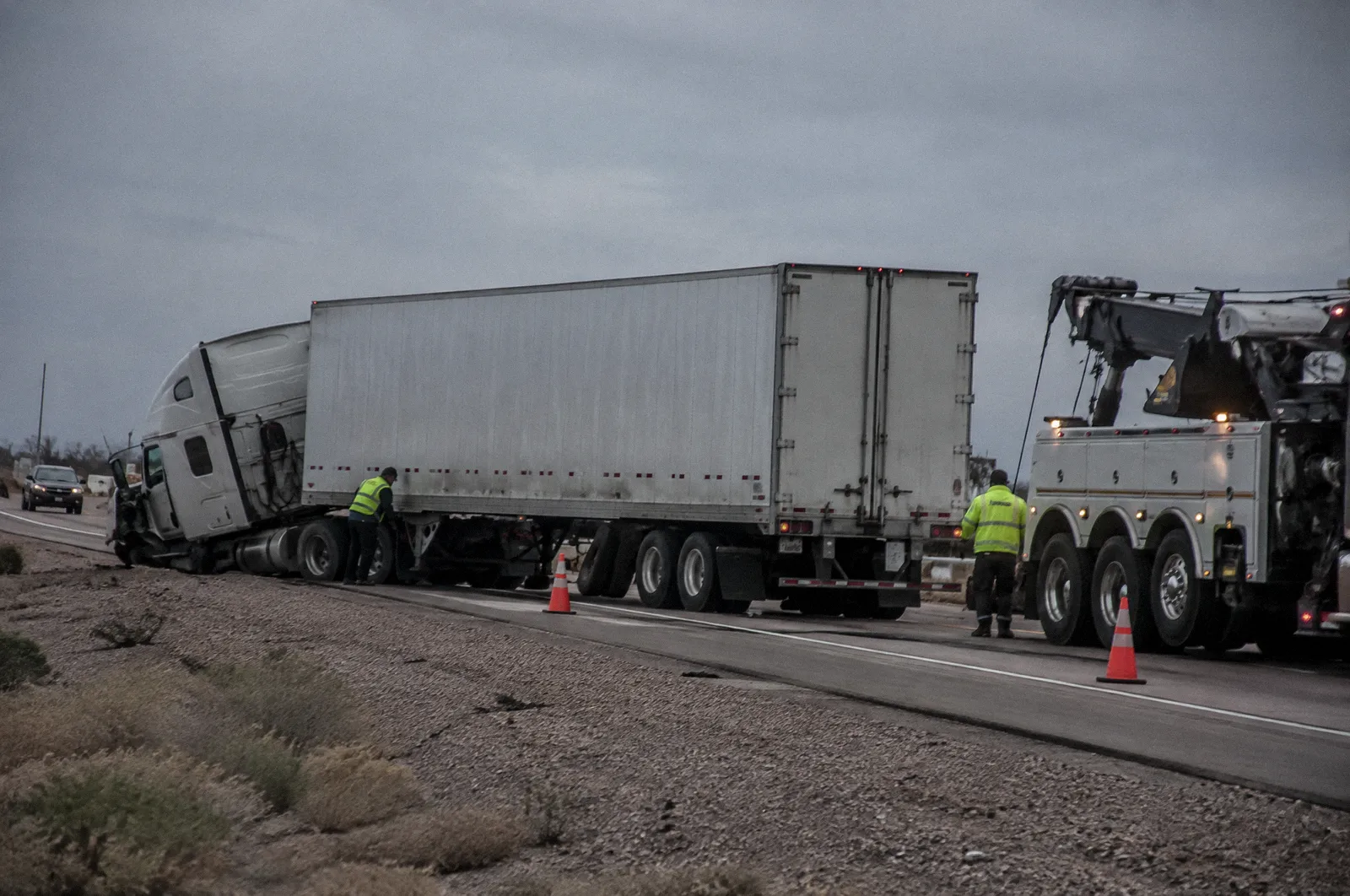
A truck jackknife happens when the trailer of a tractor-trailer swings out to the side and folds toward the cab, the way a pocketknife folds shut. When a semi jackknife occurs at highway speed, the trailer can sweep across several lanes, and the vehicles next to the truck have almost no time to react. A rollover is a different crash with a related cause: the truck tips onto its side or roof, and it can crush cars, spill cargo and block a freeway for hours.
Both crashes are among the most serious that involve commercial trucks. Our overview of a truck accident lawyer in Scottsdale covers commercial truck claims in general. This page explains what tends to cause these two crashes, what evidence matters and what you can do if one of them injured you or someone in your family.
What Can Cause a Jackknife or Rollover
These crashes rarely have a single cause. Several of the factors below are within the control of the driver or the company, and that is where responsibility often comes from.
- Sudden or hard braking
A driver who brakes hard to avoid slowing traffic can lock the trailer wheels and push the trailer out of line. Following too closely makes that more likely.
- Speed too fast for conditions
Highway ramps, curves and construction zones can tip a truck that is going too fast, even in clear weather.
- Rain, wind and blowing dust
Monsoon season can bring sudden downpours and blowing dust to the Phoenix area, and slick pavement or a gust of wind makes a heavy truck harder to hold in its lane.
- Cargo that is overloaded or unbalanced
A load that sits too high, shifts or is badly secured changes how the truck turns and stops. Cargo paperwork can show who loaded the truck.
- Worn brakes and tires
Brakes that are out of adjustment or tires that are worn can make a truck harder to stop in a straight line. Maintenance records can show whether a repair was missed.
- Driver fatigue or distraction
A tired or distracted driver may react late and then over-correct, which can start a jackknife or a rollover.
Arizona
Where These Crashes Tend to Happen Around Scottsdale
Trucks use the freeways and major roads around Scottsdale every day, and a few kinds of places carry more risk for a heavy truck. This is general information about types of locations, not a statistic about any one road.
Loop 101 (Pima Freeway)
Heavy traffic can slow suddenly, which can force a truck to brake hard.
Loop 202 and I-17 interchanges
Ramps and connector curves are common places for a truck that is going too fast to tip.
Construction zones
Narrowed lanes and shifting traffic patterns leave less room for a truck to correct.
Streets near Old Town and Shea Boulevard
Delivery and service trucks make tight turns in areas with a lot of pedestrian and car traffic.
Evidence After a Jackknife or Rollover Accident
The position of the truck, the cargo and the roadway tell a story, and some of it disappears as soon as the scene is cleared.
- Photos of the truck, the trailer, the cargo and the skid marks, taken if safely possible before any vehicle is moved.
- The police report and any diagrams or measurements made by the responding officers.
- Electronic data from the truck, which can show speed, braking and engine activity before the crash.
- Driver logs and hours records, which federal rules require carriers to keep for 6 months (49 CFR 395.8(k)).
- Maintenance and inspection records, which are kept for about 18 months (49 CFR 396.3(c)).
- Cargo and loading paperwork showing weight, balance and who loaded the truck.
- Weather and road condition reports for the time and place of the crash.
- Video from nearby businesses, other drivers' dashcams and any traffic cameras.
When Several Vehicles Are Involved
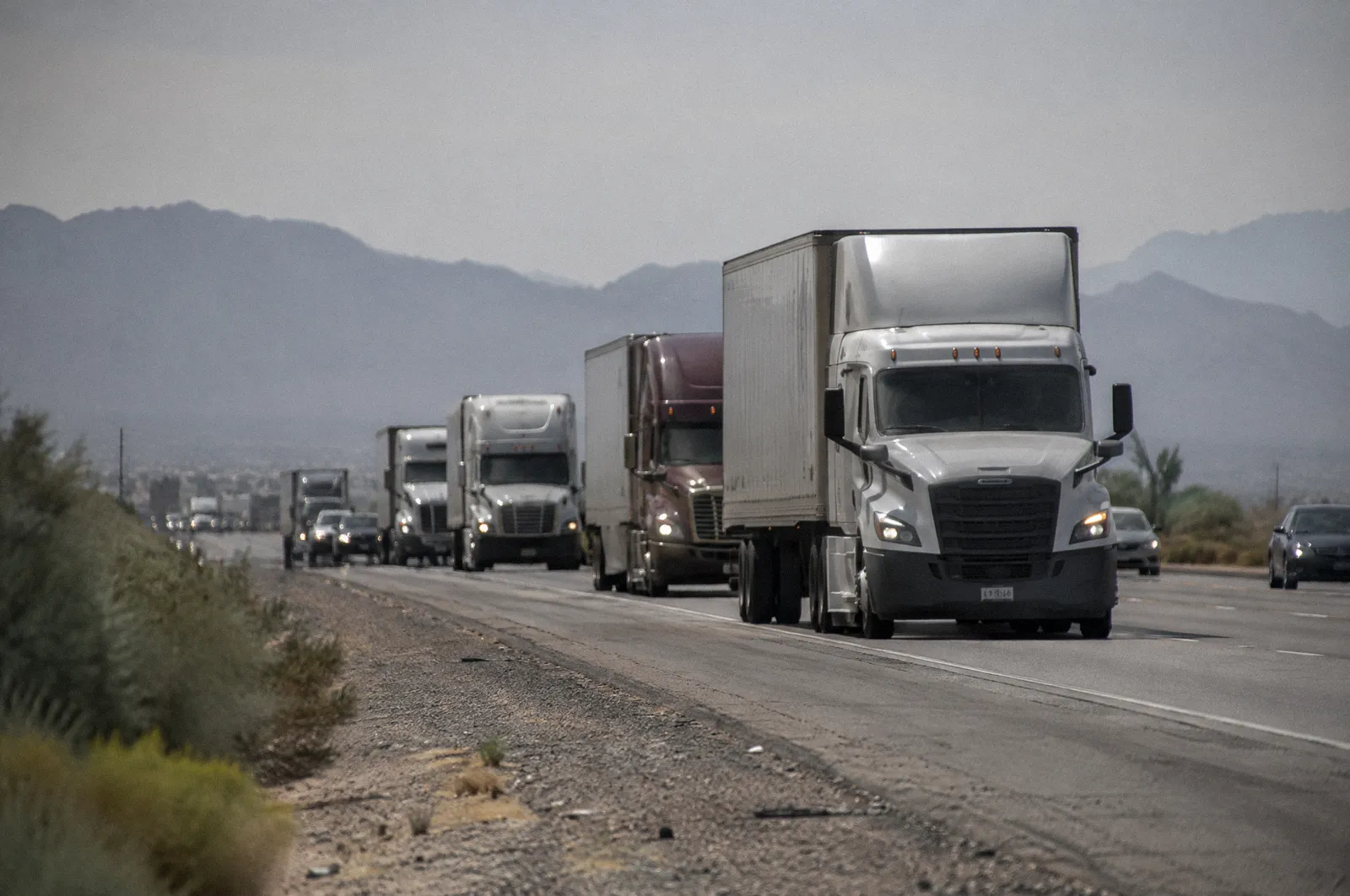
A jackknife or rollover can involve many vehicles, and every driver may point at someone else. Arizona uses pure comparative fault (A.R.S. 12-2505), and in most cases each defendant pays only its own share of the fault, with exceptions (A.R.S. 12-2506). Insurance companies and attorneys often negotiate the percentage of fault, so it is wise to have the facts reviewed before you accept anyone's account of what happened.
Step by step
What to Do After a Jackknife or Rollover Accident
These steps protect your health and your claim.
- 1
Call 911 and stay away from the truck.
Move to a safe place if you can. Leaking fuel or spilled cargo can be hazardous, so wait for responders.
- 2
Get medical care the same day.
Crushing and impact injuries are common in these crashes, and adrenaline can hide pain. Some people have no or seemingly minor symptoms at first.
- 3
Document the scene, if safely possible, before any vehicle is moved.
Photograph the truck's position, your vehicle, the road and any visible injuries.
- 4
Get names and details.
Note the driver's name, the company on the truck and any witnesses. If you believe you were not at fault, make sure you explain this to the officer.
- 5
Be careful with statements.
You are not required to agree to a recorded statement with a trucking company's insurer.
- 6
Talk to us before you sign anything.
Our experienced and friendly attorney will explain your legal rights and look at what evidence may need to be preserved.
Injuries and Losses From a Jackknife or Rollover
Because of the size and weight of the truck, these crashes can cause head injuries, spinal injuries, broken bones and other serious harm, and in the worst cases a family loses someone. Read about brain injury and spinal cord injury claims, or our page on wrongful death, where the deadline runs from the date of death. Our guide on what a personal injury case is worth explains the pieces of a claim.
Before you talk to an adjuster, read our guide on talking to insurance adjusters. Early offers usually come before the full cost of your treatment is known, and a signed release will under most circumstances close your case permanently.
Other Truck Crash Pages
If your crash involved a different kind of commercial vehicle, these pages may fit better.
How a Jackknife Truck Accident Lawyer in Scottsdale Can Help
A jackknife accident attorney can look at how the truck was loaded, maintained and driven, and a rollover accident lawyer can compare the truck's data with the scene. Valley Accident Law offers a free case review so you can understand your legal rights before you decide anything. You pay no attorney fee unless we recover money for you.
Our office is at 5635 N Scottsdale Rd, Suite 170, Scottsdale, AZ 85250. Call (602) 584-8054 or send us a message. The earlier you call, the better, but it's never too late to find out your legal rights.
Questions
Questions about Scottsdale jackknife truck accident cases
What does it mean when a truck jackknifes?
The trailer swings out to the side and folds toward the cab, usually after the trailer wheels lose traction or the driver brakes or steers sharply. The trailer can then sweep across neighboring lanes, which is why these crashes so often involve other vehicles.
Who is responsible when a truck rolls over?
It depends on the facts. The driver, the carrier, a cargo loader, the owner or a maintenance provider may each share responsibility. Speed, cargo balance, brake condition and weather can all be part of the picture, and an early review helps sort out which ones were involved.
Can bad weather excuse a jackknife crash?
Not by itself. Drivers are expected to adjust their speed and following distance to the conditions, and weather alone does not usually settle who was at fault. The evidence from the truck, the cargo and the road still matters.
How long do I have to file a claim after a jackknife or rollover crash?
Arizona's general personal injury deadline is two years from the date of the crash (A.R.S. 12-542). If a government vehicle was involved, a notice of claim is due within 180 days (A.R.S. 12-821.01). These rules have exceptions, so call us and we will explain how they apply to you.
What if I was partly at fault?
Arizona uses pure comparative fault, so you can still recover when you share some blame, but your compensation is reduced by your percentage. Insurance companies and attorneys often negotiate the percentage of fault, so do not accept their number without a review.
Free case review
Talk to Us About Your Truck Crash
Call (602) 584-8054 or request your free case review. We will explain your legal rights and what we see in your facts. The earlier you call, the better, but it's never too late to find out your legal rights.
Call any time. Office visits Monday to Friday, 9 to 5.
Thank you, we’ve received your request.
A member of our team will reach out shortly. If your matter is urgent, call us now at (602) 584-8054.