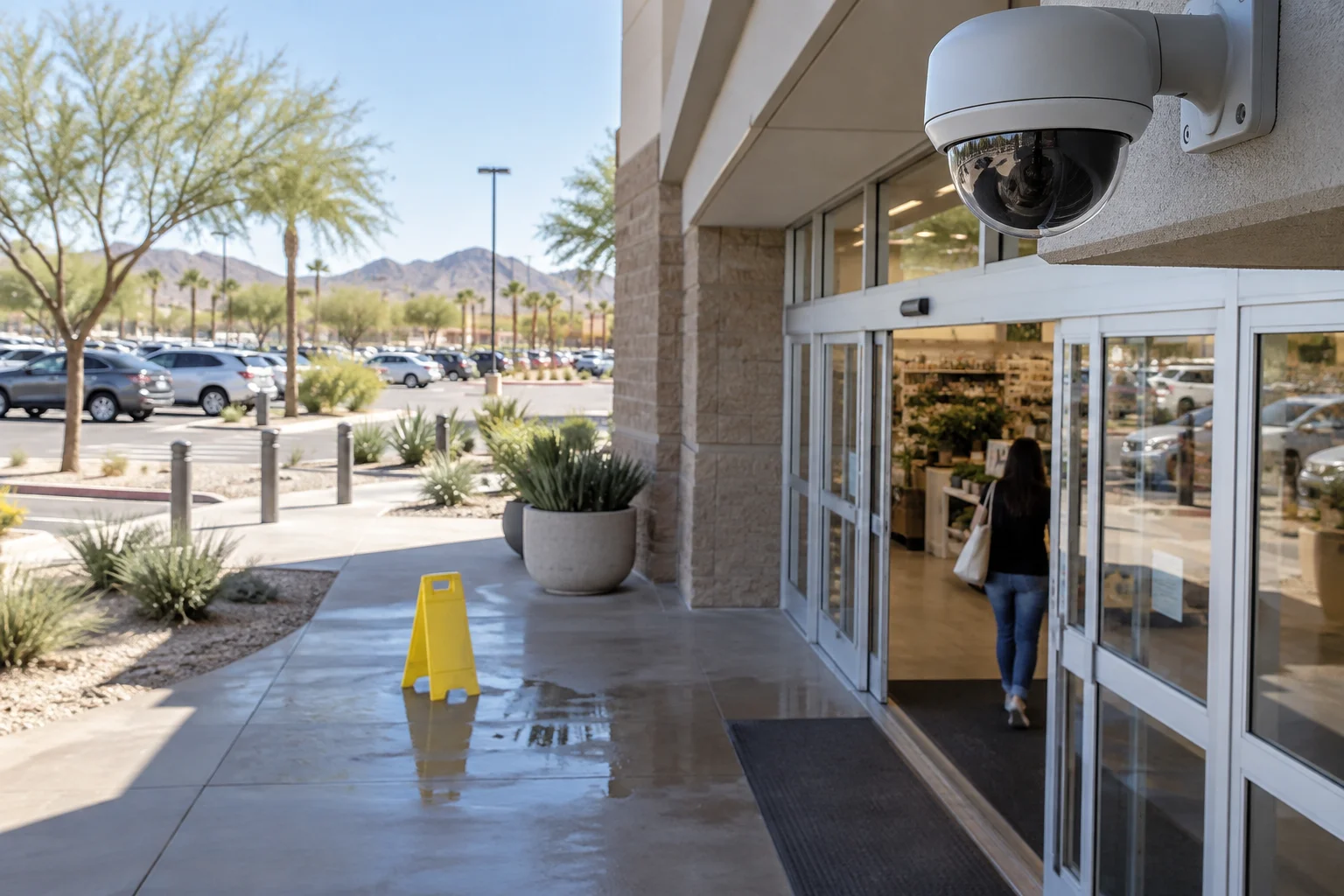

Slip and fall injuries in Arizona stores and restaurants only become a winning Personal Injury claim when you can prove the property owner knew about the hazard, or should have known about it, and failed to fix it before you fell.
By Charles Paglialunga, Esq., Founder, Valley Accident Law, 32 years Arizona personal injury
What Do You Have to Prove to Win a Slip and Fall Case in an Arizona Store or Restaurant?
Winning a slip and fall premises liability claim under Arizona premises liability law means proving four things: the retail store, restaurant, hotel, or other business owed you a duty of care; the property owner knew about a known hazard, or should have known about it; that hazard directly caused your injury; and you suffered real damages such as medical bills. Whether you were injured on an unsafe property in Scottsdale or Phoenix, AZ, Arizona courts hold retail stores, restaurants, hotels, parking lots, and other commercial properties to a standard of ordinary care for customers who are lawfully on the premises. Simply falling and getting hurt is not enough to win a slip and fall case. You have to connect the wet slippery floors, torn mat, or other hazard to something the business did wrong. Understanding premises liability starts with recognizing that the burden sits with you, the injured person, not with the store.
Founder Charles Paglialunga has spent 32 years handling Arizona personal injury and premises liability claims, background covered on the firm’s About Us page, and that experience shapes how evidence gets gathered from day one.
How Do You Prove a Property Owner Knew About a Dangerous Hazard Before You Fell?
Proving the property owner knew about a dangerous hazard is the core of any slip and fall case in Arizona. Insurance companies for large retailers and restaurant chains will argue the hazard appeared moments before you fell, so the evidence has to show otherwise.
What Is the Difference Between Actual Knowledge and Constructive Knowledge in Arizona Premises Liability Law?
Actual knowledge means an employee saw the wet slippery floors, the torn carpet, or the icy entrance and did nothing about it. Constructive knowledge means the hazard existed long enough that a reasonably careful property owner should have found and fixed it during a normal inspection. Arizona premises liability law treats both the same way for purposes of liability, but constructive knowledge usually requires more circumstantial evidence, cleaning logs, inspection schedules, and employee shift records, because there is rarely a witness who admits to seeing the hazard directly.
What Evidence Shows a Hazard Existed Long Enough for the Owner or Staff to Have Noticed It?
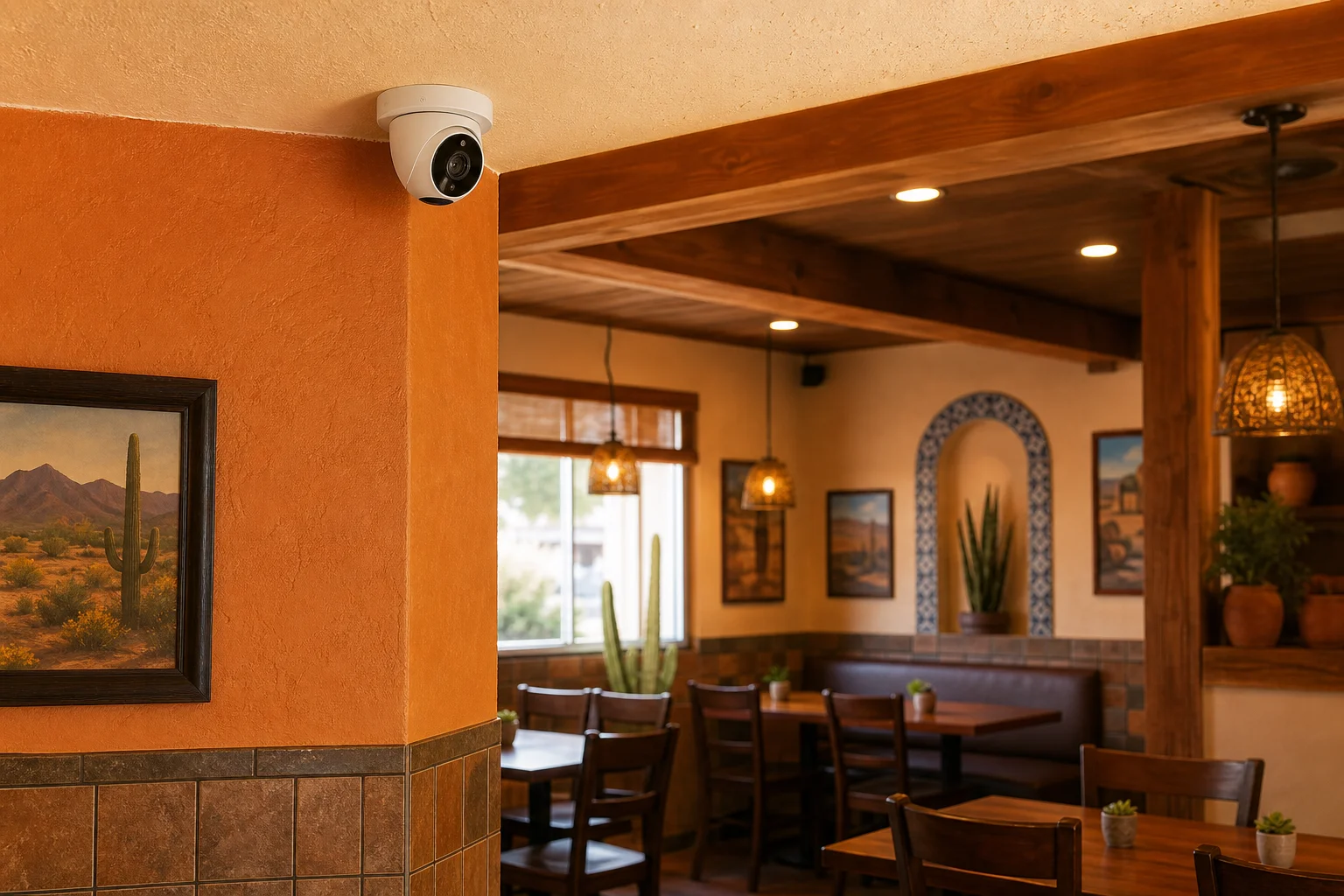
The strongest slip and fall injuries in Arizona stores and restaurants cases rely on a mix of surveillance footage and maintenance logs, witness statements from other customers or employees, and the physical condition of the hazard itself, dirty footprints tracked through a spill, or a drink cup that had clearly been sitting for a while before you arrived. Surveillance footage and maintenance records are often the deciding factor, because they show exactly how long a hazard sat unaddressed before a fall. A personal injury attorney will typically send a preservation letter to the business within days of the incident, because many stores overwrite security camera footage on a rolling schedule, sometimes within a matter of weeks.
Who Is Legally Responsible for a Slip and Fall, the Property Owner, the Tenant Business, or a Cleaning Contractor?
Liability in a slip and fall case can land on more than one party. Property owners, tenant businesses, and cleaning contractors can all share liability for a single fall, depending on who controlled the area where you slipped. The property owner who leases space to a retail store or restaurant is often responsible for structural issues, parking lots, entryways, and common areas. The tenant business, the store or restaurant itself, is typically responsible for conditions inside its leased space: spills, debris, loose mats, and equipment. If a third-party cleaning contractor mopped a floor without setting out warning signs, that contractor can also be held liable. Arizona law allows more than one defendant to be named in the same claim, and a personal injury attorney will usually pull the lease agreement and any maintenance contracts early to identify every business that owed you a duty.
What Compensation Can You Recover After Slip and Fall Injuries in Arizona Stores and Restaurants?
Arizona law lets injured customers pursue the compensation you deserve for the full financial and physical impact of a fall. That typically includes medical bills and ongoing medical attention, lost wages if the injury kept you out of work, pain and suffering, and in more serious cases, long-term mobility issues from a hip fracture, spinal injury, or head injury that never fully resolves. There is no cap on compensatory damages in a standard Arizona premises liability case. What you can recover depends heavily on the medical record, so getting medical attention right away, and following through on the treatment your doctor recommends, matters as much for your health as it does for your claim.
How Long Do You Have to File a Slip and Fall Lawsuit in Arizona?
Arizona’s statute of limitations gives most injured people two years from the date of the fall to file a personal injury lawsuit, under A.R.S. § 12-542. If the property is owned or operated by a government entity, a city-owned parking garage or a public transit stop outside a store, a notice of claim usually has to be filed within 180 days, well before the two-year deadline applies. Missing either deadline generally ends your ability to pursue compensation in court, so it is worth having a personal injury attorney evaluate your case well before time runs short, even if you are still in treatment.
What Should I Do Immediately After Slipping and Falling in a Store or Restaurant in Arizona?
Slip and fall accidents happen fast, and what you do in the first hours after fall accidents like these can shape the entire claim.
- Get medical attention. Even a fall that feels minor can involve a concussion, a fracture, or soft tissue damage that gets worse over the following days.
- Report the fall to a manager or employee and ask that an incident report be created, but avoid signing anything beyond acknowledging the date and basic facts.
- Photograph the hazard, the wet slippery floors, the torn mat, the unmarked step, before anyone cleans it up or moves it.
- Get names and phone numbers for any witnesses. Other customers often leave before staff take a report.
- Keep the shoes and clothing you were wearing. They can matter later.
- Avoid giving a recorded statement to the store’s insurance company before talking to a personal injury attorney.
Can I Still Recover Damages if I Was Partly at Fault for My Own Slip and Fall?
Yes. Arizona is a pure comparative negligence state under A.R.S. § 12-2505, which means you can still recover damages even if you were partly responsible for the fall, say you were looking at your phone or walking quickly through a wet floor area. Your total compensation is simply reduced by your percentage of fault instead of eliminated entirely. If a jury found you 20 percent responsible for not noticing a hazard, your recovery would be reduced by that amount, not wiped out. Retailers and their insurance companies frequently argue comparative fault to lower a payout, which is one more reason the evidence gathered right after the fall matters so much.
Frequently Asked Questions
Does a store’s or restaurant’s incident report help or hurt my slip and fall claim? An incident report can help or hurt depending on what it says. Stores write these reports for their own insurance company, not for you, so the wording sometimes minimizes the hazard or shifts blame onto you. Request a copy in writing as soon as possible, and avoid signing any statement beyond confirming basic facts like the date, time, and location of your fall.
How much is a typical slip and fall settlement in Arizona worth? There is no fixed or typical settlement amount. Value depends on the severity of your fall injuries, your medical bills, lost income, whether the evidence clearly shows the property owner knew about the hazard, and how strong the liability case is overall. A personal injury attorney can review your medical records and the facts of your fall to give you a realistic sense of your specific case.
Do I need a lawyer for a slip and fall claim against a large retailer or restaurant chain? Large retailers and restaurant chains typically have their own insurance adjusters and defense counsel working to limit payouts from the moment they learn about a fall. A personal injury attorney can preserve surveillance footage before it is overwritten, identify every liable party, and negotiate with insurance companies on equal footing, which is difficult to do without legal experience.
Get a Free Case Review From an Arizona Slip and Fall Attorney
If you are still dealing with slip and fall injuries in Arizona stores and restaurants, Charles Paglialunga and the Valley Accident Law team will review what happened at no cost and explain your options in plain language. Contact / Free Case Review to get a free consultation and find out where your claim stands.