
Cyclists in Phoenix and Scottsdale ride year-round. The roads are not always built for it. Wide lanes, fast traffic, and drivers who do not check their right-side blind spot before turning create the conditions for serious crashes. A crash between a 200-pound rider and a 4,000-pound vehicle is rarely close in outcome.
Valley Accident Law represents cyclists hit by drivers across the Phoenix metro. Founder Charles Paglialunga has 29 years of Arizona personal injury experience and handles every case personally.
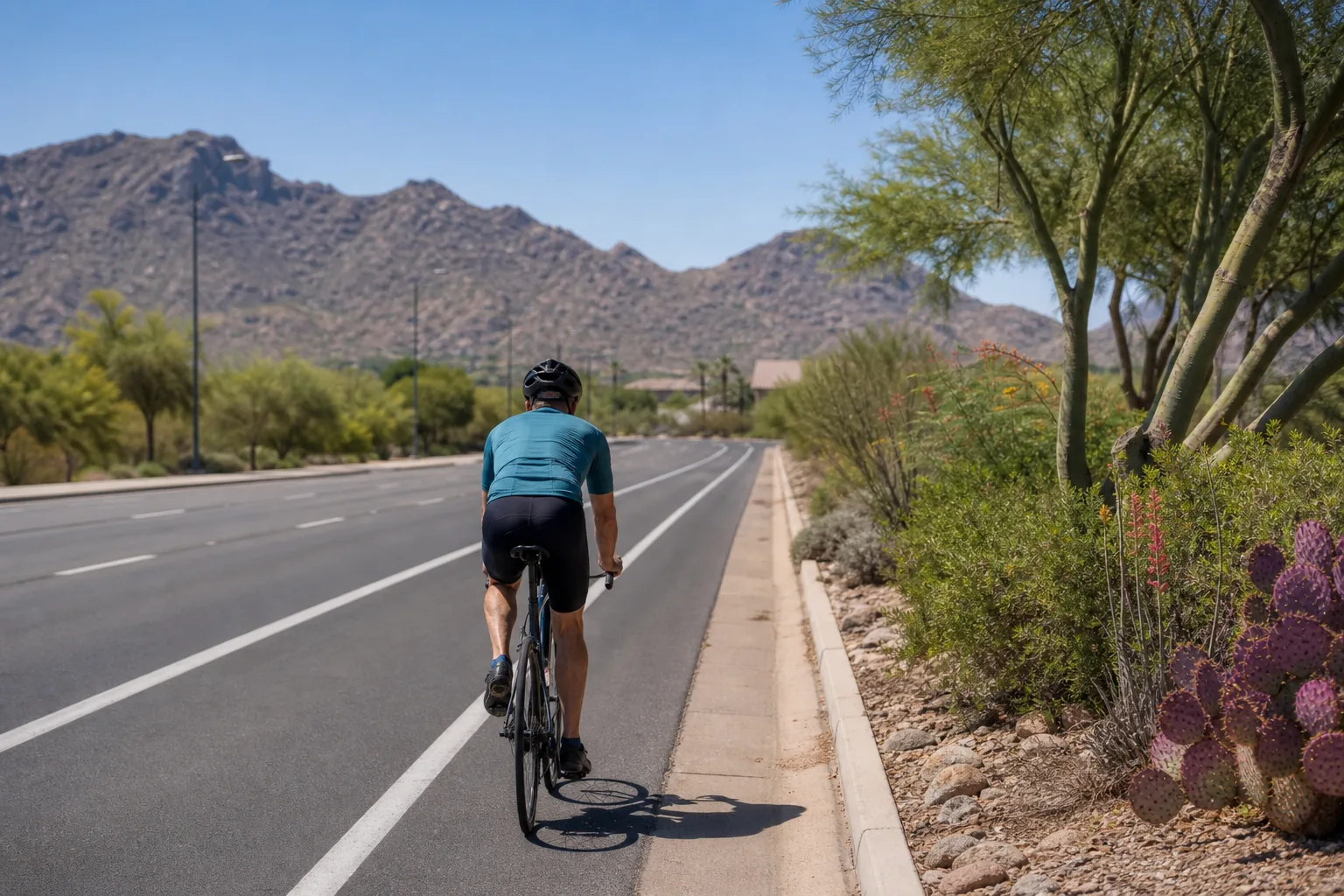
Most bicycle accident cases we see follow a pattern:
Arizona treats bicycles as vehicles for most road purposes. Cyclists have the right to use the road, including a full lane when conditions require it, and drivers are required to share the road. A few specifics matter for the case:
Arizona is a pure comparative fault state. Even if the cyclist was partially responsible, they can recover damages reduced by their percentage of fault. Adjusters routinely try to inflate that percentage. We push back with police reports, witness statements, and accident reconstruction when needed.
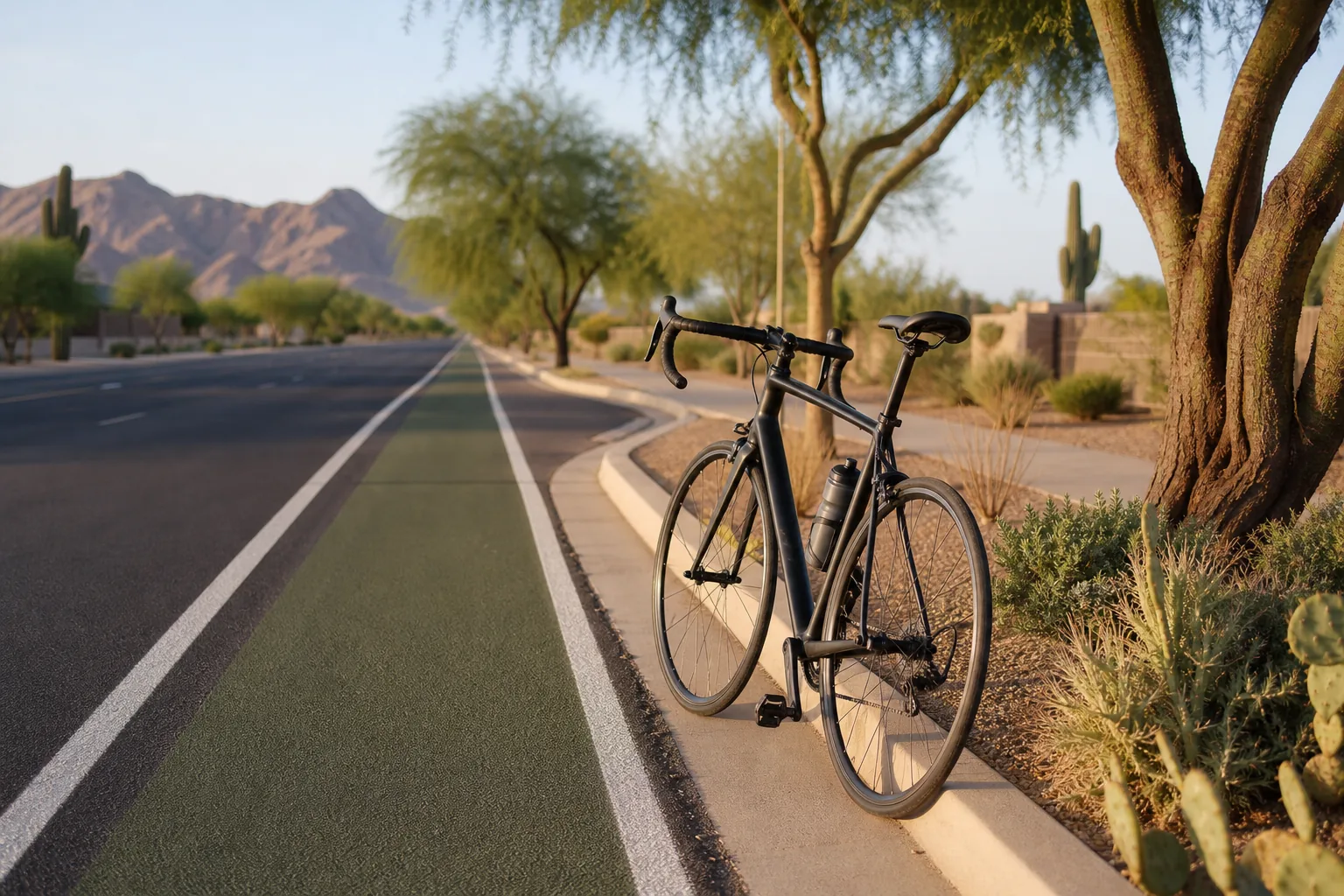
Bicycle injury cases tend to involve severe damage. Common categories:
Recoverable damages include past and future medical bills, lost wages, lost earning capacity, pain and suffering, and in some cases punitive damages when the driver was impaired or fled. Wrongful death damages apply where the cyclist did not survive.
Call 911 if you can. Get medical attention immediately, even for injuries that seem minor. Photograph the bike, the vehicle, the scene, and your gear. Get the driver’s insurance information and license plate. Save the bike and helmet, do not throw them out. Get witness names and phone numbers.
Do not give a recorded statement to the driver’s insurance company. You are not required to.
Most Arizona bicycle injury claims must be filed within two years. If a government vehicle was involved (city bus, police, ADOT), the notice-of-claim deadline is 180 days. If the cyclist did not survive, the wrongful death statute also runs two years from the date of death.
Charles handles every bicycle accident case personally. The first consultation is free, and we work on contingency. No fee unless we recover for you.
Call 1-602-584-8054 for a free consultation.
Adults are not required to wear helmets in Arizona. Adjusters often argue it should reduce the case, especially for head injuries. We argue the actual cause of the crash. Helmet use rarely changes the liability picture in court.
Yes, often through your own uninsured motorist coverage if you have it on any household auto policy.
Driver statements at the scene are common and not the end of the case. Police reports, witness statements, video, and reconstruction usually tell the truer story.
Yes, do not throw it out. Damage to the bike and helmet is evidence of impact severity and helps document the case.
Most resolve in 6 to 18 months. Serious injury cases sometimes take longer while treatment finishes.
After a bicycle crash, the driver’s insurance company opens a file long before you ever talk to an adjuster. Their first goal is to limit what gets paid, not to make sure your injuries are covered. They will study the police report, any traffic or doorbell camera footage, and every statement taken at the scene, and they will use anything ambiguous to argue you share more of the fault than you actually do. Under Arizona’s comparative fault rule, that percentage matters directly, since it reduces whatever you are able to recover. Gaps in treatment, missed follow up visits, or a vague description of pain can all be used against you, even when the gap was caused by transportation problems or the cost of care. Expect an early offer before your treatment is finished. That offer is built around the insurer’s file, not yours, and accepting it closes the claim for good, even if new symptoms show up later.
We start by gathering the police report, photos of the bike and the scene, medical records, and contact information for anyone who saw what happened before memories fade. As a bicycle accident lawyer in Scottsdale, we know exactly which details insurance adjusters look for an opening to argue against, so we deal with them directly and keep you from being pressured into a recorded statement or an early settlement while you are still being treated. If the at fault driver’s coverage will not cover the full extent of your losses, we look at every available policy, including your own, before closing that door. There is no cost to find out where you stand. The first conversation is free, we work on contingency, and you can take whatever time you need deciding what to do next.
Often yes, through a lien or subrogation claim for what they paid toward your treatment. We identify any lien early and negotiate it down where possible so it does not quietly eat into your net recovery. This is easy to miss without experience reviewing these claims.
A claim can still move forward without witnesses. Physical evidence, the damage pattern on the bike, traffic camera or nearby business footage, and the responding officer’s assessment often fill that gap. We also look at the vehicle’s own data where it is available.
It can affect how the crash is classified, but a rider on an e-bike or scooter still has rights against a driver who failed to share the road. The analysis of fault stays largely the same. We evaluate the specific rules that apply to your device before filing anything.
You may still have a path to recovery through your own uninsured motorist coverage, if it exists on any auto policy in your household. This is one of the first things we check. Do not assume a lack of insurance on the driver’s side ends the case.
Most bicycle injury claims resolve through negotiation and never reach a courtroom. We prepare every case as if it could go to trial, which tends to strengthen the negotiation itself. If a fair resolution is not offered, filing suit remains an option we discuss with you directly.