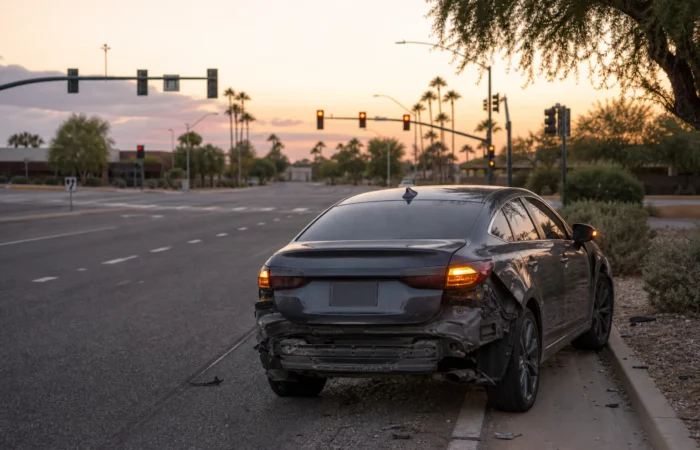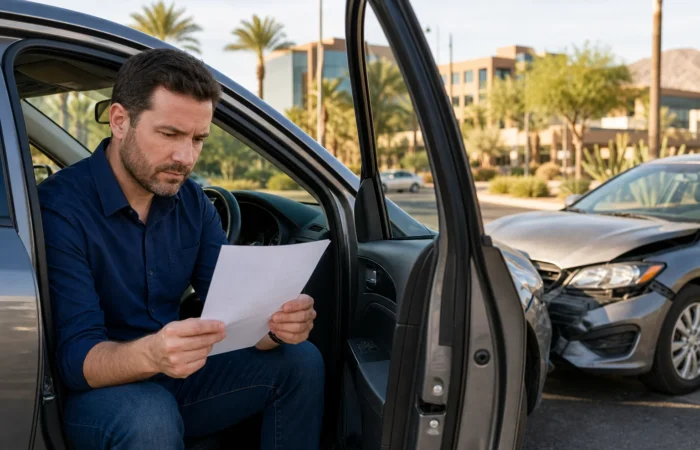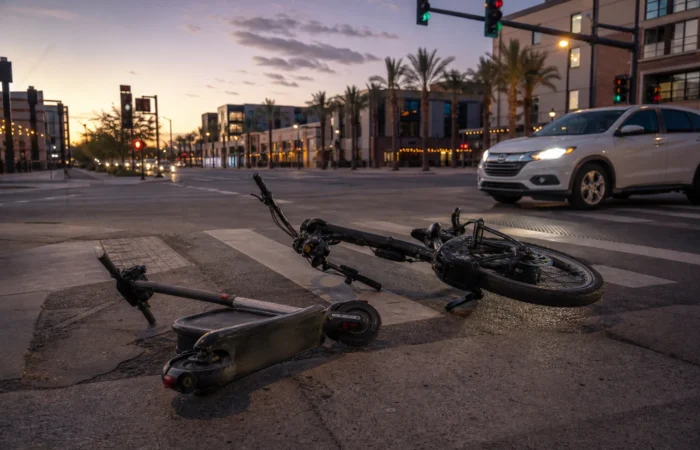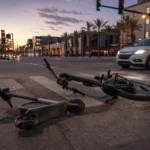

When a child is hit by a car in Tempe, the first minutes feel impossible. Arizona law gives children crossing the street clear right-of-way protections, and drivers who violate that duty face civil liability for every cost your family now carries. Understanding your rights and the steps to take can make a real difference in your child’s Personal Injury claim.
By Charles Paglialunga, Esq., Founder, Valley Accident Law, 29 years Arizona personal injury
Arizona Right-of-Way Law and Children as Pedestrians
Under A.R.S. § 28-792, every driver in Arizona must yield to a pedestrian who is crossing within a marked crosswalk or at an unmarked intersection. This rule applies across the state, from a busy Tempe arterial road to a rural residential street. Children receive the same legal protection as adults at crosswalks, with one important addition: Arizona courts recognize that children cannot be expected to judge traffic the way adults do.
The physical and cognitive limits of child development matter in these cases. A six-year-old is not expected to anticipate that a driver will run a red light. A nine-year-old stepping off a curb does not have the same spatial awareness or reaction time as an adult. When negligence is disputed, a child’s age and developmental stage become part of the legal analysis, and courts apply a reduced standard of care to the child.
Under A.R.S. § 28-797, drivers in designated school zones must reduce speed and exercise heightened care near areas where children are likely to be present. A crash near a Tempe school crosswalk, public park, or playground carries a stronger presumption that the driver should have been watching the road for children.
What Driver Duty of Care Means in Practice
Driver duty of care means that anyone operating a car on a public road must pay the level of attention a reasonable, careful driver would pay under the same conditions. When children are present near schools, parks, or residential streets, that standard rises. Arizona courts have applied this principle consistently in pedestrian accident cases involving young victims.
If the driver was exceeding the speed limit, ran a red light, was distracted by a phone, or was impaired by alcohol or drugs, those facts directly support a negligence claim. Drunk Driving Accidents involving child pedestrians typically result in both civil liability and criminal consequences for the at-fault driver, and Arizona courts do not look favorably on impaired drivers who strike children in crosswalks.
Rideshare vehicles, including those operated through Uber and similar services, are common on Tempe roads and around the Arizona State University corridor. Company policy for rideshare and delivery drivers often sets specific standards for safe driving behavior. When those policies are violated and a crash results, the company may share liability alongside the individual driver.
What to Do When a Child Is Hit by a Car in Tempe
If you are present when a child is hit by a car in Tempe, call 911 immediately. Do not move your child unless there is an immediate physical threat such as oncoming traffic or fire. Spinal cord and neck injuries are common in pedestrian crashes, and moving a child before emergency personnel arrive can deepen the harm. Let paramedics and emergency medical technicians take control of the scene and the road around it.
While waiting for help, take these steps if you can do so safely without leaving your child:
- Write down or photograph the license plate, make, model, and color of the car.
- Ask any bystanders for their names and phone numbers before they leave the scene.
- Photograph the road surface, crosswalk markings, traffic signals, and any skid marks.
- Do not give a recorded statement to any insurer, adjuster, or the at-fault driver.
Once your child is at the hospital and is stable, request every available record: ambulance run reports, emergency room notes, imaging results, and any specialist referrals. These documents anchor the medical damages in your child’s personal injury claim and cannot be recreated later.

Why the Tempe Police Department Report Is the Preferred Source
The police department report is the preferred source for establishing the official facts of a crash. When Tempe Police officers respond to a pedestrian accident, they complete a written crash report that records the location, road and lighting conditions, statements from drivers and witnesses, citations issued, and the officer’s preliminary assessment of contributing causes.
You can request the report through the Tempe Police Department’s records division, typically available within five to ten business days of the crash. Ask the responding officer for the report number before you leave the scene; it speeds up retrieval considerably.
When reviewing the Tempe Police report, look for:
- Citations issued to the driver, such as failure to yield, speeding, or distracted driving.
- Names and contact information for any witnesses at the scene.
- The officer’s diagram showing where the crash occurred and the path of travel.
- Notes about traffic control devices, road conditions, lighting, or visibility at the time.
If the report contains errors or gaps, an attorney can document additional evidence, including surveillance video from nearby businesses, traffic camera footage from the city’s network, and expert accident reconstruction, to build a more complete account of what happened. Arizona generally gives an injured party two years from the date of a crash to file suit, but exceptions apply when a government-owned vehicle is involved or when the victim is a minor.
Insurance, Rights, and the Road to Recovery
After a Tempe pedestrian crash, the at-fault driver’s auto insurance company will likely contact you quickly. Their goal is to limit what the company pays, not to protect your child’s rights. You are not required to give a recorded statement to the other driver’s insurer, and doing so without legal guidance can weaken your position in the claim.
Arizona is a fault-based auto insurance state. The driver who caused the crash is responsible for your child’s damages through their liability policy. Those damages can include emergency care costs, ongoing hospital bills, physical pain and suffering, and in serious cases, long-term effects on your child’s health, learning, and development.
Do not accept any settlement offer before your child’s medical picture is complete. Traumatic brain injury and spinal cord injury in children sometimes take months to fully diagnose and evaluate. Settling too early forfeits compensation for future care and lasting harm your family has not yet encountered.
Medical bills often start arriving well before a claim is resolved, and MedPay coverage or a health insurance lien on the settlement can each affect how those bills ultimately get paid. Knowing what to say, and what to avoid saying, during that first adjuster conversation can protect the value of the claim. If a child’s injuries tragically prove fatal, Arizona law allows certain surviving family members to pursue a separate wrongful death claim against the at-fault driver, subject to its own filing deadlines and legal standards, and an attorney can walk you through those rights if your family is facing that outcome.
Frequently Asked Questions
Does my child’s comparative fault reduce our claim?
Arizona uses a pure comparative fault system, so damages are reduced by the percentage of fault assigned to each party. Courts recognize that children cannot be held to adult standards of care. A child’s young age, limited ability to judge traffic speed, and the specific context of the crash all typically reduce or eliminate any fault assigned to the child. An attorney can advise you based on the exact facts of your case.
Should I accept the first settlement offer from the insurance company?
No. The first offer from an at-fault driver’s insurer is almost always a low opening figure. It rarely accounts for future care, long-term physical effects, or pain and suffering. Wait until your child’s medical care is complete and you have a clear picture of any lasting harm before evaluating any settlement. A personal injury attorney can assess whether the offer reflects the full value of your child’s damages.
What if the crash happened at an unmarked crosswalk in Tempe?
Arizona law recognizes unmarked crosswalks at every intersection where two roads meet, even without painted lines. Under A.R.S. § 28-792, drivers must still yield to pedestrians at these locations. The absence of painted markings does not remove the driver’s legal duty to stop. Scene photographs and witness accounts are especially important in proving what happened at an unmarked location.
How long does a child pedestrian injury case take in Arizona?
The timeline depends on injury severity, how quickly liability is established, and whether the case settles or goes to trial. Cases involving hospitalization, spinal injury, or brain injury often take one to three years to resolve. Every child’s story is different, and an experienced attorney will give you a realistic estimate based on the specific facts of your case and the care your child needs.
What if a government vehicle struck my child?
Claims against a government entity such as the City of Tempe or the State of Arizona require a formal notice of claim filed within 180 days of the incident under A.R.S. § 12-821.01. Missing this deadline typically bars the entire claim. Contact an attorney as soon as possible if a police vehicle, city bus, or other government-owned vehicle was involved in the accident.
Protect Your Child’s Claim Before Evidence Is Lost
When a child is hit by a car in Tempe, the window to preserve evidence closes fast. Traffic camera footage is often overwritten within 48 to 72 hours. Skid marks wash away. Witnesses move on. Getting an attorney involved early is the most effective step a parent can take to protect the integrity of the police department report, secure available video, and identify every insurance policy that may apply before deadlines pass.
Valley Accident Law handles child pedestrian accident cases for families across the Phoenix metro, including Tempe, Scottsdale, and Mesa. For a no-cost conversation about what happened and what options your family has, visit our Contact / Free Case Review page today.